
Why Na Oboře stands out
Na Oboře is known for its xerothermic, steppe-like grasslands developed on loess deposits, which represent an ecologically unusual habitat in the Czech context. The reserve is particularly valued for the presence of the critically endangered Rebel's blue butterfly, one of only a handful of its known localities in Bohemia, as well as for rare thermophilic plants such as cross gentian, Bolognese bellflower, and lesser butterfly orchid. These species, together with the dry-grassland flora dominated by tor-grass, scabious, and oregano, give the site its distinct character and make it a regionally important refuge for heat-loving flora and insects that have largely disappeared from the surrounding agricultural landscape.
Na Oboře history and protected-area timeline
The protected site was officially declared a national natural monument on 14 February 2001, with the declaration taking legal effect on 19 March 2001. The decision was issued by the administration of the Kokořínsko, Máchův kraj Protected Landscape Area, which continues to manage the reserve today.
Long before protection, the gentle valley slopes of this area had been shaped by centuries of human activity. Historical records and old military mapping show that the locality and its surroundings were traditionally used for grazing, terraced cultivation, and the planting of fruit trees; these practices enriched the loess-derived soils but also altered the natural vegetation. As agriculture intensified across the broader region, the original steppe-like flora retreated to small, less economically valuable patches of terrain, including the slopes now forming the protected monument.
In the modern era, the main conservation challenge has shifted from agricultural use to abandonment and ecological overshoot. Nitrogen enrichment from past over-fertilization and encroachment by aggressive native and non-native plants have gradually reduced the site's species richness, prompting an active management program of regular mowing, removal of cut biomass, and targeted control of invasive species to restore and maintain the original steppe character.
Na Oboře landscape and geographic character
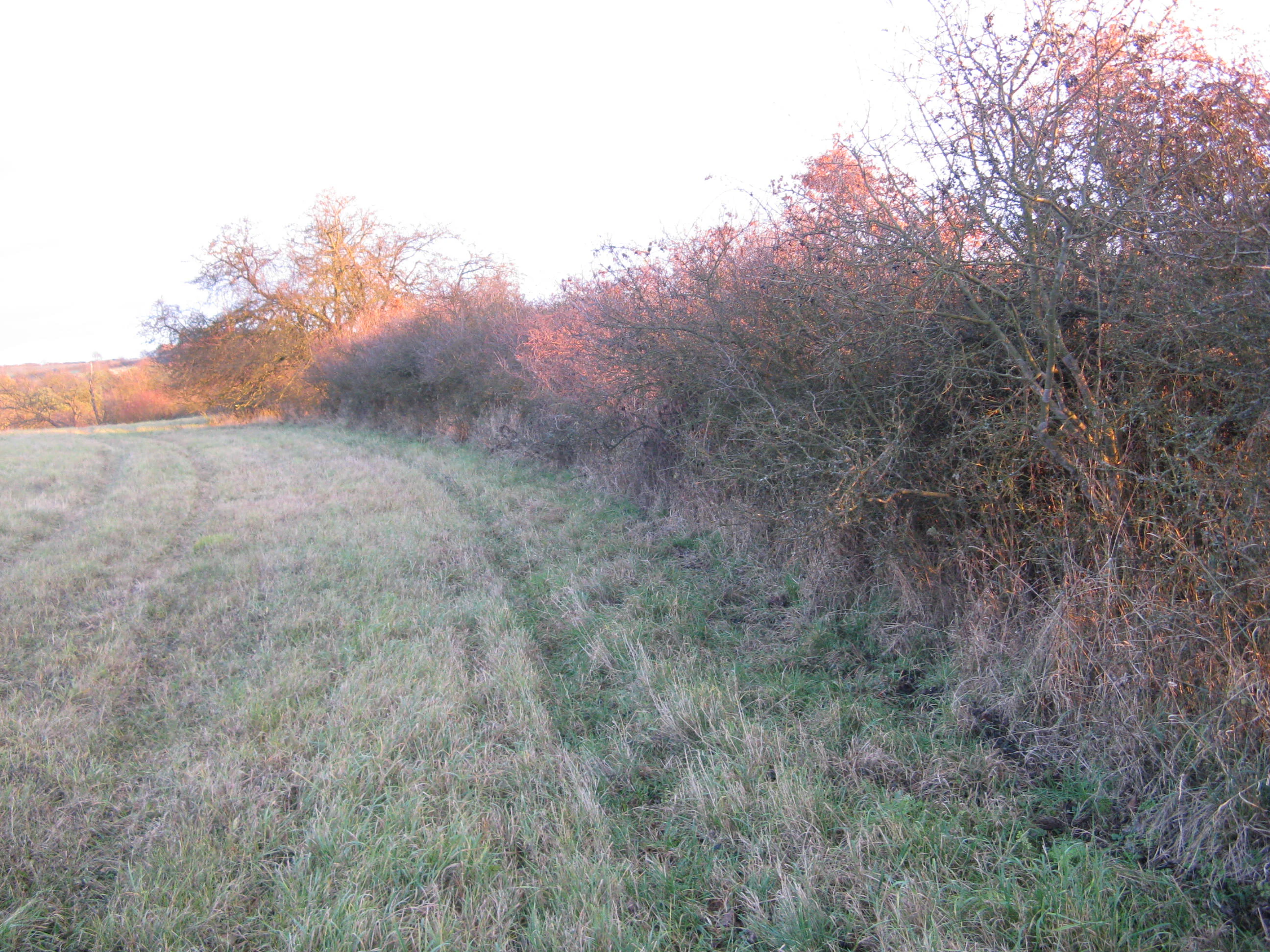
The landscape of Na Oboře is shaped by four small, non-contiguous parcels of south-facing slope, each broken into grassy, shrubby, or mixed terrain. Two parcels are predominantly meadow-like in character, while the two extremes, the parcel closest to Horní Zimoř and the one farthest away, are more heavily overgrown with broadleaf trees and shrubs. Between the protected parcels, broadleaf forest, additional meadow habitats, and cultivated fields separate the protected units, creating a checkerboard pattern of semi-natural and managed land.
Geologically, three slopes are built from loess drifts, a wind-deposited sediment that gives these positions their characteristic soil profile. Within the loess, calcium carbonate forms irregular concretions and fine whitish vein-like pseudomycelia that can be observed in the soil. On the deeper loess, fertile Central European brown soils have developed.
The fourth slope, near Horní Zimoř, is different in character: medium-grained to coarse quartz sandstones appear in rock outcrops, embedded in a silty-clay matrix. This combination of loess slopes and sandstone exposures, all oriented to the south, gives the site a warm, edaphically dry, and visually varied character despite its very small size.
Na Oboře ecosystems, habitats, and plant life
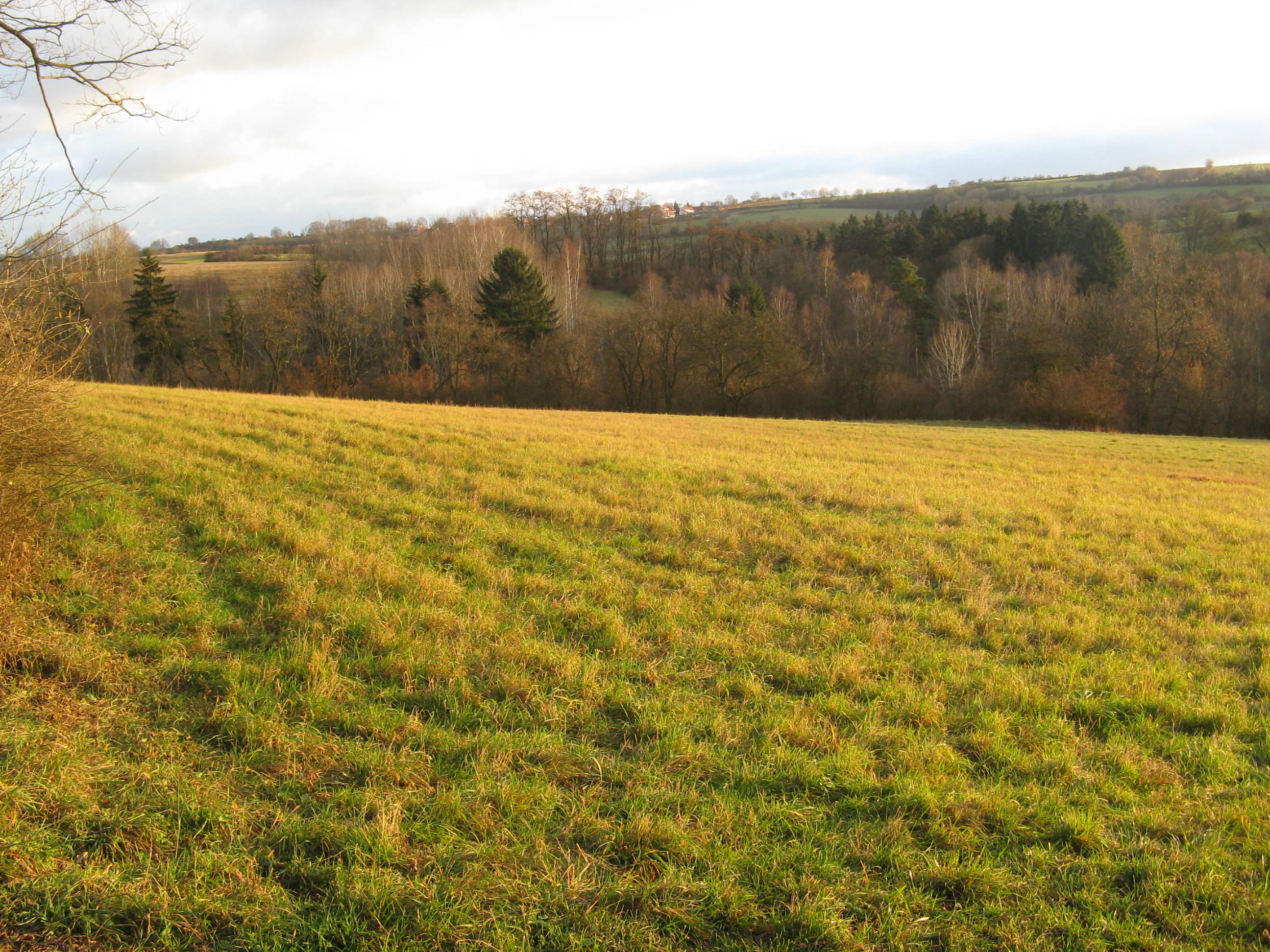
Na Oboře supports a mosaic of dry steppe grasslands, scattered shrub communities, and isolated broadleaf trees on a base of warm, mineral-rich loess. This habitat is unusual in Bohemia, where most lowland landscapes have been converted to intensive agriculture, and it forms the ecological backbone of the reserve.
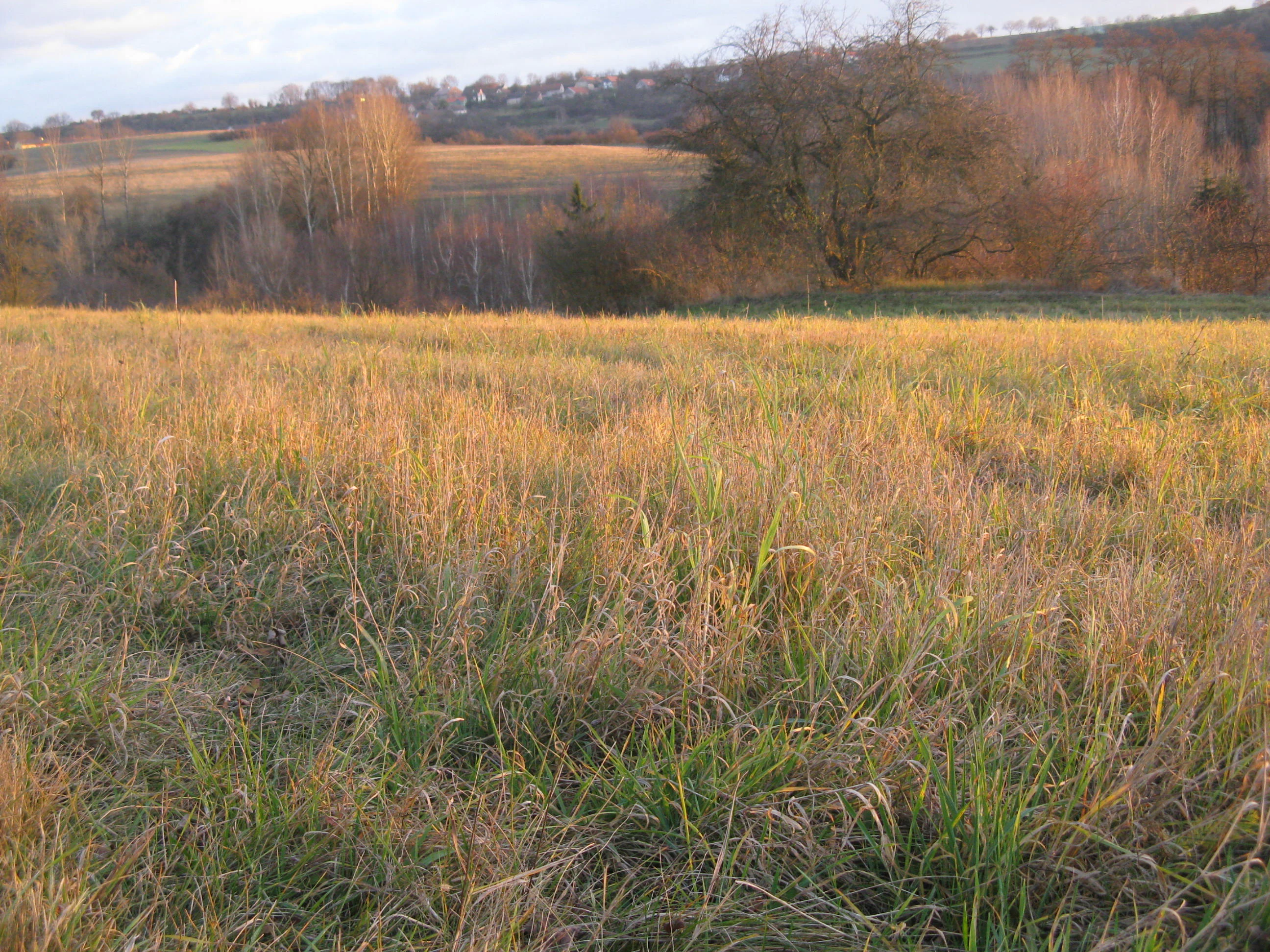
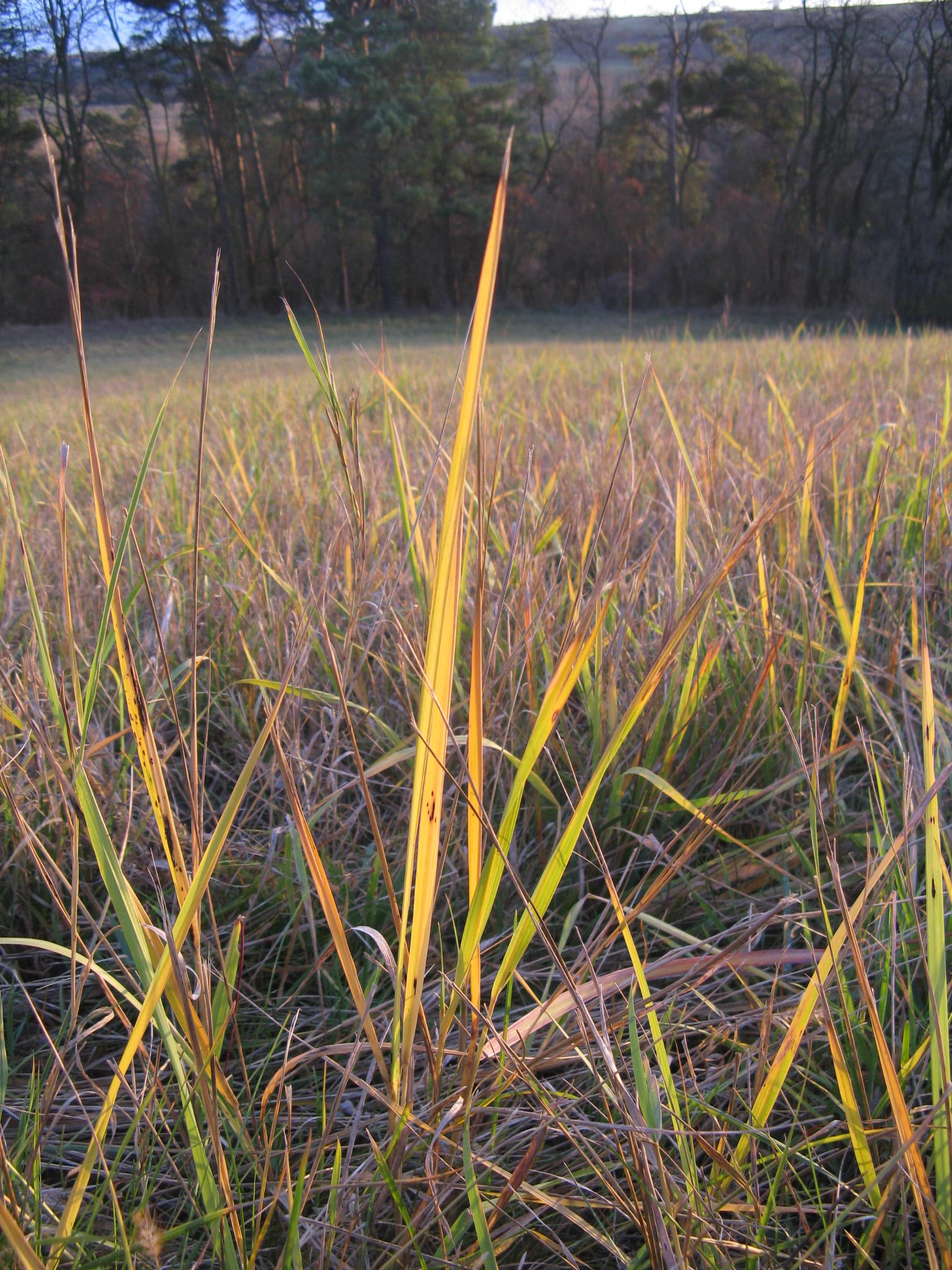
The steppe grassland is dominated by tor-grass (Brachypodium pinnatum) within the Scabioso ochrolencae, Brachypodium pinnatum community, accompanied by characteristic species such as yellow scabious, oregano, sheep's fescue, common agrimony, and willow-leaved inula. Scattered shrubs and small trees break the open sward, including blackthorn, domestic plum, common dogwood, black locust, field elm, hawthorn, and buckthorn, giving the slopes a heterogeneous, semi-open structure.
The site's mineral-rich substrate and warm exposure also support several protected plant species, notably the Bolognese bellflower (Campanula bononiensis), cross gentian (Gentiana cruciata), lesser butterfly orchid (Platanthera bifolia), and snowdrop anemone (Anemone sylvestris). The rare parasitic plant yellow broomrape (Orobanche lutea), which feeds on legumes, is also recorded here, adding to the site's botanical significance.
Na Oboře wildlife and species highlights
Faunal interest at Na Oboře centers on the xerothermic insects and reptiles that depend on the warm, dry slopes. The most prominent species is Rebel's blue (Maculinea rebeli), a critically endangered butterfly whose larvae first develop inside the buds of cross gentian before being adopted into the nests of ground ants, where they consume ant larvae. In Bohemia this butterfly is exceptionally rare, and Na Oboře is one of only a handful of natural sites where it still occurs.
Two swallowtail butterflies are also present: the scarce swallowtail, whose caterpillars feed on rosaceous shrubs such as plum, blackthorn, and hawthorn, and the southern festoon, which lives on plants of the carrot family. The dry slopes also host the small oil beetle Meloe rugosus, the smallest of its family in the Czech Republic, which is considered endangered nationally because of its complex life cycle and the toxic alkaloid cantharidin it secretes when threatened. Additional recorded invertebrates include the leaf beetle Cryptocephalus hypochoeridis and the hill cicada Cicadetta montana, while the smooth snake (Coronella austriaca) has been documented as part of the site's reptile fauna.
Together, these species illustrate how the reserve's steppe-like microclimate supports a community of warmth-loving animals that are otherwise absent or in steep decline across the surrounding intensively farmed landscape.
Na Oboře conservation status and protection priorities
From a conservation standpoint, Na Oboře is significant because it protects one of the very few remaining fragments of xerothermic steppe grassland in the Bohemian lowlands. Such habitats have been almost entirely eliminated elsewhere by agricultural intensification, leaving only isolated relicts like these south-facing slopes. The reserve's flora and fauna, including rare plants and the critically endangered Rebel's blue butterfly, represent a regional biodiversity resource of considerable importance.
The main threats to the site are ecological rather than industrial. Centuries of grazing, terracing, and tree planting have enriched the loess soils with nitrogen, favoring nitrophilous plants such as stinging nettle and cleavers. After abandonment, encroachment by aggressive native and non-native species, including bush grass (Calamagrostis epigejos), reed canary grass, and common reed, has gradually suppressed the original species-rich vegetation.
Active conservation management by the Kokořínsko Protected Landscape Area administration is therefore central to the site's future. The program focuses on regular mowing of the grassland parcels each year on a rotating basis, occasional removal of vegetation down to bare soil, and the periodic reduction of invasive black locust, all intended to maintain the disturbed, open conditions that the protected flora and fauna require.
Na Oboře cultural meaning and human context
Although Na Oboře is valued primarily for its natural heritage, the surrounding landscape carries the imprint of long-standing human land use. The gentle valley slopes on which the protected parcels sit were historically used for grazing livestock, carved into small terraced cultivation plots, and planted with fruit trees, a traditional pattern of low-intensity land management that helped shape the present mosaic of meadows, shrubs, and forest.
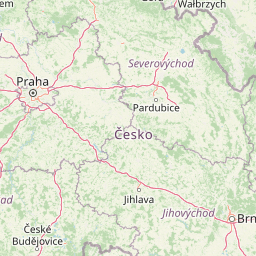
The site's setting in the Kokořínsko region also connects it to a broader Bohemian cultural landscape of sandstone formations, forested valleys, and small rural settlements. The protected area sits close to the hamlet of Chodeč and the locality of Horní Zimoř, communities whose traditional agricultural practices both shaped and now compete with the natural monument's conservation goals.
Top sights and standout views in Na Oboře
A miniature natural monument with an outsized ecological footprint: four south-facing slopes of steppe grassland, gathered together as one of the few surviving refuges for xerothermic flora and fauna in the Bohemian lowlands. Its loess soils, sandstone outcrops, and warm exposure make it a hotspot for rare plants such as cross gentian, Bolognese bellflower, and lesser butterfly orchid, and for the critically endangered Rebel's blue butterfly.
Best time to visit Na Oboře
As a small steppe-grassland reserve, Na Oboře depends on the seasons for the visibility of its characteristic flora and fauna. In late spring and early summer, dry grassland species come into flower and many of the protected plants can be observed; this is also the period when the thermophilic butterfly fauna, including swallowtails and hill cicadas, becomes most active. Woodcutting beetles and oil beetles appear mainly in early spring and late autumn.
Visitors interested in the open, sun-exposed character of the slopes will generally find the warmer months more rewarding, when the steppe vegetation is most visible and the management mowing, typically carried out each year on a rotating basis, has not yet altered the sward. Winter visits can also be worthwhile for a clear view of the landscape structure, with the bare slopes and shrub outlines revealing the mosaic of protected parcels and surrounding forest.