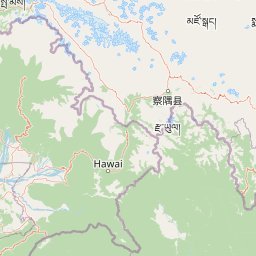
Why Namdapha National Park stands out
Namdapha is best known for its extraordinary biodiversity and the remarkable climatic extremes it encompasses within a single protected area. The park harbors the northernmost lowland evergreen rainforests in the world, a distinction that makes it globally significant for tropical rainforest conservation at unusually high latitudes. It is one of only a few places on Earth where four pantherine species coexist: the tiger, leopard, snow leopard, and clouded leopard. The park is also the sole known habitat of the critically endangered Namdapha flying squirrel, which has not been recorded since 1981. With approximately 425 bird species including six hornbill varieties, and exceptional Lepidoptera diversity featuring rare butterflies such as the koh-i-noor and East Himalayan purple emperor, Namdapha represents an irreplaceable repository of Himalayan biodiversity.
Namdapha National Park history and protected-area timeline
Namdapha's protected area status evolved through several formal designations reflecting growing recognition of its ecological significance. The area was first declared a wildlife sanctuary in 1972, establishing initial legal protection for its rich biodiversity. In 1983, the sanctuary was upgraded to national park status, providing stronger conservation safeguards for the area's unique ecosystems. In the same year, Namdapha was included in India's Project Tiger initiative, becoming a designated tiger reserve and gaining additional resources for wildlife protection and management. The park's name originates from the Singpho language, spoken by local indigenous communities in the region, combining the words 'nam' meaning water and 'dapha' meaning origin, reflecting the area's significance as a watershed. In 2024, the park was declared an Eco-Sensitive Zone, adding another layer of environmental protection that regulates activities in surrounding areas to minimize human impact on the protected ecosystem. The park is governed jointly by the Government of Arunachal Pradesh and the Government of India, reflecting the joint responsibility for managing this nationally significant conservation area.
Namdapha National Park landscape and geographic character
The physical landscape of Namdapha National Park is characterized by dramatic topographical complexity resulting from its position between two major mountain ranges. The Dapha Bum range of the Mishmi Hills forms the northern boundary, while the Patkai range defines the southern margin of the park, creating a mountainous corridor that funnels ecological influences between the Himalayan and Indo-Burman biogeographic regions. The park encompasses elevations ranging from 200 meters in the valley floors to 4,571 meters at the highest peaks, representing one of the most extreme elevation ranges within any single protected area in India. The terrain features steep ridges, deep valleys, and cascading streams that have carved distinctive landforms throughout the park. The Noa Dihing River serves as the principal drainage feature, flowing eastward to westward across the park and providing crucial water resources for both wildlife and local communities. Above 2,700 meters, seasonal snow occurs between December and March, adding a winter dimension to the high-altitude landscape that influences both vegetation patterns and wildlife behavior.
Namdapha National Park ecosystems, habitats, and plant life
The ecological character of Namdapha is defined by its extraordinary range of habitats and the exceptional biodiversity they support. As part of the Mizoram-Manipur-Kachin rain forests ecoregion, the park contains extensive dipterocarp forests that represent the northwestern extent of this tropical biome. The vegetation gradient with increasing elevation creates distinct zones: tropical evergreen forest dominates the lower reaches, giving way to moist deciduous forests, then to temperate broadleaf and mixed forests, and finally to coniferous forests and alpine vegetation at the highest elevations. Secondary forests cover approximately 345 square kilometers of the park, representing areas that have regenerated following past disturbance. The floristic diversity is remarkable, with 1,119 documented species including 215 families and 639 genera. Notable botanical rarities include Sapria himalayana and Balanophora species, both root parasites related to the famous Rafflesia, discovered within the park's boundaries. The park's position at 27°N latitude makes it the northernmost location on Earth where true lowland evergreen rainforest occurs, a botanical phenomenon of global significance.
Namdapha National Park wildlife and species highlights
Namdapha supports an exceptional concentration of wildlife, with approximately 1,400 faunal species documented within its boundaries. The mammal fauna is particularly notable for the coexistence of four large felids: tiger, leopard, snow leopard, and clouded leopard, a circumstance found in very few protected areas worldwide. The park is also the sole known habitat of the critically endangered Namdapha flying squirrel, discovered and described from Namdapha and not recorded since 1981. Other significant mammals include the red panda, Indian elephant, gaur, takin, bharal, and various primate species including the hoolock gibbon and capped langur. The bird fauna numbers approximately 425 species, with six hornbill species recorded, including the rare rufous-necked hornbill. The park supports restricted-range species such as the snowythroated babbler, known only from the Patkai and Mishmi Hills. The Lepidoptera diversity is exceptional, with numerous rare butterfly species including the koh-i-noor, naga treebrown, red caliph, and East Himalayan purple emperor documented during surveys.
Namdapha National Park conservation status and protection priorities
Namdapha National Park represents a conservation priority of national and international significance, designated both as a national park under India's protected area system and as a tiger reserve under Project Tiger. The declaration as an Eco-Sensitive Zone in 2024 further strengthens protection by regulating development activities in surrounding buffer areas. The park's global significance stems from its role as a biodiversity hotspot within the Eastern Himalayas, supporting species found nowhere else on Earth including the critically endangered Namdapha flying squirrel. The northernmost lowland rainforest ecosystem protected within the park constitutes a unique conservation resource, representing the extreme latitude limit of tropical rainforest formation. The presence of multiple threatened species including snow leopard, tiger, clouded leopard, and white-bellied heron adds to the conservation imperative. The park's position along an international border creates both challenges and opportunities for transboundary conservation coordination with Myanmar.
Namdapha National Park cultural meaning and human context
The cultural context of Namdapha is intimately tied to the indigenous communities of Arunachal Pradesh, particularly the Singpho people whose language gave the park its name. The Singpho term 'Namdapha,' combining 'nam' (water) and 'dapha' (origin), reflects the traditional understanding of the area as an important watershed. The local communities have historically inhabited and interacted with the landscape surrounding the protected area, maintaining traditional land use practices that have shaped the region's character. The park's location near the international border with Myanmar also situates it within a broader context of cross-border cultural connections and ecological relationships that transcend political boundaries. The nearest settlement of note is Miao, which serves as a gateway community for park access and visitor services.
Top sights and standout views in Namdapha National Park
Namdapha National Park offers a unique combination of features that distinguish it among India's protected areas. The park contains the world's northernmost lowland evergreen rainforest, a botanical phenomenon of global significance. Its elevation range from 200 to 4,571 meters supports an unprecedented diversity of ecosystems within a single protected area, from tropical rainforests to alpine meadows. The coexistence of four pantherine species, including the snow leopard in high-altitude terrain and the clouded leopard in lower forests, makes Namdapha exceptional among global protected areas. The critically endangered Namdapha flying squirrel is known only from this park. With approximately 425 bird species including six hornbill varieties and numerous restricted-range species, the park is a premier birdwatching destination. The exceptional Lepidoptera diversity, featuring species like the koh-i-noor butterfly, adds another dimension to the park's biodiversity significance.
Best time to visit Namdapha National Park
The optimal visit period for Namdapha National Park spans from October to April, when weather conditions are most favorable for exploration and wildlife observation. The post-monsoon season from October through November offers clear skies, comfortable temperatures, and good visibility for trekking and wildlife viewing as the forest canopy becomes less dense. The winter months from December to February provide opportunities to observe species adapted to colder conditions, including potential snow leopard sightings at higher elevations where seasonal snow creates distinctive scenery. March and April bring warmer temperatures and the beginning of the breeding season, when bird activity increases and flowers begin to bloom across the different elevation zones. The monsoon season from June to September brings heavy rainfall that makes many trails impassable and increases the risk of landslides, generally making this period less suitable for park visits. Visitors should note that access to higher elevation areas may be restricted during the winter months due to snow conditions.