Why Nangal Wildlife Sanctuary stands out
Nangal Wildlife Sanctuary is best known as a waterbird sanctuary on the Sutlej River, supporting a rich community of resident and migratory birds within the Shivalik foothills. Although it is small in area compared with many Indian protected sites, its position on a major man-made reservoir gives it outsized importance for birdwatching and freshwater ecology. The sanctuary is also recognized for sustaining threatened species such as the Indian pangolin and the Egyptian vulture inside a small, human-adjacent landscape. Its combination of reservoir-fed habitat, riverine setting, and foothill location creates a distinctive ecological niche in Punjab's otherwise intensively used terrain.
Nangal Wildlife Sanctuary history and protected-area timeline
The hydrological foundation of Nangal Wildlife Sanctuary dates to 1961, when a section of the Sutlej River was impounded as part of the Bhakra-Nangal Project. This large-scale infrastructure initiative transformed the river into a reservoir and reshaped the surrounding Shivalik landscape, laying the groundwork for what would later become an ecologically significant wetland.
The area was formally granted protected status as a wildlife sanctuary in 2009, allowing the state forest and wildlife administration to manage the wetland for habitat and species conservation. The sanctuary's small footprint reflects a deliberate focus on the most ecologically valuable portion of the larger Nangal Wetland rather than an attempt to enclose the entire reservoir.
In 2019, the sanctuary was designated as a Ramsar site (Site No. 2407) under the international Ramsar Convention, formally recognizing its importance for migratory waterbirds and freshwater ecosystems. This international recognition coincided with growing concerns about encroachment, pollution, and habitat degradation within and around the sanctuary, which have shaped subsequent conservation discussions and recommendations from ecologists.
Nangal Wildlife Sanctuary landscape and geographic character
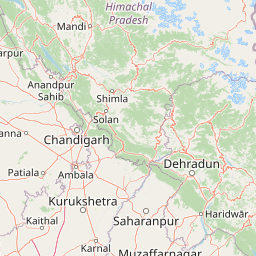
The landscape of Nangal Wildlife Sanctuary is defined by water and by the surrounding foothill country of the Shivalik Hills. The reserve occupies a portion of a man-made reservoir on the Sutlej River, bordered by low Shivalik ridges that descend toward the plains. The result is a transitional environment where reservoir shoreline, riparian vegetation, and the lower hill slopes come together in a relatively confined area.
The dam itself is a defining feature of the scenery. The Nangal Dam and its associated infrastructure sit adjacent to the sanctuary, giving the site a distinctive engineering-meets-ecology character. The reservoir creates the open water, shallow margins, and seasonal fluctuations that drive the wetland's ecological rhythms, while the nearby Shivalik slopes provide terrestrial context and additional habitat variety.
Throughout the sanctuary, the terrain is gently varied rather than dramatic. Wetland margins, reed beds, riparian growth, and pockets of scrubby vegetation border the water, and the wider horizon is dominated by the broad reservoir surface framed by the Shivalik foothills. The setting makes the reserve visually distinctive within Punjab, even though its scale is modest.
Nangal Wildlife Sanctuary ecosystems, habitats, and plant life
Nangal Wildlife Sanctuary is fundamentally a freshwater wetland reserve, with its ecological identity tied to the reservoir, the Sutlej River, and the surrounding Shivalik terrain. The wetland supports a layered ecosystem of open water, shoreline shallows, emergent vegetation, reed beds, and fringing terrestrial habitats, all compressed into about 116 hectares.
The refuge supports more than 150 bird species, around 35 fish species, and a broader community of mammals, amphibians, and reptiles. The mix of resident and migratory species allows the sanctuary to function as both a year-round habitat and a seasonal refuge, with winter migrants in particular reshaping the wetland's activity and ecological demands.
Because the reserve sits within a reservoir modified for hydropower and irrigation, the natural rhythms of the wetland are intertwined with human water management. Seasonal water levels, reservoir operations, and runoff from the wider catchment all influence habitat conditions inside the sanctuary, making the ecological story of Nangal one of a wetland that persists and thrives despite significant human influence.
Nangal Wildlife Sanctuary wildlife and species highlights
Wildlife is the centerpiece of Nangal Wildlife Sanctuary's identity, with birdlife driving both its protected status and its appeal. The sanctuary's 150-plus bird species include resident waterbirds, waders, and a significant influx of migratory species during the cooler months. The combination of open water, shallow margins, and adjacent scrub creates attractive feeding and roosting conditions for many waterbirds.
Among the more notable fauna, the Indian pangolin stands out as a threatened mammal whose presence underscores the sanctuary's role beyond waterbirds. Reptiles, amphibians, and mammals more broadly find habitat in the riparian and fringing vegetation around the reservoir, while the fish community anchors the aquatic food web.
The Egyptian vulture, recorded in the sanctuary, reinforces the site's broader conservation significance for raptors and scavenging birds, in addition to its waterbird profile. Together, this mix of species gives the sanctuary a wildlife character that is regionally important even if the area itself is small, and it makes Nangal a recognizable name among birdwatchers and freshwater ecologists in Punjab.
Nangal Wildlife Sanctuary conservation status and protection priorities
Nangal Wildlife Sanctuary plays an outsized conservation role for a site of its size, sitting at the intersection of local habitat protection and international wetland recognition. Its 2019 designation as a Ramsar site (Site No. 2407) confirmed its importance for migratory waterbirds and placed it within the global framework for wetland conservation.
The sanctuary is administered by the Department of Forest and Wildlife of Punjab and is classified as an IUCN Category IV protected area, emphasizing habitat and species management over strict wilderness preservation. This fits its setting: a working reservoir and dam landscape where the conservation goal is to maintain ecological function rather than to wall off a pristine environment.
At the same time, the sanctuary remains under pressure. Encroachment, pollution, habitat degradation, and limited public awareness all affect the wetland, and ecologists have called for stronger restoration and management to safeguard its bird and fish populations. The site's conservation narrative is therefore one of recognized value, active management, and ongoing vulnerability.
Nangal Wildlife Sanctuary cultural meaning and human context
Nangal Wildlife Sanctuary is closely tied to the modern engineering and development history of the region. The reservoir that defines the sanctuary was created in 1961 as part of the Bhakra-Nangal Project, a centerpiece of post-independence infrastructure in northern India. The town of Nangal itself grew around the dam and its associated industries, with the sanctuary now sitting immediately adjacent to both the dam and the urban area.
This setting gives the sanctuary a distinctive cultural footprint: it is a protected natural area embedded within a landscape shaped by water engineering, industrial development, and human settlement. Local communities have long interacted with the Sutlej and the reservoir, and the sanctuary's future is closely linked to how those relationships continue to evolve.
Top sights and standout views in Nangal Wildlife Sanctuary
Nangal Wildlife Sanctuary stands out for combining three qualities that are rarely found together: a Ramsar-recognized wetland, a major man-made reservoir, and a tight urban-forest interface on the edge of the Shivalik Hills. Within just 116 hectares, it supports 150-plus bird species, around 35 fish species, and threatened species such as the Indian pangolin and the Egyptian vulture.
The sanctuary's accessibility from the town of Nangal and its proximity to the Nangal Dam make it an unusual example of a small but internationally recognized wetland reserve in a heavily engineered river landscape. For birdwatchers, ecologists, and conservation planners, it offers a compact but rich case study in how biodiversity can persist alongside major water infrastructure.
Best time to visit Nangal Wildlife Sanctuary
The cooler months are widely regarded as the most rewarding time to experience Nangal Wildlife Sanctuary, when migratory waterbirds arrive from beyond the subcontinent and the reservoir margins fill with seasonal activity. Winter typically brings the richest birdwatching conditions, as cooler temperatures concentrate waterfowl, waders, and raptors around the open water and shallow zones of the wetland.
Outside of the winter season, the sanctuary retains year-round interest through its resident birds, fish, and other wildlife, but the density and variety of sightings are generally highest in the cooler half of the year. Visitors interested in migratory waterbirds and the fullest expression of the wetland's biodiversity will find winter the most rewarding window.