Why Noosa National Park stands out
Noosa National Park is best known for its spectacular coastal headland trails that provide sweeping views of the Pacific Ocean and the Sunshine Coast shoreline. The park's most famous feature is the walking track to Hell's Gate, which is reported to be the most traversed trail in Queensland, drawing hikers from across Australia and internationally. The park's unique combination of coastal and subtropical ecosystems distinguishes it from other Australian national parks, with visitors frequently highlighting the contrast between the rainforest-covered headlands and the exposed coastal heaths. The area is particularly renowned for koala sightings within the eucalypt forest sections, and the headlands serve as a popular vantage point for observing migrating humpback whales during the winter months. The Peregian Section's spring wildflower displays, featuring the rare swamp orchid and Christmas bells, draw botanical enthusiasts, while the various beaches offer excellent surfing and swimming opportunities in a more remote setting than the nearby developed coastline.
Noosa National Park history and protected-area timeline
The land that now comprises Noosa National Park has ancient origins, with the parabolic high dunes formed during the Pleistocene era and sandplains continuously developing through the Quaternary period. The area around Hell's Gate represents particularly old geology, with sandstone cliffs forming coves approximately 190 million years ago. Human protection of this landscape began in 1879 when early settlers at Noosa Heads established a reserve to protect the area's natural values. This reserve formally transitioned to national park status in 1939, making it one of Queensland's older protected areas. The mid-twentieth century brought significant development pressure to the Sunshine Coast region, prompting local conservationists to organize in defense of the park. The Noosa Parks Association was formed in the 1960s specifically to advocate for protection of this coastal wilderness area against expanding urban development. This community advocacy proved crucial in preserving the park's integrity. A formal management plan for the park was released in October 1999, providing strategic direction for conservation and visitor management. The park's boundaries were expanded in 2003 with the addition of 300 hectares at Coolum, further securing important coastal habitat in the region.
Noosa National Park landscape and geographic character
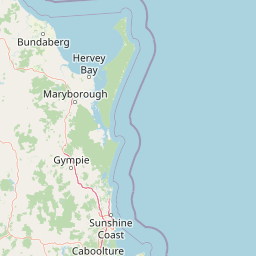
Noosa National Park presents a dramatic coastal landscape characterized by headlands, beaches, and vegetated dunes that contrast sharply with the urban development immediately adjacent to its boundaries. The park's terrain rises to 147 meters at Noosa Hill, the highest point, from which visitors can enjoy panoramic views extending along the coastline and inland toward the hinterland. The Headland Section features steep coastal cliffs and rocky headlands that project into the Pacific Ocean, interspersed with accessible beaches suitable for swimming despite the absence of lifeguard patrols. Alexandria Bay at the southern end of the park is known for strong currents, and its southern portion operates as an unofficial clothing-optional beach. The landscape includes pockets of subtropical rainforest in the more sheltered gullies and valleys, where hoop and kauri pines dominate the canopy. Open eucalypt forest covers much of the higher ground, while extensive wallum heaths occupy the sandy areas closer to the coast. Pandanus palms are scattered throughout the wetland margins, particularly around Lake Weyba in the southern section of the park. The Emu Mountain Section provides more elevated terrain with different topographic character, while the East Weyba Section encompasses the shallow waters and surrounding wetlands of Lake Weyba.
Noosa National Park ecosystems, habitats, and plant life
The ecological diversity of Noosa National Park reflects its position at the transition between tropical and subtropical climatic zones along the Queensland coast. The Headland Section contains the most botanically significant areas, with pockets of subtropical rainforest supporting hoop and kauri pines as canopy dominants. These rainforest fragments exist in sharp contrast to the surrounding open eucalypt forest and the coastal wallum heaths that characterize large portions of the park. The Peregian Section is renowned for its spring wildflower displays, with the rare swamp orchid and Christmas bells representing particularly notable botanical treasures. The park's vegetation communities also include grasslands and areas dominated by pandanus palms in wetland settings. This mosaic of habitats supports considerable biodiversity, with the combination of coastal, forest, and wetland environments creating conditions for numerous species to thrive. The park's location along the coast also positions it as an important corridor for migratory species moving along the eastern Australian coastline.
Noosa National Park wildlife and species highlights
Noosa National Park supports diverse wildlife populations across its range of habitats, with particular significance attached to the koala population that inhabits the eucalypt forest areas. The park provides habitat for several marsupial species including the short-nosed bandicoot, common ringtail possum, and brushtail possum, which occupy the forest and heathland environments. Birdlife is particularly diverse, with species such as the eastern ground parrot, glossy black cockatoo, eastern yellow robin, rufous fantail, satin bowerbird, and crimson rosella all found within the park's forests. The endangered red goshawk has been recorded in the park, representing a significant conservation finding for this raptorial species. The coastal headlands serve as a seasonally important location for observing migrating humpback whales as they move along the coast during winter months, providing visitors with wildlife viewing opportunities that extend beyond the terrestrial fauna. The park's beaches and nearshore waters support marine life important to the overall ecological character of the protected area.
Noosa National Park conservation status and protection priorities
Noosa National Park represents an important conservation asset for Queensland and Australia, preserving coastal ecosystems that have faced significant development pressure throughout the Sunshine Coast region. The park protects remnant vegetation communities including subtropical rainforest, eucalypt forest, wallum heaths, and wetlands that would otherwise have been extensively cleared for urban development. The presence of rare plant species such as the swamp orchid within the park's boundaries indicates the conservation significance of the remaining habitat. The endangered red goshawk population demonstrates the park's value as habitat for threatened species, providing protected territory for species that require intact forest environments for breeding and foraging. The park's management focuses on balancing visitor access with conservation objectives, restricting camping to minimize environmental impact while allowing sustainable day-use recreation. The 2003 expansion to include additional land at Coolum reflects ongoing commitment to securing connected habitat corridors and protecting additional coastal ecosystems within the national park framework.
Noosa National Park cultural meaning and human context
While Noosa National Park is primarily valued for its natural landscapes and ecological significance, the area has historical roots in European settlement patterns dating to the late nineteenth century. The establishment of a reserve in 1879 by early settlers demonstrates early recognition of the area's special character and the desire to preserve it from exploitation. The subsequent formation of the Noosa Parks Association in the 1960s reflects the continuing community connection to this landscape and the desire to protect it for future generations. The park sits within the traditional territory of the Gubbi Gubbi people, who are the Aboriginal custodians of the Sunshine Coast region, though the Wikipedia source provides limited detail about indigenous cultural connections to the specific park area. The proximity of the park to the developed town centers of Noosa Heads and Sunshine Beach creates an unusual situation where a national park exists essentially within an urban matrix, making it particularly accessible to residents and visitors while also presenting management challenges related to visitor pressure and boundary interactions with private land.
Top sights and standout views in Noosa National Park
Noosa National Park's most celebrated feature is its coastal headland trail system, particularly the track to Hell's Gate, which is Queensland's most frequently hiked trail. The park offers exceptional diversity within a relatively compact area, with visitors able to experience subtropical rainforest, eucalypt forest, coastal heaths, and wetland environments within a single visit. The opportunity to observe koalas in their natural habitat draws significant visitor interest, as does the seasonal whale watching from the headlands during winter migration. The Peregian Section's spring wildflower displays provide botanical interest, while the various beaches offer traditional coastal recreation including swimming, surfing, and snorkeling. The park's accessibility from Brisbane and the Sunshine Coast, combined with its prohibition of camping, creates a day-visit focus that distinguishes it from more remote wilderness parks. The contrast between the natural landscapes and the immediate urban development creates a striking visual boundary that emphasizes both the value of preservation and the pressures facing coastal environments.
Best time to visit Noosa National Park
The best time to visit Noosa National Park depends on the specific experiences visitors seek, though the cooler winter months from May through September typically offer the most comfortable conditions for hiking and outdoor activity. Winter also coincides with the humpback whale migration along the coast, making this an ideal season for visitors interested in observing these marine mammals from the headland vantage points. Spring from September to November brings the wildflower displays in the Peregian Section, with the rare swamp orchid and Christmas bells in bloom, though this period may coincide with warmer temperatures as summer approaches. Summer months from December through February can be hot and humid, though early morning or late afternoon visits allow visitors to avoid the peak heat while still enjoying the beaches and coastal trails. The park is accessible year-round and remains popular throughout all seasons, though visitors seeking solitude should consider weekdays or early mornings to avoid the crowds that gather especially on the popular headland trails.