

Mori Atlas logo
National parkNorth and South Marine Parks

Mapping the protected marine geography and natural context of this Bahamian national park.

North and South Marine Parks National Park: Geographic Atlas and Protected Landscape Identity in the Bahamas

North and South Marine Parks, a designated national park within the Bahamas, represents a critical protected marine landscape. Situated within the archipelago's unique island geography, this area offers vital context for understanding the protected territories across the region. Explore its geographic extent and its role as a key protected area within the broader atlas of the Bahamas.

marine protected areasbarrier reefcoral ecosystemsBahamas national parksAndros IslandCaribbean marine parks

North and South Marine Parks

National park

Park overview

Structured park overview, official facts, and landscape profile for North and South Marine Parks

North and South Marine Parks park facts, protected area profile, and essential visitor context
Review the core facts for North and South Marine Parks, including designation, size, terrain, visitor scale, habitats, and operating context in one park-focused overview.

About North and South Marine Parks

The North and South Marine Parks form a continuous protected marine corridor along the eastern side of Andros Island, representing the Bahamas' commitment to preserving its marine biodiversity. These parks were designated in 2002 as part of a broader national strategy to conserve critical reef habitats and the ecosystems they support. The area encompasses both nearshore and offshore marine environments, with the barrier reef acting as a natural breakwater that influences coastal processes and marine habitat distribution. The Bahamas National Trust serves as the governing body responsible for managing these protected areas, implementing conservation programs and monitoring activities that maintain the ecological integrity of the reef system. The parks' location relative to Nassau makes them accessible for both research purposes and recreational activities that depend on healthy marine environments.

Quick facts and research context for North and South Marine Parks

The North and South Marine Parks are located east of Andros Island in the Bahamas, with the nearest city being Nassau. The parks were established in 2002 and cover an area of 5,000 acres (20 square kilometers). They are managed by the Bahamas National Trust and protect a barrier reef system with associated coral communities. The parks hold IUCN category II protected area status, the same classification used for terrestrial national parks worldwide.

Park context

Deeper park guide and search-rich context for North and South Marine Parks

North and South Marine Parks history, landscape, wildlife, and travel context
Explore North and South Marine Parks through its history, landscape character, ecosystems, wildlife, conservation priorities, cultural context, and seasonal travel timing in a structured park guide built for atlas discovery and search intent.

Why North and South Marine Parks stands out

The North and South Marine Parks are best known for their barrier reef, which ranks among the significant reef systems in the Bahamas. The protected area encompasses coral formations that support diverse marine life, including numerous fish species, invertebrates, and other ocean organisms. The reef's proximity to Andros Island creates a distinctive coastal-marine interface where island ecosystems meet oceanic environments.

North and South Marine Parks history and protected-area timeline

The North and South Marine Parks were established in 2002 through a collaborative effort between the Bahamas government and the Bahamas National Trust, the nonprofit organization responsible for managing the nation's protected areas. This designation came during a period when the Bahamas was expanding its marine protected area network, recognizing the economic and ecological importance of healthy reef systems to the island nation's wellbeing. The 2002 establishment date places these parks among the more recent additions to the Bahamas' national park system, reflecting a modern approach to marine conservation that incorporates ecosystem-based management principles. The Bahamas National Trust, founded in 1959, has overseen the management of numerous protected areas across the archipelago, bringing established conservation expertise to the governance of these marine parks.

North and South Marine Parks landscape and geographic character

The North and South Marine Parks protect a marine landscape defined by the barrier reef that runs along Andros Island's eastern coastline. This reef system creates a distinctive visual and ecological boundary between the shallow nearshore waters and the deeper Atlantic Ocean beyond. The underwater terrain features coral formations that have developed over thousands of years, creating complex three-dimensional structures that support intricate marine communities. Nearshore areas include seagrass meadows and sandy bottom habitats that transition into the reef crest and fore-reef zones. The interaction between Andros Island's coastal zone and the marine park boundaries creates a landscape where terrestrial and marine environments meet, with mangrove systems along the island's coast providing additional habitat complexity.

North and South Marine Parks ecosystems, habitats, and plant life

The nature of the North and South Marine Parks centers on coral reef ecosystems that represent some of the most biodiverse marine environments in the Bahamas. The barrier reef supports coral communities that provide habitat, feeding grounds, and spawning areas for countless marine species. These coral formations include various coral species adapted to the warm, clear waters of the tropical Atlantic. Beyond the coral structures themselves, the park encompasses the broader marine environment including the water column, seafloor habitats, and the ecological processes that connect reef organisms to wider oceanic systems. The health of these reef ecosystems depends on water quality, temperature stability, and the absence of destructive fishing or development pressures that the protected area status helps to mitigate.

North and South Marine Parks wildlife and species highlights

The wildlife within the North and South Marine Parks is associated primarily with the coral reef ecosystem that forms the parks' central feature. Coral reefs are renowned for their biological diversity, and this protected area supports numerous fish species that rely on reef habitats for survival. The reef environment provides shelter for juvenile fish, feeding grounds for larger predators, and breeding sites for species that depend on reef structures for reproduction. Invertebrates including various crustaceans, mollusks, and echinoderms also inhabit the reef system, contributing to the overall biodiversity. While the source material notes only that the parks contain wildlife associated with the barrier reef without specifying particular species, the reef environment is understood to support the typical array of Caribbean marine life.

North and South Marine Parks conservation status and protection priorities

The conservation significance of the North and South Marine Parks derives from their protected status and the ecological value of the barrier reef they encompass. As IUCN category II protected areas, these parks receive formal recognition and management frameworks designed to preserve their natural state. The Bahamas National Trust's involvement ensures that conservation activities follow established protected area management practices. The barrier reef represents a critical habitat type that faces numerous threats in the Caribbean region, including coral bleaching, disease, physical damage, and water quality degradation. By designating these waters as national parks, the Bahamas has created legal protection that helps safeguard the reef from some of these pressures while enabling scientific monitoring and management interventions.

North and South Marine Parks cultural meaning and human context

The North and South Marine Parks are located adjacent to Andros Island, which holds cultural significance in the Bahamas as the largest island in the archipelago. Andros has a history tied to marine resources, with traditional livelihoods including fishing and maritime activities that have shaped the island's character. The marine parks exist within this broader cultural landscape, where coastal communities have maintained connections to the sea for generations. While the park designation creates formal protection, it operates within a context where human communities have long interacted with the marine environment. The proximity to Nassau also connects these parks to the broader Bahamian society and economy, as marine ecosystems contribute to the nation's identity and livelihoods.

Top sights and standout views in North and South Marine Parks

The primary highlight of the North and South Marine Parks is their barrier reef, one of the notable reef systems in the Bahamas. The protected status of these waters ensures that this reef ecosystem receives formal conservation protection through the national park framework. The parks offer a representation of Bahamian marine biodiversity in a protected setting, where coral communities and associated wildlife can persist with reduced pressure from development or resource extraction. The management oversight provided by the Bahamas National Trust connects these marine parks to the broader system of protected areas across the Bahamas.

Best time to visit North and South Marine Parks

The North and South Marine Parks can be visited year-round given the Bahamas' consistently warm tropical climate. The marine environment is accessible throughout the year, though conditions such as water temperature and visibility may vary seasonally. The summer months typically bring warmer water temperatures, while winter periods may offer slightly cooler conditions. Visitors interested in reef environments should consider that tropical marine parks generally provide the most consistent experiences during the dry season, which typically runs from late fall through spring.
Park location guide

Geography guide, regional context, and park location map for North and South Marine Parks

North and South Marine Parks park geography, regions, and map view in Bahamas
Understand where North and South Marine Parks sits in Bahamas through a broader geographic reading of the surrounding landscape, nearby location context, and its mapped position within the national park landscape.

How North and South Marine Parks fits into Bahamas

The Bahamas is an island nation in the Atlantic Ocean, forming part of the Lucayan Archipelago. It consists of more than 3,000 islands, cays and islets located north of Cuba, northwest of Hispaniola, and southeast of Florida. The country gained independence from Britain in 1973 and operates as a constitutional monarchy under King Charles III, with Nassau as its capital and largest city.

Wider geography shaping North and South Marine Parks in Bahamas

The Bahamas occupies the Lucayan Archipelago in the Atlantic Ocean. The island chain is positioned north of Cuba, northwest of Hispaniola (shared by the Dominican Republic and Haiti), southeast of the US state of Florida, and east of the Florida Keys. The territory spans over 3,000 islands, cays and islets, with the total land area being 13,943 km². The Royal Bahamas Defence Force claims approximately 470,000 km² of surrounding ocean space.

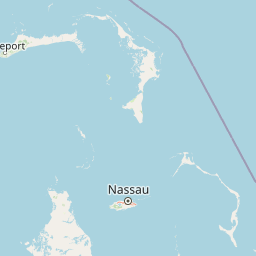
Map view of North and South Marine Parks

Use this park location map to pinpoint North and South Marine Parks in Bahamas, understand its exact geographic position, and read its mapped placement within the surrounding landscape more clearly.

Pigeon | © OpenStreetMap contributors

Location context for North and South Marine Parks

Andros
Park atlas

Browse the wider network of marine protected areas and island ecosystems surrounding Andros Island.

North and South Marine Parks: Discover Nearby National Parks and Protected Coastal Landscapes in The Bahamas
Extend your geographic exploration beyond North and South Marine Parks by browsing other national parks and protected areas across the surrounding Bahamian marine environment. Compare different protected landscapes and marine ecosystems, revealing the regional spread of conservation efforts and connecting various island and reef environments.
National parkAndros

Blue Holes National Park: A National Park for Detailed Geographic and Landscape Exploration

Explore mapped boundaries and regional terrain context.

Delve into the specifics of Blue Holes National Park, a designated national park offering rich opportunities for geographic discovery. This entry provides structured information focused on its protected landscape identity, mapped outlines, and its contribution to the regional geography of Andros, Bahamas. Understand the park's unique setting through detailed map context and atlas-driven insights.

Area
162 km²
Established
2002
IUCN
II
Relief
Mixed relief
National parkAndros

Crab Replenishment Reserve National Park: Explore Andros Protected Landscape Boundaries

Mapped geography and regional park context

Investigate Crab Replenishment Reserve National Park, a significant protected landscape located in the Andros region. This page provides detailed atlas-style information, focusing on the park's mapped boundaries and its specific geographic setting. Understand how this national park contributes to the regional protected area network and its overall landscape identity for atlas-driven exploration.

Area
16 km²
Established
2002
IUCN
II
Relief
Lowland
National parkBahamas

Primeval Forest National Park: A Protected Landscape within the Bahamas Archipelago

Explore mapped boundaries and regional geography in the Lucayan Archipelago.

Primeval Forest National Park serves as a key protected area within the Bahamas, offering a focused view of island geography and conservation landscapes. This national park is a critical element for understanding the archipelago's natural terrain and mapped protected lands. Its presence provides valuable geographic context, allowing for detailed exploration of its boundaries and its place within the broader Bahamian atlas.

Established
2002
Relief
Mixed relief
Climate
Tropical
Access
Easy access
National parkBahamas

Bonefish Pond National Park: Essential Bahamas Coastal Wetland & Marine Nursery

Mapped protected area, mangrove ecosystem, and habitat for key marine species.

Bonefish Pond National Park, a protected national park on New Providence island in The Bahamas, is essential for its role as a thriving marine nursery. The park's landscape features extensive red mangrove forests, tidal channels, and shallow lagoons crucial for juvenile bonefish, crawfish, and conch. This area highlights effective wetland restoration and conservation, offering valuable insights into Caribbean coastal protected landscapes and their geographic importance.

Area
5 km²
Established
2002
IUCN
II
Relief
Lowland
National parkBahamas

West Side National Park National Park: Extensive Protected Landscape in the Bahamas

Mapped marine and mangrove ecosystems, plus pine forest terrain

Delve into the geographical identity of West Side National Park, a protected national park in the Bahamas renowned for its vast scale and diverse ecosystems. This landscape features significant Caribbean pine forests transitioning into extensive, intact mangrove systems along its coastlines, integrating directly with vital marine habitats. As one of the largest protected areas in the Caribbean, its ecological representation from land to sea offers a unique atlas perspective on Bahamian natural heritage and conservation.

Area
6,070 km²
Established
2002
IUCN
II
Relief
Mixed relief
National parkBahamas

Exuma Cays Land and Sea Park National Park: Mapped Protected Landscape in the Bahamas

Explore its geographic identity and atlas context.

This page provides detailed map-based information on Exuma Cays Land and Sea Park, a significant national park located in the Bahamas. Discover its protected area boundaries, explore its unique geographic setting within the archipelago, and understand its role as a key natural landscape. The content is geared towards atlas exploration, offering a factual overview of the park's spatial and regional importance without any visitor logistics or operational details.

Area
455.84 km²
Established
1959
Relief
Lowland
Climate
Tropical
National parkSouth Abaco

Abaco National Park: Bahamian National Park with Mapped Protected Landscape

Explore its geographic setting and protected area boundaries.

Abaco National Park stands as a designated national park within the Bahamas, contributing to the conservation of its unique protected landscapes. This entry provides detailed insights into its geographic positioning in South Abaco, focusing on the mapped extent of its protected area and its broader regional landscape context for atlas exploration.

Area
83 km²
Established
1994
Climate
Tropical
Scope
Terrestrial
National parkBahamas

Pelican Cays Land and Sea Park: Protected Marine Landscape in the Bahamas

Explore coral reefs, undersea caves, and vital sea turtle habitats.

Pelican Cays Land and Sea Park, a protected national park in the Bahamas, offers a rich marine atlas experience. Its landscape is defined by extensive coral reef formations and unique undersea cave systems, supporting remarkable biodiversity. This park highlights the importance of protected waters for species like sea turtles and provides exceptional opportunities for exploring submerged geography and vibrant coral ecosystems.

Area
8 km²
Established
1972
IUCN
II
Relief
Lowland

Common questions about visiting, size, designation, and location context for North and South Marine Parks

North and South Marine Parks FAQs for park facts, access, geography, and protected area context
Find quick answers about North and South Marine Parks, including protected-area facts, park geography, trail and visitor context, and how the park fits into its surrounding country and regional landscape.
MoriAtlas Explorer

Continue Your Protected Areas Search Across the Global Atlas

Deepen your exploration by continuing the structured search for national parks and protected areas worldwide. Utilize the comprehensive filtering capabilities to compare different conservation landscapes and refine your understanding of global park geography. Discover more about the distribution and characteristics of protected natural areas.

Global natural geography
North and South Marine Parks National Park: Bahamas Protected Area Atlas