
Nature reserveLæsø
About 6.9 km away#1 closest
West

Bovet Nature Reserve and Coastal Habitat Geography in Læsø, Denmark
A protected coastal corridor of heathland and salt marsh
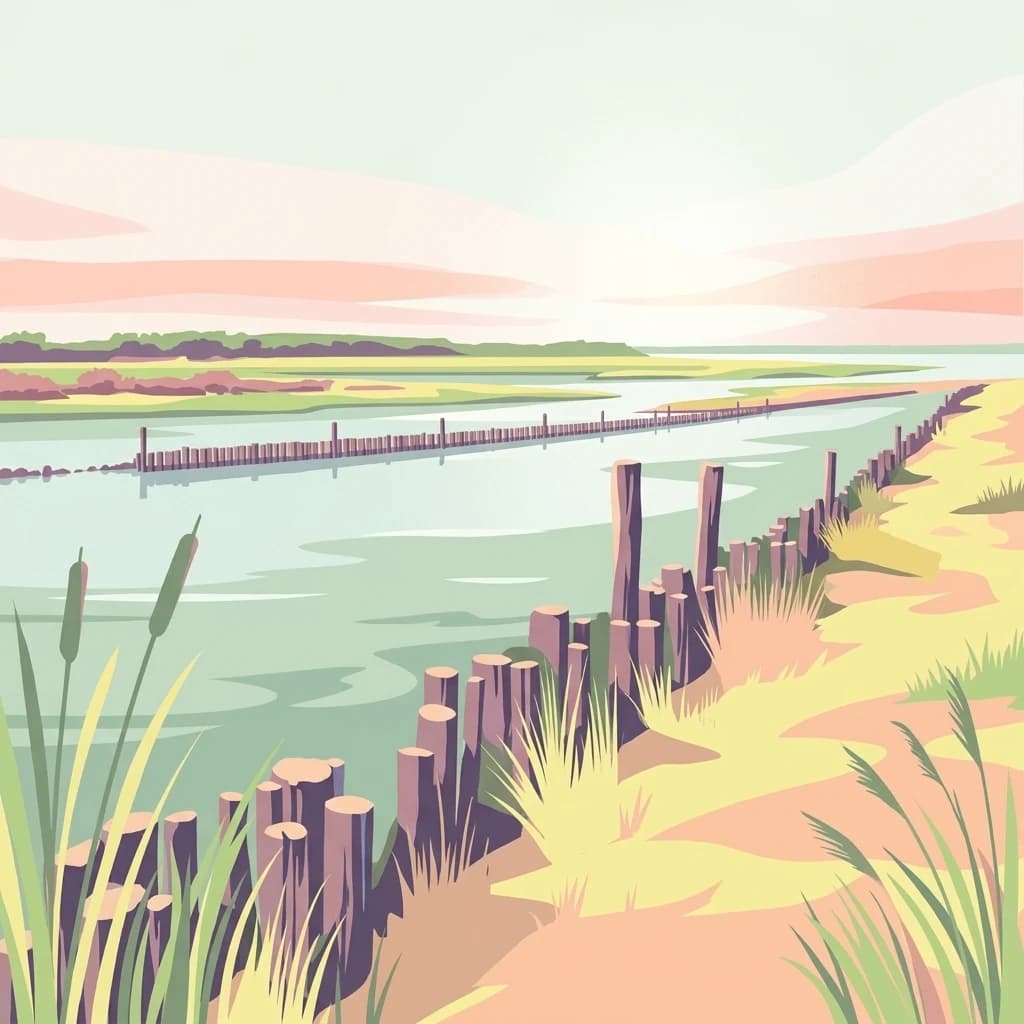
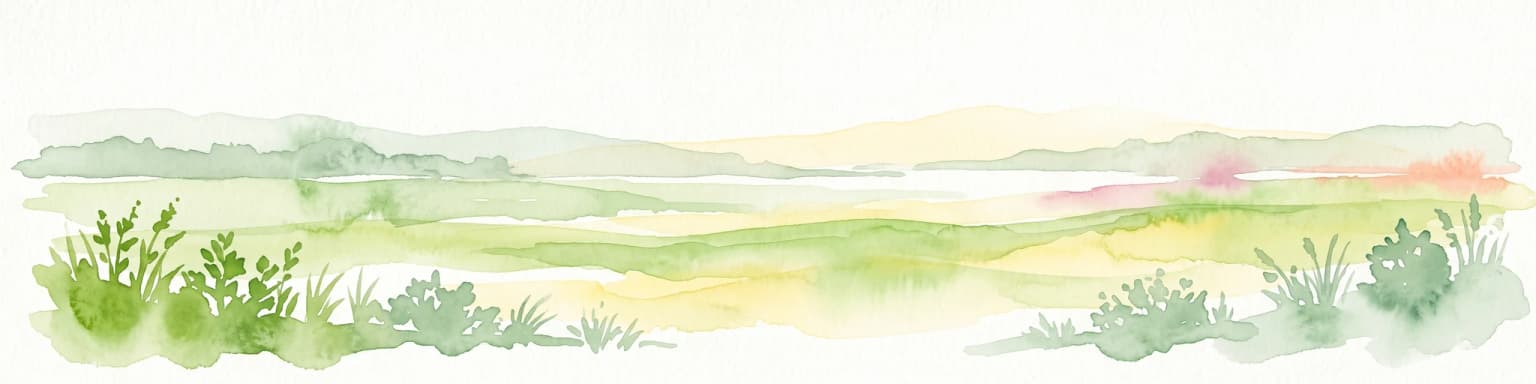
Bovet is a 65-hectare nature reserve on the island of Læsø that safeguards a pristine 2.5 km stretch of Danish coastline. Characterized by a flat, open topography of heath, beach meadow, and reedbed, the site is defined by its sweeping views across Bovet Bugt and scattered glacial erratics. Its status as a bird protection area and Ramsar wetland highlights its importance as a habitat for breeding and resting waders within the Kattegat region.
- Area
- 0.65 km²
- Established
- 1964
- Relief
- Lowland
- Climate
- Temperate