
Why Padre Island National Seashore stands out
Padre Island National Seashore is best known for its exceptionally long, largely undeveloped Gulf beach and its global importance for birdlife. Its position on the Central Flyway, along with the habitat diversity of beach, dune, tidal flat, and Laguna Madre environments, makes it a critical stopover and wintering area for migratory birds and an officially designated Globally Important Bird Area. The seashore is also known for the Kemp's ridley sea turtle recovery program, one of the signature conservation efforts on the Texas coast. Hatchling releases, sea turtle patrols, and the visible increase in nesting activity over decades have made the park a flagship site for marine turtle conservation in the United States.
Padre Island National Seashore history and protected-area timeline
The land that became Padre Island National Seashore carries deep human history. It is named in honor of Father José Nicolás Ballí, an 18th and early 19th century missionary priest who owned the island, founded the first mission in what is now Cameron County, and represented the Spanish church across the Rio Grande Valley.
Padre Island itself is a very young geological feature, having developed only over the last several thousand years. Recognition of its natural significance grew throughout the 20th century, and the area was formally protected when Padre Island National Seashore was established in 1962 as the fourth designated national seashore in the United States. The boundary boundaries were surveyed as early as 1957, even though the purchase of mineral rights within the park has never been completed by Congress.
A second era of park history began in 1978, when staff launched a program to re-establish a nesting beach for Kemp's ridley sea turtles. From the first two turtles returning in 1992 to steady growth in nesting numbers, this program evolved into one of the best-known sea turtle recovery efforts in North America. In 1998, the American Bird Conservancy recognized the park as a Globally Important Bird Area, formalizing its importance for migratory and nesting birds.
Padre Island National Seashore landscape and geographic character
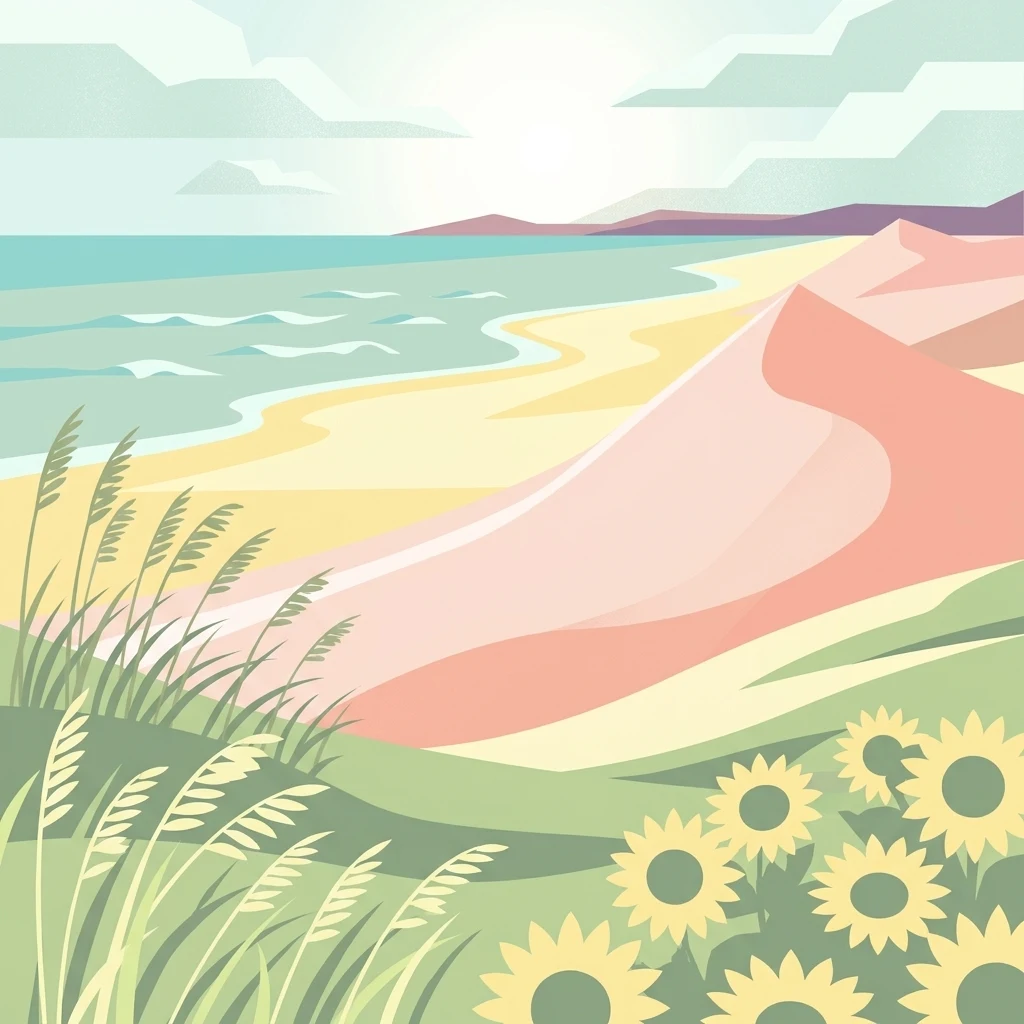
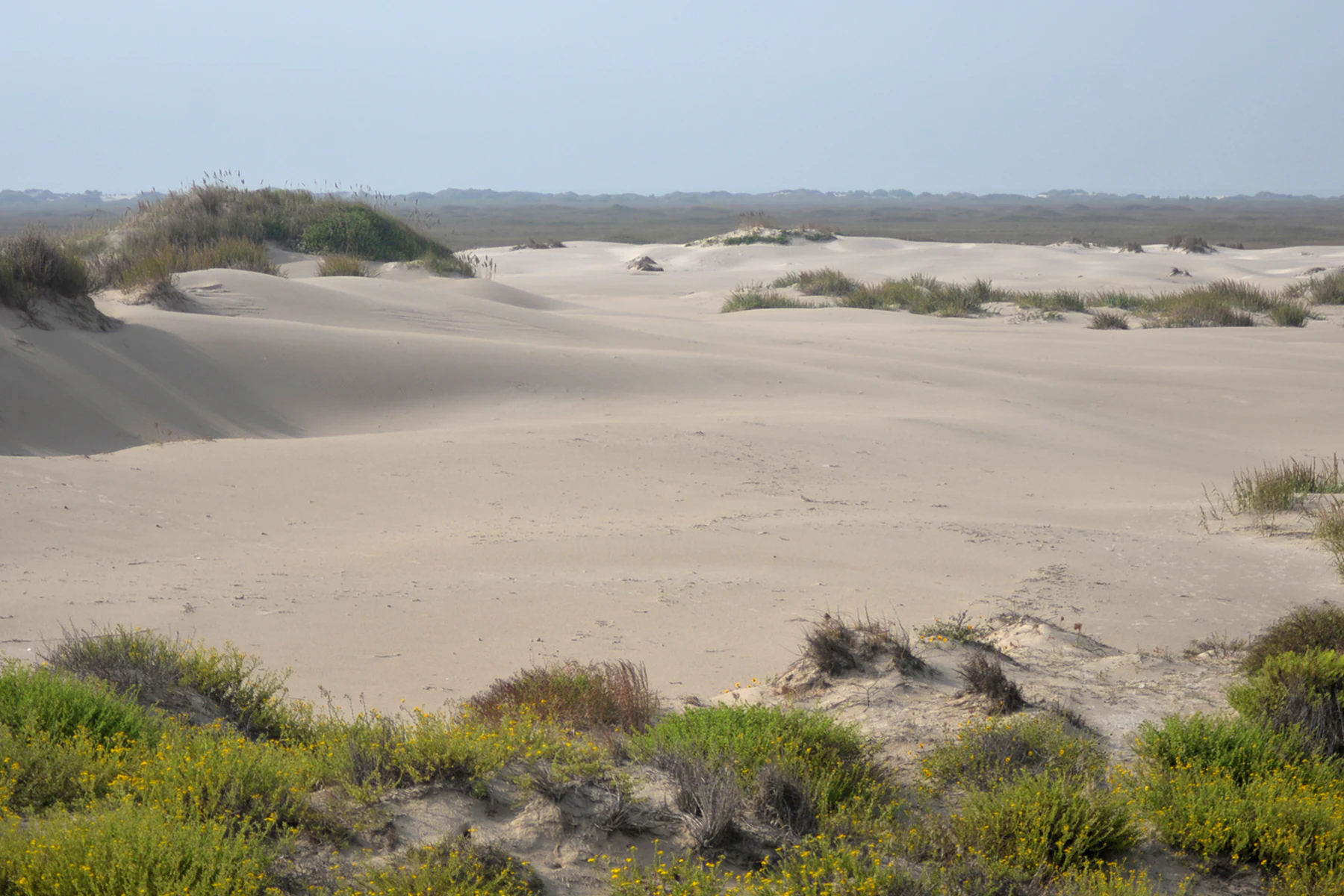
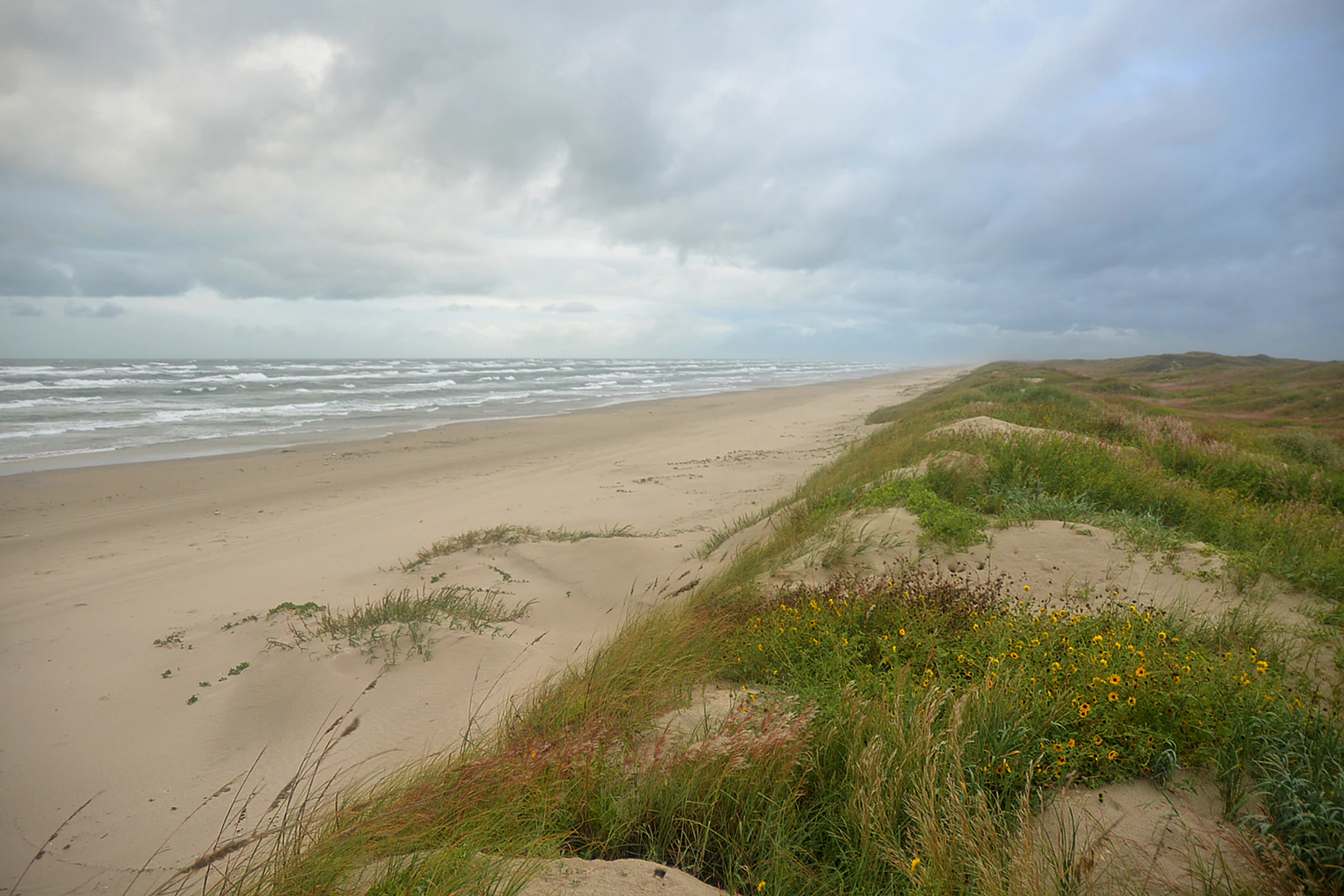
The landscape of Padre Island National Seashore is shaped almost entirely by wind, sand, and water. Most of the island sits less than 20 feet above mean sea level, and the terrain transitions from wide Gulf beach and active foredunes inland across grassflats, dune fields, and freshwater ponds. Prevailing southeasterly winds from the Gulf heap sand into shifting foredunes, and over time these dunes can march across the island, smothering vegetation in their path and leaving barren sandflats behind. Storms and hurricanes periodically flatten dunes, cut new channels across the island, and reshape the shoreline.
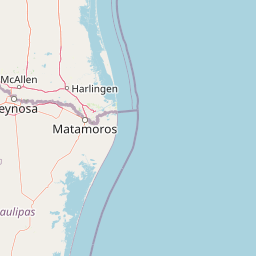
The western side of the seashore is bordered by Laguna Madre, a long, shallow, hypersaline lagoon that is one of only a few hypersaline lagoons in the world. Because the barrier island restricts water exchange, evaporation under the Texas sun leaves the lagoon far saltier than the Gulf. Its width fluctuates dramatically with wind-driven tides, and it contains grassflats, shallow mudflats, the deeper central area known as the Hole, and regions such as the Land-Cut Area where the Intracoastal Waterway crosses through.
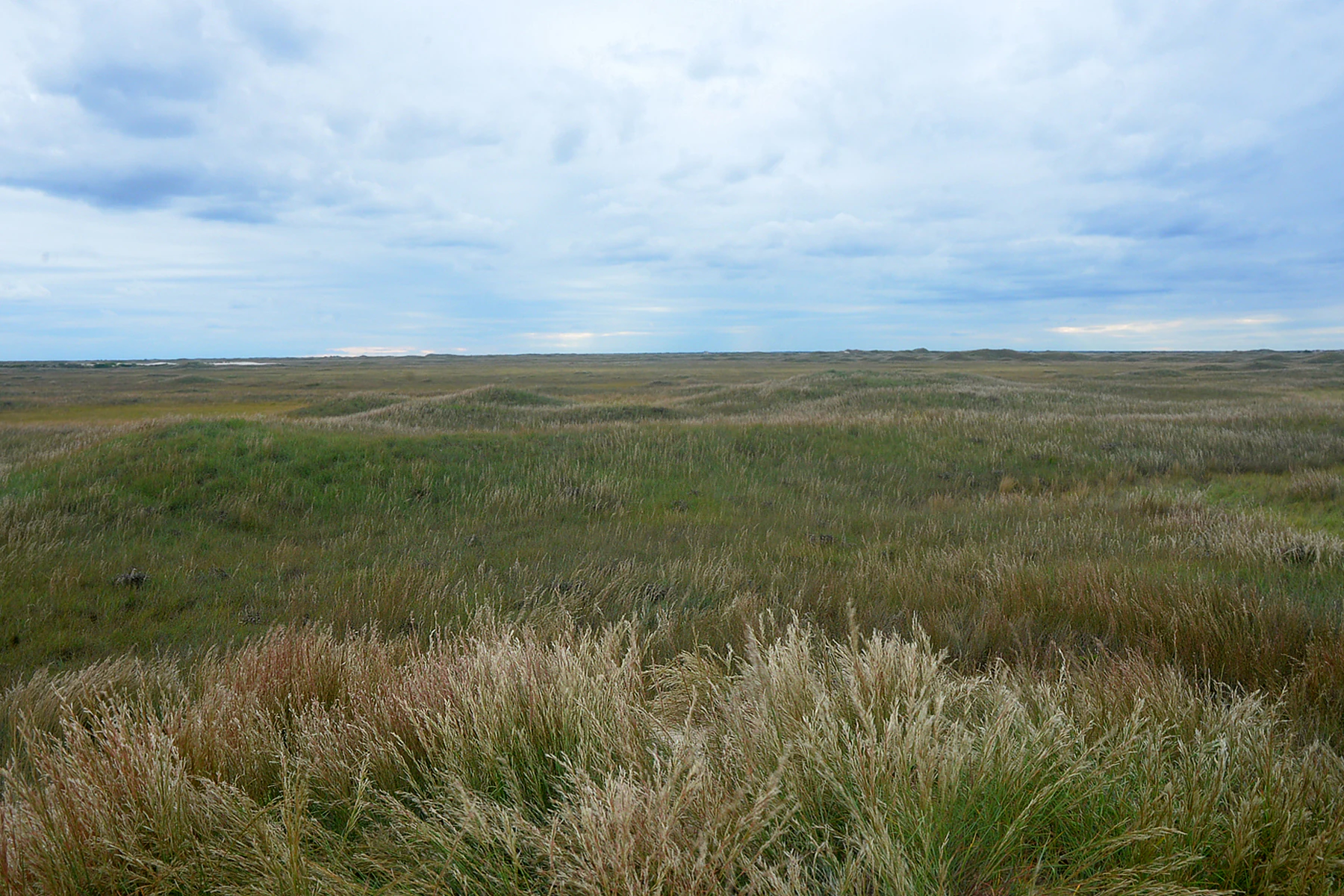
Small natural sand-ridge islands and man-made spoil banks within Laguna Madre create distinctive bird-nesting habitat. Inland from the beach there are interior dunes covering varied vegetation, open grasslands with plants such as the Spanish Dagger yucca, and seasonal freshwater ponds that dot the island interior, offering a broader sense of the rich texture of Texas barrier island scenery.
Padre Island National Seashore ecosystems, habitats, and plant life
Padre Island National Seashore preserves a rare sequence of coastal habitats concentrated in a narrow strip. The Gulf-facing side offers open sandy beach and a dynamic dune system with both mobile and stabilized dunes; the interior holds grasslands, scrubby dune thickets, and scattered freshwater ponds; and the landward side offers the unusual environment of Laguna Madre with its grassflats, algal flats, and shallow open water.
Each habitat supports different components of coastal biodiversity. Beach and dune vegetation struggles against sand burial and salt spray while holding the dunes in place in calmer stretches. The grassflats and tidal flats of Laguna Madre are highly productive biological zones that serve as nurseries for fish, clams, and snails. Periodic rains fill depressions in the interior, creating temporary ponds that attract amphibians and seasonal wildlife pressure.
Vegetation is distinctly coastal Texan, including yucca species, salt-tolerant grasses, and the hardy scrub that stabilizes parts of the dunes. The combination of salinity, isolation, and constant reshaping by wind and water produces an ecosystem that is both fragile and clearly defined, where understanding the environment requires appreciating the way Gulf processes continually reshape the island.
Padre Island National Seashore wildlife and species highlights
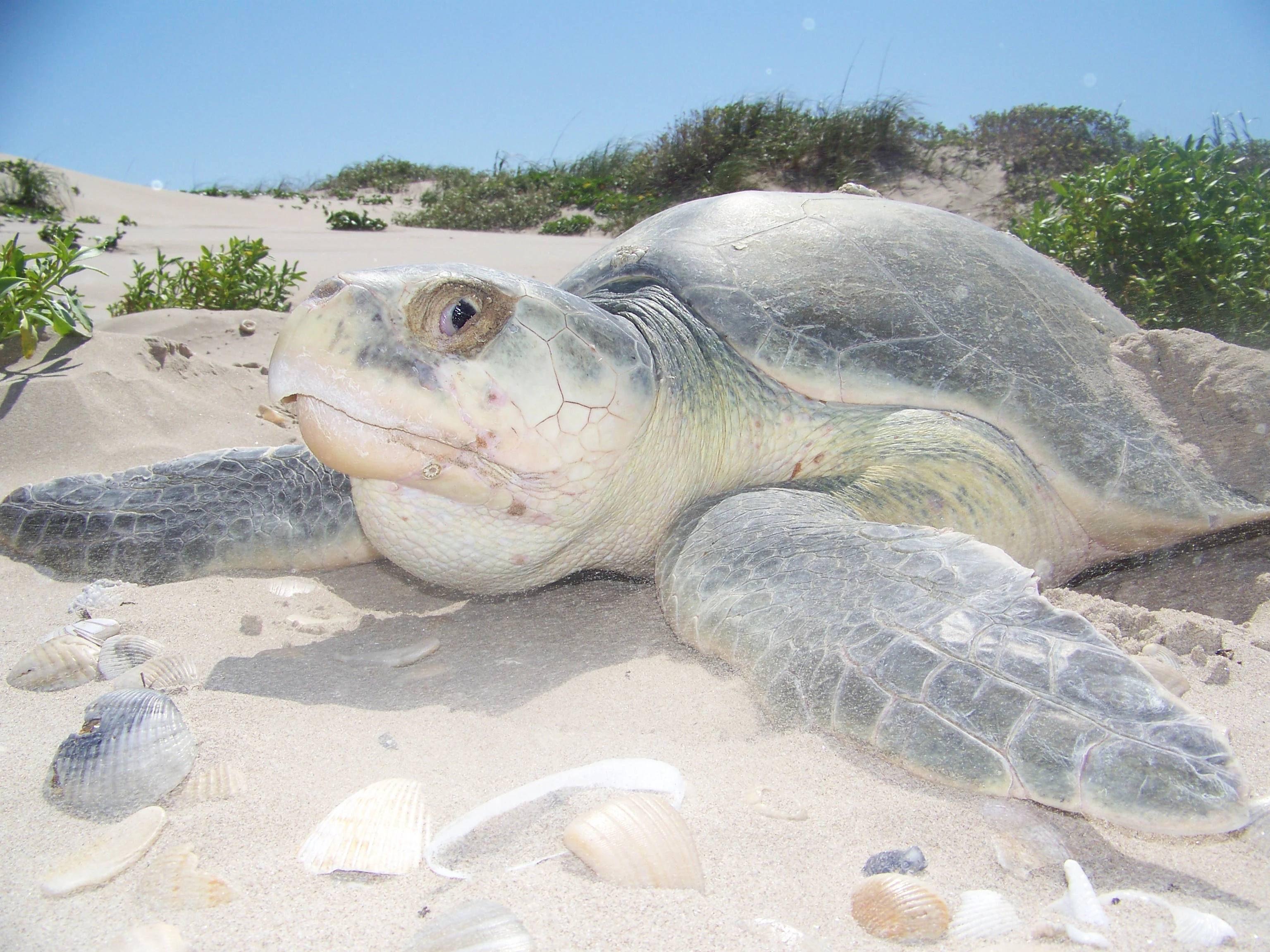
The seashore is famous for both its birds and its marine turtles. The Kemp's ridley sea turtle is at the heart of the park's wildlife profile. Through decades of work on Padre Island, the park became a critical nesting site for this endangered species, with rising numbers of nests recorded on the beach and seasonal public hatchling releases that have helped redefine public awareness of Gulf coast conservation.
Roughly 380 bird species, about 45 percent of all bird species ever documented in North America, have been observed in the park. Because the seashore lies along the Central Flyway, it provides important habitat for globally significant numbers of brown pelicans, redhead ducks, least terns, piping plovers, reddish egrets, and peregrine falcons. Nesting colonies on North and South Bird Islands and on spoil banks along the Intracoastal Waterway include least terns and piping plovers among the most sensitive species.
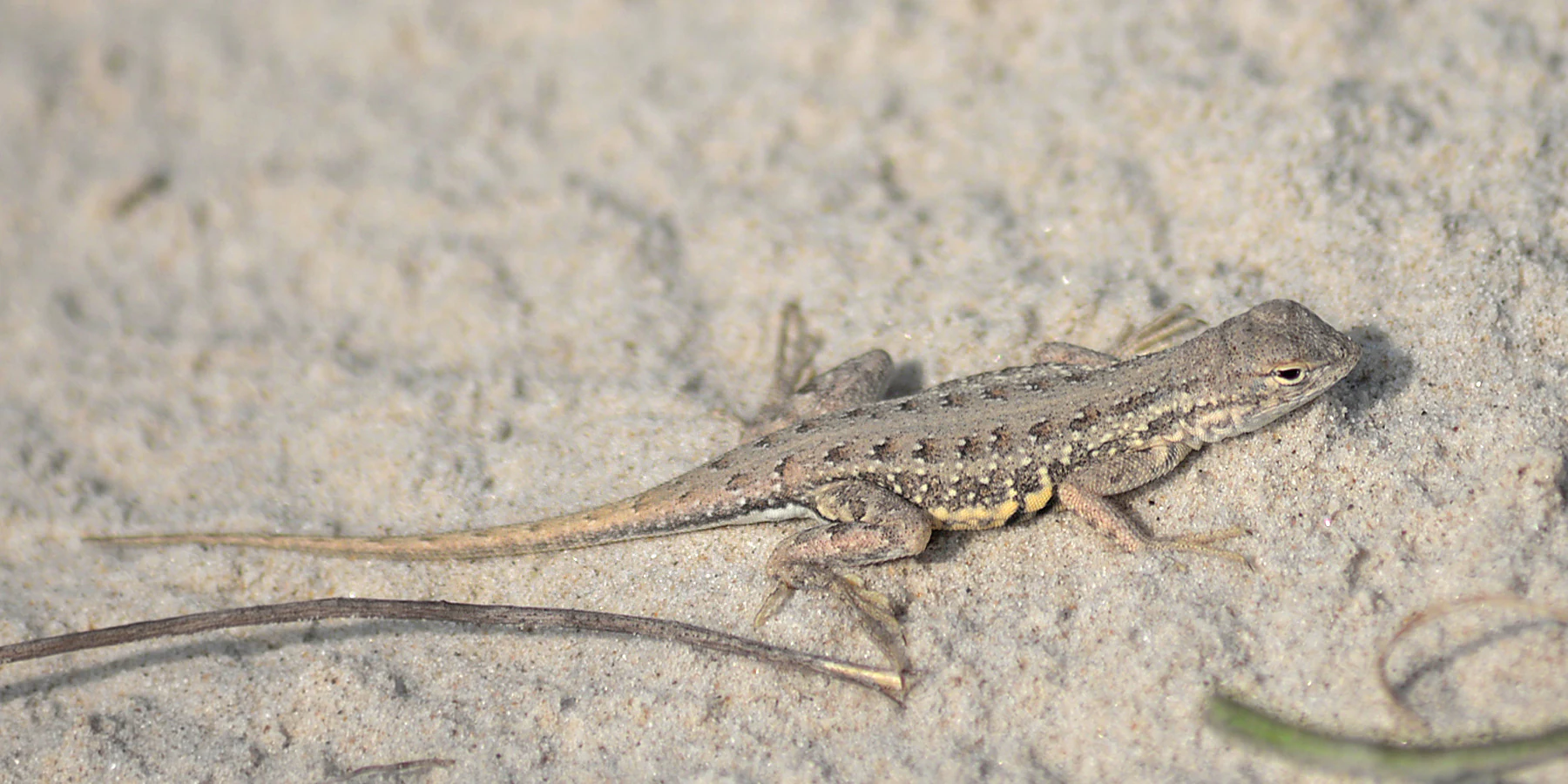
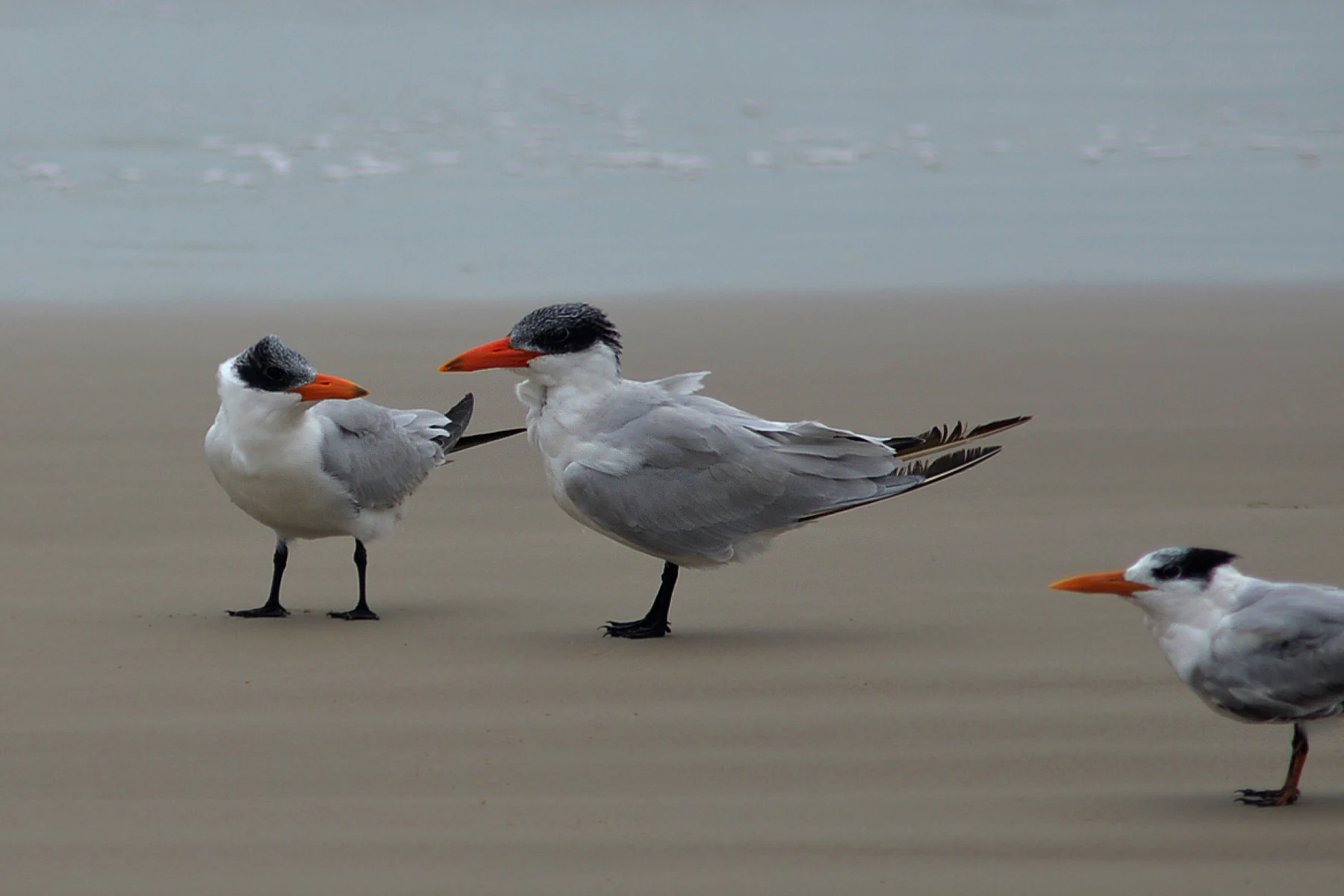
On the Gulf beach itself, willets, sanderlings, black skimmers, great blue herons, double-crested cormorants, cattle egrets, grey plovers, laughing gulls, brown pelicans, reddish egrets, and several tern species, including least, Caspian, black, Sandwich, and royal terns, are among the most familiar residents. Bird Island Basin on the Laguna Madre side becomes very productive for waders and shorebirds when water levels are good, supporting black-necked stilts, roseate spoonbills, great egrets, and American white ibis. The island also hosts reptiles such as the keeled earless lizard and mammals such as coyotes, and amphibians such as Hurter's spadefoot toad appear in freshwater ponds.
Padre Island National Seashore conservation status and protection priorities
Conservation is central to the identity of Padre Island National Seashore. The park's mandate to preserve a largely undeveloped barrier island makes it a reference point for understanding what a functioning Texas Gulf coast seascape looks like, and its Globally Important Bird Area designation underscores its role in continental bird conservation across the hemisphere.
The Kemp's ridley recovery program is among the highest-profile long-term conservation efforts at the park. Through nest monitoring, hatchery management, beach protection, and public engagement, the seashore and its partners have helped rebuild a nesting population on this stretch of the Texas coast. Ongoing bird conservation includes protection for beach-nesting species such as least terns and piping plovers, whose nests are vulnerable to disturbance and to heavy equipment operations.
The seashore also serves as a major monitoring site for marine debris. A long-term debris study begun in the 1990s has cataloged sources of shoreline trash, identified commercial shrimping as the dominant contributor, and supported community-led cleanups such as the Billy Sandifer Big Shell Beach Clean Up. With the help of the nonprofit Friends of Padre, volunteers remove tons of trash each year, and the park's data have influenced national debates on how marine debris reaches U.S. coasts.
Finally, oil and natural gas drilling are still permitted within the park, because Congress has never authorized the purchase of the underlying mineral estate. This ongoing tension between industrial activity and protected status remains one of the most significant conservation issues for the seashore.
Padre Island National Seashore cultural meaning and human context
The cultural identity of Padre Island is tied closely to its Spanish colonial origins. The island's name comes from Father José Nicolás Ballí, a Spanish missionary priest who owned the island and founded early missions in the Rio Grande Valley and Cameron County. His legacy continues to shape how the island is understood as both a natural and a historical place.
Modern cultural context is defined by the contrast between the busy resort town of South Padre Island and the more austere, recreation-focused ethic of PINS. The seashore has its own distinctive community of outdoor enthusiasts, naturalists, and conservation volunteers, including the late fishing guide Billy Sandifer, whose annual Big Shell Beach Clean Up grew into the founding of the nonprofit Friends of Padre in 2007.
Top sights and standout views in Padre Island National Seashore
Seventy miles of largely undeveloped Gulf beach and roughly 65.5 miles of natural shoreline on the world's longest barrier island. Designated Globally Important Bird Area hosting about 380 bird species, including globally significant populations of brown pelicans, redheads, least terns, piping plovers, reddish egrets, and peregrine falcons. A signature Kemp's ridley sea turtle nesting program with seasonal public hatchling releases. Four-wheel-drive beach access, primitive camping, and the rare experience of exploring one of the few intact drive-on beach sections in the United States. Laguna Madre, a hypersaline lagoon and world-class windsurfing destination, with rich tidal flat and shallow-water ecology.
Best time to visit Padre Island National Seashore
The seashore can be visited throughout the year, but experience shifts significantly with the seasons. Spring and fall bring the most rewarding birdwatching, as thousands of migrants pass through the park on the Central Flyway and wintering bird populations build. Winter is also a strong birdwatching season, with large concentrations of ducks and other wintering species along the bays and marshes.
Summer is the most popular beach season but also the hottest and most humid, when temperatures often climb into the mid-90s F. This is also the primary Kemp's ridley nesting season, when visitors may see patrols and public hatchling releases. The famous Billy Sandifer Big Shell Beach Clean Up takes place the last weekend of February, offering a community-focused window into the seashore's conservation culture. Visitors sensitive to heat will find cooler, more comfortable months outside the peak summer window.