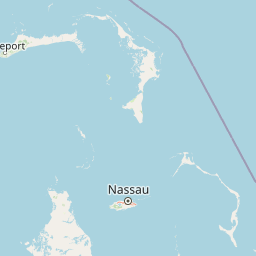
Why Primeval Forest National Park stands out
The park is best known for preserving a rare remnant of old-growth blackland coppice forest, a native Bahamian dry forest type that once dominated the islands before centuries of logging. The karst landscape with its limestone caverns and sinkholes provides the geological backdrop for this forest, creating a distinctive landscape of shallow soil over porous limestone. This small reserve represents one of the last intact stands of the original hardwood forests that could grow as tall as 50 feet before the logging industry nearly eliminated them from the 18th century through the 1970s.
Primeval Forest National Park history and protected-area timeline
The history of Primeval Forest National Park is fundamentally tied to the story of deforestation and conservation in the Bahamas. From the 18th century through the 1970s, the commercial logging industry targeting tropical hardwoods stripped much of the original forest cover from the Bahamian islands. The blackland coppice forests that once dominated the landscape were systematically harvested, transforming the vegetative character of the archipelago. In the 1990s, Pericles Maillis, then president of the Bahamas National Trust, discovered a previously undisturbed patch of ancient forest that had survived the century of logging. Recognizing the ecological significance of this remnant, Maillis led an initiative to secure protection for the area, culminating in its formal designation as a national park in 2002. This establishment ensured that the last significant stand of old-growth forest on New Providence would be preserved for future generations.
Primeval Forest National Park landscape and geographic character
The park sits atop a karst limestone platform characteristic of the Bahamas, a landscape shaped by the dissolution of carbonate rock over geological time. This karst terrain produces distinctive surface features including sinkholes, solution cavities, and exposed limestone outcrops. The forest grows in the thin soils that accumulate in depressions and between rock exposures, with the underlying porous limestone allowing drainage that creates the dry conditions favoring drought-adapted hardwood species. The landscape is relatively flat, typical of low-lying limestone islands, but the presence of sinkholes and minor ridgelines adds topographic variation. Wooden boardwalks traverse the forest floor, elevated to protect the sensitive root systems and permit visitors to explore the terrain while minimizing impact.
Primeval Forest National Park ecosystems, habitats, and plant life
Primeval Forest National Park protects the blackland coppice forest type, a distinctive Bahamian dry forest association adapted to the limestone terrain and seasonal drought conditions. This old-growth forest represents the mature, undisturbed vegetation that once covered much larger areas of the Bahamas before extensive logging. The canopy includes tropical hardwood species typical of the Caribbean dry forest, while the understory contains species adapted to the relatively open forest floor conditions. The forest grows on thin soils overlying the karst substrate, with root systems often directly accessing the limestone bedrock. The combination of old-growth character, unique forest type, and geological setting makes this small reserve ecologically significant beyond its modest size.
Primeval Forest National Park wildlife and species highlights
The forest provides habitat for a variety of bird species, which represent the most notable wildlife component documented for the park. The mature forest structure, with its diverse canopy and old-growth character, offers nesting sites and foraging resources for tropical bird species. While the source material mentions a number of bird species without specifying particular names, the forest's connectivity and preservation of original vegetation likely supports bird communities characteristic of Bahamian dry forests. The karst features, including sinkholes and rocky outcrops, may also provide additional habitat elements for wildlife adapted to these geological formations.
Primeval Forest National Park conservation status and protection priorities
Primeval Forest National Park represents a conservation time capsule for Bahamian forest ecosystems. The old-growth blackland coppice forest within the park constitutes one of the last remaining examples of the original forest type that dominated the Bahamian islands before extensive logging. The park's protection ensures that this forest, and its associated ecological processes, can continue functioning as a reference for understanding the pre-colonial ecology of the region. Designation as a national park by the Bahamas National Trust provides institutional protection and management oversight, ensuring the forest remains intact despite development pressures on New Providence Island, where Nassau is located. The park demonstrates the importance of preserving even small remnants of significant ecosystem types.
Top sights and standout views in Primeval Forest National Park
The park's primary attractions include the opportunity to walk through old-growth tropical hardwood forest that predates modern development, explore limestone caverns and sinkholes via wooden boardwalks, and observe native vegetation in a relatively undisturbed state. The forest represents an ecological time capsule, preserving species and forest structure from an era before extensive logging transformed the Bahamian landscape. The boardwalk system allows visitors to experience this environment while minimizing impact on the sensitive ecosystem.
Best time to visit Primeval Forest National Park
The Bahamas experiences a tropical climate with warm temperatures year-round. The most comfortable period for outdoor exploration typically falls in the cooler months from November through April, when temperatures are milder and rainfall is reduced. The dry season from December through May generally offers more consistent conditions for visiting natural areas, though brief rain showers can occur at any time. Summer months bring higher temperatures and increased humidity, along with the possibility of tropical storms. Visitors seeking to explore the forest under optimal conditions should consider the cooler, drier winter to early spring period.