Why Pulicat Lake Bird Sanctuary stands out
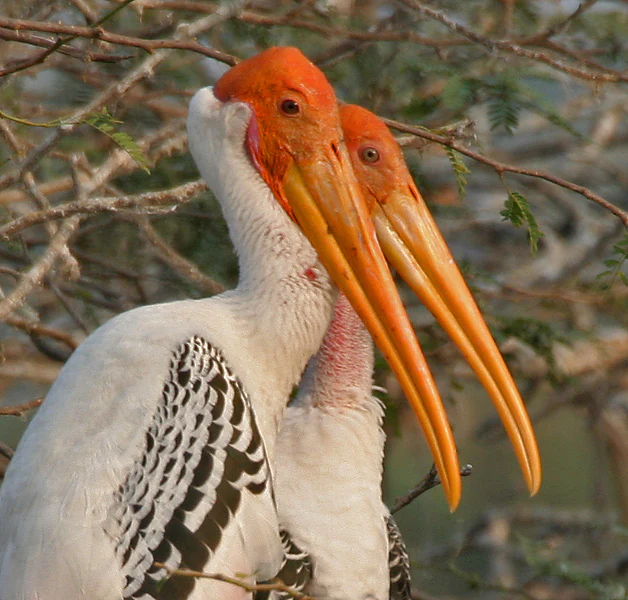
Pulicat Lake Bird Sanctuary is best known for the massive gatherings of greater flamingos that feed in the shallow, brackish waters of Pulicat Lagoon, often appearing as a soft pink haze along the horizon. It is also associated with large colonies of pelicans, painted storks, and other migratory waterbirds that use the lagoon, mudflats, and surrounding vegetation as feeding and nesting habitat. More broadly, the sanctuary is recognized as one of the most important coastal wetland sites on the eastern Indian coastline, second only to Chilika Lake among India's brackish lagoon ecosystems. Its appeal lies in the combination of open tidal scenery, traditional fishing villages, and the seasonal rhythm of migratory arrivals, making it a distinctive destination for birdwatchers and nature travelers.
Pulicat Lake Bird Sanctuary history and protected-area timeline
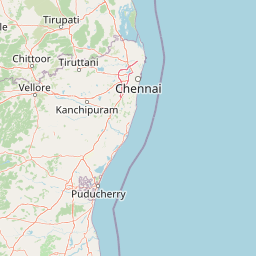
Pulicat Lake Bird Sanctuary was formally established as a protected area in 1976, reflecting a growing recognition of the lagoon's importance for waterbirds along the southeastern Indian coast. The designation brought the second-largest brackish-water ecosystem in India under formal state-level protection, with administration shared between Andhra Pradesh and Tamil Nadu.
Over the decades following its establishment, the sanctuary gained international recognition as an Important Bird Area, confirming its role in global migratory bird conservation and giving it a stronger profile among conservation organizations. NGOs such as the AARDE Foundation have also become active around the lagoon, particularly at Pazhaverkadu, working to raise awareness about the threats facing the wetland and the communities that depend on it.
More recently, the lake itself has come under increasing ecological pressure, and studies and conservation efforts have highlighted concerns that Pulicat Lake could be significantly reduced within a century if siltation and other pressures are not addressed. The sanctuary's history is therefore not only a story of formal protection but also an evolving story of how a coastal lagoon and its surrounding communities are managed in the face of mounting environmental change.
Pulicat Lake Bird Sanctuary landscape and geographic character
The defining landscape of Pulicat Lake Bird Sanctuary is a vast, shallow brackish lagoon bordered by low mudflats, sandy ridges, and patches of coastal scrub. The lagoon's waters are typically calm and shallow, with broad tidal flats emerging along the edges during low water and creating wide silvery expanses that reflect the sky. These open-water and mudflat zones define the visual identity of the sanctuary.
Behind the lagoon, the landscape transitions gently into low-lying terrain. Altitude across the broader area ranges roughly from near sea level at the shore to a few hundred feet inland, creating a subtle gradient between aquatic habitat, salt-influenced flats, and dry coastal scrub. Traditional salt pans and small fishing settlements dot parts of the shoreline, adding cultural texture to the natural scenery.
Vegetation along the lagoon includes spinifex and other salt-tolerant grasses on the sandy ridges, small mangrove patches in sheltered areas, and scattered trees near inland margins. Inland parts of the sanctuary include wooded pockets, scrub, and open spaces that contrast with the open water and contribute to the variety of habitats within a relatively compact coastal setting.
Pulicat Lake Bird Sanctuary ecosystems, habitats, and plant life
Pulicat Lake Bird Sanctuary is rooted in a brackish-water lagoon ecosystem, one of only a handful of large saline or brackish wetlands in India. The water body is fed by a mix of freshwater inflow and tidal seawater, producing salinities that support a wide range of specialized aquatic organisms. This brackish character is the ecological foundation of the sanctuary, shaping the food web that supports its famous birdlife.
The sanctuary's plant diversity includes around 132 recorded species, ranging from coastal grasses and spinifex that stabilize the sandy ridges to woody species such as Walsura piscida, Manilkara elengi, and Excoecaria agallocha along the margins. Climbers like Calamus viminalis add structural complexity in some of the moister transitional zones. Together, these plants create a mosaic of habitats across the lagoon edge, from bare sand to denser interior woodland.
Invertebrate life is exceptionally rich and underpins the sanctuary's importance for birds. Plankton, molluscs, crustaceans, coelenterates, and insects all thrive in and around the lagoon. The mudflats and shallow margins teem with small invertebrates that provide feeding opportunities for flamingos, waders, storks, and many other species, making the lagoon itself a vast natural feeding ground during much of the year.
Pulicat Lake Bird Sanctuary wildlife and species highlights
Pulicat Lake Bird Sanctuary is perhaps best remembered for its birds, and especially for the large flocks of greater flamingos that feed in its shallow, brackish waters. These gatherings, often seen at a distance as a wash of pink across the flats, are one of the sanctuary's signature sights and draw birdwatchers from across India and beyond.
Beyond flamingos, the sanctuary supports a rich community of waterbirds and shorebirds. Pelicans soar and feed in coordinated groups over the open water, while painted storks, other stork species, herons, egrets, and many smaller waders use the mudflats and lagoon margins. The site is also an important feeding and nesting ground for both resident and migratory species, making it a key stopover along the Central Asian Flyway.
Wildlife beyond the birds is quieter but still present. Mammals such as jackals, jungle cats, and black-naped hares inhabit the scrubland and interior pockets of the sanctuary. Reptiles, amphibians, and a wide variety of invertebrates inhabit the lagoon, mudflats, and inland vegetation, completing a food web in which birds are the most visible but by no means the only component.
Pulicat Lake Bird Sanctuary conservation status and protection priorities
Pulicat Lake Bird Sanctuary holds substantial conservation significance as one of the largest brackish-water lagoon ecosystems in India and as a formally protected habitat for resident and migratory waterbirds. Its recognition as an Important Bird Area underlines its role in international efforts to conserve migratory species that depend on coastal wetlands along the eastern Indian seaboard.
The sanctuary's protection covers a substantial area divided between Andhra Pradesh and Tamil Nadu, with different forest administrations responsible for different portions. A separate inland zone is maintained as a National Park area within the broader sanctuary landscape, adding a stricter layer of protection for a portion of the site. Together, these administrative arrangements aim to safeguard the lagoon's birdlife, water quality, and surrounding vegetation.
However, the conservation picture is not without serious concerns. Pulicat Lake is threatened by siltation and other pressures, and some assessments have suggested the lagoon could be heavily reduced within the coming century if action is not taken. Government agencies and NGOs such as the AARDE Foundation work to raise awareness and support practical interventions around communities like Pazhaverkadu, recognizing that the long-term future of the sanctuary depends on addressing both ecological and human pressures along the lagoon.
Pulicat Lake Bird Sanctuary cultural meaning and human context
Pulicat Lake Bird Sanctuary sits within a region of long-standing human interaction with the coast. Around the lagoon, traditional fishing villages such as Pazhaverkadu maintain livelihoods closely tied to the waters, using crafts and practices that have shaped the lagoon landscape over generations. These communities are part of the living cultural fabric of the sanctuary and the broader Pulicat region.
The area also reflects a layered history that stretches back centuries, with communities along the lagoon having adapted to shifting coastlines, changing salinity, and the seasonal rhythms of fish and birds. The continued presence of these communities, alongside salt-producing activities and small-scale agriculture, gives the sanctuary a distinctive cultural dimension that complements its natural value and underscores the importance of integrated management approaches.
Top sights and standout views in Pulicat Lake Bird Sanctuary
Pulicat Lake Bird Sanctuary's standout feature is the convergence of one of India's great brackish lagoons with an exceptional bird spectacle, anchored by greater flamingos but enriched by pelicans, painted storks, and many other waterbirds. The sanctuary's wide open vistas, exposed mudflats, and softly reflective shallow water create an atmosphere that feels distinct from forested or mountainous parks.
Equally notable is the sanctuary's shared governance and recognition across state and international frameworks. Its Important Bird Area status, its division between Andhra Pradesh and Tamil Nadu forest departments, and the inclusion of a National Park zone within its boundaries all reflect a multi-layered effort to safeguard a coastal lagoon that is simultaneously a wildlife refuge, a seasonal home for migratory species, and part of the cultural and economic life of the region.
Best time to visit Pulicat Lake Bird Sanctuary
Pulicat Lake Bird Sanctuary is most rewarding when large numbers of migratory birds are present, which generally corresponds to the cooler months in southeastern India. During this period, conditions are typically more comfortable for visitors and waterbird activity along the lagoon is at its peak, with flamingos, pelicans, and many other species concentrated around the shallows and mudflats.
Weather patterns across the sanctuary range from warm, humid conditions near the coast in summer to cooler, drier periods in the winter months. Rainfall in the region can be moderate to high, and the lagoon itself changes character with the seasons as water levels fluctuate and exposed mudflats expand or contract. For visitors focused on birdwatching, the cooler season tends to offer the most complete picture of the sanctuary's birdlife, while the broader lagoon landscape is visually engaging throughout much of the year.