Mori Atlas logo
Wildlife reserveRaven Island National Wildlife Area

Understanding the ecological role and geographic boundaries of a key prairie bird sanctuary

Raven Island National Wildlife Area: A Protected Island Reserve in Central Saskatchewan

(Réserve nationale de faune de l'Île-Raven)

Raven Island National Wildlife Area serves as a critical 112-hectare bird sanctuary located within the saline waters of Lenore Lake in central Saskatchewan. The reserve functions as a protected island habitat that supports diverse waterfowl populations, anchoring a broader Important Bird Area landscape. This geography-focused record details the island's role in the prairie lake ecosystem and its conservation significance for migratory waterbird species across the Canadian plains.

national wildlife areabird sanctuarymigratory birdsprairie lakeisland habitatimportant bird area

Raven Island National Wildlife Area

Wildlife reserve

Park overview

Structured park overview, official facts, and landscape profile for Raven Island National Wildlife Area

Raven Island National Wildlife Area park facts, protected area profile, and essential visitor context

Review the core facts for Raven Island National Wildlife Area, including designation, size, terrain, visitor scale, habitats, and operating context in one park-focused overview.

About Raven Island National Wildlife Area

Raven Island National Wildlife Area is a compact federal wildlife reserve situated in the prairie region of central Saskatchewan. The reserve lies at the southern end of Lenore Lake, within the rural municipalities of Lake Lenore No. 399 and Three Lakes No. 400. Its position on an island within a lake gives it a clearly defined geographic identity within the Canadian National Wildlife Area system.

The reserve was created in 1982 with the explicit objective of improving the value of Lenore Lake as a refuge for migratory birds. This purpose frames the entire management approach of the site, which is administered by the Canadian Wildlife Service. As an IUCN Category IV protected area, Raven Island NWA is managed primarily for habitat and species conservation through targeted intervention rather than left as undisturbed wilderness.

Though small at 112 hectares, the area holds real ecological significance because of where it sits. Lenore Lake is recognized as an Important Bird Area, and the protected island contributes to the broader network of stopover and breeding habitat that waterfowl, colonial waterbirds, and other migratory species rely on across the Saskatchewan prairie landscape. The reserve's importance therefore extends beyond its own footprint, supporting bird populations that move through and use the lake system during critical parts of their annual cycle.

For visitors and researchers, the reserve is most relevant as part of a lake-based bird habitat complex rather than as a standalone scenic destination. Its identity is shaped by prairie hydrology, saline lake ecology, and the conservation value of protected islands for nesting and staging birds.

Quick facts and research context for Raven Island National Wildlife Area

Raven Island National Wildlife Area is a 112-hectare National Wildlife Area in Saskatchewan, Canada, located south of Lenore Lake. It was established in 1982 to enhance the lake's value as a migratory bird refuge. The reserve is administered by the Canadian Wildlife Service and falls under IUCN Category IV. It also forms part of the Important Bird Area network associated with Lake Lenore.

Protection and recognition

Examine documented terrestrial protection metrics and official conservation data.

Raven Island National Wildlife Area Protection Status and Formal Designations

Raven Island National Wildlife Area maintains a documented terrestrial protection scope within global conservation registries. Analysis of official records reveals baseline management details and formal designation metrics for the protected landscape.

Protection details

Protection scope
Terrestrial
WDPA ID
18184
Park context

Deeper park guide and search-rich context for Raven Island National Wildlife Area

Raven Island National Wildlife Area history, landscape, wildlife, and travel context

Explore Raven Island National Wildlife Area through its history, landscape character, ecosystems, wildlife, conservation priorities, cultural context, and seasonal travel timing in a structured park guide built for atlas discovery and search intent.

Why Raven Island National Wildlife Area stands out

Raven Island National Wildlife Area is best known for its role in protecting migratory bird habitat on Lenore Lake in central Saskatchewan. The reserve's defining significance is its function as a secure breeding and staging area within a broader prairie lake ecosystem that supports waterfowl and other waterbirds. The island setting within a saline lake system gives the area a distinctive ecological character. Its protected status contributes to the larger Important Bird Area landscape of Lake Lenore, where migratory waterbirds concentrate during key seasonal periods.

Raven Island National Wildlife Area history and protected-area timeline

Raven Island National Wildlife Area was established in 1982 under the administration of the Canadian Wildlife Service. Its creation reflected a recognition of the importance of Lenore Lake as a migratory bird refuge in central Saskatchewan and the need to protect the island portion of that habitat under federal conservation status.

The reserve's designation under the National Wildlife Area program formalized the island's role within the broader Lake Lenore Important Bird Area. Since its establishment, the site has continued to be managed as a habitat-focused protected area aligned with the conservation priorities of Environment and Climate Change Canada.

Raven Island National Wildlife Area landscape and geographic character

The reserve occupies an island located at the southern end of Lenore Lake, a lake in the prairie landscape of central Saskatchewan. The 112-hectare site is surrounded by open lake water, with the surrounding terrain shaped by the gently rolling prairie of the region.

Lenore Lake itself is a shallow, saline prairie lake, a setting that defines the broader landscape character of the area. The island's position within the lake gives it transitional habitats between open water, shoreline, and inland prairie vegetation, creating a compact mosaic of ecological conditions within a small geographic footprint.

The wider visual context is typical of the Saskatchewan prairie belt, with flat to gently undulating terrain, expansive skies, and a landscape dominated by grasslands, agricultural land, and shallow lake basins. The reserve forms part of this broader prairie-lake mosaic rather than standing apart from it.

Raven Island National Wildlife Area ecosystems, habitats, and plant life

Raven Island National Wildlife Area exists at the intersection of lake, island, and prairie ecosystems. The combination of open water, shoreline, and inland terrestrial zones creates a compact ecological setting that supports both aquatic-edge and grassland-influenced habitats.

As a saline lake in a semi-arid prairie climate, Lenore Lake provides conditions that are relatively unusual within the broader Canadian landscape. These conditions shape the kinds of plant and animal communities that the lake and its associated islands can support, including salt-tolerant vegetation, colonial waterbird nesting habitat, and open-water foraging areas for waterfowl.

The protected island contributes to the habitat diversity of the lake system by offering a relatively secure site for nesting and resting birds away from the immediate shoreline and surrounding agricultural land. This habitat mosaic is central to the reserve's ecological identity and its role within the Lake Lenore Important Bird Area.

Raven Island National Wildlife Area wildlife and species highlights

The reserve's wildlife value is closely tied to the birdlife associated with Lenore Lake. The site supports several notable waterbird species, including Canada Goose, Great Blue Heron, American White Pelican, and Double-crested Cormorant. These species reflect the mix of open-water foraging, shoreline wading, and colonial nesting habitat that the island and lake complex provide.

As part of a designated Important Bird Area, Raven Island contributes to the broader conservation of migratory waterbirds in central Saskatchewan. Its protected status helps ensure that breeding, staging, and migratory populations have access to secure habitat within an agricultural landscape where natural shoreline and island features are otherwise limited.

The reserve's wildlife profile is therefore not defined by species richness in a general sense, but by its targeted importance for migratory waterbirds that depend on prairie lake systems.

Raven Island National Wildlife Area conservation status and protection priorities

The conservation significance of Raven Island National Wildlife Area lies in its protection of a key piece of habitat within the Lake Lenore Important Bird Area. By safeguarding 112 hectares of island habitat in a saline prairie lake, the reserve helps maintain the ecological value of the broader lake system for migratory waterbirds.

Designated under IUCN Category IV and managed by the Canadian Wildlife Service, the area reflects a targeted habitat-and-species conservation approach. Its purpose is not to preserve a large wilderness block, but to secure a specific landform and its associated habitats in support of broader migratory bird conservation objectives.

Within the Saskatchewan prairie context, where many natural wetlands and lake margins have been altered by agricultural use, the protected island represents a stable anchor of habitat. Its continued protection contributes to the resilience of the lake's bird populations and supports national and continental conservation goals for migratory waterfowl and colonial waterbirds.

Top sights and standout views in Raven Island National Wildlife Area

Raven Island National Wildlife Area stands out for its focused conservation purpose: protecting a small but strategically important island within a recognized Important Bird Area at Lenore Lake. Its 112-hectare footprint fits its role as a targeted habitat reserve rather than a broad wilderness area.

The reserve's combination of saline prairie lake ecology, protected island habitat, and direct linkage to migratory bird conservation gives it a clear and distinctive identity within the Canadian National Wildlife Area system.

Best time to visit Raven Island National Wildlife Area

Spring and fall are generally the most relevant periods for experiencing the birdlife that defines Raven Island National Wildlife Area, as these seasons correspond with migration and the heavy use of prairie lake systems by waterfowl and other waterbirds. Summer remains relevant for nesting and breeding activity on and around the lake.

Winter conditions across the Saskatchewan prairie bring cold temperatures and ice cover to Lenore Lake, which substantially changes both accessibility and the character of wildlife viewing. The reserve's significance is strongest during the warmer months when migratory and breeding bird use of the lake system is at its peak.

Monthly climate preview

Long-term temperature ranges and monthly precipitation averages for Saskatchewan

Raven Island National Wildlife Area Climate Normals and Annual Weather Patterns

Representative coordinate records show wide annual temperature swings alongside distinct monthly precipitation variations across the protected landscape. Examining the full twelve-month profile provides complete monthly climate normals for Raven Island National Wildlife Area.
Annual mean2 °C
-17 °C18 °C
Jan-17°
Feb-14°
Mar-6°
Apr
May10°
Jun16°
Jul18°
Aug17°
Sep11°
Oct
Nov-6°
Dec-14°
Warmest month
July

18.5 °C

Coolest month
January

-17 °C

Wettest month
June

3.1 mm/day

Driest month
February

0.6 mm/day

Park location guide

Geography guide, regional context, and park location map for Raven Island National Wildlife Area

Raven Island National Wildlife Area park geography, regions, and map view in Canada

Understand where Raven Island National Wildlife Area sits in Canada through a broader geographic reading of the surrounding landscape, nearby location context, and its mapped position within the national park landscape.

How Raven Island National Wildlife Area fits into Canada

Canada is a federal parliamentary constitutional monarchy spanning North America from the Atlantic to the Pacific and Arctic Oceans. With a population of over 41 million, it is officially bilingual in English and French at the federal level. The country gained independence from the United Kingdom through a gradual process culminating in 1982.

Wider geography shaping Raven Island National Wildlife Area in Canada

Canada occupies the northern portion of North America, sharing its longest international border with the United States. The country extends from the Atlantic Ocean to the Pacific Ocean and northward into the Arctic Ocean, giving it the longest coastline of any nation.

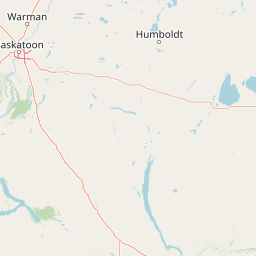
Map view of Raven Island National Wildlife Area

Use this park location map to pinpoint Raven Island National Wildlife Area in Canada, understand its exact geographic position, and read its mapped placement within the surrounding landscape more clearly.

Pigeon | © OpenStreetMap contributors

Location context for Raven Island National Wildlife Area

Saskatchewan
Park atlas

Compare regional wildlife reserves, prairie lake habitats, and adjacent protected areas.

Explore Parks Near Raven Island National Wildlife Area And Surrounding Protected Landscapes

Browse other protected areas near Raven Island National Wildlife Area to examine regional prairie lake ecosystems and adjacent conservation reserves. Expanding the geographic comparison reveals broader habitat patterns across the surrounding Saskatchewan landscape.
Wildlife reserveSaskatchewan
About 79 km away#1 closest

West

St. Denis National Wildlife Area: Geographic Profile and Protected Prairie Landscape

A research-focused wildlife reserve in central Saskatchewan.

St. Denis National Wildlife Area represents a critical nexus for prairie ecology, defined by its dense network of shallow ponds and native grassland communities. As a dual-designated National Wildlife and Research Area, this site offers a clear window into the delicate balance of wetland habitats, saline soil conditions, and agricultural landscape integration across Saskatchewan.

Area
3.6 km²
Established
1967
IUCN
IV
Protected areaSutherland
About 112 km away#2 closest

West

Zugvogelschutzgebiet Sutherland: Regional Geography and Protected Area Context

Historic migratory bird habitat in the Saskatchewan prairie landscape

The Zugvogelschutzgebiet Sutherland protected area serves as an important migratory refuge on the Canadian Prairies. While the site integrates diverse land uses including a zoo and research facilities, its remaining native grasslands continue to provide essential feeding and resting grounds for geese, swans, and ducks. This analysis maps the sanctuary within its broader regional context.

Area
1.3 km²
Established
1924
Relief
Lowland
Climate
Temperate
National parkSaskatchewan
About 142 km away#3 closest

Northwest

Prince Albert National Park: Saskatchewan National Park and Protected Area Geography

Mapped Landscape Boundaries and Regional Natural Terrain Context

Prince Albert National Park represents a distinct national park entity within Saskatchewan, vital for understanding regional geography and protected landscapes. This page offers detailed insights into its mapped boundaries and the surrounding natural terrain. It is designed to help users comprehend the park's specific protected area identity and its contribution to the broader geographic atlas of Canada's natural spaces.

Area
3,874 km²
Established
1927
IUCN
II
Visitors
287.4K annual
Wildlife reserveSaskatchewan
About 151 km away#4 closest

East

Neely Lake Migratory Bird Sanctuary: Boreal Wetland Geography and Protected Landscapes

Essential protected area data for the eastern Saskatchewan boreal fringe

Neely Lake Migratory Bird Sanctuary encompasses a shallow freshwater environment defined by marshy shorelines, wet meadows, and small islands. Situated within the Mid-Boreal Upland, this protected landscape provides crucial stopover habitat for waterfowl moving through the Prairie and Boreal flyways. Gain insight into the terrain, water-body structure, and ecological role of this significant Canadian wildlife reserve.

Area
5.02 km²
Established
1952
IUCN
IV
Wildlife reserveSaskatchewan
About 165 km away#5 closest

West

Thickwood Hills National Wildlife Area: Geography and Protected Landscape Analysis

A study of transitional Saskatchewan prairie and aspen ecosystems

Located northeast of Blaine Lake, this Canadian wildlife reserve encompasses a precise 299-hectare footprint. The site serves as a vital example of regional conservation, maintaining wetlands and native grasslands that define the transition between open prairie and northern boreal forest landscapes.

Area
2.99 km²
Established
2025
IUCN
IV
Relief
Lowland
Wildlife reserveSaskatchewan
About 198 km away#6 closest

Southwest

Harris Sandhills National Wildlife Area: Saskatchewan Protected Prairie Geography and Map

Mapped wildlife reserve within the Canadian prairie region.

This protected area in Saskatchewan showcases a distinct mosaic of stabilized dunes and native mixed-grass prairie. Understand its geographic significance as a sanctuary for migratory birds and rare prairie species within the expansive plains of Canada. The reserve offers a focused look at small-scale conservation landscapes through its defined physical boundaries and varied topographic features.

Area
3.7 km²
Established
2025
IUCN
IV
Relief
Lowland
Protected areaEstonia
About 218 km away#7 closest

Southeast

Zugvogelschutzgebiet Upper Rousay Lake Protected Area: Regional Map and Geography

Examining the protected landscapes and territorial extent in Estonia.

This resource provides a comprehensive view of the Zugvogelschutzgebiet Upper Rousay Lake protected area in Estonia. Focus on the defined boundaries, mapped terrain, and regional geographic context that identify this site. We provide a structured overview for researchers and geography enthusiasts to understand the spatial distribution and protected land status of this specific wetland environment.

Area
5.73 km²
Established
1948
Relief
Lowland
Climate
Temperate
Wildlife reserveSaskatchewan
About 219 km away#8 closest

West

Scent Grass Lake Migratory Bird Sanctuary: Regional Geography and Wetland Protected Area Maps

Key waterfowl breeding and molting ground in Saskatchewan.

Examine the ecological significance of Scent Grass Lake Migratory Bird Sanctuary, a critical wildlife reserve within the Saskatchewan Aspen Parkland. This protected area offers essential open water and sedge marsh environments for migratory waterfowl, serving as a vital staging and breeding site that maintains regional habitat stability in the Canadian prairies.

Area
6.47 km²
Established
1948
IUCN
IV
Relief
Lowland

Common questions about visiting, size, designation, and location context for Raven Island National Wildlife Area

Raven Island National Wildlife Area FAQs for park facts, access, geography, and protected area context

Find quick answers about Raven Island National Wildlife Area, including protected-area facts, park geography, trail and visitor context, and how the park fits into its surrounding country and regional landscape.
MoriAtlas Explorer

Continue Your Protected Areas Search Across the Global Atlas

Deepen your exploration by continuing the structured search for national parks and protected areas worldwide. Utilize the comprehensive filtering capabilities to compare different conservation landscapes and refine your understanding of global park geography. Discover more about the distribution and characteristics of protected natural areas.

Global natural geography