Why Réserve naturelle nationale de la forêt d'Orient stands out
The reserve is best known for its mosaic of lake, marsh, reedbed, and oak-hornbeam forest habitats along major waterbird migration corridors in Champagne. Its fluctuating reservoir levels produce extensive mudflats and shallow water zones that attract large numbers of migratory ducks, geese, and swans, while the surrounding terrestrial habitats sustain a striking diversity of woodland mammals, bats, amphibians, dragonflies, and beetles.
Réserve naturelle nationale de la forêt d'Orient history and protected-area timeline
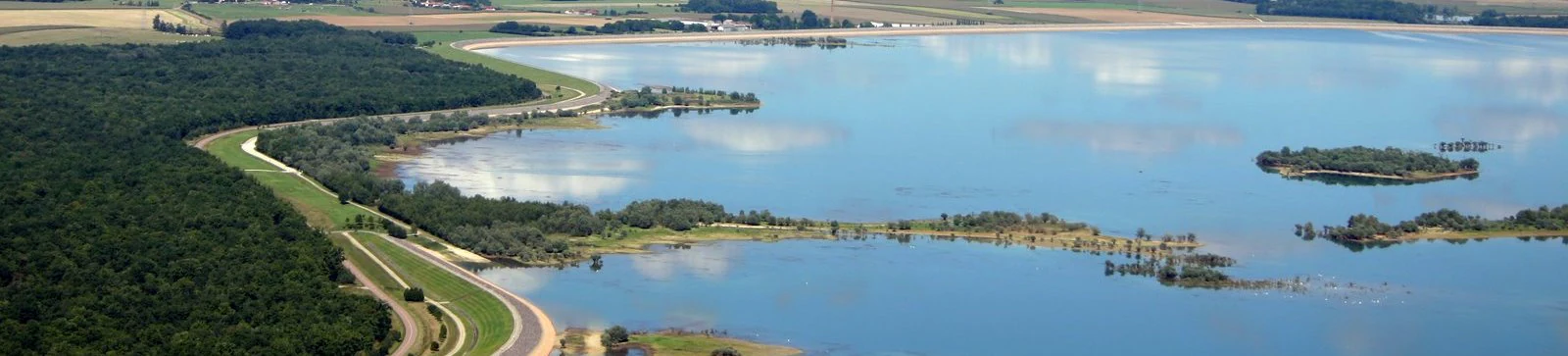
The hydrological history of the reserve long predates its formal protection. The Grands Lacs de Seine, the system of reservoirs whose edges the reserve protects, were designed and built from the 1960s onward as a major flood-control measure for the Paris Basin. The full reservoir system was completed during the 1990s, and as lakes matured, natural habitats developed along their fringes: expanding reedbeds, pastures, and forests colonized newly created shorelines and water-level fluctuations generated mudflats rich in aquatic and wetland species.
The surrounding natural environments quickly proved ecologically valuable, and pressure grew for formal protection. In 2002, the French State responded by creating the Réserve naturelle nationale de la forêt d'Orient by decree on 9 July 2002. The Parc naturel régional de la forêt d'Orient was designated as the managing body, ensuring that the new reserve would fit within the wider regional conservation strategy for the Champagne wetlands. Since then, the reserve has been recognized through additional designations such as Ramsar, ZICO, ZPS, and ZSC, reinforcing its role as a key node in the European wetland network.
Réserve naturelle nationale de la forêt d'Orient landscape and geographic character
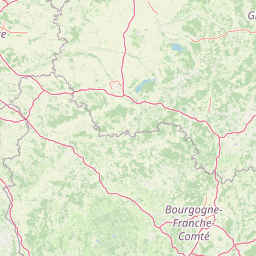
The landscape of the reserve is shaped by water. The lakes d'Orient, Amance, and du Temple form the central geographic feature, their broad open surfaces bordered by gently sloping shorelines that change with the seasons. Where reservoir levels drop, large areas of mudflat and shallow water are exposed, creating transitional zones between true water and dry land. These lake-edge habitats dominate much of the reserve and give it a distinctive open, watery character.
Around the lakes, a stepped gradient of wet meadows and reedbeds softens the transition between aquatic and terrestrial environments. The reedbeds, in particular, are strongly visible features along the Amance and Temple lakes, where tall stands of reeds frame the water. Beyond the wetlands, the scenery shifts to closed-canopy oak-hornbeam woodland, a classical Champagne forest cover that gives the broader Parc naturel régional its name. The combination of broad lake surfaces, shimmering reed walls, damp meadows, and dense deciduous forest creates a landscape of strong contrasts: open and reflective in the wetland sectors, dark and shaded in the forested core.
Réserve naturelle nationale de la forêt d'Orient ecosystems, habitats, and plant life
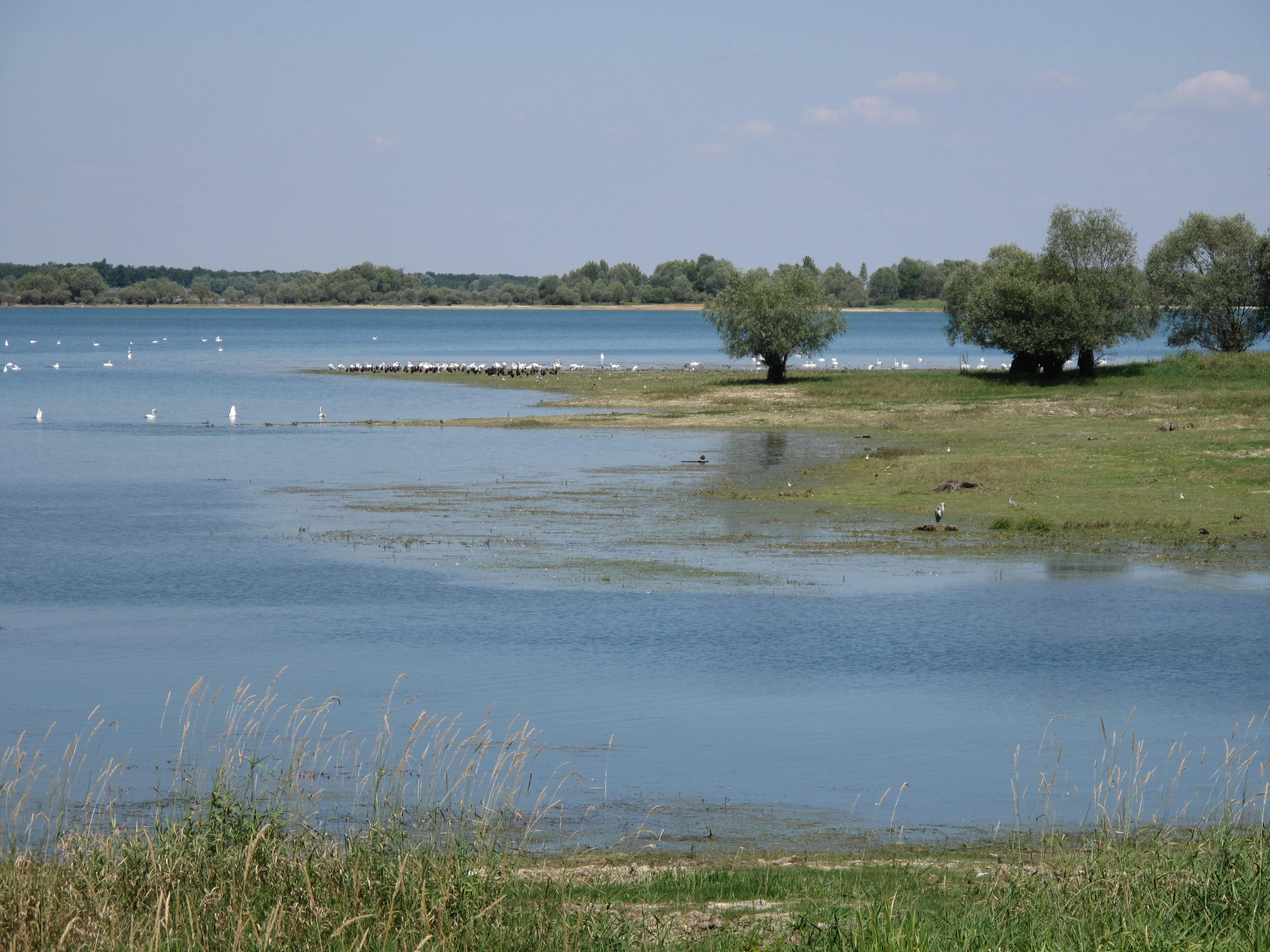
Ecologically, the reserve is a mosaic rather than a single habitat. The lake sector is dominated by fluctuating water levels, which continually generate vasières, or mudflats, that host specialized aquatic and paludal plant communities. Notable plant species include the greater spearwort and common fleabane, both characteristic of seasonally disturbed wetland margins. The reedbeds and humid meadows extend this aquatic influence into the terrestrial zone, while the oak-hornbeam forests provide mature woodland habitat in the better-drained interior.
The diversity of habitats translates into a particularly rich biodiversity profile. Water-level variation is the keystone ecological process, since it determines which plants and animals can flourish along the lake edges at any given moment. This dynamic ecological buffer is what makes the reserve so attractive to migratory and breeding birds, amphibians, and invertebrates. The reserve's biodiversity is also underwritten by its position between forested Champagne and broader European wetland networks; it functions as a stepping stone for species moving between the wooded uplands, the Champagne humide, and more distant Ramsar sites along the Seine corridor.
Réserve naturelle nationale de la forêt d'Orient wildlife and species highlights
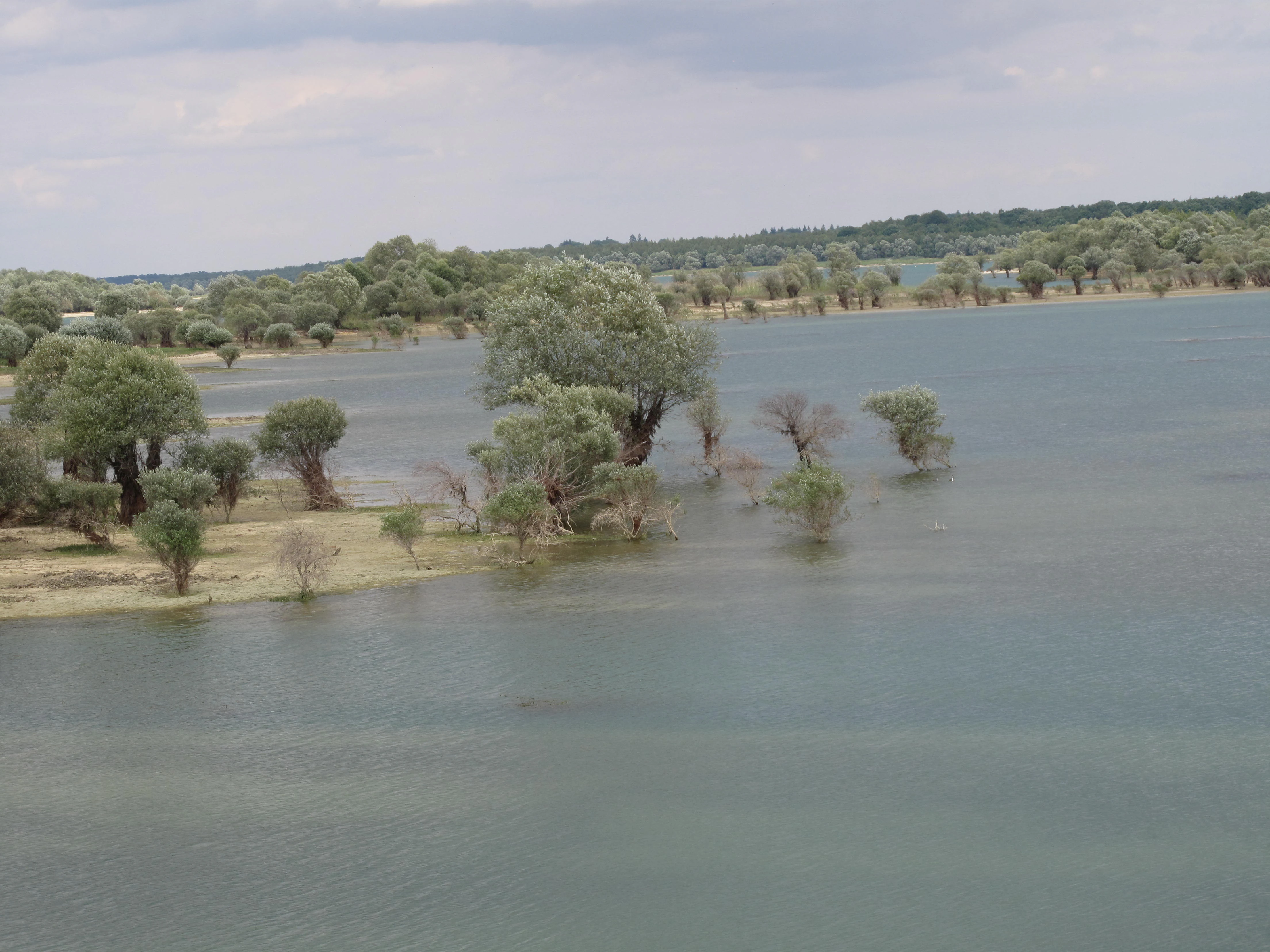
Wildlife is the reserve's signature feature. The area is particularly important for birds, with more than 200 recorded species, of which around 92 breed locally. Migratory waterfowl are the most visible seasonal presence: black storks, bean geese, greylag geese, Bewick's swans, Eurasian teal, common goldeneyes, and smews all use the lakes and their mudflats at different times of year. The mix of open water, marsh, reedbed, and forest supports both aquatic and woodland species simultaneously, making the reserve attractive to a wide range of bird specialists.
In the terrestrial habitats, the fauna is equally diversified. Around 40 mammal species occur, including 16 bat species. Notable protected mammals include the European wildcat, the European polecat, the barbastelle bat, and the European otter, the latter being a particularly significant indicator of the area's wetland health. Amphibians are represented by species such as the yellow-bellied toad, fire salamander, and great crested newt, while three notable reptile species, the grass snake, the slow worm, and the viviparous lizard, are documented in the area.
Invertebrate diversity is exceptional. Approximately 800 beetle species have been inventoried, while dragonflies and damselflies are abundant around the lakes and reedbeds. This invertebrate richness, in turn, supports the broader food web that sustains the area's birds, amphibians, and bats. The combination of rich avifauna, a mammal community that includes several iconic European species, and an unusually diverse invertebrate fauna gives the reserve an unusually well-rounded faunal profile for an inland French wetland reserve.
Réserve naturelle nationale de la forêt d'Orient conservation status and protection priorities
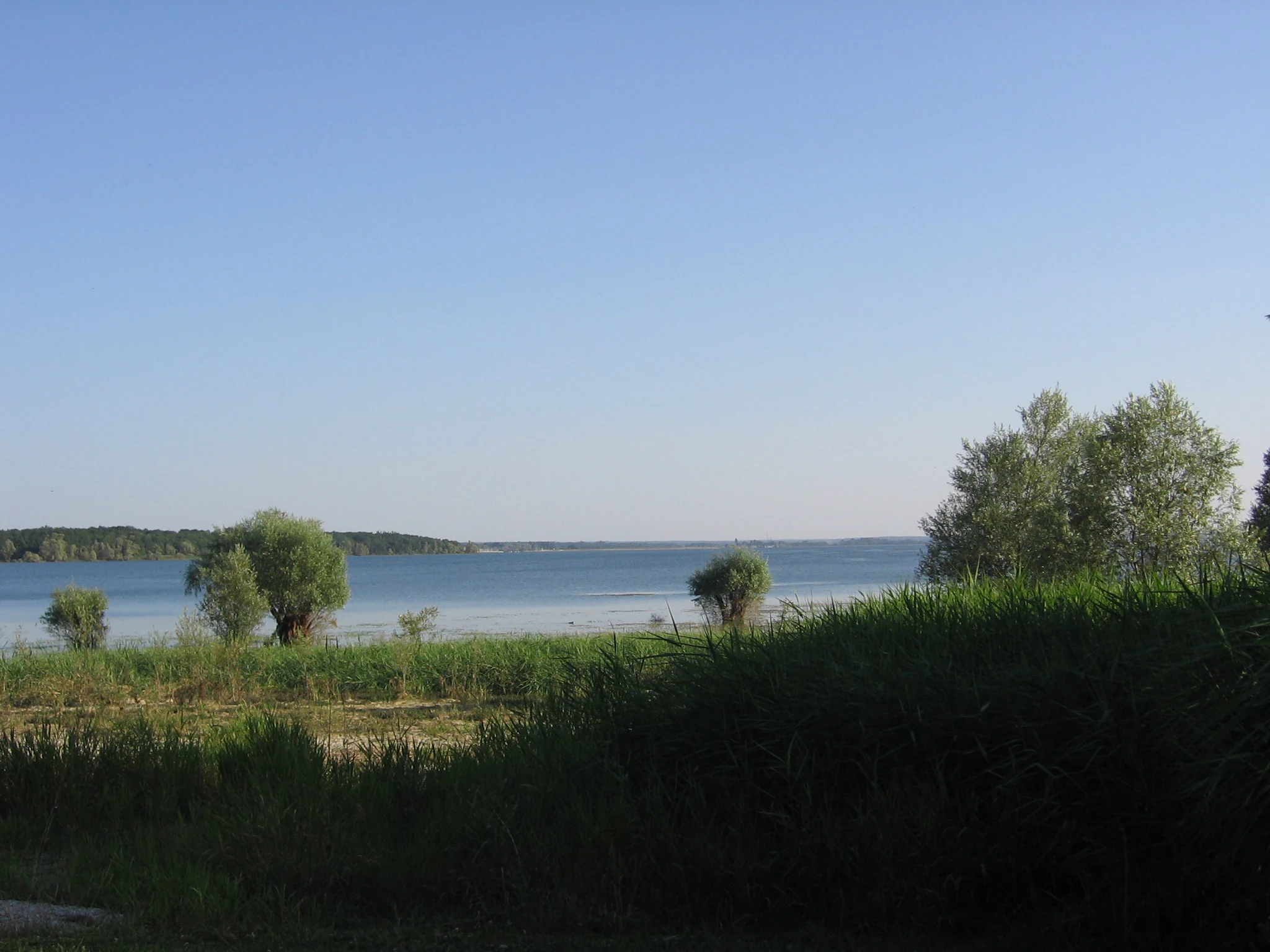
The conservation significance of the reserve operates at several scales. Locally, it safeguards roughly 1,560 hectares of habitat around the Aube lakes, including the mudflats, reedbeds, meadows, and oak-hornbeam forests that would otherwise be vulnerable to drainage, forestry intensification, or overuse. Because the lakes are artificial and managed for flood control, the reserve's role is to protect the natural communities that have developed around them rather than the lakes themselves.
At the national level, the reserve's designation as a Réserve naturelle nationale places it among France's strongest terrestrial conservation instruments, with regulatory protection against activities that could harm the natural heritage of the site. At the European and international level, the reserve layers into multiple frameworks: it sits within the Ramsar site Étangs de la Champagne humide, is recognized as a ZICO for bird conservation, includes ZNIEFF inventories, and falls within both a Special Protection Zone and a Special Area of Conservation under Natura 2000. Its management by the regional natural park also helps align reserve policies with broader landscape-level conservation in the Champagne humide.
Réserve naturelle nationale de la forêt d'Orient cultural meaning and human context
The reserve sits within the cultural landscape of the Champagne humide, a region historically shaped by wet meadows, small-scale grazing, forestry, and more recent large-scale hydraulic engineering. The construction of the Grands Lacs de Seine from the 1960s onward not only transformed the hydrology of the area but also altered regional identity, turning a previously agricultural and forested landscape into one dominated in part by large reservoirs. The reserve reflects a deliberate effort to integrate this modern engineering infrastructure with the conservation of a distinctive regional wetland heritage, and it is now a recognized symbol of the Aube department's environmental identity.
Top sights and standout views in Réserve naturelle nationale de la forêt d'Orient
Three habitat systems, lacustrine, paludal, and forest, layered around a single reservoir complex.
More than 200 bird species recorded, including migratory waterfowl such as black stork, Bewick's swan, and common goldeneye.
A mammal fauna rich in protected species, including European wildcat, European otter, polecat, and multiple bat species, supported by 40 mammal species overall.
Reserve within a Ramsar wetland, Natura 2000 zones, and a ZICO, making it a node in European bird and wetland conservation.
Best time to visit Réserve naturelle nationale de la forêt d'Orient
Seasons strongly shape the experience of the reserve. Spring and early summer are the best periods for forest life and breeding birds, including woodland species, amphibians in the wet meadows, and many of the 92 breeding bird species that nest within and around the reserve. Late summer and autumn are defined by the dynamics of falling water levels: retreating lake edges expose fresh mudflats and attract large numbers of migratory waterfowl, while wetland plants like common fleabane come into their own.
Winter is one of the most rewarding seasons for visitors interested in birds, since the lakes host substantial populations of overwintering ducks, geese, and swans. The lake and reedbed scenery remains atmospheric throughout the colder months, and bird movements against bare winter forest can be especially visible. Because the reserve itself is closed to the public, all observation must rely on peripheral viewpoints, hides such as the Observatoire de Valois, and the Maison du Parc, and these facilities can be especially active during migration and wintering periods.