
Mori Atlas logo
Nature reserveRéserve naturelle régionale de l'étang et prairie humide des Paquis

Examining the ecological boundaries and habitat characteristics of this unique Marne department nature reserve

Réserve naturelle régionale de l'étang et prairie humide des Paquis: A Protected Wetland Landscape in Grand Est

(Réserve naturelle régionale de l'étang et prairie humide des Paquis (RNR274))

The Réserve naturelle régionale de l'étang et prairie humide des Paquis represents a vital protected node within the intensively cultivated agricultural plains of the Marne department in northeastern France. This managed nature reserve pairs a standing freshwater pond with an adjoining wet prairie to create a coherent, small-scale wetland complex. Through its specialized management by the Ligue pour la protection des oiseaux, the site functions as a essential refuge for birdlife and indigenous flora, offering a clear window into regional conservation efforts across the Grand Est administrative territory.

wetlandpondwet meadowregional nature reservebird conservationLPO managed
A digital flat-style illustration of a green mountain valley with a waterfall cascading from rocky cliffs, a river, and a wooden fence in the foreground.

Réserve naturelle régionale de l'étang et prairie humide des Paquis

Nature reserve

Park overview

Structured park overview, official facts, and landscape profile for Réserve naturelle régionale de l'étang et prairie humide des Paquis

Réserve naturelle régionale de l'étang et prairie humide des Paquis park facts, protected area profile, and essential visitor context

Review the core facts for Réserve naturelle régionale de l'étang et prairie humide des Paquis, including designation, size, terrain, visitor scale, habitats, and operating context in one park-focused overview.

About Réserve naturelle régionale de l'étang et prairie humide des Paquis

The Réserve naturelle régionale de l'étang et prairie humide des Paquis is a compact regional nature reserve situated on the commune of Larzicourt in the Marne department of northeastern France. Although it covers only around 8.31 hectares, the reserve embodies a focused conservation approach typical of the French réseau des réserves naturelles régionales, where small, ecologically significant sites are protected with active management rather than left as untouched wilderness.

The landscape character of the reserve centers on the pairing of a pond and a wet meadow, two tightly linked wetland habitats that support overlapping communities of plants, invertebrates, amphibians, and birds. In the regional context of the Marne, where open agricultural land dominates, this kind of permanent and semi-permanent wetland habitat is ecologically precious. It provides resting, feeding, and breeding conditions for waterbirds and other wetland-dependent species, as well as functioning as a refuge for moisture-loving plants that have largely disappeared from surrounding arable fields.

The reserve was formally created on 20 January 2014 by a deliberation of the Conseil régional, and it is administered by the Ligue pour la protection des oiseaux (LPO), France's leading bird protection organization. This stewardship arrangement is significant: it ties the site's day-to-day management to an institution with deep expertise in ornithology and wetland conservation, and it situates the Paquis reserve within a broader national network of sites managed for birdlife and associated habitats.

The reserve carries the identifier RNR274 and falls under IUCN Category IV. This category designates protected areas managed primarily for the conservation of particular habitats or species, often requiring intervention such as water level management, grazing regulation, or invasive species control to maintain the habitats for which the site was designated. Such an approach is well suited to a small lowland wetland reserve like the Paquis, where passive protection alone is rarely enough to keep open water, wet grassland, and their characteristic biodiversity intact in a working agricultural landscape.

Although the reserve is modest in extent, it plays a meaningful local and regional role. It contributes to the ecological connectivity of remaining wetland patches in the Champagne-Ardenne countryside, offers a reference site for understanding lowland wetland biodiversity, and provides a focus for conservation engagement by the LPO and its local partners. Its combination of pond, wet meadow, and active stewardship makes it a small but well-defined example of regional wetland protection in the Grand Est.

Quick facts and research context for Réserve naturelle régionale de l'étang et prairie humide des Paquis

The Réserve naturelle régionale de l'étang et prairie humide des Paquis is a regional nature reserve (réserve naturelle régionale) in the Marne department of northeastern France, part of the Grand Est region. It was officially classified on 20 January 2014 by a deliberation of the Regional Council and covers approximately 8.31 hectares on the commune of Larzicourt.

The reserve combines a pond (étang) with an adjoining wet meadow (prairie humide), forming a compact wetland complex within a broader agricultural landscape. It is managed by the Ligue pour la protection des oiseaux (LPO) and is classified under IUCN Category IV, reflecting its role in habitat and species conservation through active management.

Protection and recognition

Documented conservation status, official designation records, and protected area framework details

Réserve naturelle régionale de l'étang et prairie humide des Paquis Protection Status and Recognition

Comprehensive protected area records compile the documented protection status and designation details for Réserve naturelle régionale de l'étang et prairie humide des Paquis. Official database metrics trace management frameworks and formal recognition records for accurate geographical analysis.

Protection details

WDPA ID
555561888
Park context

Deeper park guide and search-rich context for Réserve naturelle régionale de l'étang et prairie humide des Paquis

Réserve naturelle régionale de l'étang et prairie humide des Paquis history, landscape, wildlife, and travel context

Explore Réserve naturelle régionale de l'étang et prairie humide des Paquis through its history, landscape character, ecosystems, wildlife, conservation priorities, cultural context, and seasonal travel timing in a structured park guide built for atlas discovery and search intent.

Why Réserve naturelle régionale de l'étang et prairie humide des Paquis stands out

The reserve is best known for protecting a small but characteristic wetland complex that pairs an étang (pond) with a wet prairie, a habitat combination that is uncommon and ecologically valuable in the intensively farmed countryside of the Marne. Its management by the Ligue pour la protection des oiseaux also gives the site a clear profile around birdlife and wetland species conservation. The site stands out as a representative example of the kind of small, targeted regional reserves that fill gaps in habitat protection across French agricultural lowlands, where larger national parks or wilderness areas are absent and biodiversity depends heavily on these localized protected nodes.
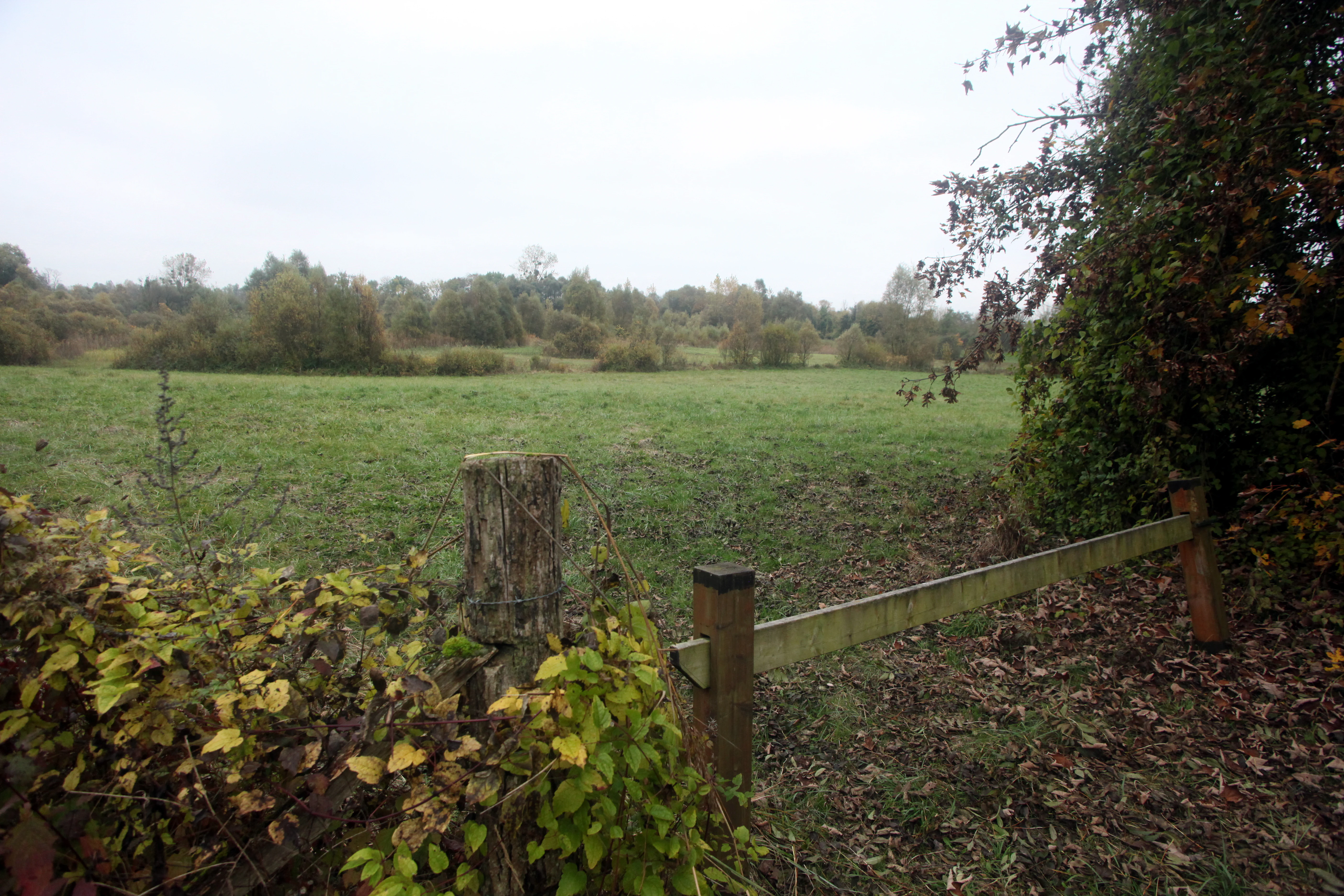
A wide view of a green, grassy field surrounded by trees and shrubs, with a simple wooden post and rail fence in the foreground under an overcast sky.
A view of the wet grassland at the Paquis nature reserve.

Réserve naturelle régionale de l'étang et prairie humide des Paquis history and protected-area timeline

The site gained formal protection status relatively recently. It was classified as a réserve naturelle régionale on 20 January 2014, following a deliberation of the Conseil régional of what was then the Champagne-Ardenne region, subsequently merged into the larger Grand Est region.

The classification process gave the pond and wet meadow complex an institutional framework for long-term conservation, and assigned its day-to-day management to the Ligue pour la protection des oiseaux (LPO), signaling an explicit emphasis on birdlife and wetland habitat. The creation date marks the beginning of regulated protection for what had previously been an unprotected wetland site embedded in the agricultural landscape of the Marne.

Réserve naturelle régionale de l'étang et prairie humide des Paquis landscape and geographic character

The reserve's landscape is defined by a narrow but characteristic wetland complex rather than dramatic topography. Its central feature is an étang, a standing freshwater pond typical of the lowland French countryside, paired with an adjoining prairie humide, a waterlogged meadow that holds moisture through much of the year.

Together these two elements form a soft, open, low-relief setting of still water, marshy edges, and herbaceous vegetation. The surrounding Marne countryside is dominated by open agricultural fields, which makes the contrast between the wet, vegetation-rich reserve and its drier cultivated surroundings especially pronounced. The site's modest scale is part of its character: small enough to read as a single coherent landscape unit, yet varied enough internally to support a range of wetland microhabitats from open water to saturated grassland.

Réserve naturelle régionale de l'étang et prairie humide des Paquis ecosystems, habitats, and plant life

The ecological identity of the reserve is built on its wetland habitats, specifically the pond and the associated wet meadow. This pairing supports a mosaic of conditions, from open water and shallow margins to periodically flooded grassland and drier tussock zones at the edges.

Such a mosaic is characteristic of lowland European wetland systems and is capable of supporting diverse communities of aquatic and marsh plants, invertebrates, amphibians, and wetland-associated birds. In the broader context of the Marne, where most natural wetland surfaces have been drained for agriculture over the past century, the habitat retained within the reserve represents a biologically valuable fragment of a once more widespread landscape type. The site's value comes less from any single species than from the persistence of this habitat complex itself.

Réserve naturelle régionale de l'étang et prairie humide des Paquis wildlife and species highlights

Although the available source material does not enumerate specific species, the reserve's character as a pond-and-wet-meadow complex managed by the Ligue pour la protection des oiseaux strongly suggests a wildlife profile centered on waterbirds, wading birds, and other wetland-dependent fauna. The LPO's stewardship places particular emphasis on birdlife, and small lowland wetland reserves of this type commonly support breeding, feeding, and stopover habitat for a range of species tied to open water, reedbeds, and damp grassland.

Beyond birds, the habitat mosaic is also likely to support amphibians, dragonflies and other aquatic invertebrates, and small mammals associated with dense wet vegetation. The reserve's role in safeguarding these communities is closely tied to its management regime, which can include water level regulation and grazing to maintain the open, dynamic conditions these species depend on.

Réserve naturelle régionale de l'étang et prairie humide des Paquis conservation status and protection priorities

The reserve's principal conservation contribution lies in the long-term safeguarding of a small but ecologically coherent wetland complex within an otherwise heavily cultivated landscape. By protecting both the standing water of the pond and the adjoining wet meadow under a single designation, the reserve maintains a habitat mosaic that is increasingly rare in the Marne lowlands.

Its IUCN Category IV status indicates active management aimed at preserving specific habitats and species, a fitting approach for a lowland wetland where natural processes alone do not always maintain open water and open grassland in the face of vegetation succession. The involvement of the Ligue pour la protection des oiseaux as administrator also embeds the site within a wider national framework of wetland and bird conservation efforts, increasing its reach beyond the local scale.

In regional terms, the Paquis reserve functions as one of many small protected nodes that together sustain biodiversity across the agricultural countryside of northeastern France. Its modest size is compensated by its targeted focus and by the fact that every hectare of protected wetland in such a landscape is disproportionately valuable for overall ecological resilience.

Réserve naturelle régionale de l'étang et prairie humide des Paquis cultural meaning and human context

The reserve does not have a strongly documented cultural or historical dimension beyond its place within the rural landscape of the Marne. It sits within a commune whose agricultural identity has long shaped the surrounding countryside, and the wetland it protects can be read as a surviving element of a more historically water-rich agricultural landscape, much of which has been drained over the modern era.

The site's protection is itself a cultural statement of sorts: a deliberate choice by the regional authorities and an established national conservation NGO to value a small piece of working wetland landscape for its ecological rather than its productive role.

Top sights and standout views in Réserve naturelle régionale de l'étang et prairie humide des Paquis

The reserve's standout features include the compact pairing of an étang and a wet prairie, its placement within the open agricultural countryside of the Marne, and its active management by the Ligue pour la protection des oiseaux. These elements combine to make it a small but well-defined example of targeted regional wetland conservation in northeastern France.

The site's recent, formally documented classification also makes it a useful reference point for understanding how France's regional nature reserve network fills ecological gaps in intensively cultivated regions, where larger landscape-level protections are not feasible.

Best time to visit Réserve naturelle régionale de l'étang et prairie humide des Paquis

Seasonal character at a pond and wet meadow reserve like the Paquis is shaped largely by water levels, vegetation growth, and bird activity. Spring and early summer typically bring the most active birdlife, with breeding behaviors and peak plant growth in the wet meadow, while autumn, as visible in available imagery of the site, offers a quieter, more contemplative atmosphere with mature vegetation and migratory passage.

Wet conditions can persist outside the warmest months, so visitors should generally expect damp ground and an overall wetland atmosphere. The reserve is modest in size and is best approached as a short observational visit focused on wetland habitat and birdlife rather than as a destination for extended touring.
Monthly climate preview

Long-term monthly temperature averages and precipitation patterns for Réserve naturelle régionale de l'étang et prairie humide des Paquis

Climate Normals and Annual Temperature Range for Réserve naturelle régionale de l'étang et prairie humide des Paquis

Measured coordinates for Réserve naturelle régionale de l'étang et prairie humide des Paquis record mean temperatures ranging from freezing winter lows to warm summer highs alongside steady daily precipitation. Detailed monthly climate normals provide a complete analytical profile of long-term atmospheric patterns across the protected terrain.
Annual mean10 °C
2 °C19 °C
Jan
Feb
Mar
Apr
May14°
Jun17°
Jul19°
Aug19°
Sep15°
Oct11°
Nov
Dec
Warmest month
July

19.4 °C

Coolest month
January

1.5 °C

Wettest month
December

2.6 mm/day

Driest month
April

1.7 mm/day

Park location guide

Geography guide, regional context, and park location map for Réserve naturelle régionale de l'étang et prairie humide des Paquis

Réserve naturelle régionale de l'étang et prairie humide des Paquis park geography, regions, and map view in France

Understand where Réserve naturelle régionale de l'étang et prairie humide des Paquis sits in France through a broader geographic reading of the surrounding landscape, nearby location context, and its mapped position within the national park landscape.

How Réserve naturelle régionale de l'étang et prairie humide des Paquis fits into France

France is a unitary semi-presidential republic and one of the world's largest economies. It borders Belgium, Luxembourg, Germany, Switzerland, Italy, Monaco, Andorra, and Spain, with a maritime border to the United Kingdom. The country is known for its cultural influence, art, cuisine, and political history spanning centuries.

Wider geography shaping Réserve naturelle régionale de l'étang et prairie humide des Paquis in France

France is located in Western Europe. Metropolitan France extends from the Rhine to the Atlantic Ocean and from the Mediterranean Sea to the English Channel and North Sea. The country borders Belgium, Luxembourg, Germany, Switzerland, Italy, Monaco, Andorra, Spain, and has a maritime border with the United Kingdom.

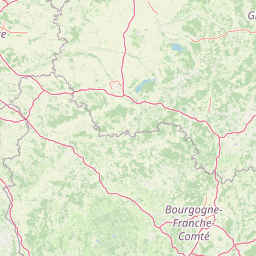
Map view of Réserve naturelle régionale de l'étang et prairie humide des Paquis

Use this park location map to pinpoint Réserve naturelle régionale de l'étang et prairie humide des Paquis in France, understand its exact geographic position, and read its mapped placement within the surrounding landscape more clearly.

Pigeon | © OpenStreetMap contributors

Location context for Réserve naturelle régionale de l'étang et prairie humide des Paquis

Grand Est

Visual exploration of wetland habitats, ponds, and protected lowland landscapes

Réserve naturelle régionale de l'étang et prairie humide des Paquis Photos and Scenery

Browse detailed photography of Réserve naturelle régionale de l'étang et prairie humide des Paquis to examine its unique pairing of freshwater ponds and waterlogged meadows. Visual documentation reveals the distinct terrain, marshy edges, and habitat characteristics that define this protected wetland environment within the agricultural Marne countryside.

A wide view of a green, grassy field surrounded by trees and shrubs, with a simple wooden post and rail fence in the foreground under an overcast sky.

Park atlas

Compare regional wetland reserves and protected natural areas across northeastern France

Other Parks Near Réserve naturelle régionale de l'étang et prairie humide des Paquis

Continue browsing adjacent protected landscapes and wetland reserves following Réserve naturelle régionale de l'étang et prairie humide des Paquis. Regional comparisons reveal connected habitat networks across surrounding agricultural lowlands.
A horizontal watercolor illustration showing a pond with green trees, reeds, and low hills in the background against a white backdrop.
Nature reserveGrand Est
About 34 km away#1 closest

South

Réserve naturelle régionale de l'étang de Ramerupt: Geography and Protected Wetland Atlas

Mapping the historic Champagne humide pond landscape in Grand Est

Examine the dense wetland mosaic of Réserve naturelle régionale de l'étang de Ramerupt, a 33-hectare sanctuary in the Aube department. This resource traces the pond edges, reedbed structures, and wet woodland terrain that comprise this essential regional nature reserve, highlighting the intersection of human water management and natural marshland succession in the French countryside.

Area
0.336 km²
Established
2010
IUCN
IV
Relief
Lowland
A soft, horizontal watercolor painting depicting a calm wetland landscape with grassy banks, distant forested hills, and a pale, misty sky.
Nature reserveFrance
About 39 km away#2 closest

Northeast

Réserve naturelle régionale des étangs de Belval-en-Argonne: Protected Area and Wetland Geography

Mapped pond systems in the Marne department of France.

This protected area features a unique mosaic of five historic pond basins set within a gentle plateau landscape. The site is a cornerstone of the Champagne humide wetland system, defined by its interconnected open water, reedbed margins, and wet woodland habitats that support diverse waterbird and amphibian populations across the Argonne region.

Area
2.037 km²
Established
2012
Relief
Lowland
Climate
Temperate
A soft watercolor painting of a calm lake scene featuring small grassy islands with trees, surrounded by marshy vegetation under a light, hazy sky.
Nature reserveGrand Est
About 43 km away#3 closest

Southwest

Réserve naturelle nationale de la forêt d'Orient: Protected Landscapes and Wetland Mapping

Key protected area in the Grand Est region of France

Investigate the geographic structure of Réserve naturelle nationale de la forêt d'Orient, a reserve shaped by reservoir-driven water cycles. This protected area features a diverse arrangement of lake-edge mudflats, expansive reedbeds, and temperate forest cover. Gain insight into the regional importance of these habitats as a node for migratory bird pathways and native terrestrial biodiversity in eastern France.

Area
15.6 km²
Established
2002
IUCN
IV
Relief
Lowland
Nature reserveGrand Est
About 45 km away#4 closest

Northwest

Réserve naturelle régionale du Savart de la Folie: Regional Protected Landscape Analysis

Tracing the dry grassland ecosystems of the Grand Est region

Deep dive into the geography of the Réserve naturelle régionale du Savart de la Folie in France. This site highlights the preservation of steppe-like savart habitats within the Champagne region, showcasing the importance of regional nature reserves in protecting specific dry, chalky grasslands.

Area
0.636 km²
Established
2026
IUCN
IV
Scope
Terrestrial
Watercolor painting of an open, undulating rural landscape with patches of green vegetation, trees, and golden fields under a soft white sky.
Nature reserveGrand Est
About 46 km away#5 closest

South

Réserve naturelle régionale de la pelouse de la côte de l'étang: Regional Nature Reserve Geography

Calcareous grassland protected area in the Grand Est region of France

Discover the geographic character of Réserve naturelle régionale de la pelouse de la côte de l'étang. This reserve showcases a specialized dry grassland landscape on a sun-drenched slope, providing a critical haven for rare flora and fauna in the heart of the Barrois champenois territory.

Area
0.108 km²
Established
2010
IUCN
IV
Relief
Upland
Nature reserveGrand Est
About 55 km away#6 closest

Southwest

Réserve naturelle régionale des prairies humides de Courteranges: Protected Landscape Map

Barse Valley wetlands and meadow mosaic in Grand Est

This protected area preserves an intricate network of humid grasslands and traditional hay meadows along the Barse river. Its geography showcases a rare mosaic of wetland vegetation and managed habitats that provide critical ecological continuity within the Grand Est natural network.

Area
0.277 km²
Established
2010
IUCN
IV
Relief
Lowland
Watercolor illustration of a forested landscape with rolling hills, distant mountains, and a sky with soft pastel colors
National parkFrance
About 68 km away#7 closest

South

Forêts National Park: A Protected Landscape of Lowland Deciduous Forests

Explore its unique geography and protected forest ecosystems.

Delve into Forêts National Park, a significant protected area in northeastern France dedicated to preserving lowland deciduous forests and their associated biodiversity. This park represents a unique atlas entry for understanding mapped protected lands, featuring extensive broad-leaved forest tracts, diverse wetlands, and limestone grasslands across the Grand Est and Bourgogne-Franche-Comté regions. Discover the geographic identity of this conservation landscape and its role within the Paris Basin's terrain.

Area
560 km²
Established
2019
IUCN
II
Relief
Lowland
A soft watercolor illustration of a wetland scene with a small pool of water in the foreground, grassy meadows, and distant hills and trees in the background.
Nature reserveGrand Est
About 71 km away#8 closest

West

Réserve naturelle régionale du marais de Reuves: Protected Wetland and Geography

A vital ecological enclave within the Grand Est region of France.

The Réserve naturelle régionale du marais de Reuves provides a detailed look at the hydrology and terrain of the Marais de Saint-Gond. This nature reserve protects varied habitats including open ponds, peatlands, and alluvial forests. Understanding its boundaries reveals how localized conservation efforts preserve essential wetland character against surrounding intensive agricultural development.

Area
0.64 km²
Established
2008
IUCN
IV
Relief
Lowland

Common questions about visiting, size, designation, and location context for Réserve naturelle régionale de l'étang et prairie humide des Paquis

Réserve naturelle régionale de l'étang et prairie humide des Paquis FAQs for park facts, access, geography, and protected area context

Find quick answers about Réserve naturelle régionale de l'étang et prairie humide des Paquis, including protected-area facts, park geography, trail and visitor context, and how the park fits into its surrounding country and regional landscape.
MoriAtlas Explorer

Continue Your Protected Areas Search Across the Global Atlas

Deepen your exploration by continuing the structured search for national parks and protected areas worldwide. Utilize the comprehensive filtering capabilities to compare different conservation landscapes and refine your understanding of global park geography. Discover more about the distribution and characteristics of protected natural areas.

Global natural geography