Idaho's flagship national forest, named for its jagged Sawtooth Mountains and threaded with rivers, lakes, and wilderness.
Sawtooth National Forest
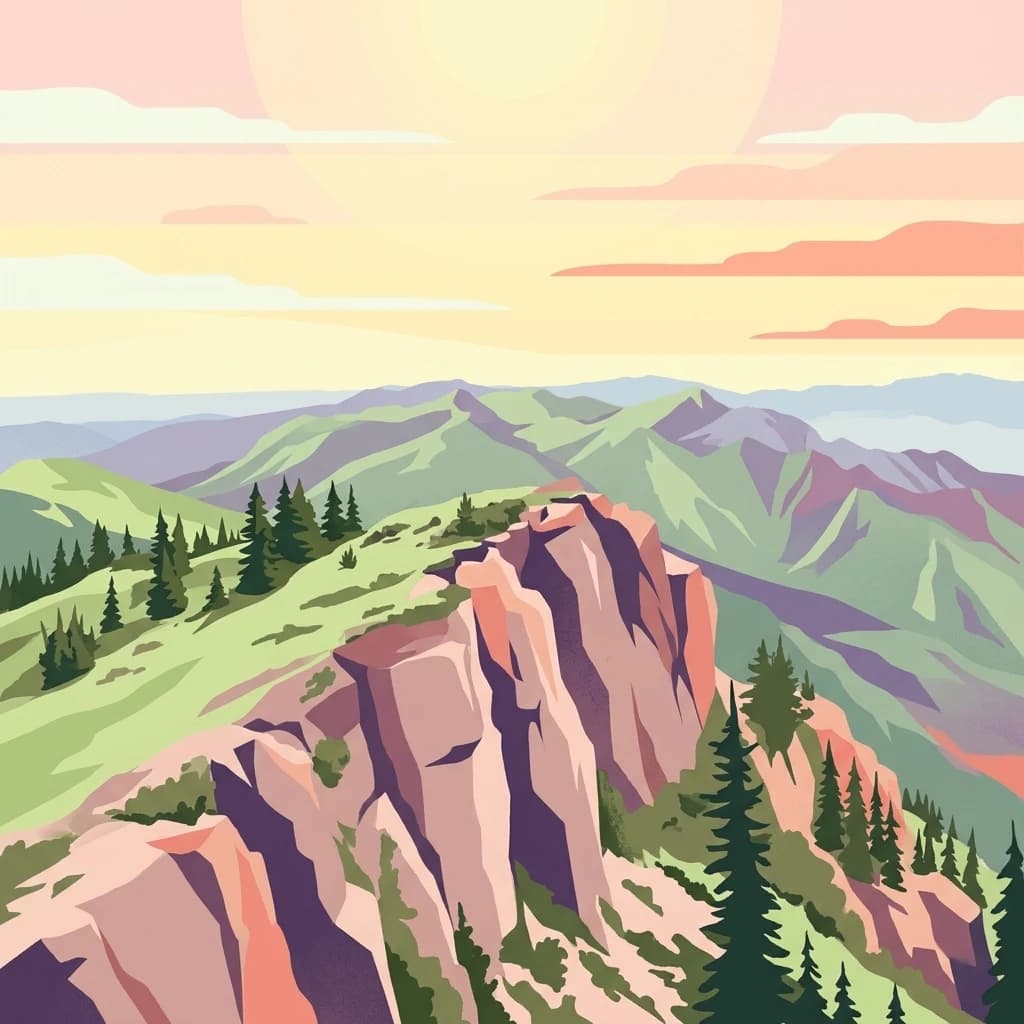
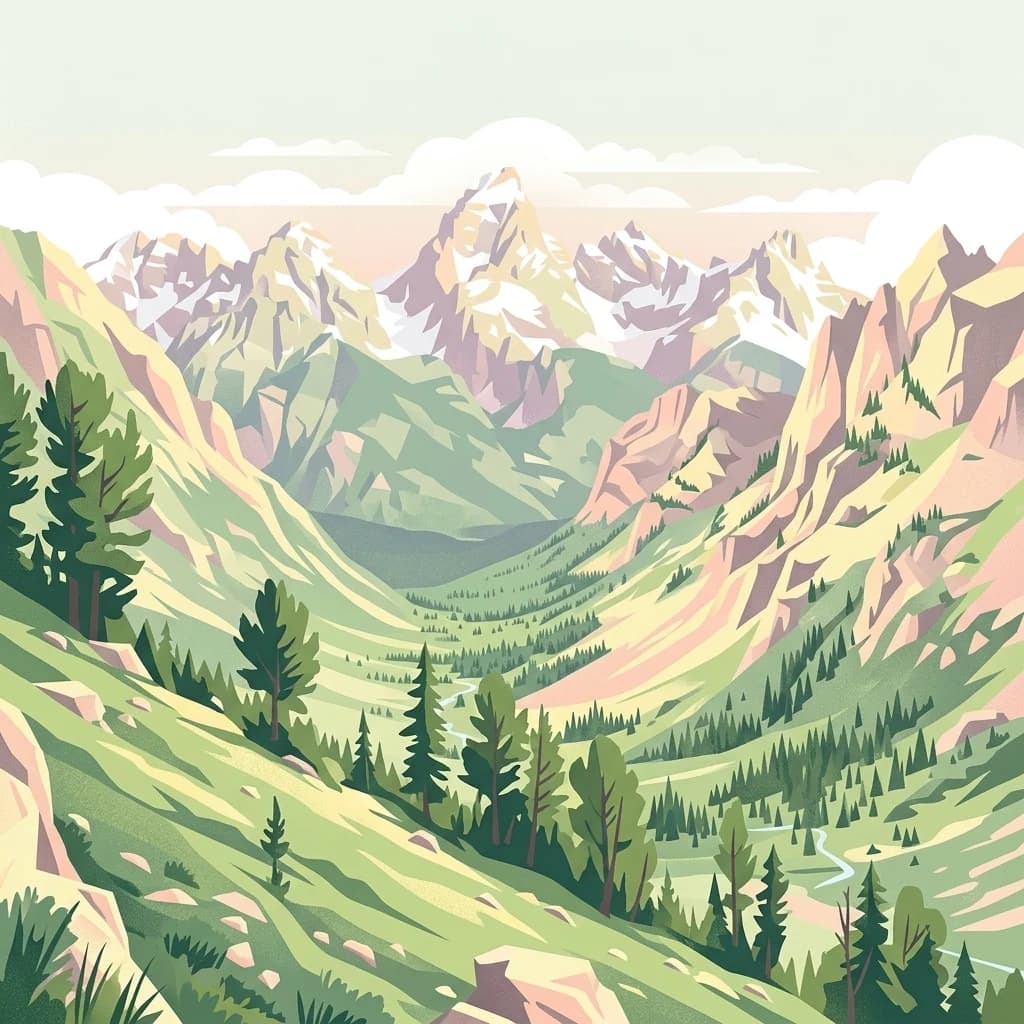
Sawtooth National Forest is a vast federally protected natural landscape in central and southern Idaho, with a small portion extending into northwestern Utah. It stretches across roughly two million acres of mountainous terrain in the northern Rocky Mountains and parts of the Basin and Range Province, and it was named for the jagged, tooth-like skyline of the Sawtooth Range that traverses its heart.
The forest is organized around the Sawtooth National Recreation Area (SNRA) plus three ranger districts: Fairfield, Ketchum, and Minidoka. Within its boundaries lie the Sawtooth, Cecil D. Andrus–White Clouds, and Hemingway–Boulders wilderness areas, all of which represent some of the state's most rugged and clean-air landscapes. The forest protects a striking gradient of habitats, from low-elevation sagebrush steppe up through coniferous forests, alpine lakes, and high tundra.
Beyond its wild character, Sawtooth National Forest plays a central role in Idaho's outdoor identity. It feeds water to the Snake River Plain, anchors one of the country's most historic ski regions around Sun Valley, and hosts more than a million visitors each year. The landscape is deeply tied to Shoshone heritage, nineteenth-century mining and trapping history, and ongoing debates over wilderness and resource use that have shaped Idaho conservation policy for decades.