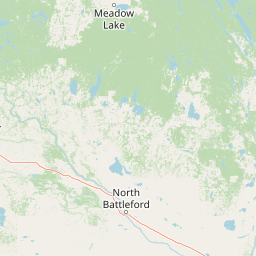
Why Scent Grass Lake Migratory Bird Sanctuary stands out
Scent Grass Lake is best known as a breeding and molting ground for prairie waterfowl in a transitional parkland setting. It serves not only ducks that nest on the lake itself but also those that breed on the neighbouring Moore Lake, making it a regionally important molting site. In late autumn the sanctuary regularly holds large concentrations of dabbling ducks such as mallards and northern pintails, and very large flocks of geese including Canada geese, greater white-fronted geese, lesser snow geese, and Ross's geese.
Scent Grass Lake Migratory Bird Sanctuary history and protected-area timeline
Scent Grass Lake Migratory Bird Sanctuary was established on November 3, 1948, as one of five new migratory bird sanctuaries created in Saskatchewan. The new reserves were designated to replace five earlier bird sanctuaries in the province that had become unsuitable for waterfowl protection because of prolonged drought. By selecting fresh sites with more reliable water and wetland conditions, the Canadian Wildlife Service aimed to maintain effective protection for breeding ducks and migratory geese in the Aspen Parkland belt.
The establishment of Scent Grass Lake was strongly influenced by the long-standing duck colony on the neighbouring Moore Lake. Using Scentgrass Lake as a seasonal gathering and molting area for ducks breeding at Moore Lake allowed the wildlife service to extend the conservation value of the broader area. Since its creation, the sanctuary has been continuously protected under federal migratory bird sanctuary legislation and has remained one of the small but dependable prairie wetland reserves in the Saskatchewan portion of the national system.
Scent Grass Lake Migratory Bird Sanctuary landscape and geographic character
The sanctuary sits within the Aspen Parkland ecoregion, one of the natural transition zones between the boreal forest to the north and the open prairie to the south. The landscape around Scentgrass Lake is relatively flat, but ecologically varied because of the blending of wooded parkland and agricultural prairie. Within the sanctuary itself, the terrain is dominated by the open water of Scentgrass Lake, with fringing sedge marshes that form much of the shoreline.
An earthen dam constructed on the western side of the lake and a dike on the eastern side have been used to maintain a more consistent water level. These structures help soften the natural seasonal fluctuations that would otherwise leave the lake vulnerable to extreme drawdowns in dry years and heavy flooding in wet years. Page Creek enters the east side of the lake, delivering seasonal runoff that, together with snowmelt and rainfall, sustains the wetland through the open-water season.
Scent Grass Lake Migratory Bird Sanctuary ecosystems, habitats, and plant life
The Aspen Parkland setting gives Scent Grass Lake a distinctive ecological character, because it sits at the meeting point of grassland, wetland, and woodland habitats. The sanctuary itself is dominated by open water and sedge marsh, which together create one of the more dependable wetland habitats for waterfowl in the region. These shallow water and emergent vegetation communities support a rich community of breeding, molting, and staging waterbirds.
The open-water component of the sanctuary makes up the bulk of its area, while the marsh portions, dominated by sedge species, provide important cover for nesting birds and brood-rearing habitat. Because the wetland remains relatively stable across seasons, the site offers reliable feeding and resting conditions not only for local breeders but also for waterfowl that move in from neighbouring habitats, especially the Moore Lake colony to the west. The interplay of prairie farmland, scattered aspen woodland, and this protected wetland creates a working mosaic that supports a higher density of wetland life than the surrounding agricultural land alone could sustain.
Scent Grass Lake Migratory Bird Sanctuary wildlife and species highlights
Scent Grass Lake supports a rich community of waterbirds typical of the Aspen Parkland region. A wide variety of duck species use the lake as a breeding site, and the sanctuary is especially valued as a molting area both for ducks that nest on the lake and for those that breed at the adjacent Moore Lake. In late autumn the sanctuary can hold up to around two thousand ducks, dominated by mallards and northern pintails, alongside flocks of up to roughly seven thousand geese. The goose concentrations include Canada geese, greater white-fronted geese, lesser snow geese, and Ross's geese.
Beyond the dominant waterfowl, the sanctuary also provides breeding or suspected breeding habitat for a broader community of marsh and shoreline birds. Recorded or suspected breeders include pied-billed grebes, least bitterns, black-crowned night herons, sora rails, killdeer, willets, spotted sandpipers, Hudsonian godwits, Wilson's snipes, Wilson's phalaropes, Franklin's gulls, black terns, marsh wrens, red-winged blackbirds, and yellow-headed blackbirds. Together these species reflect the typical mix of grebes, herons, rails, shorebirds, gulls, terns, and wetland songbirds associated with prairie sloughs and marsh complexes.
Scent Grass Lake Migratory Bird Sanctuary conservation status and protection priorities
The sanctuary's protected status is its central conservation value. By safeguarding the open water and sedge marsh of Scentgrass Lake, the reserve maintains one of the few reliably wet habitats in a Saskatchewan landscape where most natural wetlands have been lost to drainage and cultivation. Its role as a federal migratory bird sanctuary, administered by the Canadian Wildlife Service, gives the site long-term legal protection against habitat conversion and adds it to the broader national network of waterfowl refuges across Canada.
Ecologically, the sanctuary is also significant because it complements nearby Moore Lake, which hosts a long-established duck breeding colony. Together the two wetlands support both breeding and molting phases of the duck life cycle within a relatively short distance. The construction of a western dam and an eastern dike further increases the conservation value of the site by smoothing out extreme water level fluctuations and keeping habitat conditions suitable for waterfowl even in dry years, when many unprotected prairie wetlands would dry out completely.
Top sights and standout views in Scent Grass Lake Migratory Bird Sanctuary
The sanctuary's strongest identity is tied to its role as a waterfowl sanctuary within the Aspen Parkland, where wetland habitat is otherwise scarce. It combines protected open water with sedge marsh, providing both breeding and molting habitat for ducks from the lake itself and from the neighbouring Moore Lake colony. The site also stands out for its spectacular seasonal goose concentrations, with thousands of Canada geese and snow geese gathering during autumn staging. Its long establishment date of 1948 and its location within Canada's national migratory bird sanctuary system place it among the historically important prairie waterfowl reserves of Saskatchewan.
Best time to visit Scent Grass Lake Migratory Bird Sanctuary
Late spring and early summer are the most ecologically active periods at Scent Grass Lake, because this is when waterfowl are nesting and large numbers of ducks are gathering to molt on the lake after the breeding season. Late autumn brings some of the most dramatic wildlife viewing, when sizable flocks of ducks and geese concentrate on the sanctuary during fall migration. In winter, freezing conditions typically reduce open-water habitat and shift the sanctuary's wildlife character toward hardier species, while the surrounding prairie landscape takes on its snow-covered seasonal appearance.