Why Terra Nova National Park stands out
Terra Nova National Park is best known for protecting the Eastern Island Boreal Forest, one of Canada's most significant boreal ecosystems. The park's dramatic coastline along Bonavista Bay features distinctive rocky fingers extending into the water, creating one of Newfoundland's premier recreational boating areas. The park preserves endemic subspecies including the Newfoundland black bear and Newfoundland caribou, species found nowhere else on Earth. The region holds exceptional cultural importance as the ancestral homeland of the Beothuk people and the location of early European settlements that predate much of Newfoundland's colonial history. The landscape's combination of coastal cliffs, sheltered coves, rolling boreal hills, and wetlands creates a distinctive ecological character that distinguishes this park from other Newfoundland protected areas.
Terra Nova National Park history and protected-area timeline
Terra Nova National Park was established in 1957, marking a significant milestone in the conservation history of Newfoundland and Labrador as the first national park created in the province. The establishment of the park reflected growing post-war interest in protecting Canada's natural heritage and promoting outdoor recreation in the region. The park was created during a period when Newfoundland had recently joined Canadian confederation, and the new protected area represented efforts to showcase the island's distinctive landscapes to visitors while preserving significant ecological areas. The selection of this particular coastal landscape for protection recognized both the area's ecological significance and its cultural importance, as the region contains remnants of Beothuk habitation sites and early European pioneer settlements. Since its establishment, the park has been managed by Parks Canada, which has developed infrastructure including campgrounds, trails, and visitor facilities while working to balance recreational access with conservation objectives. The park's creation also acknowledged the region's historical significance as one of the earliest areas of European settlement in Newfoundland, with archaeological evidence of both Indigenous occupation and colonial-era habitation within the protected boundaries.
Terra Nova National Park landscape and geographic character
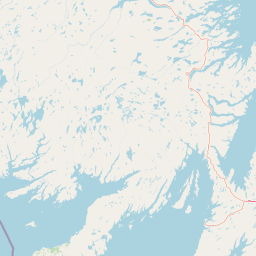
The landscape of Terra Nova National Park exemplifies the rugged character of Newfoundland's northeast coast while incorporating elements of the Appalachian Mountain system that influences the island's geology. The park's seacoast consists of several distinctive rocky fingers jutting into Bonavista Bay, creating an intricate shoreline that stretches from just north of Port Blandford to the vicinity of Glovertown. This coastline demonstrates remarkable variety, ranging from dramatic cliffs and exposed headlands to sheltered inlets, coves, and tidal areas that provide protected marine habitat. The coastal configuration creates one of Newfoundland's most significant recreational boating areas, where visitors can navigate among the rocky projections and sheltered waters. Inland, the terrain transitions to rolling forested hills punctuated by exposed rock faces, creating a landscape typical of the boreal forest region. The terrain incorporates numerous bogs, ponds, and wetlands that characterize much of Newfoundland's interior landscape. The overall topography reflects the ancient geological history of the Avalononia terrane, with Precambrian rock formations including quartzite, slate, greywacke, sandstone, conglomerate, and argillite underlying the contemporary terrain. Glacial deposits from the Pleistocene epoch further shape the contemporary landscape, particularly in the western portions of the park.
Terra Nova National Park ecosystems, habitats, and plant life
Terra Nova National Park protects the Eastern Island Boreal Forest natural region, an ecological area that covers most of eastern Newfoundland east of Deer Lake. This boreal forest ecosystem represents one of the most extensive forest types in Canada and encompasses significant biodiversity. The dominant tree species throughout the park is black spruce, which forms the characteristic forest canopy across much of the protected area. Pockets of mixed forest occur throughout the landscape, featuring balsam fir, eastern white pine, mountain ash, tamarack, and various deciduous species including maple. This forest composition creates layered habitat structure that supports diverse wildlife populations. The park's wetland systems, including bogs, ponds, and coastal wetlands, represent ecologically significant habitat types that contribute to the overall biodiversity of the protected area. These wetlands serve important functions including water regulation, nutrient cycling, and providing critical habitat for migratory birds and amphibians. The coastal marine environment where the Atlantic Ocean meets the terrestrial ecosystem creates additional ecological complexity, supporting marine mammals, seabirds, and coastal fish species. The combination of boreal forest, wetland, and marine ecosystems within a single protected area creates a comprehensive conservation unit that protects complete ecological processes across multiple habitat types.
Terra Nova National Park wildlife and species highlights
The wildlife population within Terra Nova National Park reflects both the boreal forest environment and the coastal marine setting of the protected area. The park is notable for protecting endemic subspecies that occur nowhere else on Earth, including the Newfoundland black bear and Newfoundland caribou, both recognized as distinct subspecies adapted to the island's unique environment. Large mammals occupying the park include moose, coyotes, red foxes, Canada lynx, and beavers. The bird population is diverse and includes both resident species and migratory visitors, with notable populations of bald eagles, black ducks, red squirrels, ospreys, and puffins nesting along the coastal areas. The pine marten, another endemic subspecies, occupies the forest habitats throughout the park. Marine mammals that inhabit the offshore waters include humpback whales, minke whales, fin whales, pilot whales, harp seals, orcas, and dolphins, with various species present seasonally throughout the year. The park's wetland areas support populations of waterfowl and shorebirds, while the forest provides habitat for various songbird species. This combination of endemic terrestrial species and marine wildlife creates exceptional biodiversity value for the protected area.
Terra Nova National Park conservation status and protection priorities
Terra Nova National Park represents significant conservation value as Newfoundland and Labrador's first national park and as a protected area preserving the Eastern Island Boreal Forest natural region. The park protects critical habitat for endemic subspecies including the Newfoundland black bear and Newfoundland caribou, species that exist only on Newfoundland island and would face significant conservation challenges without protected area designation. The boreal forest ecosystem protected within the park represents a globally significant forest type that stores carbon, regulates water cycles, and provides habitat for numerous species. The coastal marine environment within the park boundary also receives protection, preserving the interface between terrestrial and marine ecosystems. The cultural heritage aspects of the park, including Beothuk archaeological sites and early European settlement areas, represent another dimension of conservation value that the protected area preserves for future generations. The park's designation as an IUCN Category II protected area reflects its primary objective of protecting natural ecosystems while allowing for sustainable recreational use and environmental education.
Terra Nova National Park cultural meaning and human context
Terra Nova National Park contains significant cultural heritage that reflects the long human history of the Bonavista Bay region. The park protects areas containing remnants of the Beothuk Nation, the Indigenous people who inhabited Newfoundland prior to and during early European contact. The Beothuk were the original inhabitants of this coastal region, and archaeological evidence of their presence remains within the park boundaries. Following the Beothuk, the region became one of the earliest areas of European settlement in Newfoundland, with pioneer settlements established along the coastline that now falls within the park. This layered human history, spanning Indigenous occupation and early colonial settlement, gives the landscape cultural significance beyond its ecological value. The park's name itself carries cultural meaning, derived from the Latin designation for Newfoundland while also connecting to the original Portuguese name given during early Atlantic exploration. This linguistic heritage reflects the region's position within the broader history of North American exploration and colonization.
Top sights and standout views in Terra Nova National Park
Terra Nova National Park offers distinctive coastal landscapes where rocky fingers of land extend into Bonavista Bay, creating a dramatic shoreline of cliffs, headlands, coves, and inlets that supports excellent boating and kayaking opportunities. The park protects the Eastern Island Boreal Forest, preserving extensive black spruce forest with mixed deciduous species across rolling terrain dotted with bogs and wetlands. Endemic wildlife including the Newfoundland black bear and Newfoundland caribou represent unique conservation assets found nowhere else on Earth. The region contains significant cultural heritage from both the Beothuk Nation and early European pioneer settlements, adding historical depth to the outdoor experience. Two developed campgrounds at Newman Sound and Malady Head provide frontcountry camping access, while backcountry camping areas allow wilderness exploration by hiking, canoeing, or kayaking.
Best time to visit Terra Nova National Park
The summer months from June through September offer the most accessible visitor experience at Terra Nova National Park, with warm temperatures ranging from daily averages around 16 to 21 degrees Celsius and extended daylight hours for outdoor activities. July and August typically provide the warmest conditions for hiking, camping, and waterfront activities along the coast. The interpretive programs including evening theater presentations, campfire programs, and guided hikes operate during the summer season, enhancing the visitor experience with educational content about the park's ecology and history. Winter visitors can enjoy snowshoeing and cross-country skiing on established trails, with the boreal forest landscape transformed by snow cover into a different but equally compelling wilderness experience. The shoulder seasons of spring and fall offer quieter visitation with fewer crowds, though some services and facilities may have limited availability. The coastal marine environment supports whale watching opportunities during the summer months when various species including humpback and minke whales appear in the offshore waters.