

Mori Atlas logo
National parkWarrumbungle National Park

Discover mapped boundaries and regional terrain within this national park in Orana.

Warrumbungle National Park: Australia's Protected Landscape and Geographic Atlas Entry

Warrumbungle National Park represents a significant protected area within Australia's Orana region, offering a distinct point of geographic discovery. This national park provides a focused lens for understanding mapped park boundaries, the natural terrain, and its unique place within the broader regional atlas. Explore the specific landscape context and geographic identity of Warrumbungle National Park as a key entity for structured environmental exploration.

Volcanic landscapesDark Sky ParkRock formationsMountain terrainNational heritageBirdwatching

Warrumbungle National Park

National park

Park overview

Structured park overview, official facts, and landscape profile for Warrumbungle National Park

Warrumbungle National Park park facts, protected area profile, and essential visitor context

Review the core facts for Warrumbungle National Park, including designation, size, terrain, visitor scale, habitats, and operating context in one park-focused overview.

About Warrumbungle National Park

Warrumbungle National Park protects the most spectacular portion of the Warrumbungle mountain range, a landscape shaped by ancient volcanic activity that produced the distinctive rock formations now synonymous with the park. The Warrumbungles represent the remains of a massive volcanic complex that erupted approximately 13 to 17 million years ago, leaving behind a landscape of lava flows, volcanic plugs, and erosion-resistant dykes that have been subsequently carved by wind and water into the dramatic spires and cliffs visible today.

The park occupies a critical ecological position as a transition zone between the arid western plains and the wetter coastal environments of eastern Australia. This geographic crossroads creates a mosaic of habitats that support species from both climatic zones, resulting in remarkable biodiversity. The surrounding region is predominantly semi-arid pastoral land, making the park's mountainous environment a significant island of natural vegetation and wildlife habitat.

The establishment of Siding Spring Observatory on the park's boundary in 1965 reflected the recognition that this location offered exceptional conditions for astronomical observation. The park's dark sky protections, formalized through Dark Sky Park certification, ensure that this scientific resource continues to function effectively while providing visitors with access to extraordinary night sky experiences.

Quick facts and research context for Warrumbungle National Park

Warrumbungle National Park covers 233 square kilometres in northwestern New South Wales, centred on the Warrumbungle mountain range of volcanic origin. The park was first proposed for protection in 1936 and was officially proclaimed as a reserve in 1953, with management transferred to the NSW National Parks and Wildlife Service in 1967. The park was added to the Australian National Heritage List in December 2006 in recognition of its outstanding geological and ecological values. In July 2016, Warrumbungle became Australia's first certified Dark Sky Park. The park lies within the Pilliga Important Bird Area and attracts approximately 35,000 visitors annually.

Protection and recognition

Official protection scope and terrestrial designation history since its establishment in 2006

Warrumbungle National Park Protected Area Designation and Terrestrial Status

Warrumbungle National Park maintains a documented terrestrial protection status established in 2006 to preserve its unique landform geography. National park designation records outline the official terrestrial management framework and conservation history defining the boundaries of the protected lands.

Protection details

Protection scope
Terrestrial
Designated year
2006
Park context

Deeper park guide and search-rich context for Warrumbungle National Park

Warrumbungle National Park history, landscape, wildlife, and travel context

Explore Warrumbungle National Park through its history, landscape character, ecosystems, wildlife, conservation priorities, cultural context, and seasonal travel timing in a structured park guide built for atlas discovery and search intent.

Why Warrumbungle National Park stands out

Warrumbungle National Park is best known for its extraordinary volcanic rock formations that create one of the most visually striking landscapes in eastern Australia. The Breadknife, a narrow vertical volcanic dyke stretching skyward, has become the park's most recognizable icon and was featured in David Bowley's 1983 music video for Let's Dance. Beyond its daytime appeal, the park's Dark Sky Park designation recognizes its exceptional nocturnal environment where the Milky Way and celestial bodies are visible with remarkable clarity, a rare quality in Australia's increasingly light-polluted eastern regions. The combination of dramatic volcanic terrain, unique biodiversity, and world-class astronomical resources makes Warrumbungle distinctive among Australian protected areas.

Warrumbungle National Park history and protected-area timeline

The movement to protect the Warrumbungle Range began in 1936 when the National Parks and Primitive Areas Council proposed reserving the more scenic portions as the Warrumbungle National Monument. This proposal languished for nearly two decades before the area was finally proclaimed as a reserve in 1953. The formal establishment as a national park followed, with management responsibilities transferred to the NSW National Parks and Wildlife Service in 1967.

Under the guidance of the park's first ranger, Carl Dow, a network of walking tracks was constructed by hand, opening up the park's interior for visitor exploration. The construction of the John Renshaw Parkway in 1966 provided sealed road access from Coonabarabran, facilitating visitor access to the eastern side of the park.

Warrumbungle National Park was added to the Australian National Heritage List in December 2006, recognizing its significance as an extensive and spectacular geomorphological site with bold volcanic landforms unrivalled anywhere else in Australia, its unique transition-zone ecology between arid and coastal zones, and its importance as a refugium for species in inland southeast Australia.

In January 2013, approximately 80 percent of the park was devastated by a major bushfire that started from lightning and also destroyed homes in surrounding areas, the visitor centre, and much of the park's infrastructure. The park has since reopened following extensive remediation works.

Warrumbungle National Park landscape and geographic character

The Warrumbungle landscape is defined by its volcanic origins, with the mountain range representing the eroded remains of an ancient volcanic complex. The most distinctive features are the vertical volcanic dykes, particularly The Breadknife, which rises as a thin blade of resistant rock amid the surrounding terrain. Other prominent formations include Belougery Spire, a dramatic needle of volcanic rock, Crater Bluff with its steep cliff faces, Bluff Mountain, and Mount Exmouth, the highest point in the park.

The terrain varies from steep, rocky slopes and sheer cliffs to more gentle ridges and valleys. The underlying basaltic lava flows have produced fertile soils that support vegetation communities quite different from the surrounding semi-arid pastoral lands. Creeks and drainage lines traverse the park, providing water sources for wildlife and adding to the landscape diversity.

Warrumbungle National Park ecosystems, habitats, and plant life

The park sits within the temperate savanna grasslands of southeast Australia, though the mountainous terrain creates microhabitats that support diverse vegetation types. The park lies within the Pilliga Important Bird Area, identified by BirdLife International for its importance to a range of woodland bird species, many of which face conservation concerns. The transition-zone position of the park means it supports plant and animal species from both the more arid western interior and the wetter coastal regions, creating an ecologically diverse environment that serves as an important refugium in inland southeast Australia.

Warrumbungle National Park wildlife and species highlights

The park supports a variety of wildlife, particularly bird species associated with woodland and rocky habitats. The Pilliga Important Bird Area designation reflects the presence of numerous bird species, including several threatened woodland birds that depend on the park's habitats for survival. Prior to the 2013 bushfire, the park contained a population of koalas, though the massive fire event is believed to have wiped out this population entirely. Reptiles, amphibians, and smaller mammals occupy the various habitats throughout the park, though comprehensive species documentation in the source material is limited.

Warrumbungle National Park conservation status and protection priorities

Warrumbungle National Park holds significant conservation value at multiple levels. Its listing on the Australian National Heritage List recognizes outstanding universal values, particularly its unique volcanic geomorphology that represents the most spectacular example of such formations in Australia. The park's position as a transition zone between arid and coastal ecological regions makes it an important biodiversity corridor and refugium.

The Dark Sky Park designation adds another dimension to conservation, protecting the nocturnal environment and supporting the astronomical research conducted at the adjacent Siding Spring Observatory. This combination of geological, ecological, and astronomical conservation values makes Warrumbungle distinctive among Australian protected areas. The 2013 bushfire demonstrated the vulnerability of the landscape to extreme events and has informed ongoing restoration efforts.

Warrumbungle National Park cultural meaning and human context

The Warrumbungle Range holds significance in the cultural landscape of the Wirrayaraay people, the traditional custodians of this land. The dramatic volcanic formations feature in Indigenous narratives and Traditional Owner connections to Country, though detailed documentation of cultural heritage values is limited in the available source material. The park's proximity to several small rural communities, including Coonabarabran, Baradine, and Coonamble, reflects the broader regional identity of the Orana area of New South Wales.

Top sights and standout views in Warrumbungle National Park

The Breadknife formation stands as the park's most iconic feature, a dramatic volcanic dyke visible from the Grand High Tops track. The network of walking tracks, including routes to Belougery Spire and across the high country, provides access to the park's most scenic locations. The Dark Sky Park status offers exceptional stargazing opportunities, with the Milky Way and celestial objects visible in remarkable detail. The adjacent Siding Spring Observatory represents a unique combination of natural landscape protection and scientific research. Rock climbing and abseiling are popular activities among the park's dramatic cliff formations.

Best time to visit Warrumbungle National Park

The cooler months from autumn through to spring, typically April through October, generally offer the most comfortable conditions for exploring Warrumbungle National Park. Summer temperatures can be extreme, making outdoor activities challenging and increasing bushfire risk. Winter may bring cold nights but clear days are common. The Dark Sky Park designation makes any season suitable for night sky viewing, though winter typically offers clearer skies and longer nights for astronomical observation. Visitors should check park conditions and any closures before traveling, particularly following the 2013 fire recovery and any subsequent natural events.
Monthly climate preview

Examine long-term representative temperature and precipitation patterns across twelve months

Warrumbungle National Park Climate Normals and Annual Weather Rhythm

Warrumbungle National Park records measured monthly temperature extremes alongside consistent precipitation averages derived from historical satellite data. Reviewing the complete twelve-month profile provides detailed numerical context for long-term regional climate variations.
Annual mean19 °C
10 °C27 °C
Jan27°
Feb26°
Mar23°
Apr19°
May14°
Jun11°
Jul10°
Aug11°
Sep15°
Oct19°
Nov23°
Dec25°
Warmest month
January

27.4 °C

Coolest month
July

9.6 °C

Wettest month
December

2.4 mm/day

Driest month
August

0.9 mm/day

Park location guide

Geography guide, regional context, and park location map for Warrumbungle National Park

Warrumbungle National Park park geography, regions, and map view in Australia

Understand where Warrumbungle National Park sits in Australia through a broader geographic reading of the surrounding landscape, nearby location context, and its mapped position within the national park landscape.

How Warrumbungle National Park fits into Australia

Australia is a constitutional monarchy and federal parliamentary democracy comprising six states and ten territories. With a population of nearly 28 million, it is one of the world's most urbanised countries, with most people concentrated on the eastern seaboard. The country has a high Human Development Index and is known for its cultural diversity, ancient Aboriginal heritage, and unique wildlife.

Wider geography shaping Warrumbungle National Park in Australia

Australia occupies the entire Australian continent, the island of Tasmania, and numerous smaller islands. It is the world's flattest and driest inhabited continent, featuring vast deserts in the interior (the Outback), tropical rainforests along the eastern coast, and a coastline bordering the Indian and Pacific Oceans.

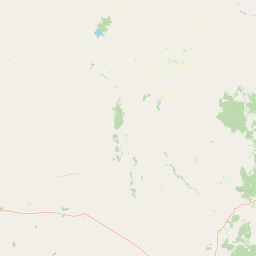
Map view of Warrumbungle National Park

Use this park location map to pinpoint Warrumbungle National Park in Australia, understand its exact geographic position, and read its mapped placement within the surrounding landscape more clearly.

Pigeon | © OpenStreetMap contributors

Location context for Warrumbungle National Park

Orana
Park atlas

Explore the broader regional geography and connect adjacent protected landscapes surrounding Warrumbungle National Park for deeper comparison.

Discover Nearby National Parks and Protected Areas Beyond Warrumbungle National Park

Explore national parks and protected areas near Warrumbungle National Park, tracing a wider network of volcanic landscapes, dark sky zones, and diverse Australian terrain. This regional view enables comparison of protected-area geography and conservation priorities within New South Wales, providing valuable context for your ongoing atlas discovery.
National parkNew South Wales
44 km away#1 closest

East

Garrawilla National Park: New South Wales Protected Woodland Ecosystems & Regional Geography

Explore mapped boundaries and native vegetation in this inland Australian national park.

Garrawilla National Park represents a significant protected landscape in New South Wales, Australia, dedicated to conserving semi-arid woodland terrain and characteristic native grass communities. Established to safeguard these vital ecosystems, the park offers insights into the natural heritage of the Central West region's geography. Users can explore its specific geographic footprint and understand its contribution to the preservation of inland Australian vegetation, providing a clear picture of its protected area identity.

Area
9.37 km²
Established
2005
IUCN
II
Scope
Terrestrial
National parkNew South Wales
93 km away#2 closest

Southeast

Coolah Tops National Park: Protected Landscape and Geographic Identity on the Liverpool Range

Explore New South Wales's elevated wilderness, waterfalls, and unique forests.

Coolah Tops National Park preserves a distinctive highland environment on the Liverpool Range, offering a protected wilderness experience within New South Wales. This national park is defined by its plateau landscape, featuring steep escarpments, numerous waterfalls, and dense eucalyptus forests. Its geographic position provides a striking contrast to the lower Liverpool Plains, showcasing unique flora and significant habitat for species like the greater glider, making it a vital area for regional landscape and protected-area exploration.

Established
1996
IUCN
II
Relief
Upland
Access
Moderate access
National parkAustralia
About 107 km away#3 closest

South

Yarrobil National Park: Australia's Protected Landscape for Geographic Discovery

Explore its national park designation and mapped regional context.

Yarrobil National Park stands as a distinct protected landscape within Australia, identified as a national park. Its geographic significance lies in its contribution to the nation's atlas of conservation areas. This page focuses on providing a clear understanding of the park's identity, its environmental setting, and how its mapped boundaries fit into the broader regional geography of Australia, enabling structured exploration for enthusiasts of protected areas and natural landscapes.

Area
13.22 km²
Established
2005
IUCN
II
Relief
Upland
National parkNew South Wales
119 km away#4 closest

Southeast

Goulburn River National Park: New South Wales National Park with River Ecosystems and Heritage

Explore mapped protected lands and regional geography.

Goulburn River National Park offers a significant protected landscape within New South Wales, Australia, celebrated for its expansive Goulburn River frontage and diverse natural terrain. This national park is pivotal for understanding regional geography, featuring sandstone geological formations and serving as a critical habitat for endangered species, including the regent honeyeater. Its extensive river corridor also protects numerous Aboriginal heritage sites, contributing a rich layer of cultural significance to its conservation value. MoriAtlas helps users explore the mapped boundaries and environmental context of this vital protected area.

Area
722.96 km²
Established
1983
IUCN
II
Relief
Mixed relief
National parkNew South Wales
122 km away#5 closest

Northeast

Mount Kaputar National Park: New South Wales Volcanic National Park Atlas

Explore mapped volcanic terrain and ecological diversity.

Mount Kaputar National Park offers a compelling study in protected landscape geology and ecology. Situated in New South Wales, this national park preserves the significant geological features of ancient volcanic remnants, including prominent plugs and lava terraces. Its high-elevation position supports a variety of ecosystems, making it a critical area for understanding inland Australia's natural geography and protected land patterns. Browse its mapped boundaries and discover the unique character of this volcanic wilderness.

Area
502.25 km²
Established
1959
IUCN
II
Relief
Mountain
Nature reserveNew South Wales
125 km away#6 closest

Northwest

Macquarie Marshes Nature Reserve: Protected Wetland Boundaries and Geographic Context

An essential inland wetland reserve in New South Wales

Spanning approximately 19,800 hectares, Macquarie Marshes Nature Reserve represents the most hydrologically active portion of the lower Macquarie floodplain. The area is defined by its characteristic gradient of reedbeds and river red gum woodlands, serving as a primary sanctuary for breeding waterbirds within the broader Murray-Darling region.

Area
198.24 km²
Established
1971
IUCN
Ia
Relief
Lowland
Nature reserveNew South Wales
About 136 km away#7 closest

South

Wellington Caves Nature Reserve: Mapping Limestone Formations and Pleistocene Fossil Sites

Geological atlas of subterranean karst landscapes in New South Wales

The Wellington Caves reserve features a rich subterranean geography shaped by water working through Devonian limestone. Explore the site's mapped network of chambers, including Cathedral Cave and its massive Altar Rock, alongside historic fossil deposits that have shaped Australian paleontology since the 1830s. This protected landscape offers a unique look at karst evolution and subterranean lake systems within the Australian bush.

Established
1884
Visitors
35K annual
Relief
Upland
Scope
Terrestrial
Nature reserveNew South Wales
About 138 km away#8 closest

Southeast

Munghorn Gap Nature Reserve: A Detailed Atlas of Protected Sandstone Landscapes in New South Wales

Transition zone geography on the Great Dividing Range

Munghorn Gap Nature Reserve represents a unique geographic crossing point on the Great Dividing Range. This protected area features dramatic pagoda-like sandstone formations, diverse eucalypt forests, and critical bird habitats that sustain a wide range of species across a rugged and weathered mountain landscape.

Area
59.34 km²
Established
1961
IUCN
Ia
Relief
Mountain

Common questions about visiting, size, designation, and location context for Warrumbungle National Park

Warrumbungle National Park FAQs for park facts, access, geography, and protected area context

Find quick answers about Warrumbungle National Park, including protected-area facts, park geography, trail and visitor context, and how the park fits into its surrounding country and regional landscape.
MoriAtlas Explorer

Continue Your Protected Areas Search Across the Global Atlas

Deepen your exploration by continuing the structured search for national parks and protected areas worldwide. Utilize the comprehensive filtering capabilities to compare different conservation landscapes and refine your understanding of global park geography. Discover more about the distribution and characteristics of protected natural areas.

Global natural geography