Why Wielkopolski National Park stands out
The park is best known for being one of the most accessible showcases of post-glacial landforms in central Poland, frequently described in Polish natural history as a 'true museum of glacial forms.' Visitors encounter an unusually compressed range of Pleistocene features within a relatively small area, including end and frontal moraines, eskers, drumlins, dunes, ravines, and lakes of several different genetic types. Equally important to the park's identity is its ecological character: centuries-old pine forests, oak-dominated stands, peat bogs, clear kettle lakes, and rich populations of insects, birds, and large forest mammals. The combination of glacial landforms and biological diversity, set within easy reach of a major Polish city, gives the park its distinctive profile.
Wielkopolski National Park history and protected-area timeline
The idea for establishing a national park in the Wielkopolska landscape dates back to the interwar period, when Professor Adam Wodziczko identified the area near Poznań as a 'true museum of glacial forms and a living museum of nature.' His early advocacy laid the groundwork for later protection efforts.
Wielkopolski National Park was formally created on 16 April 1957, initially covering about 9,600 hectares, of which roughly 5,100 hectares were placed under direct park administration. In 1996, the park's boundaries were reorganized, reducing the core area to the present-day 7,584 hectares and establishing a surrounding buffer zone. Together, the park and its buffer zone now encompass more than 14,800 hectares, providing stronger protection for the surrounding landscape while accommodating the continuing ecological processes of the area.
Wielkopolski National Park landscape and geographic character
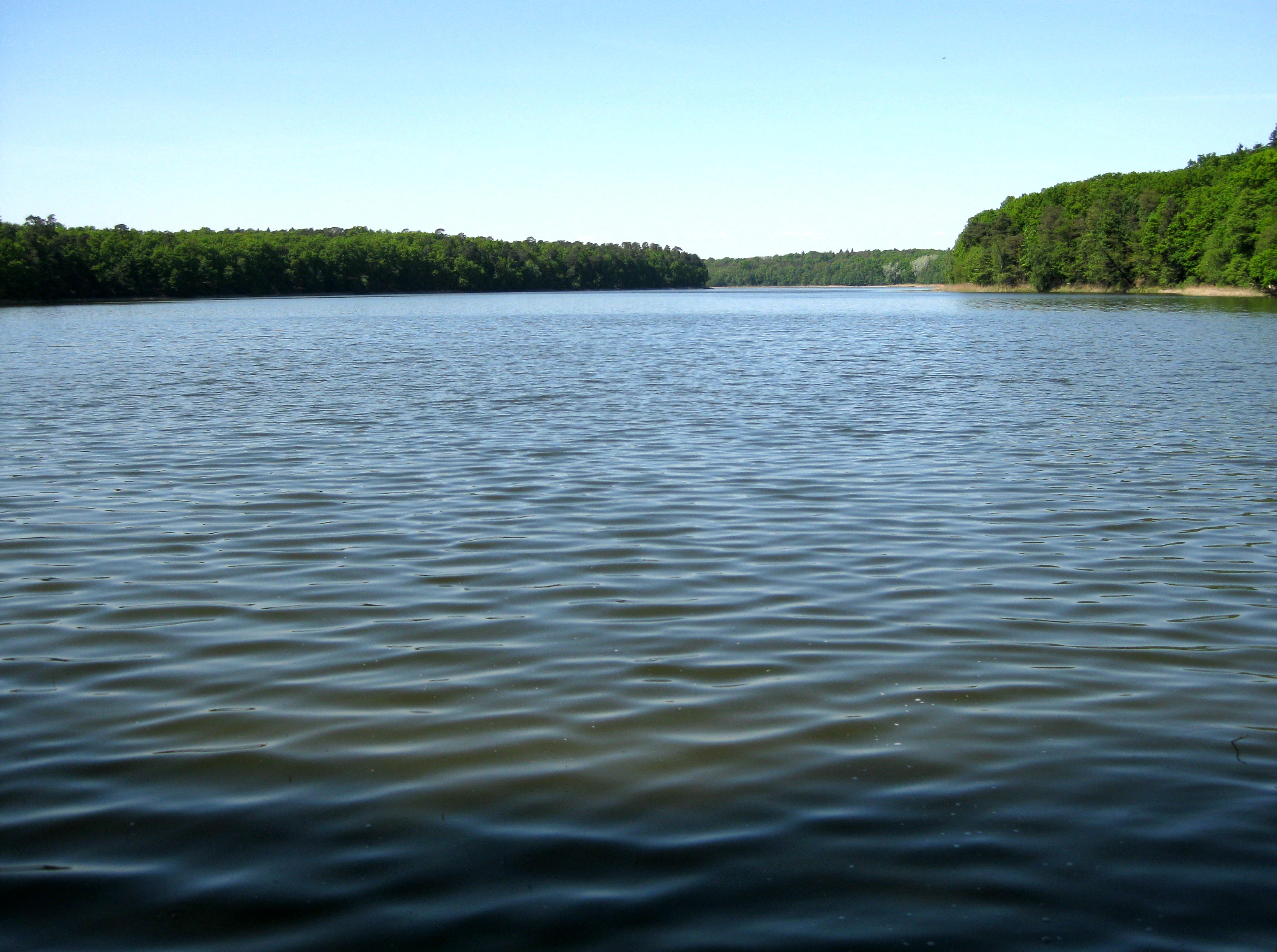
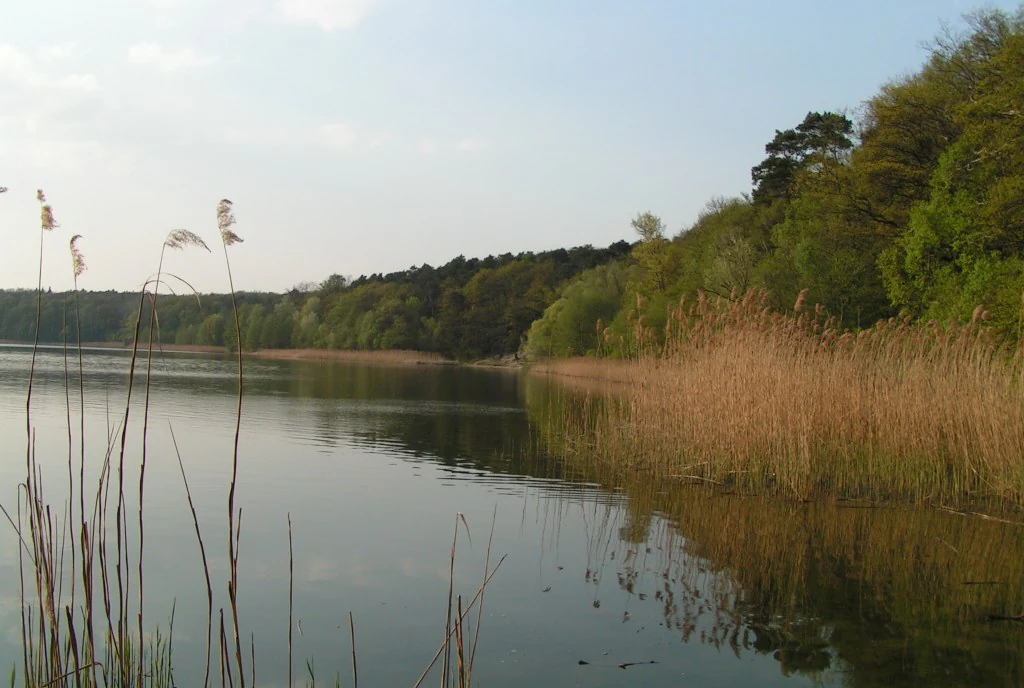
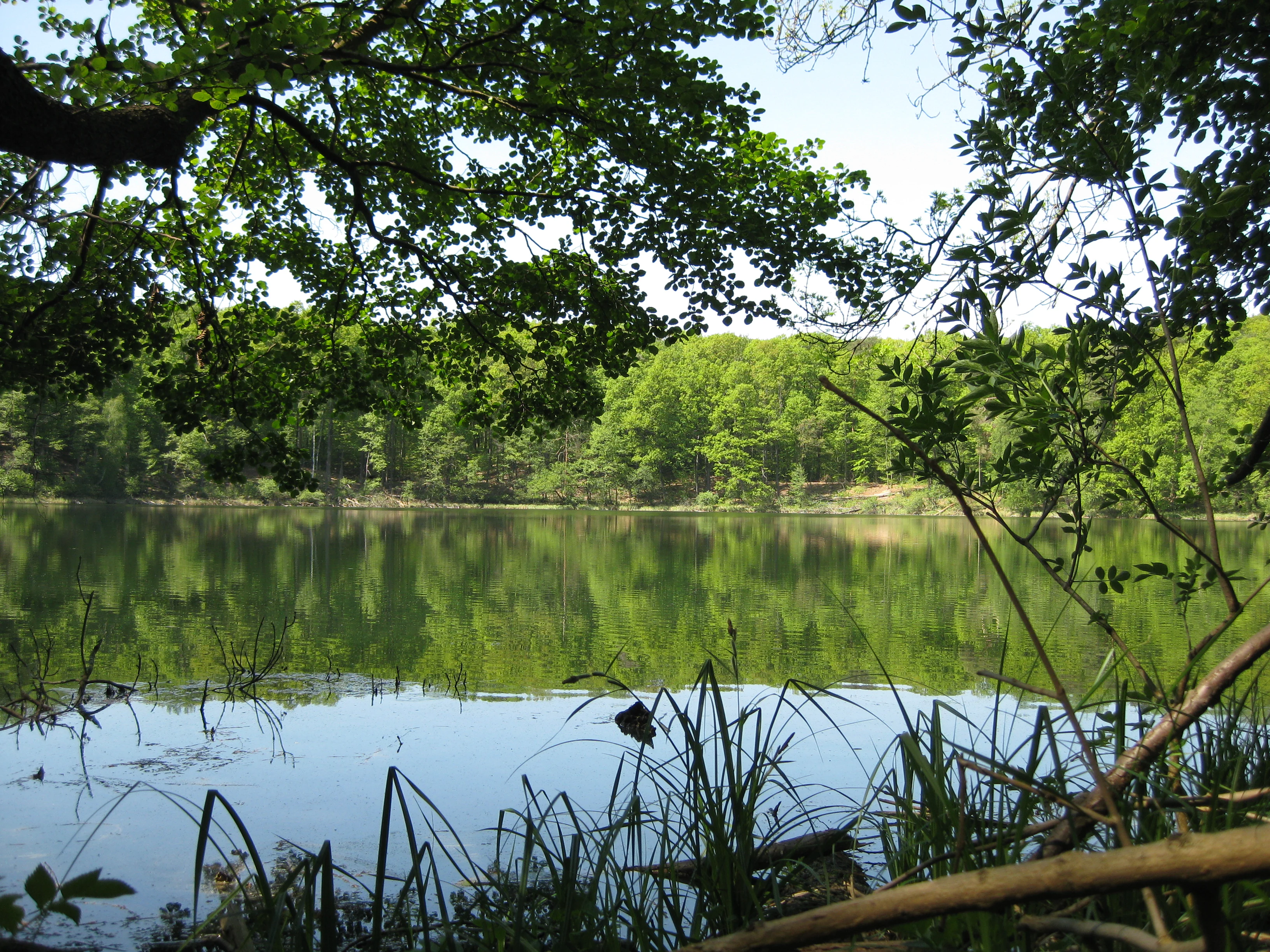
The park's landscape is essentially a textbook of glacial geomorphology compressed into a small territory. The most visible features are the frontal and ground moraines that give the area its rolling relief, including the prominent moraine uplands around Puszczykowskie Góry and the gentler drumlin fields nearby. These moraines frame a series of lakes that differ markedly in shape and origin, ranging from the elongated tunnel-valley Lake Góreckie and Lake Budzyńskie to the round kettle Lake Kociołek and the partially overgrown Lake Skrzynka.
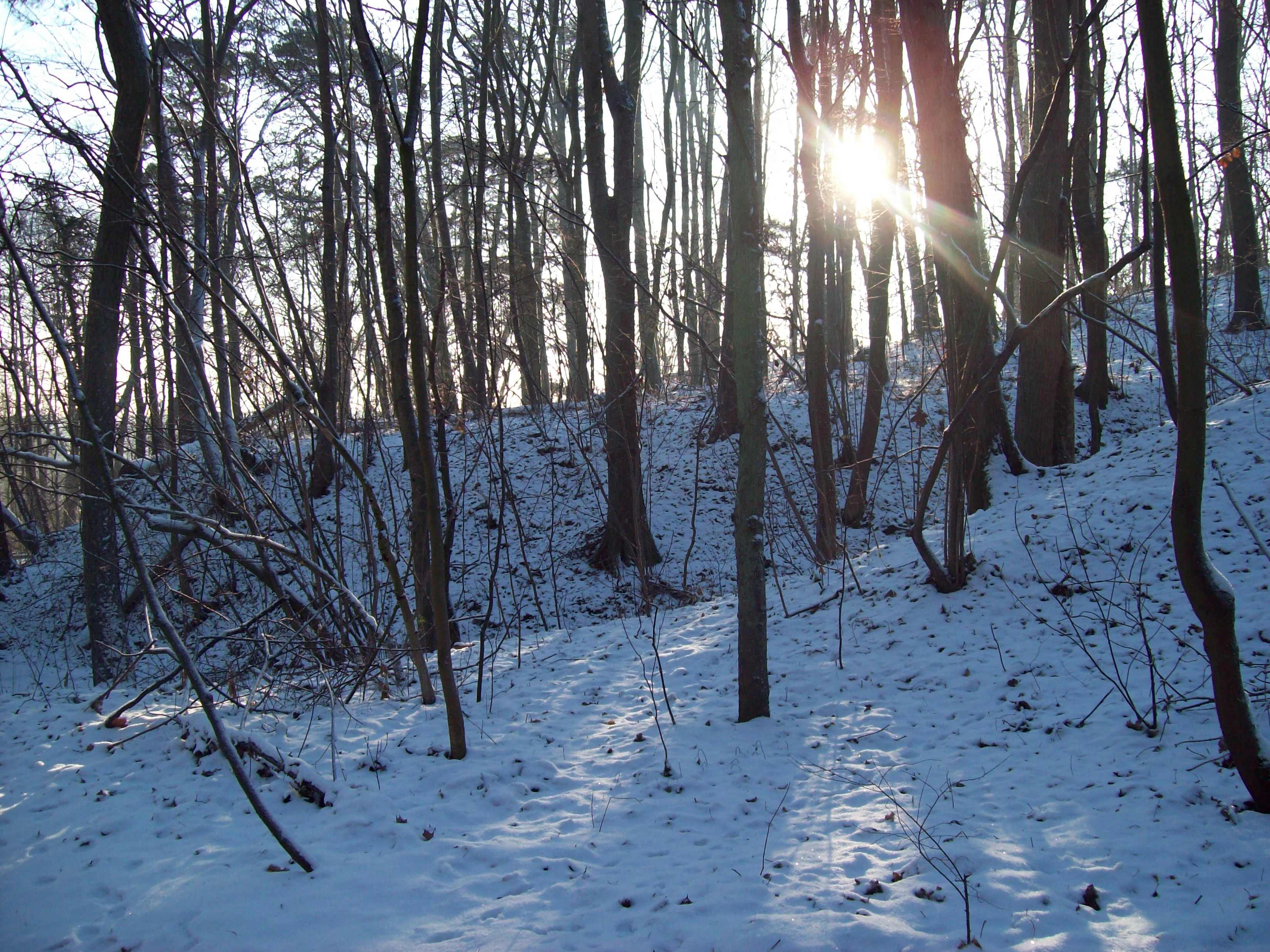
Eskers and dunes add to the structural variety of the terrain. Narrow sinuous esker ridges cross parts of the forest, while dunes created by wind activity after the ice retreated appear as sandy hummocks in the woodland. Ravines cut into the moraine slopes produce sudden steep descents and secluded stream valleys, and large erratic boulders, including the 10.5-meter-circumference Głaz Leśników (Foresters' Boulder), mark the former reach of the Scandinavian ice sheet. The combined effect is a landscape where lakes, forests, and glacial relief constantly alternate within short walking distances.
Wielkopolski National Park ecosystems, habitats, and plant life
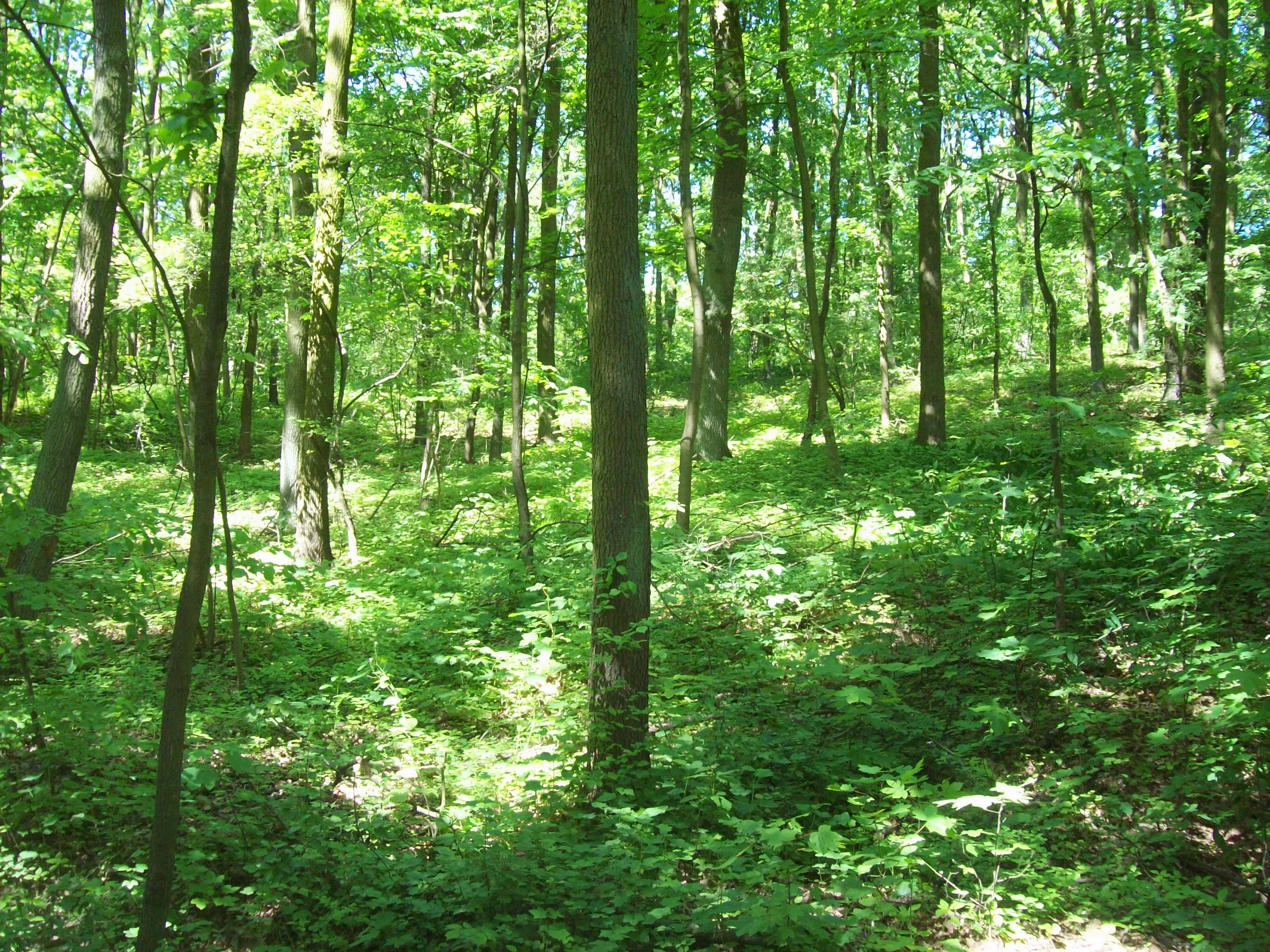
Ecologically, the park is shaped by the interplay between glacial soils, water bodies, and long-term forest cover. The substrate ranges from nutrient-poor sandy outwash to richer moraine deposits, supporting a mosaic of vegetation types rather than a single dominant forest community. Old pine forests occupy parts of the sandy soils, oak forests with hornbeam thrive on moraine slopes, and bog communities colonize former lake basins and depressions.
Inventories conducted in the 1980s recorded more than 900 species of vascular plants within the park, along with hundreds of fungi, mosses, and lichens. Around the lakes and bogs, aquatic and semi-aquatic vegetation creates distinct transition zones; in some former lakes, peat-forming mosses, white water lilies, yellow water lilies, and even sundews mark the progression of ecological succession. Park authorities have also pursued active management aimed at guiding existing forests toward a more natural composition.
Wielkopolski National Park wildlife and species highlights
The park's wildlife reflects the diversity of its habitats. Insects are particularly rich: more than 3,000 insect species have been recorded, with beetles especially well represented in the forests. Among them are protected species such as the stag beetle and the oak longhorn beetle, alongside numerous forest pest species. Open and dry habitats host grasshoppers such as the great green bush-cricket and field crickets, while wood ants are common in mature stands.
Mammal life is also substantial. The park hosts more than 40 mammal species, including shrews, multiple bat species, rodents, pine martens, European badgers, and red foxes. Large ungulates such as red deer, roe deer, and wild boar thrive in the extensive forests. Reptiles include sand lizards, viviparous lizards, slowworms, grass snakes, and the more localized spotted snake. Birdlife is a major attraction, with 227 breeding and migratory species recorded, including black woodpeckers, European rollers, common kingfishers, black kites over forests, common buzzards near fields, and marsh harriers around wetlands. Lakes host mallards, garganeys, Eurasian teals, and great crested grebes, and since 2005 cormorants have established a notable presence on Wyspa Zamkowa on Lake Góreckie.
Wielkopolski National Park conservation status and protection priorities
Conservation significance in Wielkopolski National Park centers on the protection of its glacial landforms and the natural communities that grow on them. Eighteen strict-protection reserves ('obszary ochrony ścisłej') cover about 260 hectares and preserve the most pristine forest stands and lake basins, where intervention is minimized to allow ecological processes to continue as naturally as possible. These include old pine forests, oak stands, peat bogs, and entire lake ecosystems such as Lake Góreckie.
Beyond strict protection, roughly half of the park is managed as active protection forest, where management seeks to gradually reshape forest composition toward a more natural state, while the remainder is designated as landscape protection zone. The surrounding buffer zone helps maintain ecological continuity with neighboring forests and waters. The lake basins, peatlands, and bogs serve as important refuges for waterbirds and wading birds, and the large erratic boulders and moraine features are themselves protected as geomophological monuments, ensuring that the park remains both a biological and a geological reference site for central Poland.
Wielkopolski National Park cultural meaning and human context
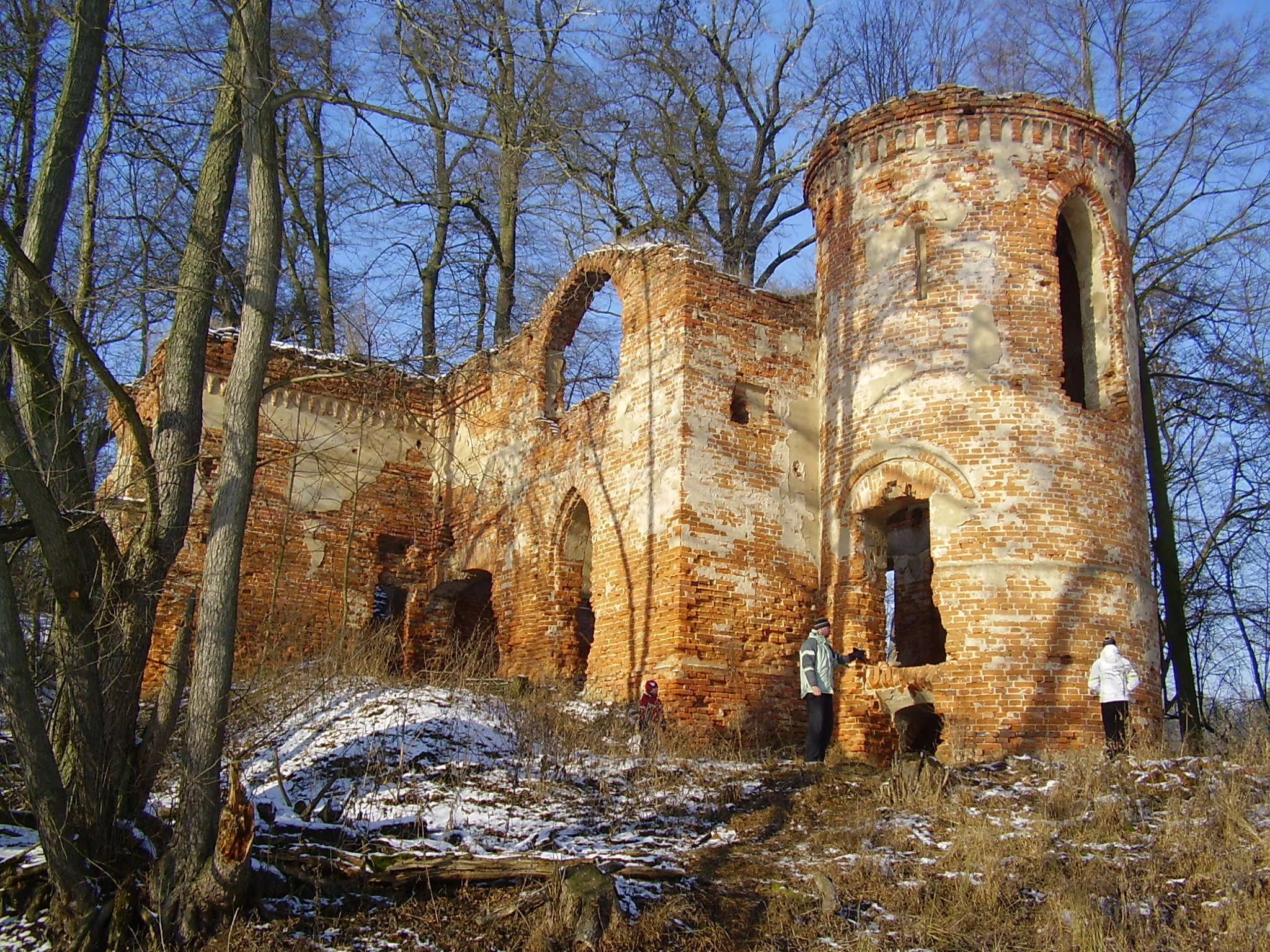
Although not a cultural park in the traditional sense, Wielkopolski National Park carries significant regional cultural weight. Its founding owes much to the interwar vision of Professor Adam Wodziczko, and one of the strict protection areas is named after him in recognition of his contribution. Local villages such as Jeziory serve as gateway communities with their own heritage, and the natural history museum in Jeziory provides a focus for public engagement with the regional landscape.
Cultural routes also cross the park. The Wielkopolska Way of St. James runs past its southeastern edge between Rogalinek and Mosina, and the Arkady Fiedler Museum in Puszczykowo draws visitors interested in one of Poland's most celebrated travel writers, who lived in the area. The historic Greiser road, known locally as the Greiserówka, and the heritage draisine railway near Mosina further tie the natural landscape to the region's broader cultural memory.
Top sights and standout views in Wielkopolski National Park
Wielkopolski National Park's strongest draws include the dense concentration of glacial landforms packed into a small area, especially the moraine uplands at Puszczykowskie Góry and the varied lake basins such as Lake Góreckie, Lake Budzyńskie, Lake Kociołek, and Lake Skrzynka. Walking between these features involves constantly shifting scenery, from esker ridges and dunes to forested ravines and quiet shore paths.
Equally noteworthy are the park's strict-protection areas, which include old-growth-like pine stands, oak and oak-hornbeam forests, peat bogs, and lake reserves that together form a fine-scale representation of post-glacial ecosystems. The park's ease of access from Poznań, its dense trail network, and its combination of natural and cultural sites make it a particularly rewarding destination for short visits, repeated exploration, and outdoor learning.
Best time to visit Wielkopolski National Park
The park can be visited throughout much of the year, but spring and early autumn tend to offer some of the most favorable conditions. In spring, rising temperatures and migrant arrivals make lakes and bogs especially lively with waterbirds and returning songbirds, while the forest understory comes to life. Summer brings warm weather suitable for water-based recreation on several of the lakes and long days on the trail network, though trails can be busier due to the park's proximity to Poznań.
Autumn transforms the broadleaf sections, especially oak and hornbeam stands, into a layered display of color and brings active foraging behavior among deer and boar. Winter, when snow is present, exposes the glacial relief of the moraines and the open lake surfaces in an especially clear way, producing quiet and visually striking conditions for those prepared for colder weather. The park's seasonal character therefore rewards repeat visits rather than a single fixed season.