
Why Zacharovanyi Krai National Nature Park stands out
Zacharovanyi Krai is best known for its protection of diverse Carpathian mountain ecosystems and the rare wildlife species that inhabit this region of Ukraine. The park encompasses habitats supporting significant populations of large mammals including Carpathian red deer, chamois, brown bear, and Eurasian lynx. The presence of species such as the European wildcat and European badger further underscores the ecological importance of this protected area. The park also protects valuable aquatic ecosystems, with its streams supporting trout and grayling populations. The combination of forested mountain slopes, subalpine zones, and wetland areas creates a mosaic of habitats that makes this part of the Eastern Carpathians particularly notable for biodiversity conservation.
Zacharovanyi Krai National Nature Park history and protected-area timeline
Zacharovanyi Krai National Nature Park was established in 2009 as part of Ukraine's program to expand its network of protected areas in ecologically significant regions. The creation of the park reflected increasing awareness of the conservation importance of the Carpathian mountain region, which had previously seen limited formal protection despite its high biodiversity value. The decision to establish the park in Zakarpattia Oblast recognized the region's unique position as one of Ukraine's most naturally diverse areas, with mountain ecosystems that support numerous species of conservation concern.
The park was designated with the specific mandate to preserve, reproduce, and efficiently use the typical and unique natural complexes of the Eastern Carpathians. This purpose aligned with broader national strategies for nature conservation and positioned the park within Ukraine's system of national parks that serve both ecological protection and sustainable use functions. The establishment also acknowledged the importance of maintaining connectivity between Carpathian protected areas across national boundaries, as the mountain range extends through multiple countries in Central and Eastern Europe.
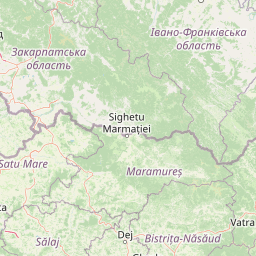
The park's headquarters were established in Irshava, a town that serves as an administrative center for the surrounding area and provides access to the park's various zones. Since its establishment, the park has developed management programs addressing habitat protection, species monitoring, and visitor engagement within its boundaries.
Zacharovanyi Krai National Nature Park landscape and geographic character
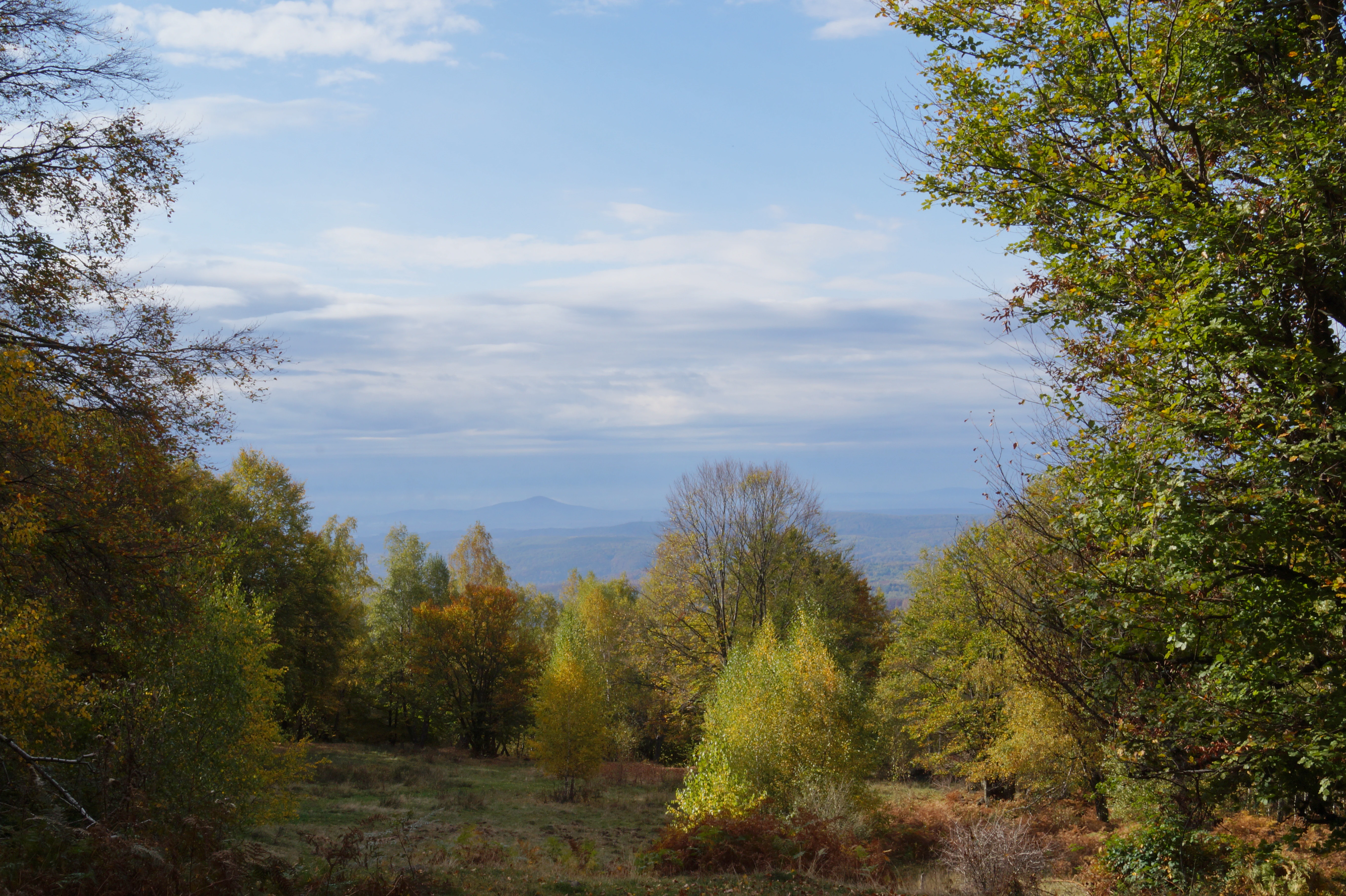
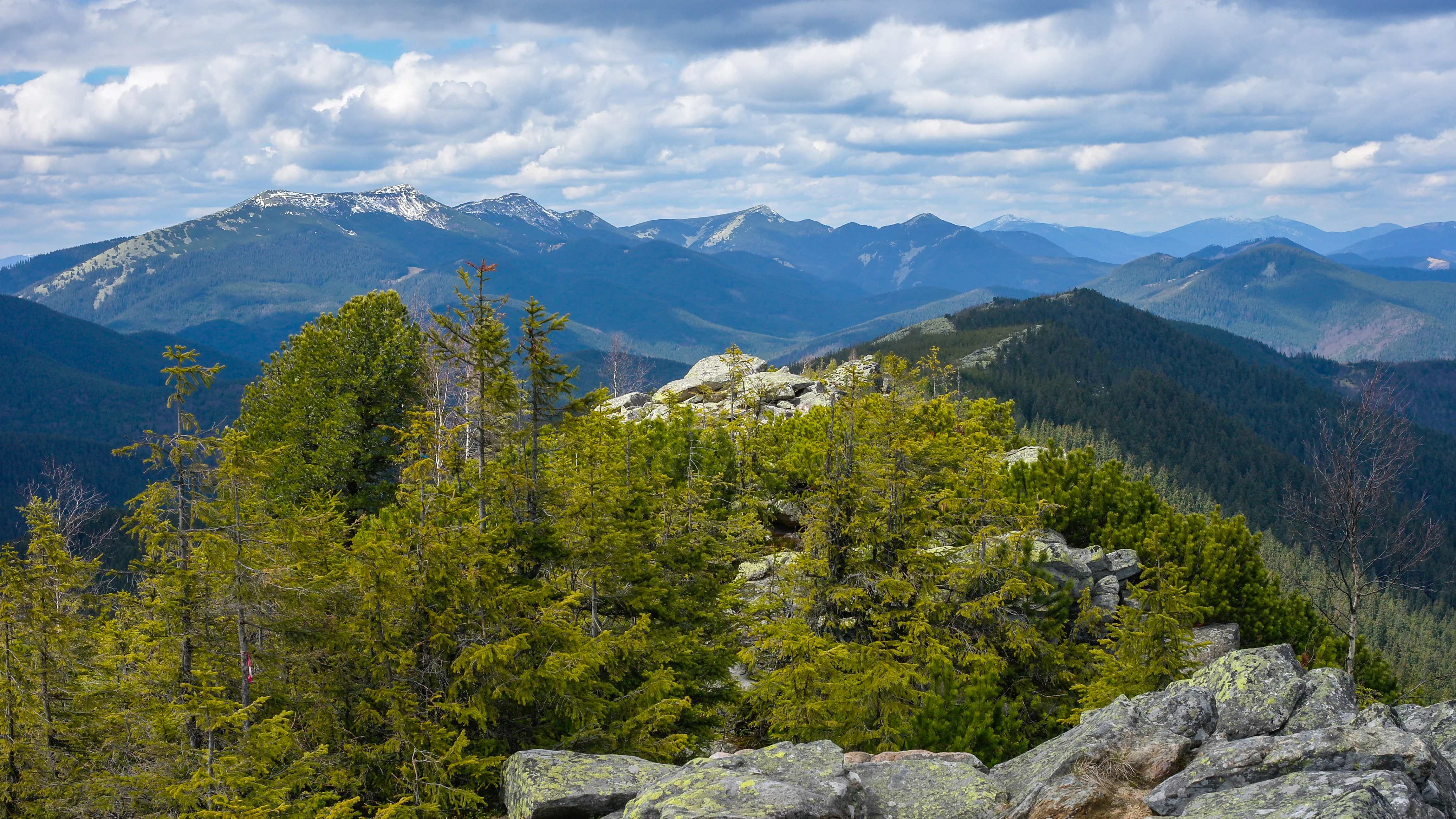
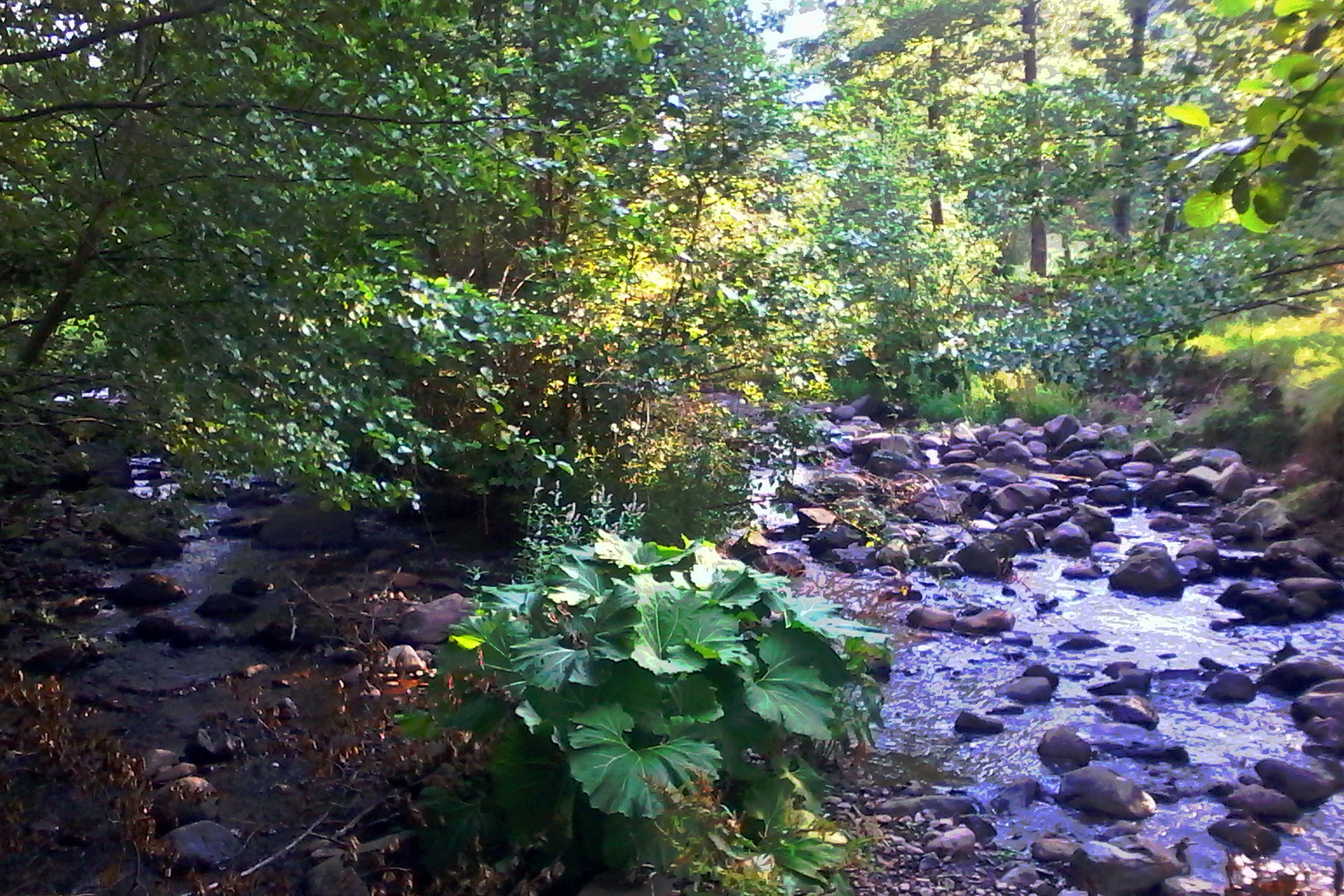
The landscape of Zacharovanyi Krai National Nature Park is characterized by the mountainous terrain typical of the Eastern Carpathians in southwestern Ukraine. The park encompasses forested slopes that rise through various elevation zones, creating a vertical arrangement of habitats that reflects changes in climate and vegetation with increasing altitude. The terrain includes both steep mountainides and more gentle valley areas, with streams and drainage courses that follow the natural topography of the region.
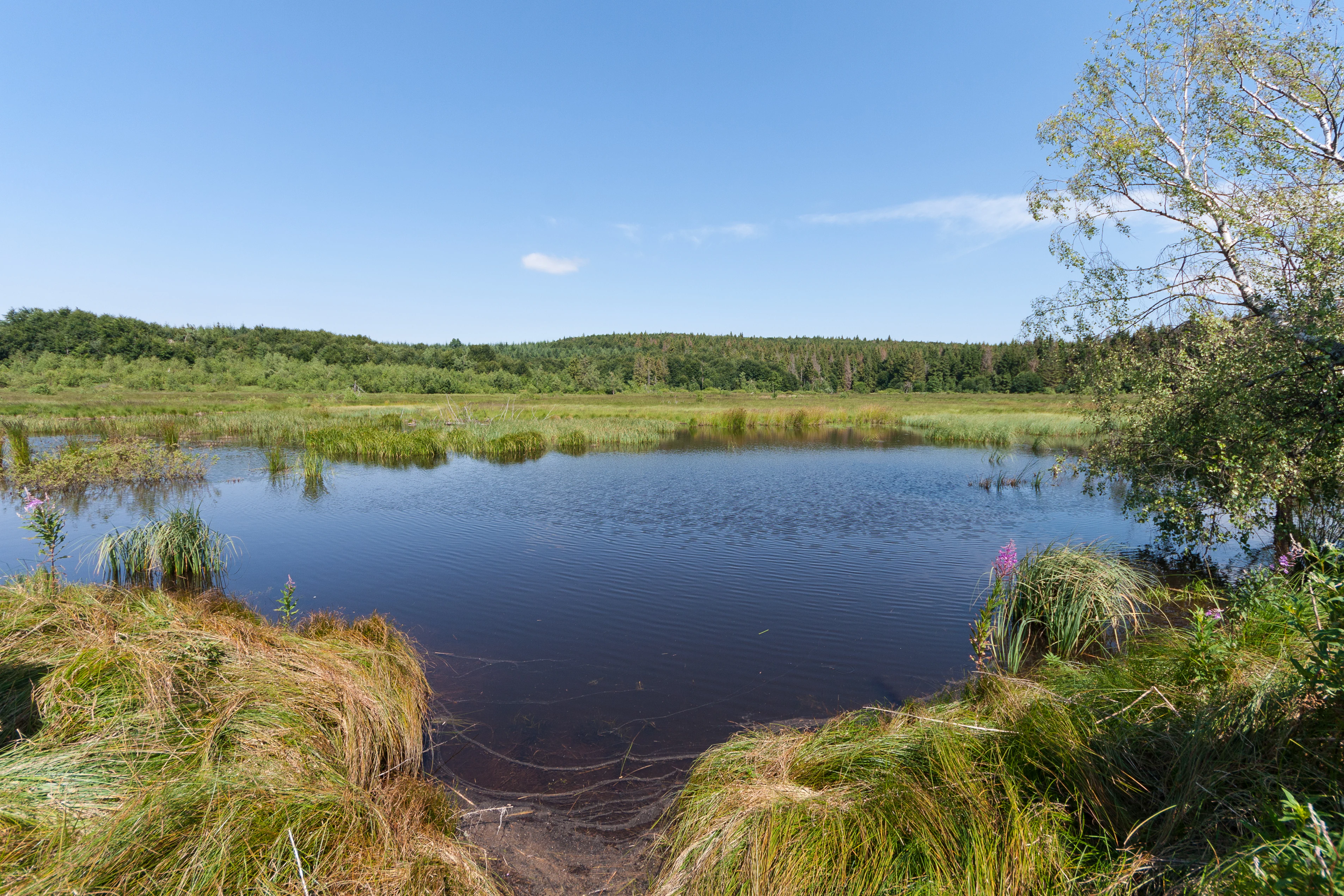
The park contains notable wetland areas, including the Chorne Bahno Swamps, which represent important hydrological features within the broader Carpathian landscape. These wetland areas contrast with the surrounding forested terrain and provide habitat diversity that contributes to the overall ecological richness of the protected area. The combination of mountain forest, subalpine zones, and wetlands creates a landscape of considerable visual and ecological variety.
The surrounding region of Zakarpattia Oblast is known for its dramatic mountain scenery, with the Carpathian range creating a backdrop of forested peaks and valley systems. Within this broader context, Zacharovanyi Krai represents an important protected landscape that maintains the natural character of this mountainous area.
Zacharovanyi Krai National Nature Park ecosystems, habitats, and plant life
The ecological character of Zacharovanyi Krai National Nature Park is defined by its position within the Eastern Carpathians, a mountain range recognized for its high biodiversity and ecological significance. The park contains a variety of habitat types that support diverse plant and animal communities, from forested slopes to wetland areas. The vertical structure of the landscape, with its range of elevations, creates conditions for multiple ecological zones that together support the park's ecological richness.
The forests of the park represent Carpathian vegetation communities adapted to the mountain environment, with species compositions that reflect the park's position within this biogeographical region. The wetland areas, including the Chorne Bahno Swamps, provide important ecological functions including water regulation and habitat for species associated with aquatic and marsh environments. These different habitat types combine to create an ecological mosaic that characterizes the park's natural character.
The broader Carpathian region is recognized as an important ecological zone in Europe, and Zacharovanyi Krai contributes to the conservation of this mountain ecosystem by protecting representative samples of Carpathian nature within its boundaries.
Zacharovanyi Krai National Nature Park wildlife and species highlights
Zacharovanyi Krai National Nature Park supports a notable diversity of wildlife, with the park's varied habitats providing conditions for numerous species across different taxonomic groups. The mammalian fauna includes several species of conservation significance, with the park providing habitat for Carpathian red deer, chamois, brown bear, wild boar, European badger, Eurasian lynx, and European wildcat. These species represent both the typical large mammal community of the Carpathians and species that require significant habitat areas for their survival.
The park's aquatic environments support fish species including trout and grayling, which inhabit the streams and rivers that flow through the protected area. These species depend on clean, well-oxygenated water and represent an important component of the park's biodiversity. The presence of such fish populations also indicates the ecological health of the park's water systems.
The combination of forested habitats, open areas, and wetlands creates conditions that support a range of bird and invertebrate species, contributing to the overall wildlife diversity of the park. The park thus serves as an important refuge for Carpathian wildlife, protecting species populations within a managed protected area framework.
Zacharovanyi Krai National Nature Park conservation status and protection priorities
Zacharovanyi Krai National Nature Park was created to fulfill conservation objectives focused on the preservation of Eastern Carpathian natural complexes. The park's IUCN Category II designation reflects its primary function as a national park, with management aimed at protecting ecological processes and species populations while allowing for sustainable use where compatible with conservation goals. The protected area contributes to Ukraine's commitments to maintaining biodiversity and protecting representative examples of Carpathian ecosystems.
The park's conservation significance is enhanced by its inclusion of varied habitat types that together support diverse species communities. The presence of large mammals including brown bear and lynx indicates the ecological quality of the area, as these species require extensive territories and relatively intact habitats. Conservation of such species within the park contributes to broader Carpathian conservation efforts that span multiple countries.
The creation of Zacharovanyi Krai also reflects recognition of the importance of connecting protected areas within the Carpathian region. By maintaining ecological corridors and protecting representative natural areas, the park contributes to landscape-level conservation that extends beyond its boundaries.
Zacharovanyi Krai National Nature Park cultural meaning and human context
Zacharovanyi Krai National Nature Park is situated in Zakarpattia Oblast, a region with a complex cultural history shaped by its position within the Carpathian mountains and its location at the crossroads of Central and Eastern Europe. The area has historically been associated with pastoral and agricultural activities typical of mountain regions, with local communities maintaining connections to the land that now falls within the park boundaries. The region's cultural heritage reflects the traditions of the people who have inhabited this part of the Carpathians over generations.
The park's headquarters in Irshava reflects the administrative context of the protected area within the broader regional structure of Khust Raion. While the park's primary focus is on nature conservation, the protected area exists within a cultural landscape where human activity and natural systems have interacted over extended periods. The establishment of the park has created a framework for managing these interactions while prioritizing the protection of ecological values.
Top sights and standout views in Zacharovanyi Krai National Nature Park
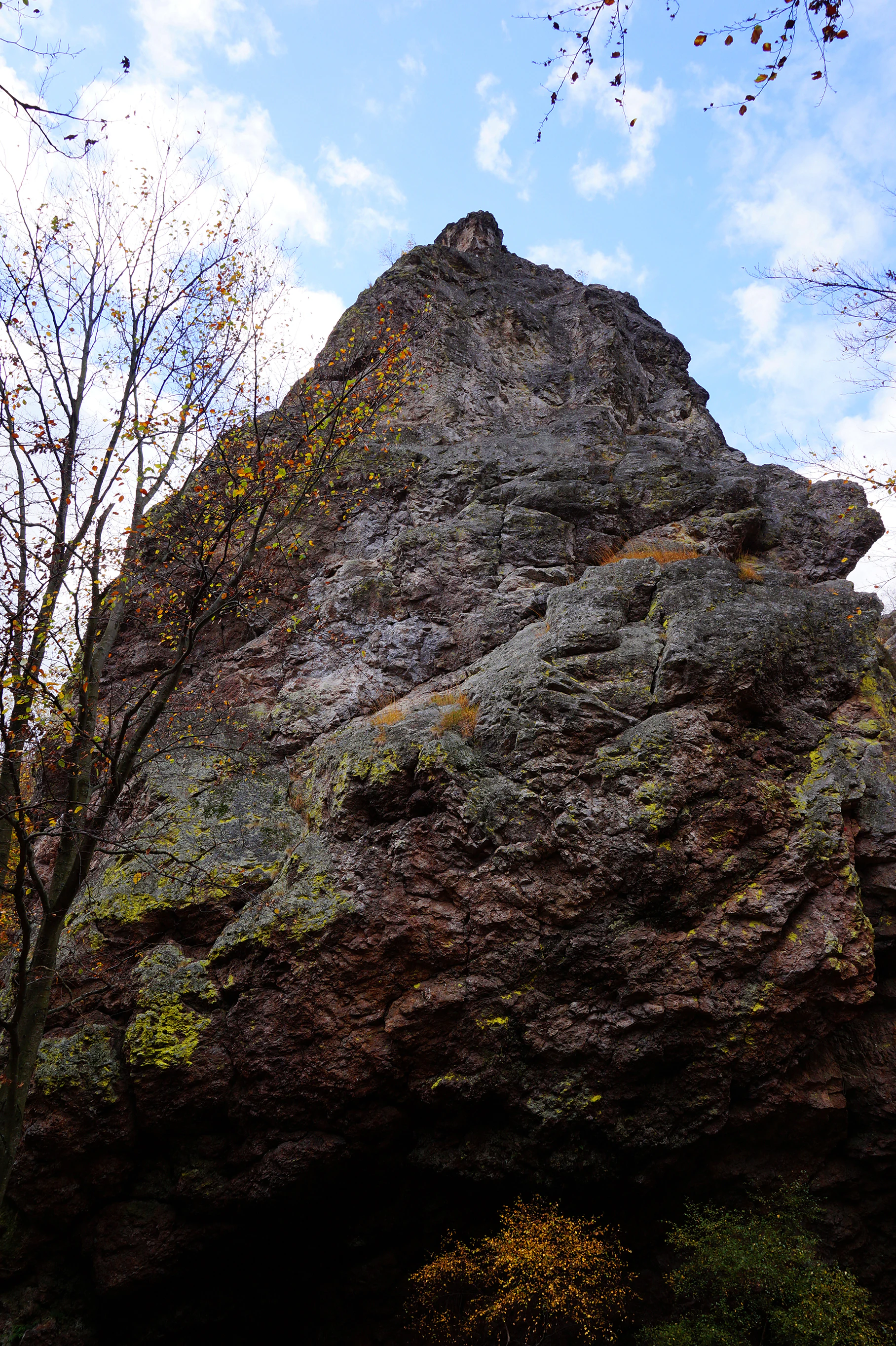
Zacharovanyi Krai National Nature Park offers protection for some of the most ecologically significant mountain terrain in Ukraine, with landscapes that embody the characteristic beauty of the Eastern Carpathians. The park's diverse wildlife, including populations of brown bear, lynx, chamois, and Carpathian red deer, represents the large mammal fauna for which this mountain region is known. The combination of forested slopes, subalpine environments, and wetland areas creates a habitat mosaic that supports this wildlife while providing visitors with opportunities to experience Carpathian nature. The Chorne Bahno Swamps and Zacharovana Dolyna State Park represent notable features within the park's boundaries, each contributing to the overall ecological diversity and visitor experience. The park's establishment in 2009 reflects Ukraine's ongoing commitment to conserving its natural heritage within the Carpathian mountain system.
Best time to visit Zacharovanyi Krai National Nature Park
The best time to visit Zacharovanyi Krai National Nature Park depends on the experience sought, with each season offering different characteristics of the Carpathian landscape. The summer months provide the most accessible conditions for exploring the park's trails and observing wildlife, with warm temperatures and long daylight hours allowing for extended outdoor activities. The mountain environment is particularly attractive during this season, with forested areas displaying full foliage and wildlife activity at its peak.
Spring and autumn offer different but equally compelling experiences, with spring bringing renewed vegetation and autumn displaying the characteristic colors of Carpathian forests. These transitional seasons can provide excellent conditions for wildlife observation and landscape photography, though visitors should be prepared for more variable weather. Winter transforms the park into a mountain landscape with snow-covered terrain, though access and conditions may be more challenging during this season. The timing of a visit should consider the specific activities and experiences desired, along with current conditions within the park.