Why Zombitse-Vohibasia National Park stands out
Zombitse-Vohibasia National Park is most renowned for its exceptional endemism, particularly the Hubbard's sportive lemur (also called the Zombitse sportive lemur), a critically endangered species known only from this protected area. The park serves as a refuge for eight species of lemurs, including the endangered ring-tailed lemur and Verreaux's sifaka. With 90 recorded bird species including 38 endemics and the vulnerable Appert's tetraka, the park is a critical habitat for Madagascar's unique wildlife. The park also protects the distinctive Madagascar succulent woodlands ecosystem, a transitional habitat between spiny thicket and dry deciduous forest that supports extraordinary plant diversity with over 80 percent of vascular plant species endemic to Madagascar.
Zombitse-Vohibasia National Park history and protected-area timeline
The conservation history of Zombitse-Vohibasia reflects the evolution of Madagascar's protected area network. The Zombitse forest was first set aside as a protected area in 1962, representing one of the earlier conservation designations in this region of Madagascar. Additional forest parcels at Vohibasia and Isoky-Vohimena were incorporated into the protected area in 1997, expanding the site's ecological scope. The full site was formally elevated to national park status in 2002 under the management of Madagascar National Parks Association. This progression from a single forest reserve to a comprehensive national park paralleled growing recognition of the area's exceptional biodiversity value, particularly concerning species found nowhere else on Earth.
Zombitse-Vohibasia National Park landscape and geographic character
The landscape of Zombitse-Vohibasia National Park encompasses a mosaic of forest, woodland, grassland, and limited wetland habitats. The three non-contiguous parcels share general similarities, though Isoky-Vohimena sits on the shoulder of the Isalo massif and shares some plant species with Isalo National Park, including various Aloe species and Pachypodium rosulatum. The forest canopy reaches 10 to 16 meters in height, dominated by members of the Euphorbiaceae and Fabaceae families, with baobab trees emerging above the general canopy. The understory consists primarily of woody species with thick, sclerophyllous leaves from families including Sapindaceae, Anacardiaceae, and Burseraceae. The Vohibasia section develops a diverse understory during the rainy season dominated by annual Acanthaceae species. Woodlands form transitional zones between forest and grassland, featuring scattered shrubs and small trees. Wetlands, though not extensive, support Ravenea rivularis palms, Pandanus xerophyta, and various sedges, including the near-threatened aquatic plant Aponogeton decaryi.
Zombitse-Vohibasia National Park ecosystems, habitats, and plant life
The ecological character of Zombitse-Vohibasia is defined by its position within the Madagascar succulent woodlands ecoregion, a region assessed as Critical/Endangered due to high levels of habitat conversion and degradation. This ecoregion represents a transitional zone between the spiny thicket of western Madagascar and the dry deciduous woodlands of the south, creating a unique mosaic of succulent plants and dry forest. Botanical research beginning with Perrier de la Bâthie's collections in 1910 has documented nearly 300 plant species across 84 families, with over 80 percent of vascular plants endemic to Madagascar. The Spurge Family contributes 20 species while the pea family provides 33 species. Two plant species are known only from Zombitse-Vohibasia: Ampelosycios bosseri (Cucurbitaceae), Ivodea trichocarpa (Rutaceae), and the orchid Grammangis spectabilis. An additional 23 species are considered rare, known from only two to five sites across Madagascar.
Zombitse-Vohibasia National Park wildlife and species highlights
Zombitse-Vohibasia supports remarkable mammalian diversity with 20 recorded species, including eight lemur species representing both diurnal and nocturnal adaptations. The ring-tailed lemur and Verreaux's sifaka are listed as Endangered, while the red-fronted lemur maintains Near Threatened status. nocturnal lemurs include the gray mouse lemur, fat-tailed dwarf lemur, Coquerel's giant mouse lemur (Endangered), Hubbard's sportive lemur (Endangered), and the pale fork-marked lemur (Endangered). Hubbard's sportive lemur holds particular significance as it is known only from Zombitse-Vohibasia National Park and is listed on CITES Appendix I. Bird diversity includes 90 species with 38 endemics, notably the vulnerable Appert's tetraka. The park supports 33 reptile species including Standing's day gecko and eight amphibian species. Insect surveys reveal remarkable ant diversity with over 40 species in more than 20 genera, and several insect species have their type locality within the park.
Zombitse-Vohibasia National Park conservation status and protection priorities
Zombitse-Vohibasia faces significant conservation challenges, primarily from deforestation driven by slash-and-burn agriculture. Comparative analysis of aerial photographs from 1949 and 1994 reveals substantial declines in forested area, with vegetation also suffering degradation from fire, grazing, and selective browsing. The park's conservation significance derives from its role as a refuge for multiple critically endangered and endemic species, particularly the Hubbard's sportive lemur which occurs nowhere else. The Madagascar succulent woodlands ecoregion's Critical/Endangered status underscores the urgency of protecting remaining habitat fragments. The park meets BirdLife International criteria as an Important Bird Area, functioning as a biological reservoir of primary importance due to its position straddling the western and southern domains of Madagascar.
Zombitse-Vohibasia National Park cultural meaning and human context
The landscape surrounding Zombitse-Vohibasia is inhabited by the Bara and Mahafaly peoples, two of Madagascar's distinctive ethnic groups with traditional lifestyles connected to the land. The Bara people historically practiced pastoralism and agriculture, while the Mahafaly are known for their elaborate burial traditions and the distinctivealoalo funerary steles that mark their cultural identity. These communities have maintained connections to the forest areas that now fall within the national park, and their traditional land use practices have influenced the region's ecological character over generations.
Top sights and standout views in Zombitse-Vohibasia National Park
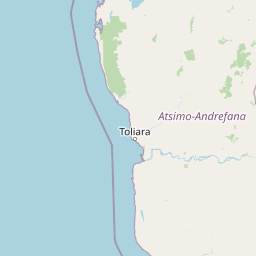
Zombitse-Vohibasia National Park offers exceptional opportunities to observe Madagascar's unique dry forest ecosystems and endemic wildlife. The park provides one of the most reliable locations for spotting the endangered Hubbard's sportive lemur, found nowhere else on Earth. Visitors can encounter diverse lemur species including ring-tailed lemurs and Verreaux's sifaka during both day and night walks through the forest. The park's position along National Road 7 makes it an accessible stop on Madagascar's southern tourism circuit, connecting visitors to the broader Isalo region. The distinctive baobab trees emerging above the forest canopy create iconic landscapes, while the transition between forest, woodland, and grassland habitats supports remarkable plant diversity with numerous endemic species.
Best time to visit Zombitse-Vohibasia National Park
The optimal time to visit Zombitse-Vohibasia National Park is during the cooler dry season from April through October, when temperatures are more comfortable for walking and wildlife viewing is facilitated by reduced vegetation density. The dry season from April to October corresponds with lower rainfall, making trails more accessible and wildlife easier to spot as animals concentrate around remaining water sources. The warmest months from November to March coincide with the rainy season, when heavy rainfall can make trails difficult and some areas less accessible, though this period supports lusher vegetation. The transition periods at the start and end of the rainy season offer a balance between green landscapes and manageable conditions. January, the wettest month averaging 187 millimeters of rain, presents the greatest challenges for park access.