Mori Atlas logo
Countries

Browse mapped protected lands and natural landscapes across Burkina Faso's diverse regions.

Burkina Faso National Parks and Protected Areas: A Geographic Atlas Overview

This atlas entry for Burkina Faso provides a structured geographic overview of the nation's national parks and protected areas. Users can explore the mapped boundaries and regional distribution of conservation landscapes, understanding how these protected lands are situated within the broader West African geography. MoriAtlas facilitates discovery of Burkina Faso's natural terrain and park systems.

Related tags

landlocked countrywest africasahelfrancophonemossi
About

Explore the Geographic Spread of Protected Areas and Mapped Landscapes Across Burkina Faso

Discover National Parks and Protected Areas in Burkina Faso: An Atlas of West African Landscapes
Discover the national parks and significant protected areas mapped across Burkina Faso, a landlocked West African nation featuring diverse savanna and riparian ecosystems. This country overview offers comprehensive geographic context for understanding conservation landscapes, tracing regional park distributions, and navigating into detailed park pages for further exploration.

Burkina Faso is a landlocked West African nation. The Mossi people settled the area in the 11th and 13th centuries, establishing kingdoms such as Ouagadougou, Tenkodogo, and Yatenga. The French colonized the region in 1896 as part of French West Africa, and the country gained independence in 1960 as the Republic of Upper Volta before being renamed Burkina Faso in 1984 by President Thomas Sankara.

Burkina Faso, meaning 'land of upright people' in local languages, is a landlocked country in West Africa. After independence from France in 1960, it was known as the Republic of Upper Volta until 1984 when Thomas Sankara renamed it Burkina Faso. The country has experienced significant political instability with multiple coups, most recently in 2022. It is predominantly Muslim (63.8%) with Christian (26.3%) and animist (9%) minorities. The economy is primarily based on agriculture and gold mining, with the Mossi people comprising the largest ethnic group at 53.7%.

Largest city:Ouagadougou
Currency code:XOF
ISO code:BF
Parks count
3
Capital
Ouagadougou
Area
274,223 km²
Population
22,489,126 (2,023)

Coastal
Island
Mountainous
Landlocked
Park atlas3 parks

Trace the mapped geography of Burkina Faso's key protected areas and conservation landscapes across West Africa.

National Parks in Burkina Faso: Explore Protected Areas and Savanna Ecosystems
Browse a comprehensive list of national parks and protected areas within Burkina Faso, including significant savanna ecosystems, gallery forests, and riparian habitats. This country-level view offers a detailed atlas perspective on landlocked West African conservation, facilitating deeper geographic discovery of protected landscapes like Kaboré Tambi and W National Park.
National parkNiger

W National Park: Niger National Park, UNESCO World Heritage Site & Ramsar Wetland

Transborder savanna ecosystem and dramatic Niger River landscape.

W National Park in Niger offers a unique atlas view of a vast protected landscape defined by the Niger River's iconic W-shaped bend. As a UNESCO World Heritage Site and Ramsar Wetland, it protects crucial savanna plains, extensive floodplains, and rocky outcrops. This transborder conservation area is a vital habitat for West African wildlife, providing a rich context for geographic discovery and landscape exploration.

Area
10,000 km²
Established
1954
IUCN
II
Relief
Mixed relief
National parkBurkina Faso

Kaboré Tambi National Park: Burkina Faso's Largest National Park and Protected Landscape

Explore the mapped savanna and birdwatching geography of this vital West African area.

Kaboré Tambi National Park represents a critical protected area in Burkina Faso, spanning a considerable expanse of Sudan-Guinea savanna. The park's geography is defined by the Nazinon River and a mosaic of woodland and grassland ecosystems, making it a significant site for understanding regional protected lands and landscape ecology. It offers a valuable point of reference for atlas-based exploration of West African natural areas.

Area
1,555 km²
Established
1976
IUCN
II
Relief
Lowland
National parkBurkina Faso

Deux Balés National Park: Burkina Faso's Elephant Sanctuary and Savanna Protected Landscape

Explore mapped terrain and key geographic features of this protected area.

Deux Balés National Park serves as a vital protected area within Burkina Faso, acclaimed for harboring the largest elephant population in West Africa. This national park's protected landscape is defined by undulating granitic plains, lateritic plateaux, and distinct gallery forests lining the Black Volta River. The presence of ancient African baobab trees adds a unique visual character to the savanna ecosystem. Investigating this park reveals its significance for regional conservation, its mapped geographic boundaries, and its role within the broader context of protected lands in West Africa.

Area
810 km²
Established
1937
IUCN
II
Relief
Lowland
Landscape and environment

Understand how Burkina Faso is shaped by terrain, ecosystems, and seasonal conditions

Burkina Faso geography, nature, climate, and landscape context for park-focused travel research
Explore the physical geography, natural setting, and climate patterns of Burkina Faso through a location-first overview built for travel research, national park discovery, and broader regional context. This section helps explain how landscapes, habitats, and environmental conditions shape what people search for, where they travel, and how they experience protected areas in Burkina Faso.

Burkina Faso geography and landscape

Burkina Faso is a landlocked country in West Africa, bordered by Mali to the northwest, Niger to the northeast, Benin to the southeast, Togo and Ghana to the south, and Ivory Coast to the southwest. The terrain consists primarily of a peneplain with some laterite plateaus in the southeast. The country has several major rivers including the Mouhoun, Nakambe, and Comoé, though most are seasonal.

Burkina Faso nature and environment

Burkina Faso's natural environment consists largely of savanna and woodland. The south and southwest regions have larger areas of forest, while the north is more arid with Sahel characteristics. Protected areas include several national parks and wildlife reserves, though the country faces environmental challenges including deforestation and desertification.

Burkina Faso climate and seasonal conditions

Burkina Faso has a sub-Saharan climate with a rainy season from June to September and a dry season from October to May. Average temperatures range from 25°C to 35°C, with the coolest period from November to February. Annual rainfall varies from about 600mm in the south to less than 300mm in the north.

Explore this place

Related topics and popular queries

Ways to explore Burkina Faso
Useful phrases, related topics, and discovery prompts connected to Burkina Faso.
where is burkina fasowhat is burkina fasoburkina faso geographycapital of burkina fasoburkina faso populationwest african countriesburkina faso historyburkina faso countrywest africa nationlandlocked african countryupper voltaouagadougou capitalsahel regionmossi peoplewest african cfa franc
Park map

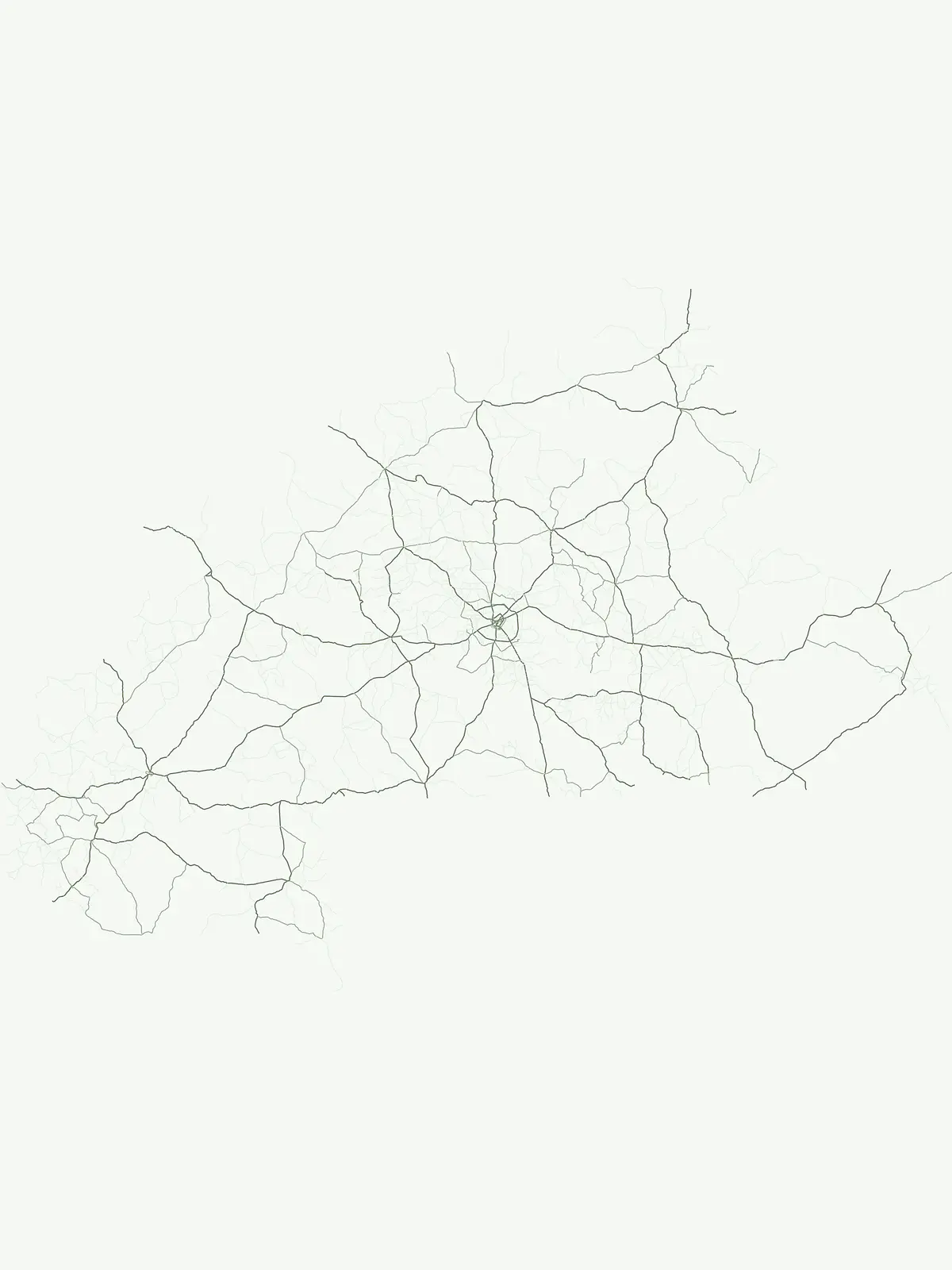
Visualize the geographic spread of protected areas and national parks across Burkina Faso.

Burkina Faso National Parks Map: Geographic Locations of Protected Areas
Explore the mapped locations of national parks and protected areas within Burkina Faso, gaining insight into their geographic placement across this West African nation. Access the full country park map to delve deeper into the regional context and conservation landscapes of Burkina Faso.

Discover essential facts on Burkina Faso's national park geography, protected-area distribution, and conservation efforts.

Frequently Asked Questions About National Parks and Protected Areas in Burkina Faso
Uncover common questions related to Burkina Faso's national parks, their unique savanna ecosystems, and regional protected areas like Kaboré Tambi and W National Park. Understanding these frequently asked questions provides valuable context for exploring the country's diverse conservation landscapes and mapping its key natural reserves.
Other countries

Compare regional park geographies, tracing the spread of protected landscapes and conservation efforts.

Discover Other Countries with National Parks and Protected Areas Beyond Burkina Faso
After exploring Burkina Faso's national parks and protected areas, browse additional country park lists to understand the broader West African conservation landscape. Continue your park atlas journey by comparing protected geographies, mapped terrains, and key conservation initiatives across a wider range of nations.

Ghana

12 parks

Ivory Coast National Parks and Protected Areas: Mapped Landscapes and Geographic Context

Ivory Coast's protected natural areas offer a window into its diverse landscapes, from gallery forests to savanna ecosystems. This geographic atlas entry provides a structured overview of national parks and other protected lands, highlighting their mapped boundaries and regional context. Explore the country's conservation network and understand the distribution of significant natural territories for informed discovery.

4 parks

Liberia National Parks and Protected Areas: Explore Geographic Distribution and Mapped Landscapes

Access a structured overview of Liberia's national parks and protected areas. This atlas-style exploration details the geographic spread and mapped boundaries of conservation lands, offering insight into the country's natural terrain and regional ecological significance. Understand where protected landscapes are situated across Liberia and their relation to broader West African geography.

3 parks

Togo National Parks and Protected Areas: An Atlas Exploration of Natural Landscapes

Access a structured geographic overview of Togo's national parks and protected natural areas. This atlas-style resource details the mapped boundaries and regional spread of conservation landscapes, offering insight into the country's protected terrain. Understand how Togo's protected areas fit into the broader West African geographic context.

2 parks

Benin National Parks and Protected Areas: Geographic Overview and Map Exploration

Navigate the protected natural areas of Benin through an atlas-focused approach. This resource highlights the geographic spread of national parks and conservation landscapes, offering a clear view of the country's protected territories. Understand the regional context and mapped boundaries of Benin's natural heritage, facilitating structured discovery for those interested in conservation geography and landscape analysis.

2 parks

Nigeria's National Parks and Protected Areas: A Mapped Geographic Overview

Navigate Nigeria's national parks and protected areas with a focus on geographic discovery. This atlas provides a structured view of protected lands, highlighting their regional placement and natural landscape context. Understand the breadth of conservation areas within Nigeria, from savanna ecosystems to island berg landscapes, aiding in detailed geographical exploration and comparison.

2 parks

Mali National Parks and Protected Areas: Browse Protected Landscapes and Geography

Navigate Mali's protected natural areas, from the Sudanian savanna to woodland ecosystems, using this comprehensive atlas view. Explore the geographic distribution and mapped boundaries of national parks and conservation lands across this West African nation. Gain structured insight into the country's natural terrain and its importance for regional geography and habitat protection.

1 park

Guinea National Parks and Protected Areas Atlas: Browse Protected Landscapes

Understand the breadth of protected lands across Guinea. This atlas provides a geographic overview, detailing the mapped boundaries and regional context of national parks and other protected areas. Explore the distribution of Guinea's natural landscapes and understand their placement within the country's diverse terrain.

1 park
MoriAtlas Explorer

Continue Your Global Geographic Exploration with MoriAtlas Park Discovery

Dive deeper into the world's protected landscapes and national parks through MoriAtlas's structured atlas interface. Discover how continents and countries are organized, and how individual park geography fits into the broader map. Our platform is built for understanding the distribution and context of protected areas worldwide, facilitating your journey through global natural geography.

Global natural geography