Mori Atlas logo
Protection category

Browse parks in Denmark defined as National Parks for ecological process and species protection.

Denmark National Park Protected Areas: Understanding IUCN Category II in Danish Geography

Discover the National Park protected areas within Denmark, adhering to IUCN Category II guidelines for safeguarding large-scale ecological processes, characteristic species, and natural ecosystems. This page focuses on how Denmark manages these significant natural landscapes to support education, recreation, and compatible visitor use, offering an atlas-like view of these designated areas across the country.

Denmark National Park Protected Areas: Understanding IUCN Category II in Danish Geography
Parks in this category

Map the distribution of National Park protected landscapes throughout Denmark's varied geography.

Discover Denmark's National Park Protected Areas: An Atlas of Conservation Landscapes

Browse a curated list of National Park protected areas in Denmark, featuring important natural and near-natural landscapes managed for ecological processes and characteristic species. This filtered view helps users compare conservation efforts and understand the geographical context of protected areas across the country.
National parkDenmarkMarine

Wadden Sea National Park

Mapped boundaries and unique protected landscape exploration.

Wadden Sea National Park is a vast national park encompassing the Danish portion of the Wadden Sea, a globally significant tidal wetland. Recognized for its critical role in bird migration, hosting millions of birds annually, it features a distinctive landscape of tidal flats, salt marshes, coastal dunes, and barrier islands. This protected area offers a unique lens through which to explore dynamic coastal geography, intertidal ecosystems, and the conservation of a World Heritage Site.

1,466 km²2010TemperateEasy access
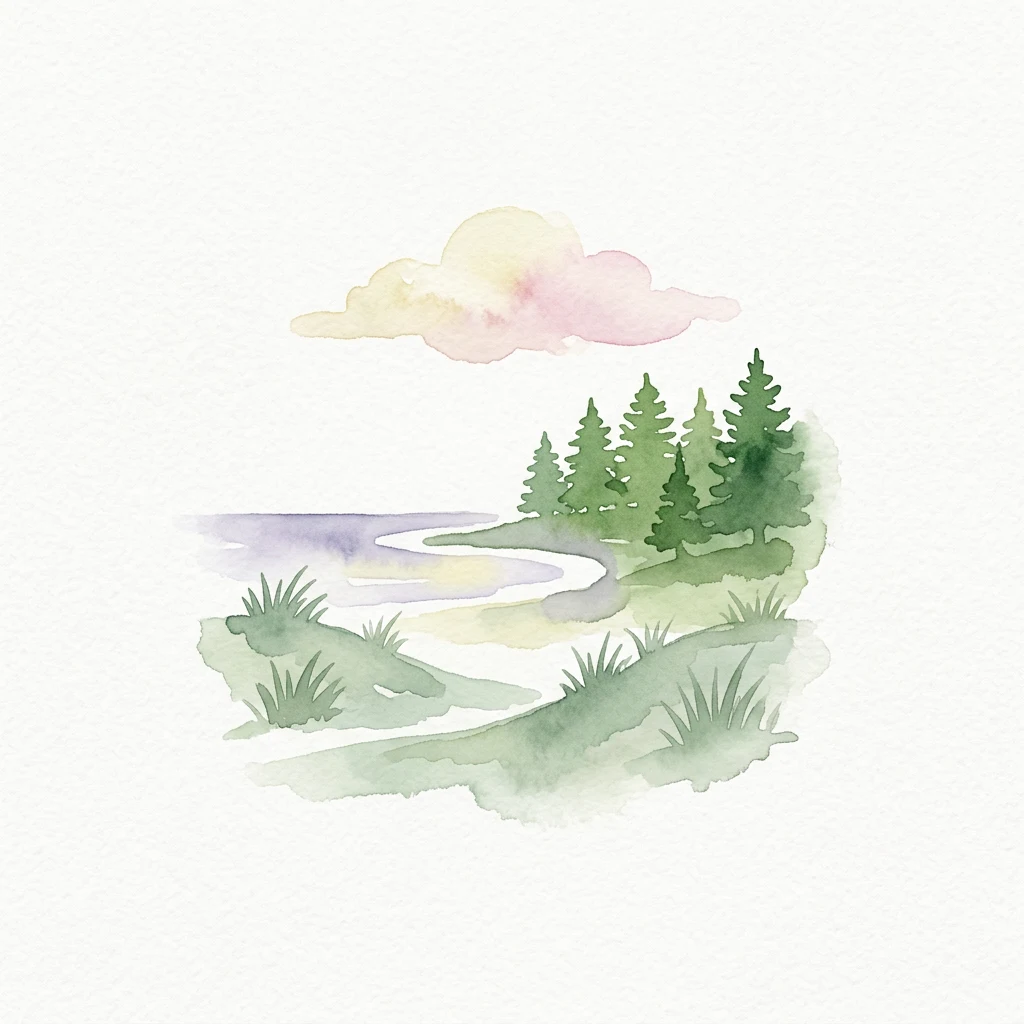
Watercolor illustration showing a winding river through grassy terrain with pine trees and a cloud
National parkDenmark

Thy National Park

Mapped dune systems, rare heath habitats, and coastal geography.

Thy National Park, Denmark's inaugural national park, protects a significant expanse of windswept coastal terrain. This area is renowned for its rare dune heaths, a habitat of particular European ecological importance, and a landscape shaped by a century of sand drift stabilization efforts. The park's diverse geography includes extensive sandy heaths, conifer plantations, and a striking coastline along the North Sea, offering rich opportunities for atlas exploration of protected natural areas and their surrounding regional context. Discover the mapped extent of this vital conservation landscape.

244 km²2007TemperateEasy access
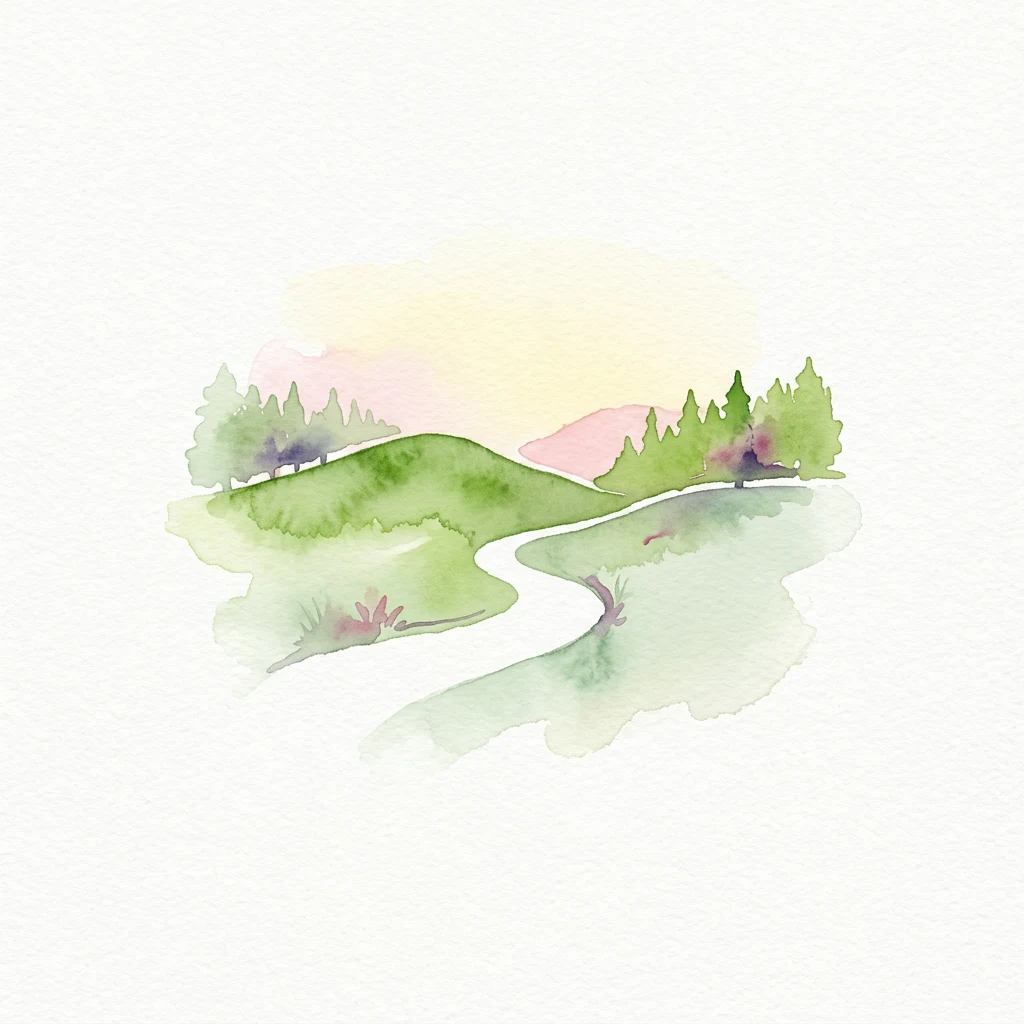
Watercolor painting of green rolling hills, a winding white path, scattered trees, and a pastel sky
National parkDenmark

Mols Bjerge National Park

Mapping the coastal cliffs and rolling heathland of Denmark

Mols Bjerge National Park protects a sweeping mosaic of glacial hills, woodlands, and coastal zones on the Djursland peninsula. With a landscape shaped by ancient ice sheets, the park offers a detailed view into Denmark's geological history, preserved ancient barrows, and rich botanical diversity along the Kattegat sea.

180 km²2009TemperateModerate access
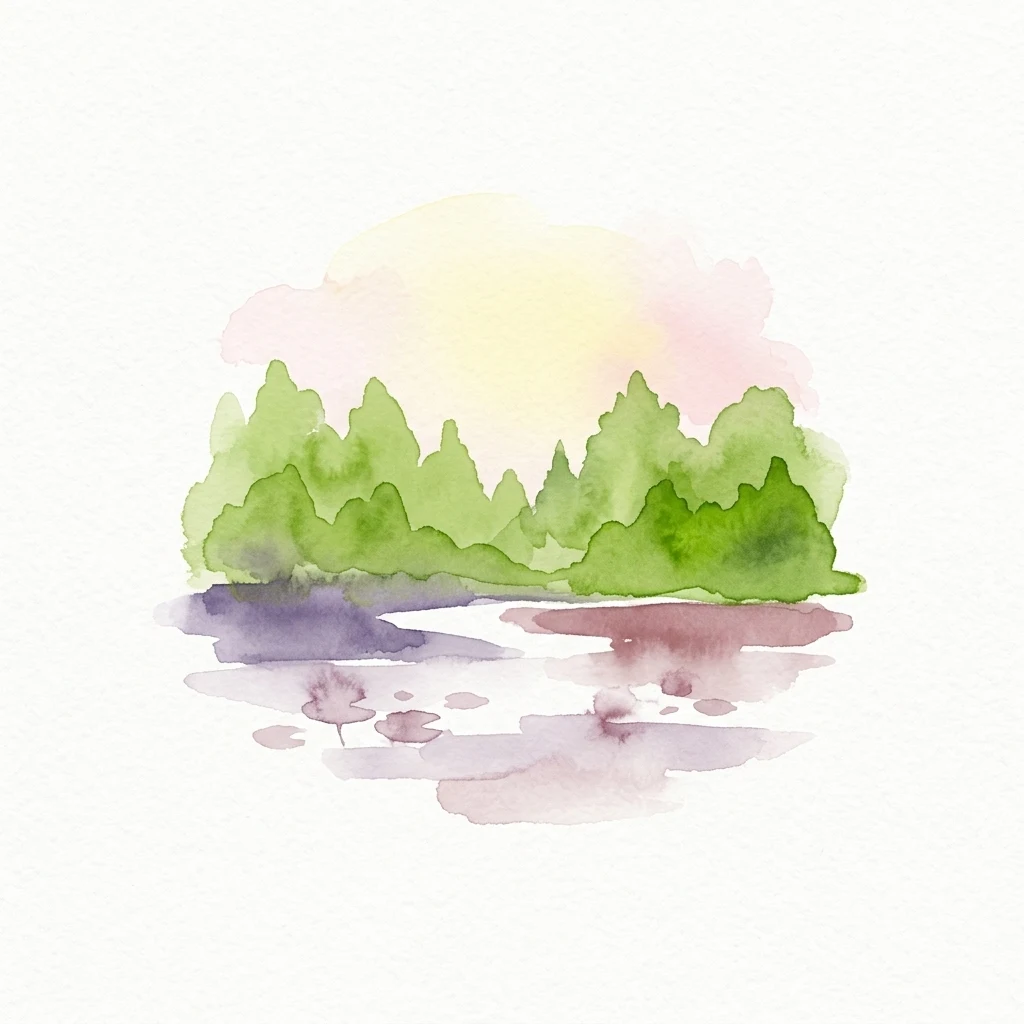
Watercolor painting of green trees, calm lake with lily pads, and pink-yellow sky
National parkDenmark

Kongernes Nordsjælland National Park

Explore North Zealand's protected natural terrain.

Delve into the protected landscape of Kongernes Nordsjælland National Park, a significant national park in Denmark's North Zealand region. This section provides a structured overview of its mapped boundaries and geographic setting, allowing for a detailed atlas-style discovery of its natural terrain. Understand how this protected area contributes to the region's conservation landscape and mapped geography.

II
Country pattern

Explore how Category II principles balance ecosystem protection with compatible visitor use in Denmark's diverse park geography.

Denmark's National Park Protected Areas: Understanding IUCN Category II Conservation

IUCN Category II National Parks designate large natural or near-natural areas managed to safeguard vast ecological processes, characteristic species, and ecosystems. In Denmark, this category shapes protected landscapes, including Mols Bjerge and Kosterhavet National Parks, integrating conservation with public education and recreation within its coastal and marine geography.

Matching parks

4

These parks and protected areas currently define how National Park appears across Denmark.

Category focus

A large natural or near-natural protected area managed to safeguard ecological processes, characteristic species, and ecosystems while also supporting education, recreation, and compatible visitor use.

Representative parks

Wadden Sea National ParkThy National ParkMols Bjerge National ParkKongernes Nordsjælland National Park
Management profile

Ecosystem protection

National Park

IUCN Category II is one of the most widely recognized protected-area categories in the world because it brings together strong ecosystem protection and public-facing values. A National Park is meant to conserve large-scale ecological processes and representative species and ecosystems, but it is also expected to support compatible spiritual, scientific, educational, recreational, and visitor opportunities. This makes Category II especially important for countries that want protected areas to function both as core conservation landscapes and as places where people can meaningfully experience nature without undermining long-term ecological goals.

Definition

A National Park is a large natural or near-natural protected area established to protect large-scale ecological processes, along with the complement of species and ecosystems characteristic of the area, while also providing a foundation for environmentally and culturally compatible spiritual, scientific, educational, recreational, and visitor opportunities. The category is used for places where conservation remains primary, but where public engagement is an accepted and often important secondary function. The defining balance is not unrestricted access, but carefully managed access compatible with ecosystem protection.

Key characteristics

Category II areas are typically large enough to sustain important ecological functions and to protect more than a single feature or species. They often contain broad habitat mosaics, major watersheds, mountain systems, forests, savannas, coastal landscapes, wetlands, marine systems, or other extensive environments where ecological processes operate across scale. Unlike stricter categories, National Parks usually include a visitor dimension, which may involve trails, viewpoints, interpretation, education, and controlled recreation. However, the category is not meant for heavily urbanized tourism landscapes or places managed mainly as leisure destinations. Its defining character lies in ecosystem-scale conservation, representative natural values, and public use that is shaped around ecological limits rather than the other way around.

Management focus

Management in National Parks generally combines ecosystem protection, visitor planning, interpretation, and long-term stewardship. Managers may use zoning, visitor infrastructure, transport controls, habitat restoration, species protection measures, fire or water management, invasive species control, and education programmes to reconcile conservation with public access. Active management may be required where landscapes have been altered or where visitor pressure is high, but the overriding test is whether actions support the park's ecological purpose. Well-managed Category II areas often balance access and restraint, allowing people to learn from and enjoy the protected area while keeping large-scale ecological processes, characteristic species, and natural systems at the center of decision-making.

Protection purpose

The purpose of Category II is to conserve large natural or near-natural areas in a way that secures ecosystem processes and biodiversity over the long term, while also providing people with opportunities for learning, inspiration, recreation, and connection to nature that remain compatible with conservation.

Management objective

Typical objectives include protecting functioning ecosystems at scale, conserving native species and ecological processes, maintaining scenic and natural values, supporting research and environmental education, providing well-managed visitor access and recreation, restoring degraded areas where necessary, and preventing incompatible development or extractive uses that would undermine the park's long-term ecological integrity.

Global context

Wider background behind National Park

This reference block covers the broader history and global examples that define National Park as an IUCN management category, rather than the country-specific park pattern shown elsewhere on the page.

Category history

The National Park idea has deep roots in nineteenth- and twentieth-century conservation, when governments began setting aside large landscapes for protection from settlement, resource extraction, and landscape transformation. Over time, the concept evolved from scenic reservation toward broader ecosystem conservation. Within the IUCN management category system, Category II became the principal international framework for protected areas that are large, ecosystem-focused, and publicly legible as major conservation landscapes. Although national park names and legal traditions differ widely from country to country, the category helps distinguish those areas managed primarily for ecosystem protection and compatible visitation from both stricter reserves and more human-shaped protected landscapes.

Global examples

Representative examples often include world-famous large protected areas such as Yellowstone National Park in the United States, Serengeti National Park in Tanzania, Torres del Paine National Park in Chile, and many other nationally designated parks whose management priority is ecosystem protection combined with compatible public use. Not every site named 'national park' is automatically IUCN Category II, but the category is widely associated with large, iconic protected areas where conservation and carefully managed visitation are both central.

Explore the geographic distribution and key characteristics of Denmark's protected areas.

Frequently Asked Questions About Denmark's National Parks and Protected Landscapes

Explore essential insights into Denmark's national parks, designated protected areas, and distinct geographic features. These questions provide valuable context for understanding the nation's diverse conservation landscapes, from the Jutland peninsula's flat arable lands to its extensive archipelago and sandy coasts.
MoriAtlas Explorer

Continue Exploring Denmark's Protected Landscapes and Park Geography

Deepen your understanding of Denmark's natural heritage by exploring its full spectrum of national parks and protected areas. This focused country-level atlas provides the context needed to trace the geographic distribution of conservation lands and appreciate their unique regional characteristics. Use this resource to navigate further into specific park details or compare protected territories across the nation.