Mori Atlas logo
Countries

Browse mapped protected lands and natural landscapes across Armenia's diverse terrain.

Armenia National Parks and Protected Areas: A Geographic Atlas Exploration

Armenia, a landlocked nation situated in the heart of the Armenian Highlands, offers a rich tapestry of protected natural areas. MoriAtlas provides a structured geographic lens to explore these significant landscapes, from mountain parks to high-altitude wetlands. Discover the mapped boundaries and regional context of Armenia's protected territories, understanding their place within the South Caucasus geography.

Armenia National Parks and Protected Areas: A Geographic Atlas Exploration
About

Explore Armenia's Diverse Protected Landscapes, from Mountainous Terrain to High-Altitude Lakes, in the South Caucasus Region

Discover National Parks in Armenia: An Atlas of Protected Areas and Geographic Landscapes
MoriAtlas provides a geographic overview of Armenia's national parks and protected areas, enabling users to explore the distribution of significant conservation landscapes across this South Caucasus nation. Discover mapped protected sites, including diverse mountain and high-altitude lake ecosystems, making Armenia a valuable atlas entry point for regional park discovery and detailed park pages.

Armenia is a landlocked nation in the South Caucasus region of West Asia, located in the Armenian highlands. It shares borders with Turkey to the west, Georgia to the north, Azerbaijan to the east, and Iran and the Nakhchivan exclave to the south. Yerevan is the capital and largest city. Armenia was the first country to adopt Christianity as its official religion in AD 301 and maintains the Armenian Apostolic Church as its primary religious institution.

Armenia is a unitary parliamentary republic located in the South Caucasus region of West Asia. The country occupies the Armenian highlands and has been home to various ancient civilizations including Urartu, which was established around 860 BC. Modern Armenia gained independence from the Soviet Union in 1991. The nation is known for its early adoption of Christianity and rich cultural heritage.

Largest city:Yerevan
Currency code:AMD
ISO code:AM
Parks count
4
Capital
Yerevan
Area
29,743 km²
Population
3,081,100 (2,025)

Coastal
Island
Mountainous
Landlocked
Park atlas4 parks

Browse Armenia's mapped conservation landscapes and high-altitude terrains

National Parks and Protected Areas in Armenia: A Geographic Atlas Explorer
Discover the diverse range of protected areas and national parks within Armenia through an atlas-focused lens. This geographic overview allows for exploration of Armenia's natural reserves, highlighting their distribution across the Armenian Highlands and South Caucasus region. Engage with a structured dataset of protected landscapes to inform deeper park discovery and regional geographic understanding.
National parkTavush Province
Dilijan National Park: Mapped Protected Landscape and Forested Terrain in Tavush Province

Explore ancient deciduous forests and medieval sites within this protected area.

Dilijan National Park offers a unique atlas perspective on Armenia's natural and cultural heritage. This protected landscape in Tavush Province is dominated by vast, ancient deciduous forests, including rare yew groves, making it a vital conservation area. Its mountainous terrain, carved by rivers and dotted with medieval monasteries like Haghartsin and Goshavank, provides a rich context for geographic discovery. Users can explore the park's mapped boundaries and understand its significance as a preserved woodland ecosystem within the Caucasus region through its detailed geographic information.

Area
240 km²
Established
2002
IUCN
II
Relief
Mixed relief
National parkGegharkunik Province

Sevan National Park: High-Altitude Lake and Protected Landscape in Gegharkunik

Explore map context, park boundaries, and regional geography.

Sevan National Park is a vital protected area located in Armenia's Gegharkunik Province, primarily safeguarding the remarkable high-altitude Lake Sevan. Established to protect this significant freshwater ecosystem, the park encompasses diverse surrounding landscapes including wetlands, forests, and steppes. Users exploring this canonical park detail page can delve into its geographic setting within the Armenian highlands, understand its importance as a protected landscape, and access structured data relevant to its unique natural environment. This MoriAtlas entry offers a focused lens on the park's conservation status and its contribution to regional geography.

Area
342 km²
Established
1978
IUCN
II
Relief
Highland
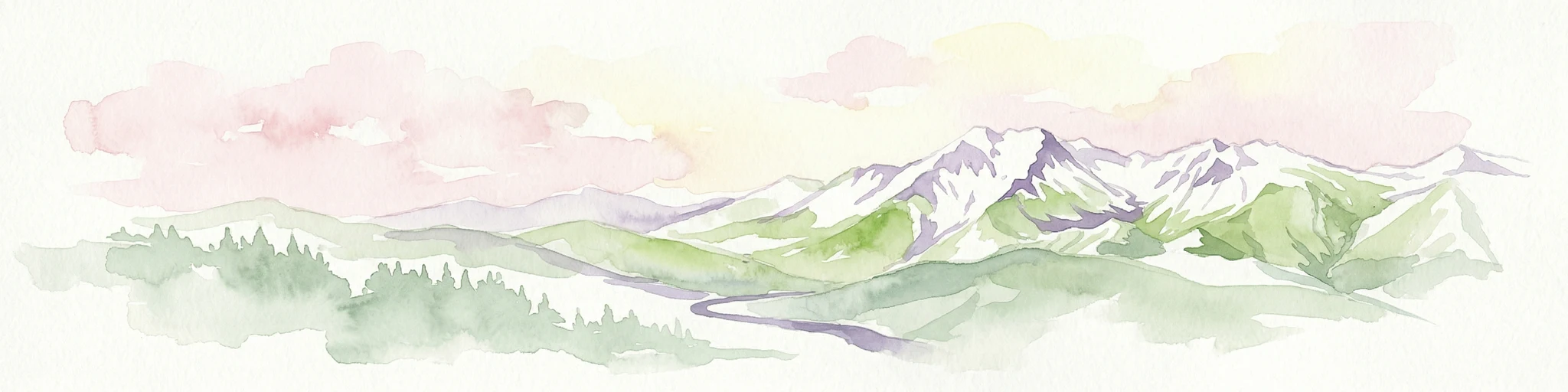
Watercolor illustration showing mountains, green forests, and a winding river under a soft pink sky.
National parkSyunik Province

Arevik National Park: Syunik Province's Protected Mountain Landscape and Biodiversity Atlas

Explore mapped boundaries, terrain, and ecosystems.

Arevik National Park offers a detailed look into the geography and protected landscape of Armenia's Syunik Province. This park is defined by the rugged Zangezur mountains and its remarkable vertical ecological zoning, transitioning from semi-desert to alpine environments. Examine its mapped terrain, significant butterfly and bird habitats, and the presence of key mammal species, providing a comprehensive atlas-style understanding of this protected area's natural identity.

Area
344 km²
Established
2009
IUCN
II
Relief
Mountain
Watercolor illustration of rolling green fields, a lake, and distant hills under a sunset sky
National parkShirak Province

Lake Arpi National Park: High-Altitude Wetland Protected Landscape in Shirak Province

Mapped boundaries of an important South Caucasus conservation area.

Lake Arpi National Park offers a unique window into high-altitude wetland ecosystems on the Shirak and Javakheti plateau, located at roughly 2000 meters above sea level. Established as a national park in 2009, it protects critical habitats, including the central Lake Arpi, and serves as a vital sanctuary for numerous bird species. This protected area is distinguished by its alpine meadows, significant bird populations, and its distinct geographic setting within Armenia's northwestern region, providing rich context for atlas-based exploration of protected lands.

Area
250 km²
Established
2009
IUCN
II
Relief
Mountain
Landscape and environment

Understand how Armenia is shaped by terrain, ecosystems, and seasonal conditions

Armenia geography, nature, climate, and landscape context for park-focused travel research
Explore the physical geography, natural setting, and climate patterns of Armenia through a location-first overview built for travel research, national park discovery, and broader regional context. This section helps explain how landscapes, habitats, and environmental conditions shape what people search for, where they travel, and how they experience protected areas in Armenia.

Armenia geography and landscape

Armenia is situated in the South Caucasus region of West Asia, occupying the Armenian highlands. It is bordered by Turkey to the west, Georgia to the north, Azerbaijan to the east, and Iran and the Nakhchivan Autonomous Republic to the south. The country is landlocked, though it historically had access to the Caspian Sea.

Armenia nature and environment

Armenia features diverse mountainous terrain with forests, alpine meadows, and volcanic landscapes. The country has several protected areas and is home to various wildlife species typical of the Caucasus region.

Armenia climate and seasonal conditions

Armenia has a continental climate with hot summers and cold winters. The Armenian highlands experience more extreme temperatures due to elevation.

Explore this place

Related topics and popular queries

Ways to explore Armenia
Useful phrases, related topics, and discovery prompts connected to Armenia.
where is armenia locatedwhat is armenia known forarmenia capital cityarmenia population and areaarmenian highlands geographyarmenia christians first countryarmenia countryrepublic of armeniasouth caucasusarmenian highlandsyerevan capitalarmenia geographyarmenia historyarmenia tourism
Park map

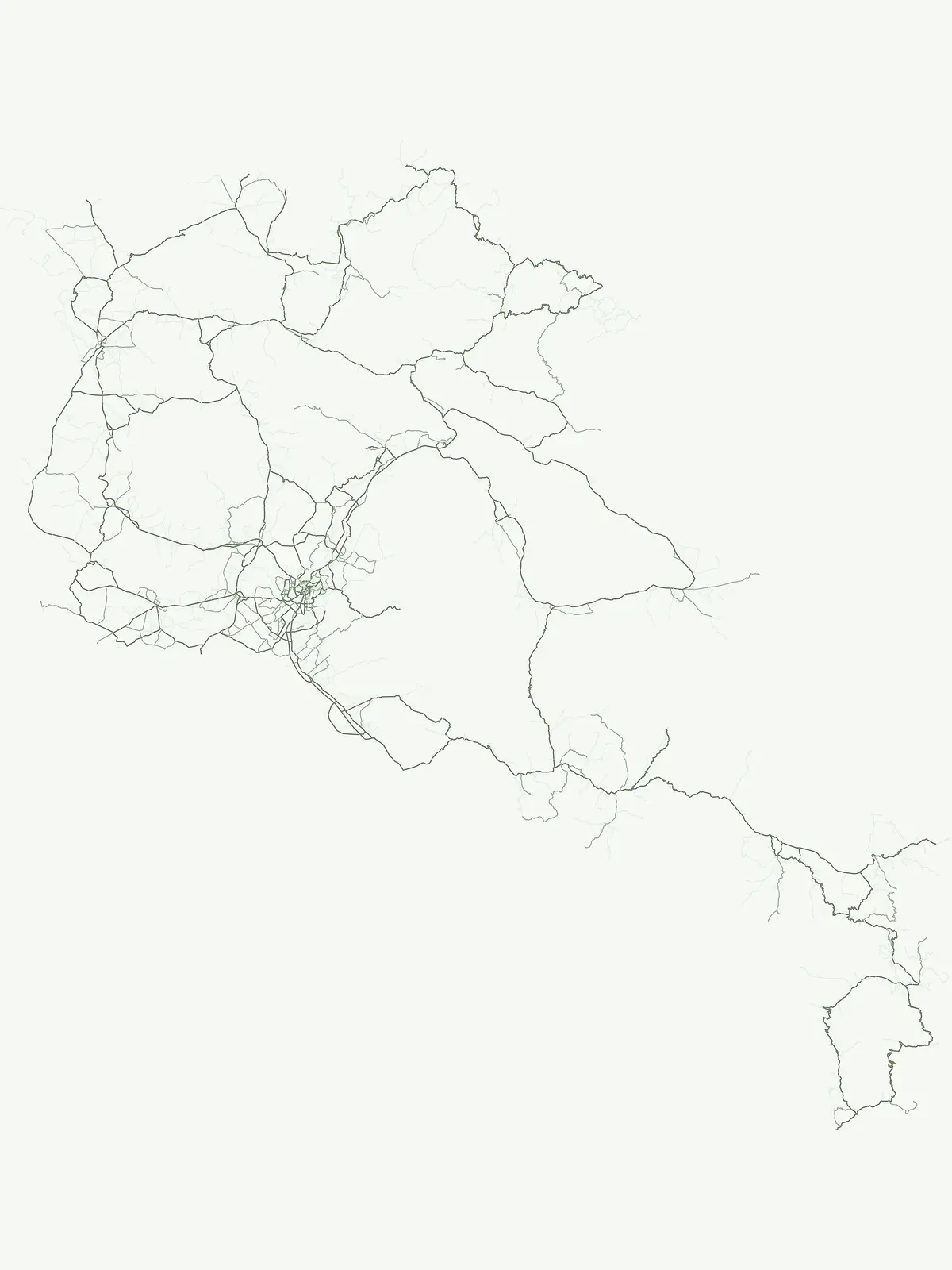
Visualize the geographic distribution of Armenia's protected landscapes and conservation areas across the South Caucasus region.

Explore the National Parks and Protected Areas Map of Armenia
Browse a geographic preview of Armenia's national parks and key protected areas, pinpointing their locations within the rugged Armenian highlands and surrounding Transcaucasia terrain. This interactive atlas view offers essential spatial context for understanding park distribution and encourages deeper exploration on the dedicated full country map page.

Discover the geographic spread of Armenia's protected areas and mountain landscapes within the South Caucasus region.

Common Questions on Armenia's National Parks, Protected Areas, and Geographic Context
These frequently asked questions provide essential context for understanding Armenia's national parks and diverse protected areas, from high-altitude lakes like Sevan to vital wetland conservation sites. Explore the geographic distribution and specific characteristics of Armenia's unique conservation landscapes, gaining insights into their role within the South Caucasus region.
Other countries

Compare regional protected landscapes and expand your atlas knowledge beyond the South Caucasus.

Explore National Parks and Protected Areas in Countries Near Armenia
Explore national parks and key protected areas across countries that share borders or regional proximity with Armenia. This geographic perspective provides valuable context for understanding regional conservation efforts and expands your atlas journey into diverse adjacent park landscapes.

Venezuela National Parks and Protected Areas: A Geographic Overview

Explore Venezuela through its network of national parks and protected areas. This section provides a structured view of the country's conserved natural landscapes, highlighting their geographic distribution and mapped boundaries. Understand how these protected areas contribute to the regional geography and offer diverse terrain for atlas-based discovery.

43 parks

Colombia National Parks and Protected Areas: Mapped Landscape Explorer

Navigate the diverse protected areas and national parks within Colombia using a structured geographic atlas. This resource highlights the mapped distribution of conservation lands, offering insights into the natural terrain and regional landscape context across the country. Understand where Colombia's key protected areas are located and their significance within the broader South American geography.

37 parks

Costa Rica National Parks and Protected Areas: A Geographic Atlas

Access a structured atlas for exploring Costa Rica's national parks and protected natural areas. This platform offers detailed insights into the geographic scope of conservation efforts, highlighting park boundaries, regional terrain, and the distribution of diverse natural landscapes across the country. It serves as a vital tool for understanding the mapped protected geography of Central America.

30 parks

Peru National Parks and Protected Areas: Browse the Geographic Atlas and Mapped Landscapes

Access a structured overview of Peru's national parks and protected areas, designed for geographic exploration and atlas-style discovery. Understand the distribution of conservation landscapes from the coast to the Amazon, examining their mapped boundaries and regional significance. This resource facilitates a deeper appreciation of Peru's natural terrain and its role in preserving biodiversity across diverse ecosystems.

15 parks

Panama National Parks and Protected Areas: Geographic Atlas and Map Explorer

Uncover the geographic richness of Panama through its national parks and protected areas. This atlas provides a structured way to view mapped protected landscapes, understand their regional context, and explore the natural terrain. Focus on the distribution and boundaries of conservation areas across the country, from watershed protection zones to tropical rainforests.

11 parks

Ecuador's National Parks and Protected Areas: A Geographic Exploration

Navigate Ecuador's protected areas and national parks to understand their geographic context and distribution. This atlas offers a structured view of the country's conservation landscapes, highlighting diverse terrains from Andean paramo to endemic Galápagos ecosystems. Explore the mapped boundaries and regional geography to appreciate the scope of natural preservation efforts.

10 parks

Nicaragua National Parks and Protected Areas Atlas for Geographic Discovery

Navigate Nicaragua's protected natural areas with this geography-focused atlas. Users can explore the mapped boundaries of national parks and other conservation lands, gaining insight into their distribution across the country's diverse terrain. This resource facilitates a deeper understanding of Nicaragua's protected landscapes and their regional significance, serving as a structured point of entry for geographic research.

2 parks

Curacao National Parks and Protected Areas: Mapped Landscapes and Geography

Explore the curated geography of Curacao's national parks and protected lands. This atlas view details the distribution of conservation areas and natural landscapes, offering a structured approach to understanding the island nation's unique terrain and protected regions. Navigate Curacao's significant protected areas and gain geographic context for its natural heritage.

1 park
MoriAtlas Explorer

Continue Your Global Geographic Exploration with MoriAtlas Park Discovery

Dive deeper into the world's protected landscapes and national parks through MoriAtlas's structured atlas interface. Discover how continents and countries are organized, and how individual park geography fits into the broader map. Our platform is built for understanding the distribution and context of protected areas worldwide, facilitating your journey through global natural geography.

Global natural geography