Why Sevan National Park stands out
Sevan National Park is renowned primarily for its protection of Lake Sevan, one of the world's great high-altitude freshwater lakes. The park is also celebrated for its remarkable bird diversity, with up to 267 bird species recorded in the Sevan Basin, including the endemic Armenian gull. The lake supports several endemic fish species, most notably the Sevan trout (Salmo ischchan), which is both culturally and ecologically significant. The park encompasses diverse habitats including lake wetlands, river deltas, juniper-oak forests, and mountain steppes, creating a mosaic of ecosystems that support significant biodiversity.
Sevan National Park history and protected-area timeline
Sevan National Park was established on March 14, 1978, through a joint decree of the Armenian Communist Party Central Committee and the Council of Ministers of the Armenian SSR. The creation of the park represented a formal response to growing environmental concerns about the ecological health of Lake Sevan, which had experienced substantial water level changes and associated habitat impacts throughout the mid-20th century. Prior to 1997, forest lands within the park boundaries were managed by various forest enterprises, including those in Sevan, Noratus, Martuni, Vardenis, and Chambarak. These forest enterprises were dissolved in 1997, and their territories and assets were transferred to Sevan National Park. Additionally, recreational zone areas along the lake's shoreline were incorporated into the park's jurisdiction. Under the Armenian Law on Lake Sevan enacted in 2001, the national park's territory was fully integrated into the Central Zone of the Sevan Ecosystem, designated as a special regulatory object for urban planning activities. The park continues to operate under the legislative framework established by Armenia's law on Specially Protected Natural Areas and other relevant environmental regulations.
Sevan National Park landscape and geographic character
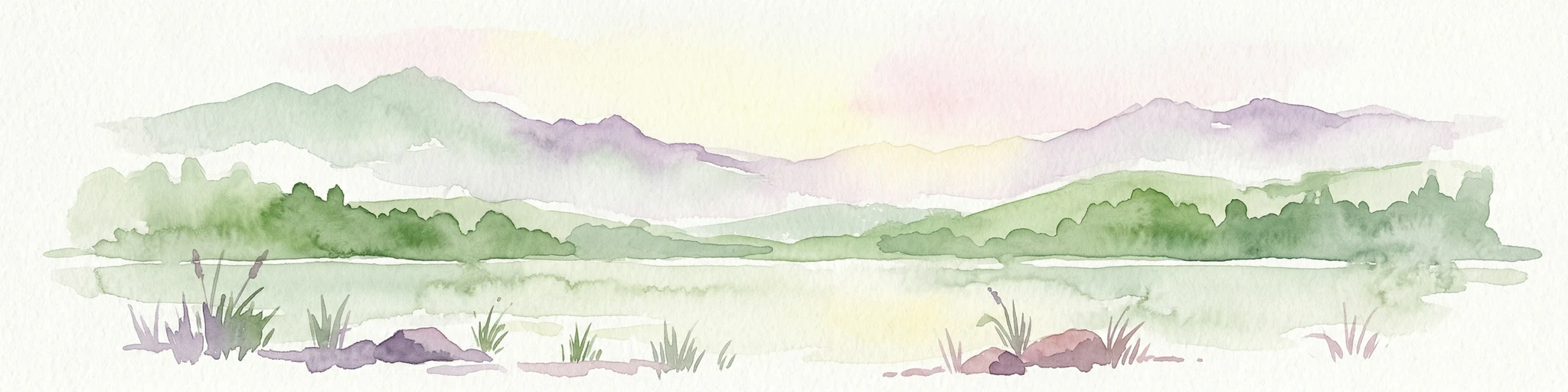
The landscape of Sevan National Park is dominated by Lake Sevan, a remarkable high-altitude freshwater lake set within a mountainous basin surrounded by volcanic highlands. The lake surface sits at approximately 1,900 meters elevation, making it one of the highest large lakes in the world. The surrounding terrain includes gentle slopes leading down to the lake shore, river valleys where streams enter the lake, and more rugged areas with rocky outcrops and forested slopes. The Artanish Peninsula extends into the lake, creating a distinctive geographical feature. The Noratus Peninsula on the western shore similarly projects into the lake's waters. Wetland areas occur at river mouths, particularly where the Masrik River and other streams meet the lake, creating important habitat mosaics. The landscape transitions from steppe grasslands on lower slopes to more sparsely vegetated rocky terrain at higher elevations. The overall effect is a dramatic mountain lake environment set against the backdrop of the Gegharkunik highlands.
Sevan National Park ecosystems, habitats, and plant life
The nature of Sevan National Park encompasses a remarkable diversity of ecosystems centered on the lacustrine environment of Lake Sevan. The basin of Lake Sevan serves as a crossroads between mezophile and Armenian-Iranian xerophile floristic zones, creating unusual ecological transitions. Within the park's boundaries, approximately 1,145 species of vascular plants have been documented, while the broader protection belt contains 1,587 species. The flora includes 28 tree species, 42 shrub species, 866 perennial herbs, and 307 annual and biennial plant species. The park and its protection zone support 23 plant species endemic to Armenia, with 13 of these being endemic specifically to the Sevan floristic region. Three Armenian endemic species and five Sevan basin endemic species occur exclusively within the park's boundaries. Seventeen plant species found here are protected under Armenia's Red Book. The lake and surrounding wetlands create habitat conditions that support significant biodiversity, with approximately 60 species of medicinal plants and over 100 edible plant species documented in the area.
Sevan National Park wildlife and species highlights
The wildlife of Sevan National Park is notably diverse, with particular significance attached to the avifauna of Lake Sevan. Up to 267 bird species have been recorded in the Sevan Basin, representing a remarkable diversity for a high-altitude protected area. These birds span 17 taxonomic orders including grebes, pelicans, flamingos, falcons, waterfowl, gamebirds, cranes, shorebirds, pigeons, cuckoos, owls, nightjars, swifts, rollers, woodpeckers, and perching birds. Fifty-six of these species are included in the Red Book of Animals of the Republic of Armenia. Two species are considered regional endemics: the Armenian gull (Larus armenicus) and the Mountain Chiffchaff (Phylloscopus sindianus). The park also supports populations of mammals including wolf, jackal, fox, marten, wildcat, hare, and various small rodents. The aquatic environment supports important fish populations, most notably the endemic Sevan trout (Salmo ischchan) with its four ecological subspecies, and the Sevan koghak (Capoeta sevangi). The Masrik River and its tributaries serve as critical spawning grounds for these endemic fish species. Reptiles and amphibians found in the park include several species of frogs, toads, lizards, and snakes adapted to the lake's diverse habitats.
Sevan National Park conservation status and protection priorities
Sevan National Park plays a critical role in the conservation of Armenia's natural heritage, particularly the ecological integrity of Lake Sevan. The park contains four strict nature reserves (zapovedniks) covering a total of 7,464 hectares, protecting the most sensitive habitats and species. These reserves include Norashen, Lichk-Argit, Gilli, and Artanish, each designated for specific conservation objectives. Two additional restricted wildlife areas (zakazniks) cover 2,652 hectares, providing additional protection for important habitats. The park's research center conducts ongoing monitoring of ecosystems, tracking changes in water quality, species populations, and habitat conditions. Conservation measures include regulation of fishing activities on the lake, with specific attention to protecting endangered endemic fish species. The protection regime has been strengthened since 2013, contributing to the documented return of certain bird species that had declined following habitat loss. The park also contributes to the protection of endemic plants, with 17 Red Book species occurring within its boundaries, and supports conservation of important invertebrate groups including butterflies, with several species protected under both national and international frameworks.
Sevan National Park cultural meaning and human context
Lake Sevan holds profound cultural and historical significance for Armenia, and this heritage is intertwined with the protected area. The lake has been a center of human settlement and activity for millennia, with numerous historical and religious sites located within the park's boundaries. The peninsula of Sevanavank, with its medieval monastery complex, stands as one of the most recognizable cultural landmarks visible from the lake's shores. The lake's fish populations have supported local communities for generations, with fishing representing an important traditional livelihood. The region's name and identity are deeply connected to the lake and its resources. The park exists within a landscape where human activity and natural systems have co-evolved over long time periods, creating cultural landscapes that reflect the interaction between communities and their environment.
Top sights and standout views in Sevan National Park
Sevan National Park offers visitors access to one of the world's most remarkable high-altitude freshwater lakes, set against the dramatic backdrop of the Armenian highlands. The park provides opportunities to observe the endemic Armenian gull, found nowhere else on Earth. The Sevan trout represents both an ecological treasure and a symbol of the lake's cultural significance. The Artanish Peninsula features unique pre-glacial relict vegetation including juniper and oak forests. The park's multiple protected zones offer varying levels of access and experiences, from strict nature reserves to recreational areas. Birdwatching opportunities are exceptional, with hundreds of species including migratory waterfowl, cranes, and seabirds. The blend of aquatic, wetland, forest, and steppe habitats creates a concentrated natural diversity within a manageable area.
Best time to visit Sevan National Park
The optimal time to visit Sevan National Park depends on the experience sought. Summer months (June through August) offer the warmest conditions for exploring the park and the lake shore, with average temperatures suitable for outdoor activities. This period corresponds with peak bird activity and the best conditions for observing waterfowl and other wildlife. Autumn brings striking color changes to the surrounding landscapes and represents a productive season for wildlife observation as species become more active before winter. Winter transforms the park into a starkly beautiful high-altitude environment, though access to some areas may be limited by snow. Spring offers the renewal of vegetation and the return of migratory birds, creating vibrant conditions throughout the park. The lake's high elevation means that conditions can change rapidly, and visitors should be prepared for variable weather regardless of the season chosen.