Mori Atlas logo
National parkGöygöl National Park

Discover the geographic context and diverse protected terrain of Azerbaijan's premier national park.

Göygöl National Park: Mapped Protected Landscape and Pristine Alpine Lakes in Azerbaijan

Göygöl National Park, situated in Azerbaijan's Lesser Caucasus range, offers a profound glimpse into a protected natural landscape centered around the breathtaking Lake Göygöl. This expansive national park, encompassing mountainous terrain and extensive forest coverage, serves as a vital hub for biodiversity and geographic discovery. As Azerbaijan's most frequently visited protected area, it provides a unique window into the region's natural heritage, inviting exploration of its mapped boundaries and rich ecosystems.

National ParkLakeForestSubalpineLesser CaucasusBiodiversity

Göygöl National Park

National park

Park overview

Structured park overview, official facts, and landscape profile for Göygöl National Park

Göygöl National Park park facts, protected area profile, and essential visitor context
Review the core facts for Göygöl National Park, including designation, size, terrain, visitor scale, habitats, and operating context in one park-focused overview.

About Göygöl National Park

Göygöl National Park represents one of Azerbaijan's premier protected areas, located in the mountainous northwestern region of the country within the Lesser Caucasus mountain range. The park's establishment in 2008 marked a significant expansion of environmental protection in Azerbaijan, growing from the earlier Göygöl State Reserve that had preserved all or part of the Göygöl lake area since 1925. During the Soviet era, the reserve lost its protected status but was later restored, eventually evolving into the current national park designation that provides broader recreational access while maintaining ecological protection.

The park encompasses a diverse landscape characterized by mountainous terrain with elevations ranging from around 1,000 to over 3,000 meters. The terrain features deep valleys, extended ridgelines, and slopes of varying steepness, with the landscape significantly dissected by numerous river valleys. This varied topography creates multiple distinct habitats within the park, from forested slopes to alpine meadows and lake shores. The area experiences a cold climate with dry winters and a moderately warm climate with dry winters, typical of the continental mountain environments of the South Caucasus.

Göygöl National Park has become the most visited protected area in Azerbaijan, drawing both domestic and international visitors to experience its natural beauty and biodiversity. The park offers opportunities for nature observation, hiking, and environmental education, with the Azerbaijani Ministry of Ecology and Natural Resources managing the protected area. A documentary film titled "Göygöl Milli Parkı" was produced in 2015, further highlighting the park's significance within Azerbaijan's environmental heritage.

Quick facts and research context for Göygöl National Park

Göygöl National Park occupies 12,755 hectares in the Lesser Caucasus mountains of northwestern Azerbaijan, at elevations ranging from approximately 1,000 to 3,060 meters above sea level. The park was established in 2008, superseding the Göygöl State Reserve that had protected the area since 1925. The park's ecosystem protects the subalpine zones of the northern slopes of the Lesser Caucasus, preserving typical landscape, flora, and fauna of this mountain region. Lake Göygöl, along with Maralgöl and Zəligöl, are key aquatic ecosystems within the park. The area features deep valleys, long ridgelines, and slopes of varying inclination, dissected by numerous river valleys. Average annual temperatures range from 4 to 10 degrees Celsius, with annual precipitation between 600 and 900 millimeters.

Park context

Deeper park guide and search-rich context for Göygöl National Park

Göygöl National Park history, landscape, wildlife, and travel context
Explore Göygöl National Park through its history, landscape character, ecosystems, wildlife, conservation priorities, cultural context, and seasonal travel timing in a structured park guide built for atlas discovery and search intent.

Why Göygöl National Park stands out

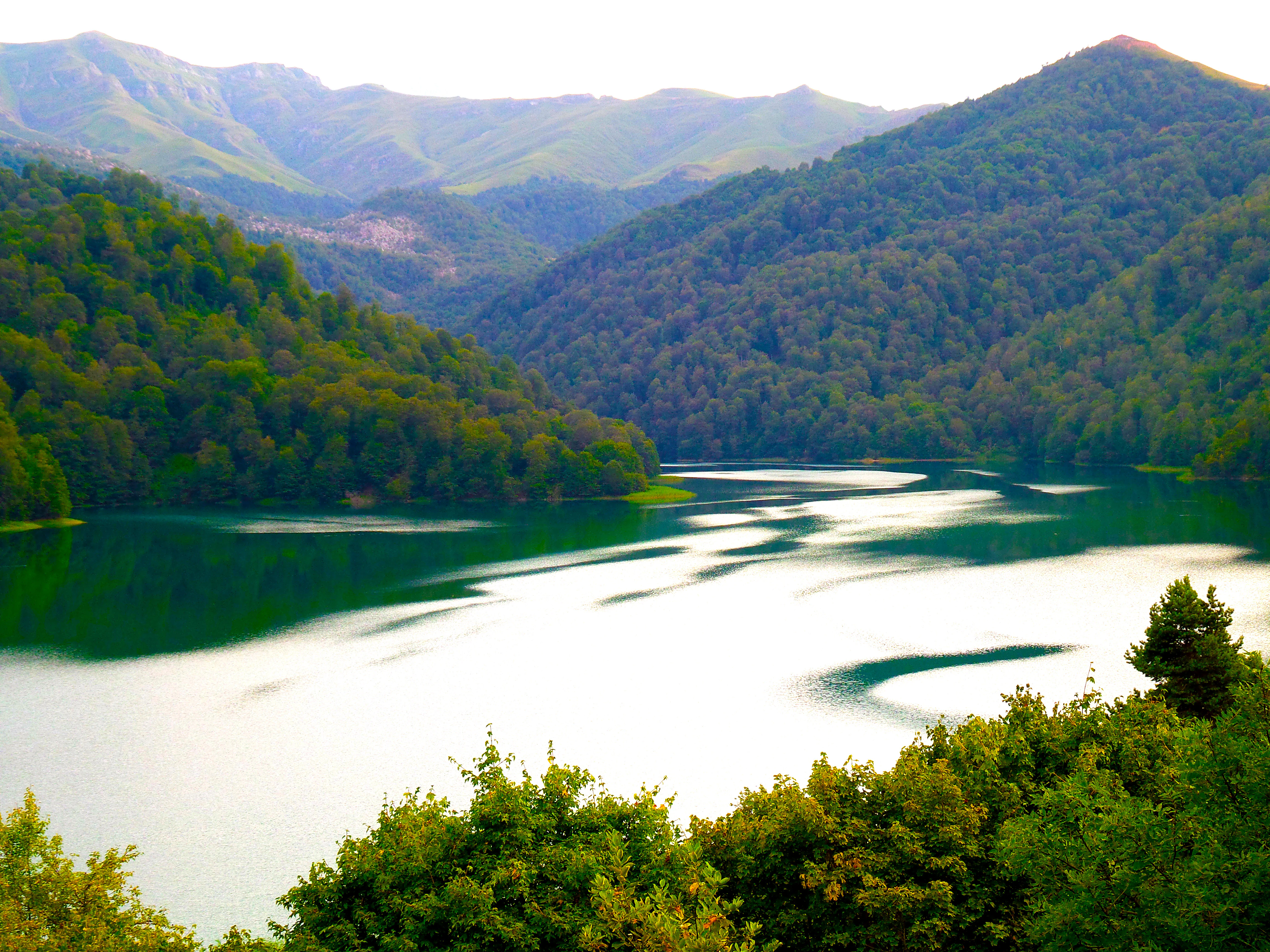
Göygöl National Park is best known for its centerpiece lake, a crystal-clear alpine lake surrounded by dense forests in the Lesser Caucasus foothills. The park is celebrated for its extensive forest coverage hosting over 420 plant species, including 20 endemic species unique to the region. Its diverse wildlife includes significant populations of large mammals such as lynx, brown bear, wild boar, and roe deer, along with notable bird species including the bearded vulture, Egyptian vulture, and Eurasian eagle-owl. The combination of the scenic lake, rich oak and beech forests, and mountain meadows creates one of Azerbaijan's most ecologically significant and visually striking protected landscapes.
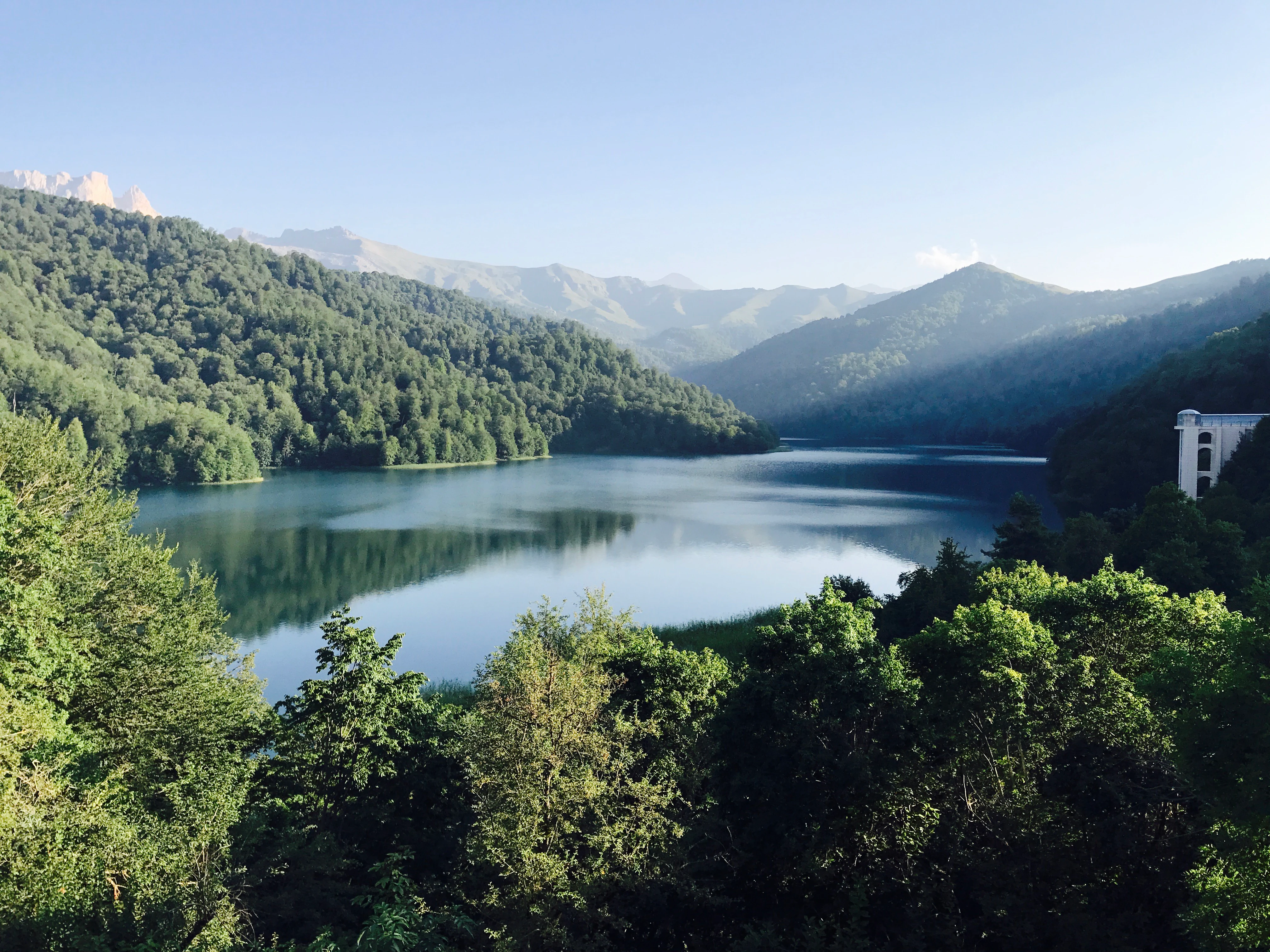
Göygöl National Park history and protected-area timeline

The protection of Göygöl's natural environment began with the establishment of the Göygöl State Reserve in 1925, making it the first nature reserve created in Azerbaijan. This early recognition of the area's ecological importance reflected the region's outstanding natural beauty and biodiversity. The reserve was reorganized on July 14, 1965, by decree of the Azerbaijan SSR Council of Ministers, at which time it covered an area of 6,739 hectares. The reserve's mission focused on preserving the purity of Göygöl Lake as a drinking water source and protecting the typical landscape, fauna, and flora of the Lesser Caucasus mountains.

On April 1, 2008, the area was elevated to national park status through a decree of the President of Azerbaijan, significantly expanding the protected territory to 12,755 hectares. This expansion incorporated the former state reserve along with adjacent forest and state lands. The transformation from reserve to national park reflected both the increased importance placed on environmental protection in independent Azerbaijan and the desire to provide broader public access to this natural treasure while maintaining conservation oversight. The park is now managed by the Republic of Azerbaijan's Ministry of Ecology and Natural Resources.

Göygöl National Park landscape and geographic character

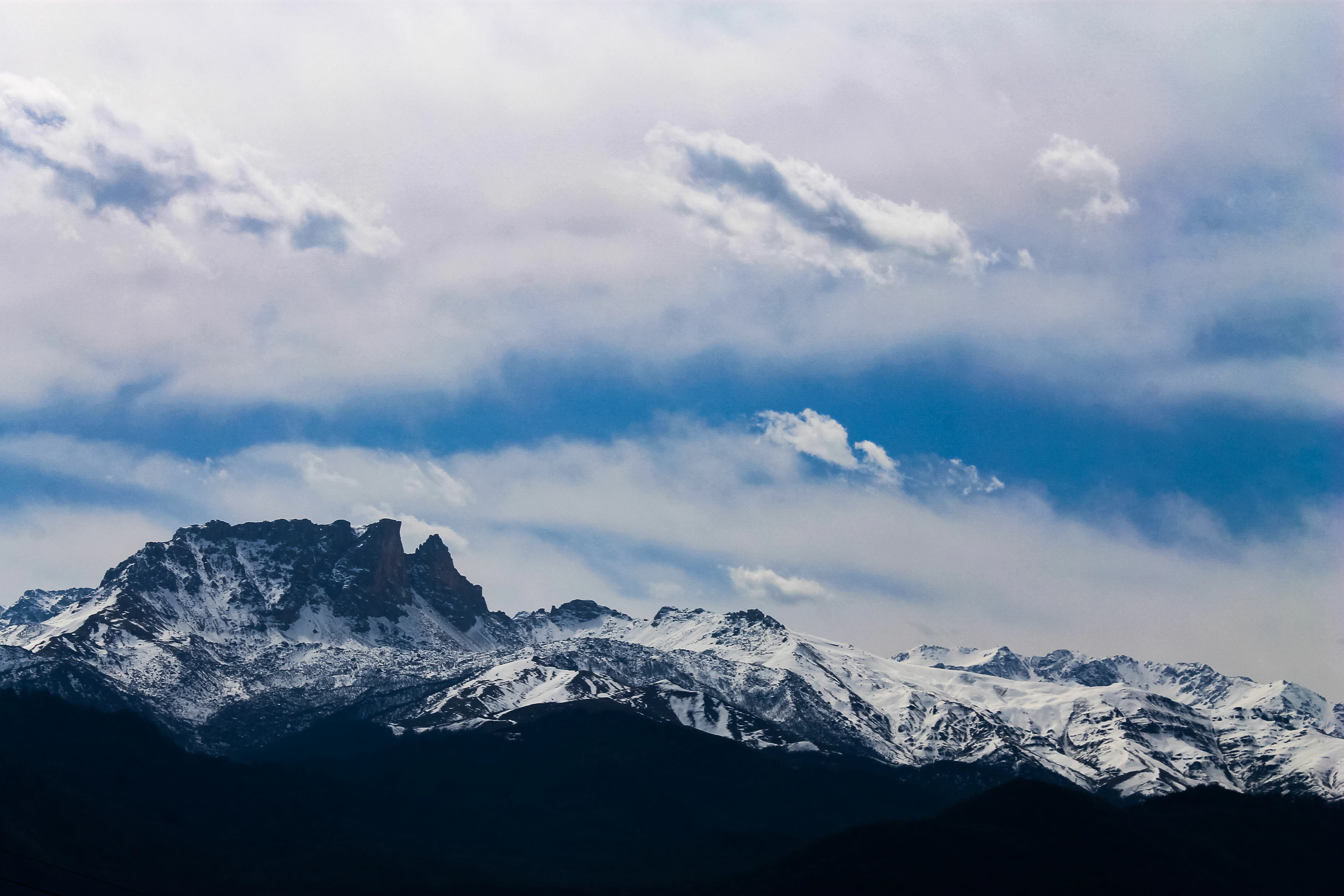
The physical landscape of Göygöl National Park is defined by its position in the Lesser Caucasus mountain range, featuring dramatic topography that creates a visually striking environment. The park encompasses mountainous terrain with significant elevation variation, ranging from approximately 1,000 meters in the lower valleys to over 3,000 meters at higher elevations. The terrain is characterized by deep river valleys, extended ridgelines, and slopes of varying inclination that create diverse microclimates and habitat conditions throughout the park.

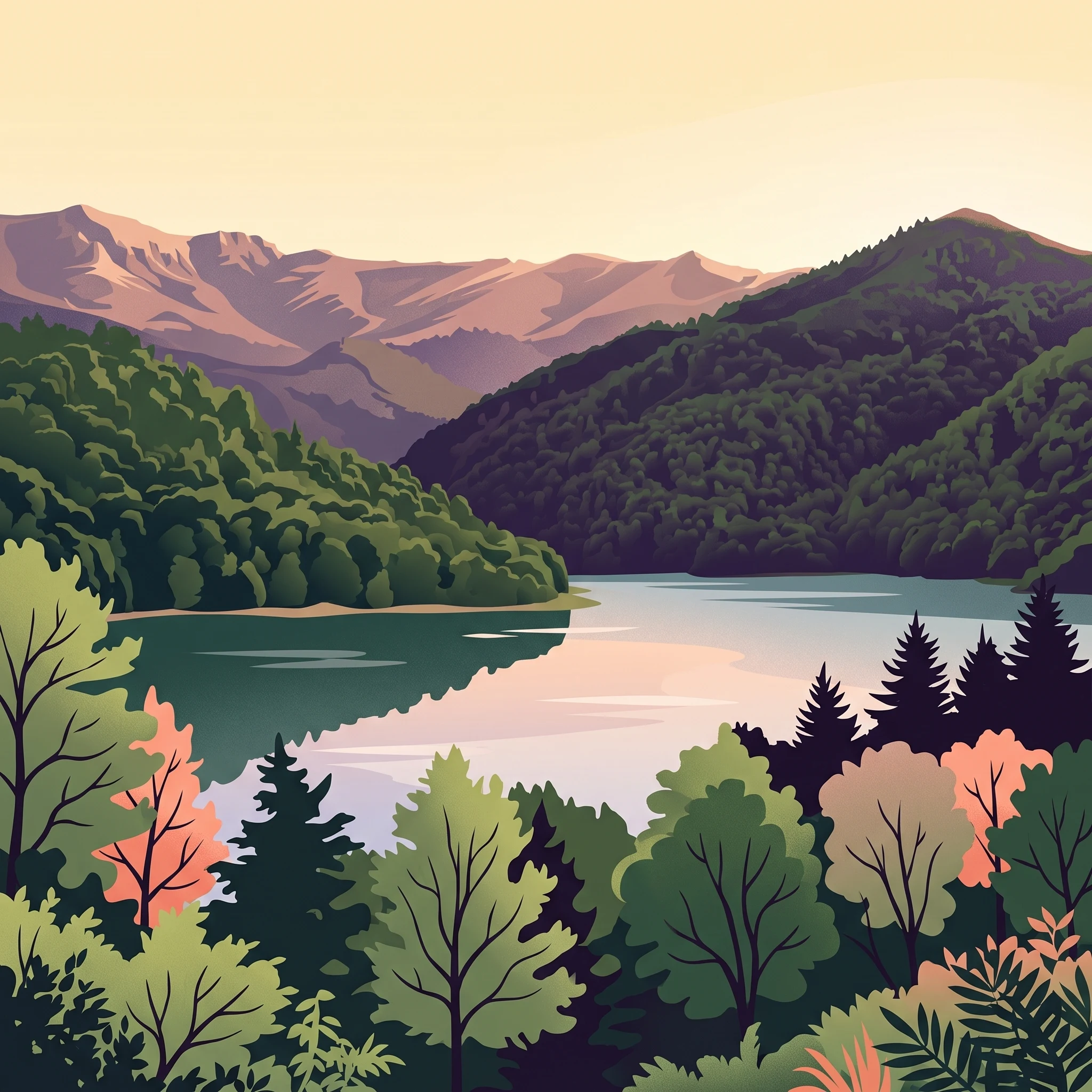
Lake Göygöl serves as the visual and ecological centerpiece of the park—a pristine alpine lake known for its clarity and scenic setting surrounded by forested mountains. The lake, along with other water bodies including Maralgöl and Zəligöl, contributes to the park's distinctive character. The landscape features a mix of forested slopes, rocky outcrops, and meadow areas, with the forests covering nearly the entire park area. The combination of the clear lake, dense mountain forests, and rising peaks creates a classic Caucasus mountain landscape that has become one of Azerbaijan's most recognizable natural scenes.
Göygöl National Park ecosystems, habitats, and plant life

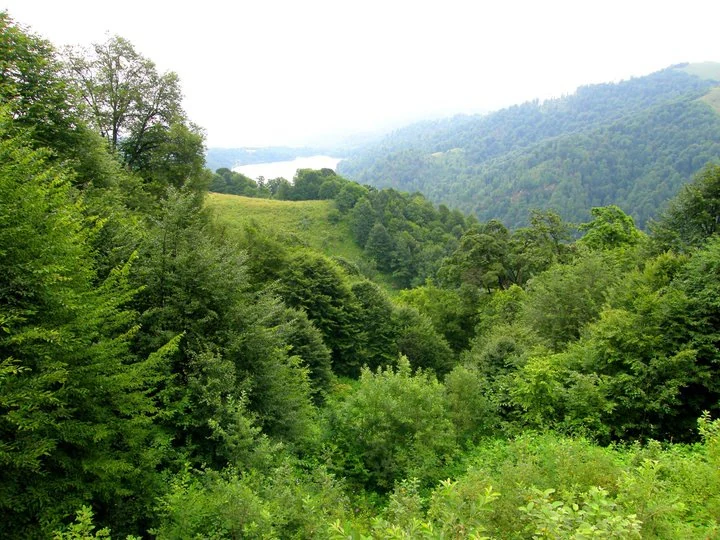
The ecological character of Göygöl National Park reflects its position in the subalpine zones of the Lesser Caucasus, supporting diverse forest ecosystems and rich biodiversity. The park features mountain-forest, mountain-steppe, subalpine, and alpine meadow plant communities across its elevation gradient. The mountain forests, spanning elevations from 1,100 to 2,200 meters, support particularly rich vegetation with approximately 80 tree and shrub species. These forests are dominated by species including Oriental beech, chestnut-leaved oak, Caucasian oak, various maples, and Caucasian lime tree, creating diverse forest types throughout the park.

The subalpine zone of the northern Lesser Caucasus slopes represents one of the park's most important protected ecosystems. The area supports a remarkable diversity of plant life, with over 420 species recorded, including 20 species endemic to the region. Shrub layer vegetation includes medlar, European barberry, European cornel, European spindle, and blackberry, while the herbaceous layer features numerous species including Caucasian violet, bellflower, and various grasses. The lakes, particularly Göygöl, support aquatic ecosystems that contribute to the overall ecological diversity of the protected area.
Göygöl National Park wildlife and species highlights

Göygöl National Park supports significant wildlife populations across its diverse habitats, with particular importance given to both large mammals and bird species. The park's mammal community includes several species of conservation significance, with the lynx and brown bear representing the largest predators present in the area. Other mammals include wild boar, wolf, golden jackal, jungle cat, red fox, roe deer, and badger. The eastern Caucasus tur and the Caucasian red deer are among the notable ungulate species found in the park, with both species appearing in Azerbaijan's Red Book of protected species.

The bird fauna of Göygöl National Park is particularly rich, featuring numerous species including several endemic subspecies. Notable raptors include the bearded vulture and Egyptian vulture, while the Eurasian eagle-owl represents another significant bird of prey. Woodpeckers are represented by the black woodpecker, and the park supports populations of golden oriole, mistle thrush, stock dove, Eurasian woodcock, woodlark, mute swan, common quail, and the Caspian titmouse. The fauna section also notes the historical presence of the Caspian tiger in these mountains, though the subspecies is now extinct. While Persian leopard presence in the park remains uncertain, the species is known to inhabit southern regions of Azerbaijan.
Göygöl National Park conservation status and protection priorities

Göygöl National Park holds significant conservation importance within Azerbaijan and the broader Caucasus region as a protected area preserving subalpine ecosystems of the Lesser Caucasus. The park protects the natural ecosystem of the subalpine zones on northern slopes, representing typical Caucasus mountain environments that have faced development pressure in surrounding areas. The protected status preserves not only the forests and wildlife but also the water quality of Göygöl Lake, which serves as an important water source requiring protection from contamination.

The park's conservation value is enhanced by its historical status as Azerbaijan's first nature reserve, established in 1925, demonstrating a long-standing commitment to preserving this particular area's natural heritage. Several species within the park are protected under national legislation, including the eastern Caucasus tur and the Caucasian red deer, which appear in Azerbaijan's Red Book. The presence of rare bird species including the bearded vulture and Egyptian vulture further emphasizes the park's importance for biodiversity conservation. The expansion of the protected area from the original state reserve to the current national park boundary reflects an increasing commitment to comprehensive ecosystem protection.

Göygöl National Park cultural meaning and human context

Göygöl National Park is situated near the city of Ganja, Azerbaijan's second-largest city, placing the protected area within a region of historical and cultural significance. The park lies in the administrative territory of Goygol Rayon, with its boundaries spanning portions of both Goygol and Ganja administrative districts. The area's cultural context relates to its position within the broader Caucasus region, an area of historical interaction between various peoples and cultures.

The park's name derives from the Azerbaijani "Göygöl," meaning "Blue Lake," directly referencing the prominent lake at its center. This naming reflects the traditional connection between local communities and the landscape. While the park's primary value is ecological, the area also holds cultural significance as a destination that has attracted visitors seeking to experience the natural beauty of the Caucasus mountains. The 2015 documentary film "Göygöl Milli Parkı" produced by the IDEA International Dialogue for Environmental Awareness public union, with screening at the Nizami Cinema Center in Baku and attended by Leyla Aliyeva, Vice-President of the Heydar Aliyev Foundation, represents contemporary cultural engagement with the park's natural heritage.
Top sights and standout views in Göygöl National Park

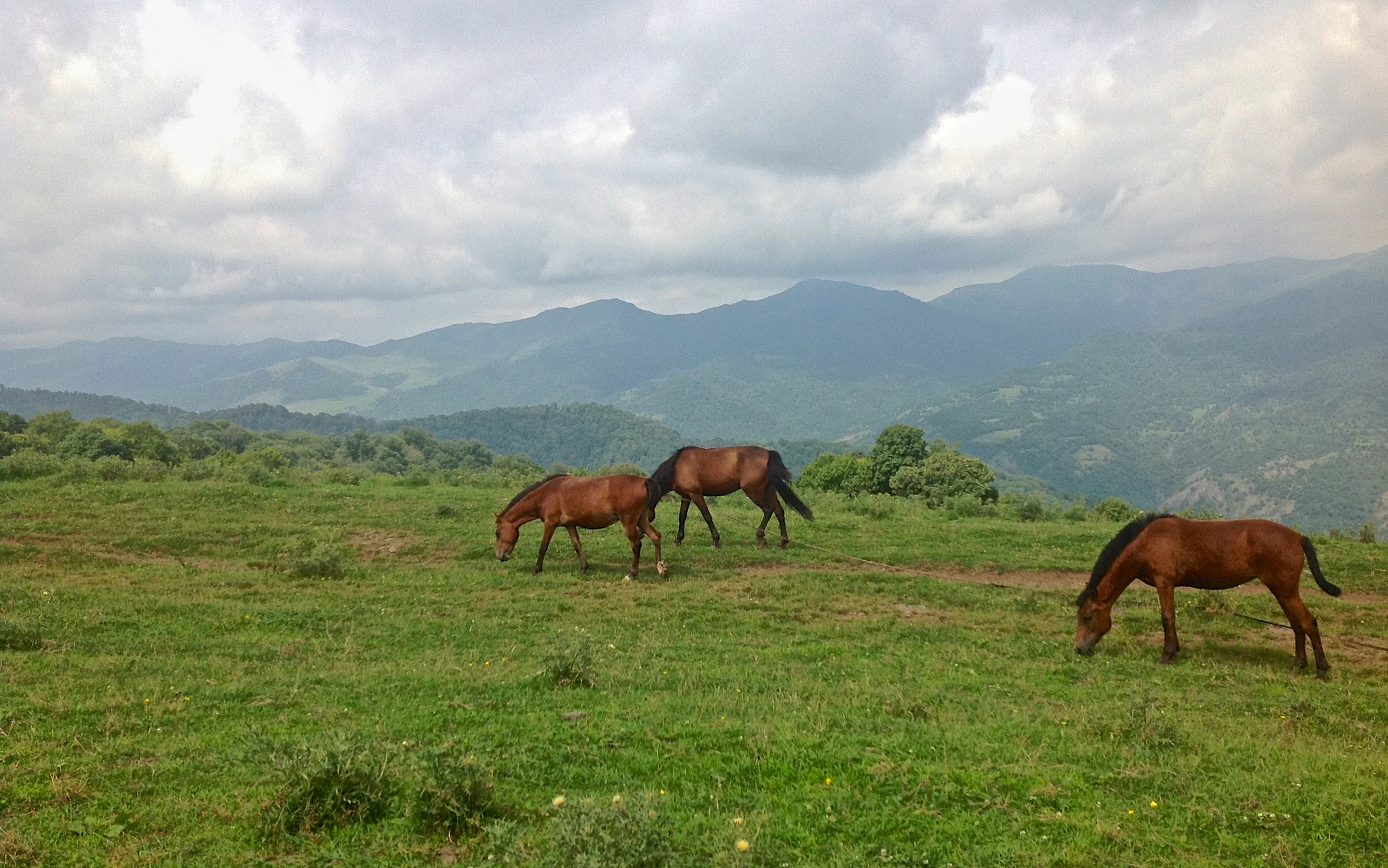
Göygöl National Park stands out as Azerbaijan's most visited protected area, offering visitors a combination of scenic alpine lakes, dense Caucasus forests, and rich biodiversity. The centerpiece Lake Göygöl, with its clear waters and mountain backdrop, represents one of the country's most photographed natural landmarks. The park's over 420 plant species, including 20 endemic varieties, create exceptional botanical interest, while the diverse wildlife including lynx, brown bear, and bearded vulture provides significant wildlife viewing opportunities. The historical significance of the area—protected since 1925 as Azerbaijan's first nature reserve—adds depth to the visitor experience, connecting modern recreation to nearly a century of conservation tradition in this mountainous region.

Best time to visit Göygöl National Park

Göygöl National Park can be visited throughout the year, though different seasons offer distinct experiences for visitors. The summer months from June through August typically bring the most favorable conditions for outdoor activities, with warmer temperatures and accessible trails through the mountain forests. Autumn provides another excellent visiting period, when the forests display vibrant fall colors and visitor numbers decrease from summer peaks. Spring brings snowmelt feeding the lakes and rivers, creating scenic water features though trail conditions may be affected.

Winter visits to the park offer a different perspective on the landscape, with snow-covered peaks and frozen conditions creating a serene atmosphere, though some facilities and trails may have limited accessibility during this season. The park's location in the mountains means that weather conditions can change rapidly, and visitors should be prepared for variable conditions regardless of the season chosen for their visit. The best time ultimately depends on whether visitors prioritize comfortable hiking weather, photography opportunities, or experiencing the park's different seasonal characters.
Park location guide

Geography guide, regional context, and park location map for Göygöl National Park

Göygöl National Park park geography, regions, and map view in Azerbaijan
Understand where Göygöl National Park sits in Azerbaijan through a broader geographic reading of the surrounding landscape, nearby location context, and its mapped position within the national park landscape.

How Göygöl National Park fits into Azerbaijan

Azerbaijan is a unitary semi-presidential republic and one of six independent Turkic states. It declared independence from the Soviet Union in 1991 after nearly seven decades of Soviet rule. The country occupies 86,600 km² and has a population of approximately 10.3 million. It is known for its strategic location at the crossroads of Europe and Asia, its oil industry heritage, and its diverse cultural influences from Persian, Russian, and Turkic traditions.

Wider geography shaping Göygöl National Park in Azerbaijan

Azerbaijan occupies the eastern portion of the Caucasus region, situated between the Caspian Sea to the east and the Greater Caucasus mountains to the north. The terrain is diverse, featuring lowlands along the Caspian coast, mountainous areas in the north and west, and semi-desert plains in the central regions. The Kura and Aras rivers are major waterways draining into the Caspian Sea.

Map view of Göygöl National Park

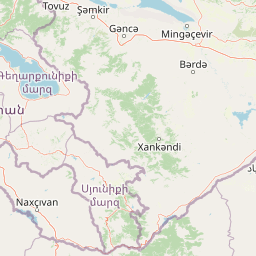
Use this park location map to pinpoint Göygöl National Park in Azerbaijan, understand its exact geographic position, and read its mapped placement within the surrounding landscape more clearly.

Pigeon | © OpenStreetMap contributors

Location context for Göygöl National Park

Goygol Rayon
Park atlas

Trace the diverse protected landscapes and mountain ranges across Azerbaijan after viewing Göygöl National Park.

Explore Nearby National Parks and Protected Areas Beyond Göygöl National Park
Continue your atlas exploration from Göygöl National Park by comparing other national parks and protected areas within Azerbaijan's Lesser Caucasus region. Browse detailed park geography and conservation landscapes to understand the broader regional context and discover new destinations.
National parkGegharkunik Province

Sevan National Park: High-Altitude Lake and Protected Landscape in Gegharkunik

Explore map context, park boundaries, and regional geography.

Sevan National Park is a vital protected area located in Armenia's Gegharkunik Province, primarily safeguarding the remarkable high-altitude Lake Sevan. Established to protect this significant freshwater ecosystem, the park encompasses diverse surrounding landscapes including wetlands, forests, and steppes. Users exploring this canonical park detail page can delve into its geographic setting within the Armenian highlands, understand its importance as a protected landscape, and access structured data relevant to its unique natural environment. This MoriAtlas entry offers a focused lens on the park's conservation status and its contribution to regional geography.

Area
342 km²
Established
1978
IUCN
II
Relief
Highland
Watercolor painting showing green hills, a river, and distant purple and orange mountains
National parkDedoplistsqaro Municipality

Vashlovani National Park: Georgia's Unique Lowland Desert and Badland Protected Landscape

Discover distinct semi-arid terrain and rare forest ecosystems.

Vashlovani National Park in Dedoplistsqaro Municipality represents a significant protected area preserving Georgia's rare lowland desert and semi-arid steppe ecosystems. This national park is characterized by its striking badland topography, known as the "Sharp Walls," wild pistachio forests, and riparian habitats along the Alazani River. Its unique geographic setting, far removed from Georgia's typical mountainous landscapes, makes Vashlovani a crucial site for understanding regional biodiversity and conservation within the Caucasus.

Area
442.51 km²
Established
1935
IUCN
II
Relief
Lowland
National parkTavush Province

Dilijan National Park: Mapped Protected Landscape and Forested Terrain in Tavush Province

Explore ancient deciduous forests and medieval sites within this protected area.

Dilijan National Park offers a unique atlas perspective on Armenia's natural and cultural heritage. This protected landscape in Tavush Province is dominated by vast, ancient deciduous forests, including rare yew groves, making it a vital conservation area. Its mountainous terrain, carved by rivers and dotted with medieval monasteries like Haghartsin and Goshavank, provides a rich context for geographic discovery. Users can explore the park's mapped boundaries and understand its significance as a preserved woodland ecosystem within the Caucasus region through its detailed geographic information.

Area
240 km²
Established
2002
IUCN
II
Relief
Mixed relief
National parkAzerbaijan

Ag-Gel National Park

Azerbaijan Protected Wetland & Bird Sanctuary

Ag-Gel National Park is a protected wetland significant for migratory birds. Its landscape features a complex lake system and extensive reed beds, making it a vital conservation area in the Caspian region.

Area
179.24 km²
Established
2003
Relief
Lowland
Climate
Arid
National parkOrdubad District

Zangezur National Park: National Park and Protected Mountain Wilderness in Ordubad District

Explore dramatic glacial terrain and the highest Lesser Caucasus peaks.

Zangezur National Park encompasses a significant portion of the Zangezur mountain range, presenting a striking high-altitude protected landscape within Ordubad District, Azerbaijan. Its geography is characterized by rugged alpine features, extensive glacial formations, and dramatic elevation changes culminating in the Gemiqaya summit. This park serves as a vital refuge for diverse ecosystems and is distinguished by its role in preserving the highest mountain terrain in Azerbaijan's Lesser Caucasus, offering a unique focal point for geographic and protected-area exploration.

Area
427.97 km²
Established
2003
Relief
Mountain
Climate
Temperate
National parkSyunik Province

Arevik National Park: Syunik Province's Protected Mountain Landscape and Biodiversity Atlas

Explore mapped boundaries, terrain, and ecosystems.

Arevik National Park offers a detailed look into the geography and protected landscape of Armenia's Syunik Province. This park is defined by the rugged Zangezur mountains and its remarkable vertical ecological zoning, transitioning from semi-desert to alpine environments. Examine its mapped terrain, significant butterfly and bird habitats, and the presence of key mammal species, providing a comprehensive atlas-style understanding of this protected area's natural identity.

Area
344 km²
Established
2009
IUCN
II
Relief
Mountain
Watercolor painting of layered mountains with green, yellow, and pink hues.
National parkAzerbaijan

Shahdag National Park: Azerbaijan's Largest National Park and Highest Mountain Landscape

Explore the Greater Caucasus protected area and its unique ecosystems.

Shahdag National Park is the largest protected area in Azerbaijan, encompassing a significant portion of the Greater Caucasus mountain range. This national park is renowned for its dramatic elevation changes, creating diverse ecosystems that transition from dense, old-growth montane forests to high-alpine meadows and rugged, rocky summits. The park's landscape is defined by its towering peaks, including Mount Bazardüzü, the nation's highest point, and provides critical habitat for endemic species like the East Caucasian tur. Use this page to begin your atlas-based exploration of Shahdag National Park's protected geography and its distinctive natural terrain.

Area
1,305.08 km²
Established
2006
Relief
Mountain
Scope
Terrestrial
Watercolor illustration of a landscape with mountains, a river, trees, and grassy fields
National parkMtskheta Municipality

Tbilisi National Park: Oldest Protected Landscape in Mtskheta Municipality

Explore Georgia's oldest national park and its mapped forest terrain.

Tbilisi National Park represents Georgia's oldest protected area, nestled in the Saguramo Range within Mtskheta Municipality. This page provides an atlas-focused view of its geographic features, including mountainous terrain and deciduous forest ecosystems. Users can explore the park's mapped boundaries and understand its significance as a crucial natural landscape close to Tbilisi, contributing to the region's protected areas network.

Area
380.02 km²
Established
1973
IUCN
II
Relief
Highland

Common questions about visiting, size, designation, and location context for Göygöl National Park

Göygöl National Park FAQs for park facts, access, geography, and protected area context
Find quick answers about Göygöl National Park, including protected-area facts, park geography, trail and visitor context, and how the park fits into its surrounding country and regional landscape.
MoriAtlas Explorer

Continue Your Protected Areas Search Across the Global Atlas

Deepen your exploration by continuing the structured search for national parks and protected areas worldwide. Utilize the comprehensive filtering capabilities to compare different conservation landscapes and refine your understanding of global park geography. Discover more about the distribution and characteristics of protected natural areas.

Global natural geography