Why Shahdag National Park stands out
Shahdag National Park is best known for protecting the Caucasus region's most extensive montane forest landscape and harboring Azerbaijan's highest mountain, Mount Bazardüzü. The park serves as the primary stronghold for the East Caucasian tur, a rare mountain goat endemic to the eastern half of the Caucasus Mountains. Its vertical ecological gradient from broadleaf forests through subalpine zones to alpine summits makes it one of the most biologically diverse protected areas in the South Caucasus. The park also contains significant populations of Caucasian chamois, Bezoar ibex, and represents one of the few remaining habitats supporting large predators like the Caucasian lynx and Syrian brown bear in the region.
Shahdag National Park history and protected-area timeline
Shahdag National Park was established through presidential decree on December 8, 2006, initially covering approximately 115,900 hectares across six administrative districts in northern Azerbaijan. The establishment followed recognition of the region's exceptional ecological significance and the need to protect the Caucasus's montane forest ecosystems and endemic wildlife populations. The park was created through consolidation of existing state forest lands together with territory from the İsmayıllı and Pirqulu state nature reserves, representing a deliberate approach to creating a connected protected landscape rather than isolated fragments. On July 8, 2010, the park was significantly expanded by presidential decree, increasing its area by over 14,600 hectares to the current 130,508.1 hectares. This expansion strengthened ecological connectivity and improved protection for watersheds and wildlife corridors. International financial support proved critical to the park's development, with the World Bank providing a $17 million loan and $8 million grant, while the government of Japan contributed an $8 million grant for project implementation. These investments supported both conservation infrastructure and the development of sustainable tourism facilities. The park's management framework was formalized in 2007 with the approval of its boundary map and the development of park regulations by Azerbaijan's Ministry of Ecology and Natural Resources. The establishment rationale emphasized protection of globally significant mountain forest and high-altitude pasture ecosystems, conservation of endemic and endangered species including transboundary migratory animals, soil conservation, habitat restoration, and the development of ecotourism potential in an area with significant natural beauty.
Shahdag National Park landscape and geographic character
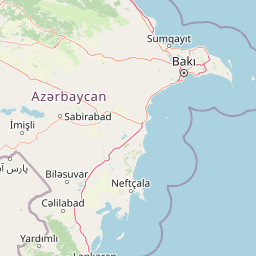
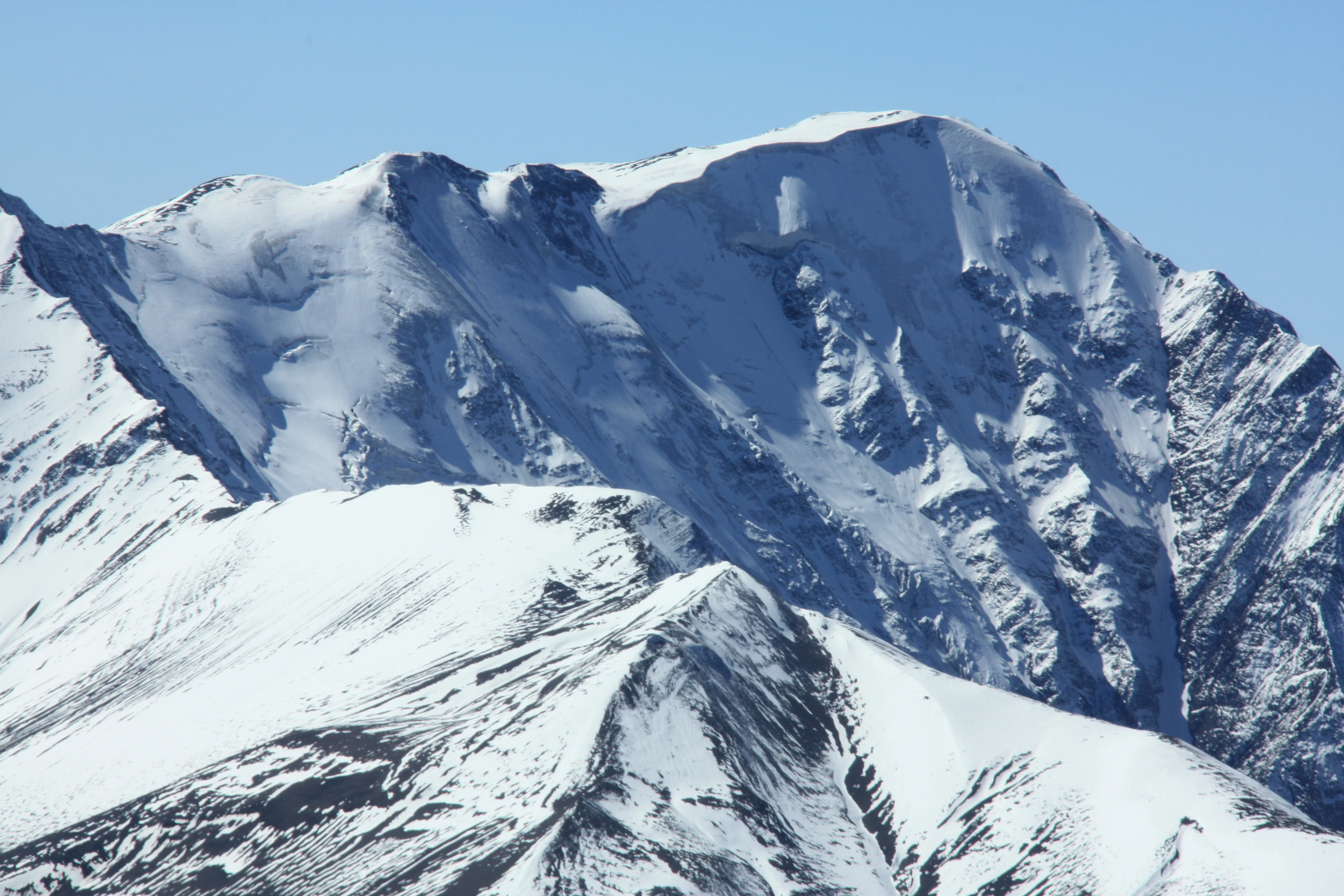
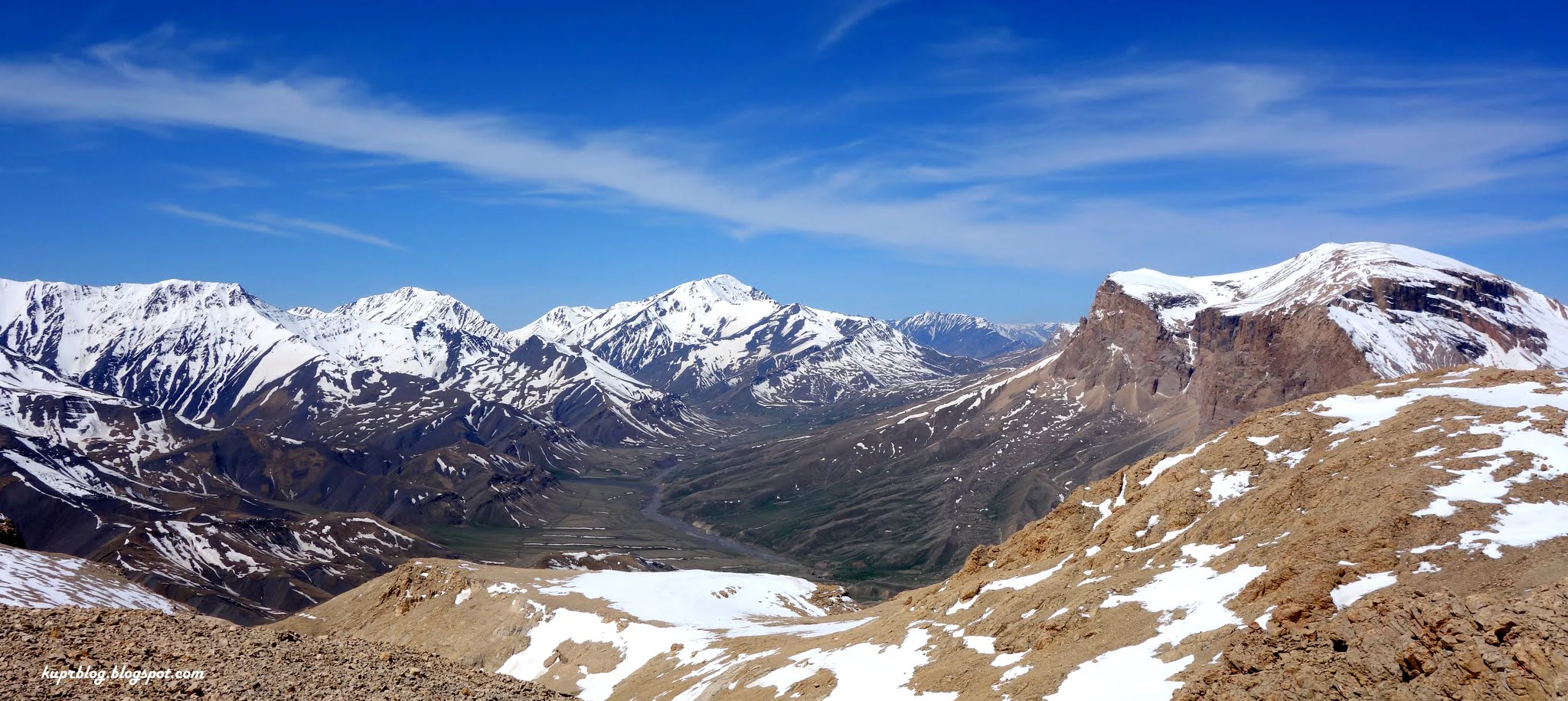
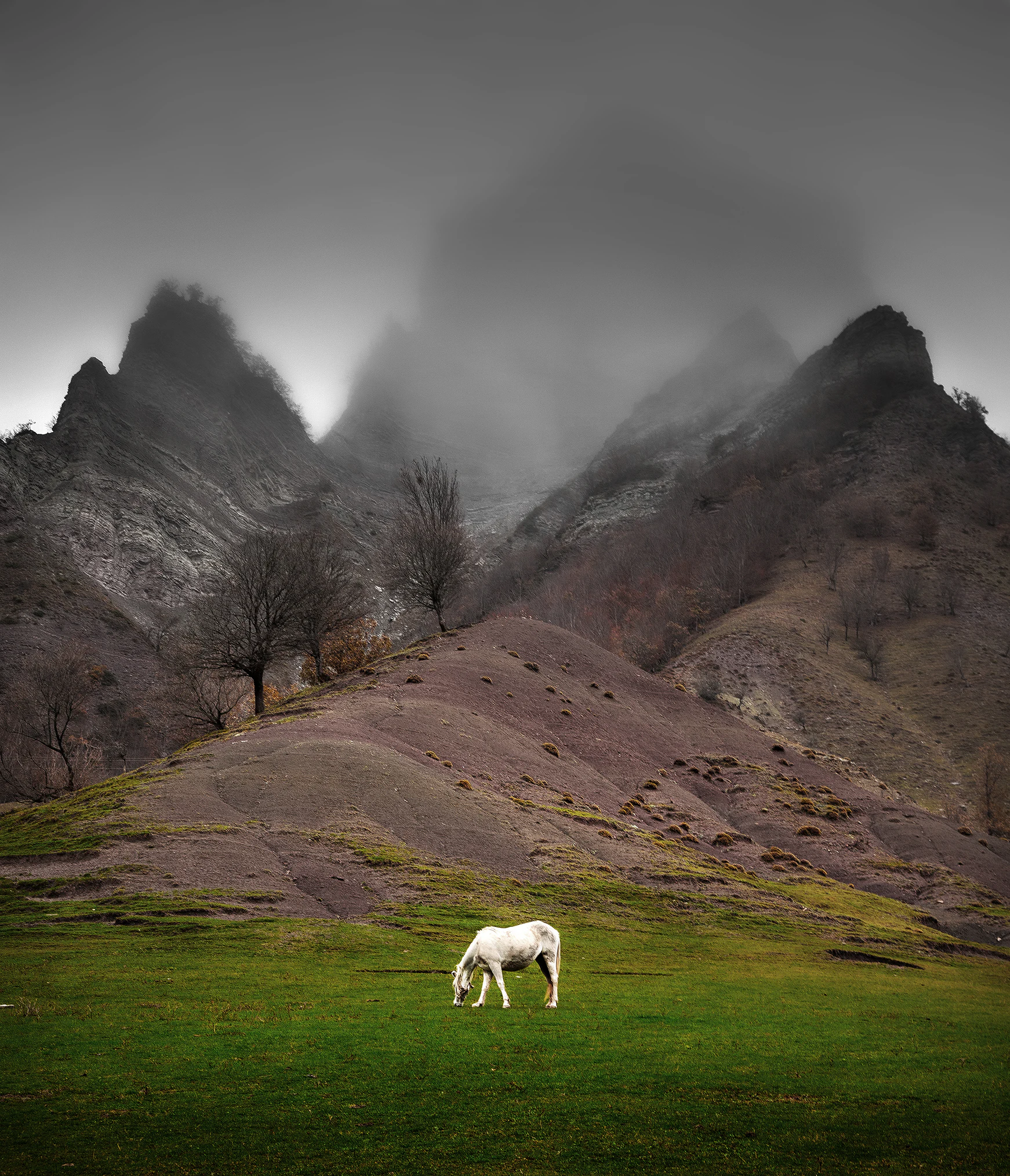
The landscape of Shahdag National Park is defined by the towering peaks and deep valleys of the Greater Caucasus Mountains, creating one of Azerbaijan's most visually dramatic protected landscapes. The park spans elevations from approximately 500 meters above sea level to 4,466 meters at the summit of Mount Bazardüzü, Azerbaijan's highest point. This extraordinary vertical range produces distinct landscape zones that transition from dense broadleaf forests through subalpine meadows and rocky alpine terrain to permanent snow and ice on the highest summits. The terrain is characterized by steep mountain slopes, deep river valleys, and extensive ridge systems that create a complex and visually stunning topography. The park contains several notable peaks including Mount Bazardüzü, Mount Tufan, and the Shahdag massif itself, each presenting different aspects and vegetation patterns depending on elevation and exposure. The landscape includes both gentle alpine plateaus used traditionally as summer pastures and dramatic cliff faces and rockfall zones that provide habitat for mountain goats and chamois. The forests that clothe the lower and mid-elevation slopes create a green mantle across the terrain, while the alpine zone above the tree line presents a more open landscape of grasses, sedges, and scattered rock outcrops. The park's position near the border with Russia places it at a critical junction in the Caucasus mountain chain, where the range reaches some of its greatest heights and most rugged character.
Shahdag National Park ecosystems, habitats, and plant life
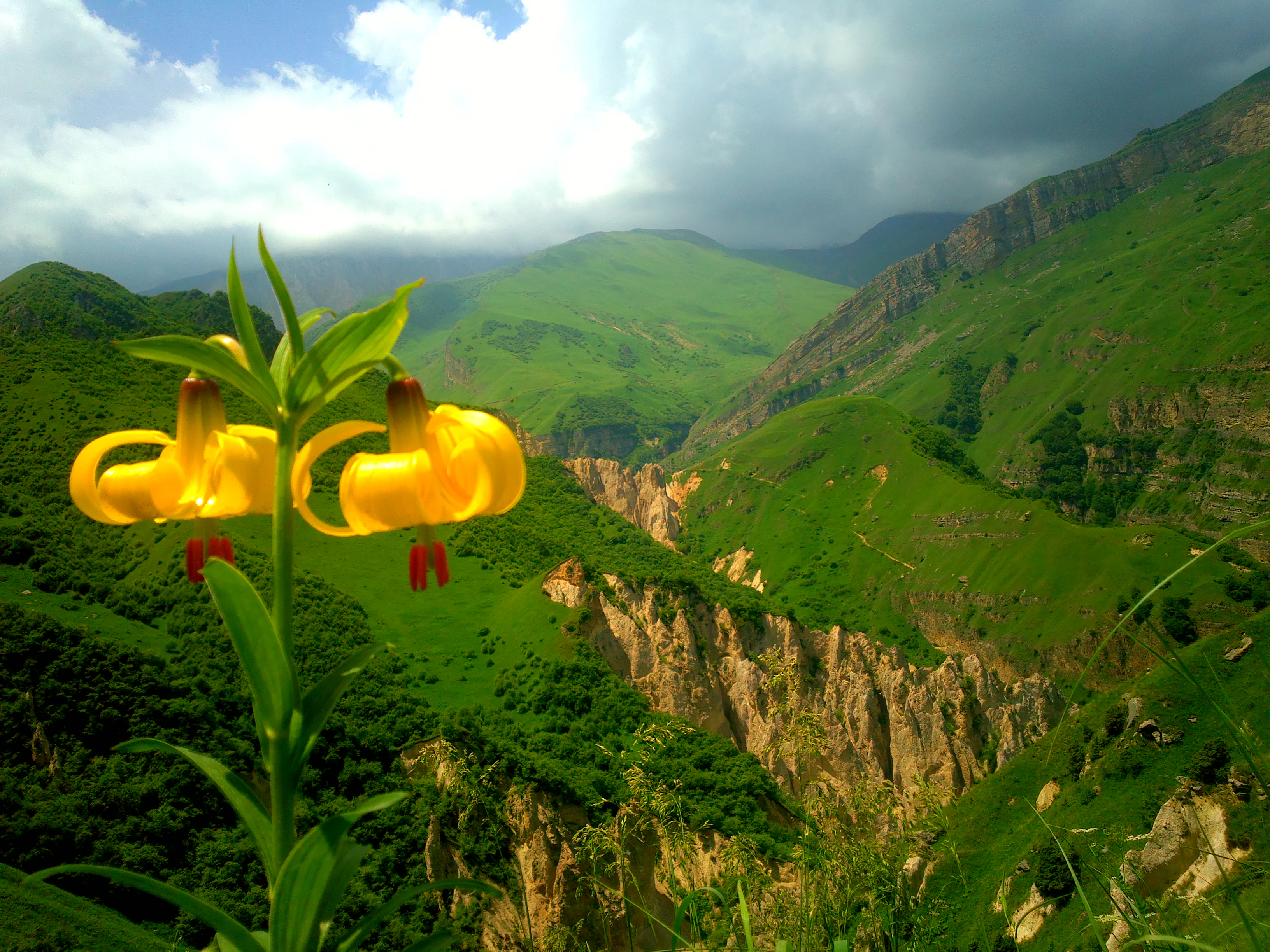
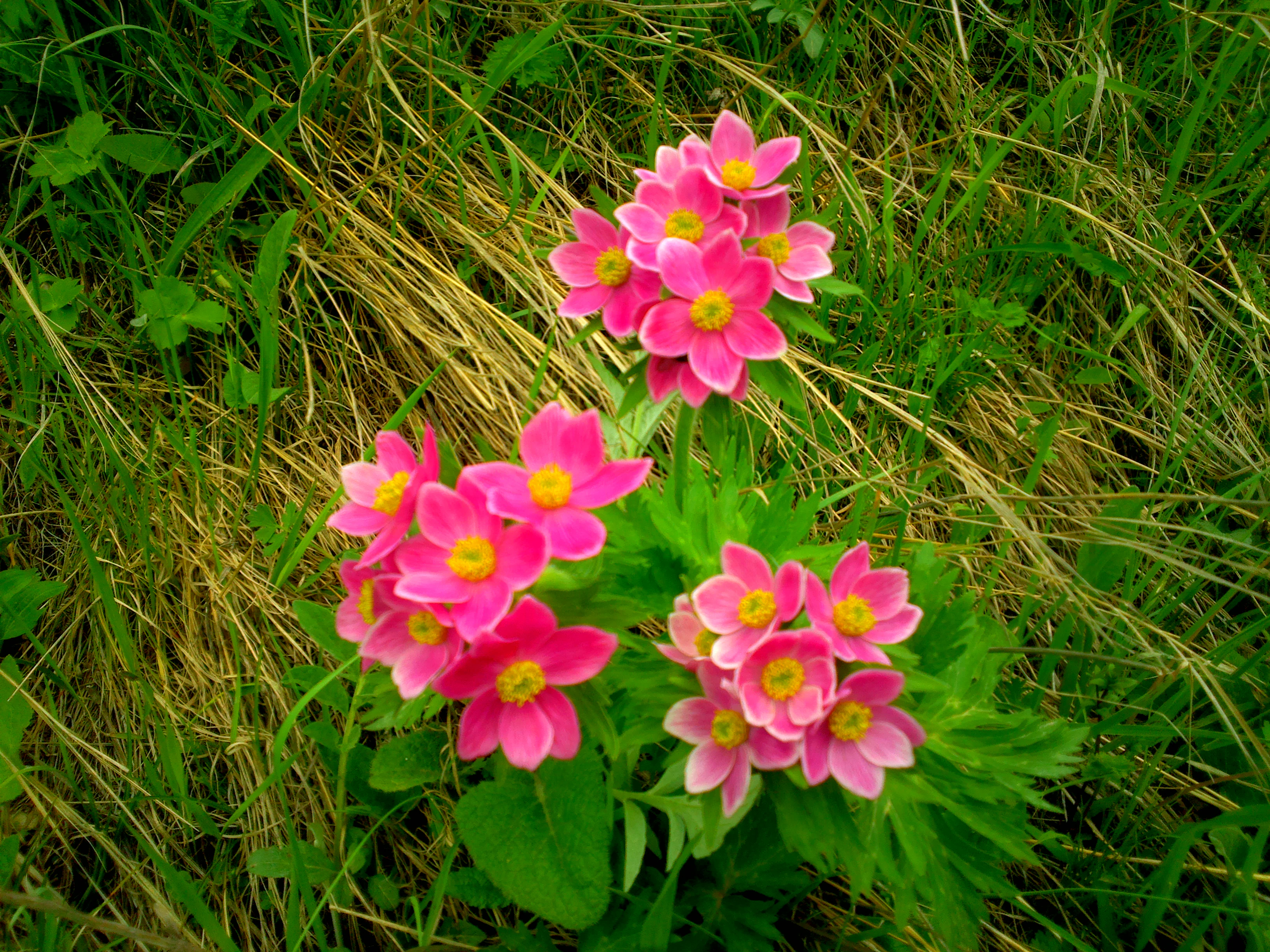
The ecological character of Shahdag National Park reflects the park's exceptional topographic and climatic diversity, creating a complex mosaic of habitats that supports remarkable biodiversity. The montane forests represent the most extensive remaining old-growth forest ecosystem in the Caucasus region, dominated by Caucasian oak in the lower elevations, transitioning to Oriental beech and hornbeam at middle elevations, with birch and conifer species appearing in the subalpine zone. These forests contain significant populations of commercially and ecologically important tree species including common yew, a species with notable conservation value, as well as walnut, wild cherry, and pear trees in more open areas. The shrub layer is equally diverse, featuring species such as hawthorn, dog rose, blackberry, medlar, and barberry that provide important food resources for wildlife. The forest composition changes with elevation and aspect, creating a heterogeneous landscape where pure stands of oak, beech, or hornbeam alternate with mixed forests that include multiple species. This structural diversity supports the rich animal communities that inhabit the park. The high-altitude ecosystems above the tree line support specialized alpine vegetation adapted to short growing seasons, low temperatures, and exposure. These meadow communities provide crucial summer grazing habitat for wild ungulates and support unique assemblages of alpine insects and other invertebrates.
Shahdag National Park wildlife and species highlights
Shahdag National Park supports a remarkable mammalian fauna reflecting both its diverse habitats and its position at the eastern end of the Caucasus Mountains. The park is particularly important for its populations of wild mountain ungulates, including the East Caucasian tur, a distinctive goat-antelope endemic to the eastern Caucasus that represents one of the park's most significant conservation priorities. The East Caucasian tur inhabits the steep rocky terrain and alpine meadows at higher elevations, moving seasonally between different parts of the park. Also present are Caucasian chamois, representing a subspecies endemic to the Caucasus, and Bezoar ibex, a wild goat species that inhabits similar rocky terrain. Large predators include the Caucasian lynx, a subspecies of the Eurasian lynx adapted to forest habitats, and the Syrian brown bear, which uses both forest and alpine zones. Smaller carnivores include red fox, jungle cat, and various mustelids including badger and otter along watercourses. The park supports populations of wild boar, roe deer, and several canid species including Indian wolf and common jackal. Birdlife includes species such as Caucasian snowfinch, various raptors, and game birds including quail and partridge. The park has historical significance as part of the former range of the Asiatic lion in the Transcaucasus region before the 10th century. Conservation efforts have also focused on European bison reintroduction, with previous attempts in the 1960s and 1970s ending in failure, and a new initiative launched in 2026.
Shahdag National Park conservation status and protection priorities
Shahdag National Park represents one of the most important conservation priorities in the South Caucasus, protecting both representative examples of Caucasus mountain ecosystems and globally significant populations of endemic species. The park's establishment responded to urgent conservation needs in a region where montane forests had experienced significant historical deforestation and degradation. Protection of the East Caucasian tur population is particularly significant, as this species is restricted to the eastern Caucasus and faces pressures from habitat fragmentation and unsustainable hunting. The park also protects important watershed values, with the forests and alpine zones regulating water flow to rivers that support downstream agriculture and communities. The significant international investment in the park's creation reflects its recognition as a priority for regional biodiversity conservation. Species listed in Azerbaijan's Red Book that occur within the park include the lynx,、山 eagle, and other birds of prey, all of which receive protection within the park's boundaries. The European bison reintroduction program represents a long-term conservation initiative to restore a species that was extirpated from the Caucasus region in the early 20th century, with the last individual reportedly killed in 1927.
Shahdag National Park cultural meaning and human context
The landscapes of Shahdag National Park have been inhabited and used by local communities for generations, with traditional transhumance practices shaping both the ecology and the cultural character of the region. The high-altitude meadows and summer pastures within the park have historically supported seasonal grazing by livestock, creating a cultural landscape that reflects the interaction between human communities and the mountain environment. The park encompasses territory within several rayon's (districts) that have distinct local traditions and histories. The town of Quba, located near the park, serves as an important gateway community and regional center with its own cultural heritage. The mountain communities in the region practice forms of pastoralism that have shaped the subalpine and alpine vegetation through centuries of grazing use. These traditional land use practices are considered in park management, which seeks to balance conservation objectives with the legitimate needs of local communities who have historical connections to the landscape. The park's establishment created a formal protected area where traditional uses are regulated while maintaining connectivity between communities and their ancestral lands.
Top sights and standout views in Shahdag National Park
The park's defining feature is Mount Bazardüzü, the highest peak in Azerbaijan at 4,466 meters, whose dramatic summit rises within the park's boundaries and can be seen from much of the protected area. The East Caucasian tur, a striking mountain goat-antelope found only in the eastern Caucasus, represents perhaps the park's most distinctive wildlife species and a major focus for conservation efforts. The old-growth montane forests of Caucasian oak, Oriental beech, and hornbeam represent some of the most intact forest ecosystems remaining in the Caucasus region. The vertical ecological gradient from forest through subalpine meadows to alpine peaks creates remarkable habitat diversity within a single protected landscape. The park is the largest national park in the Caucasus, spanning over 130,000 hectares across six administrative districts in northern Azerbaijan.
Best time to visit Shahdag National Park
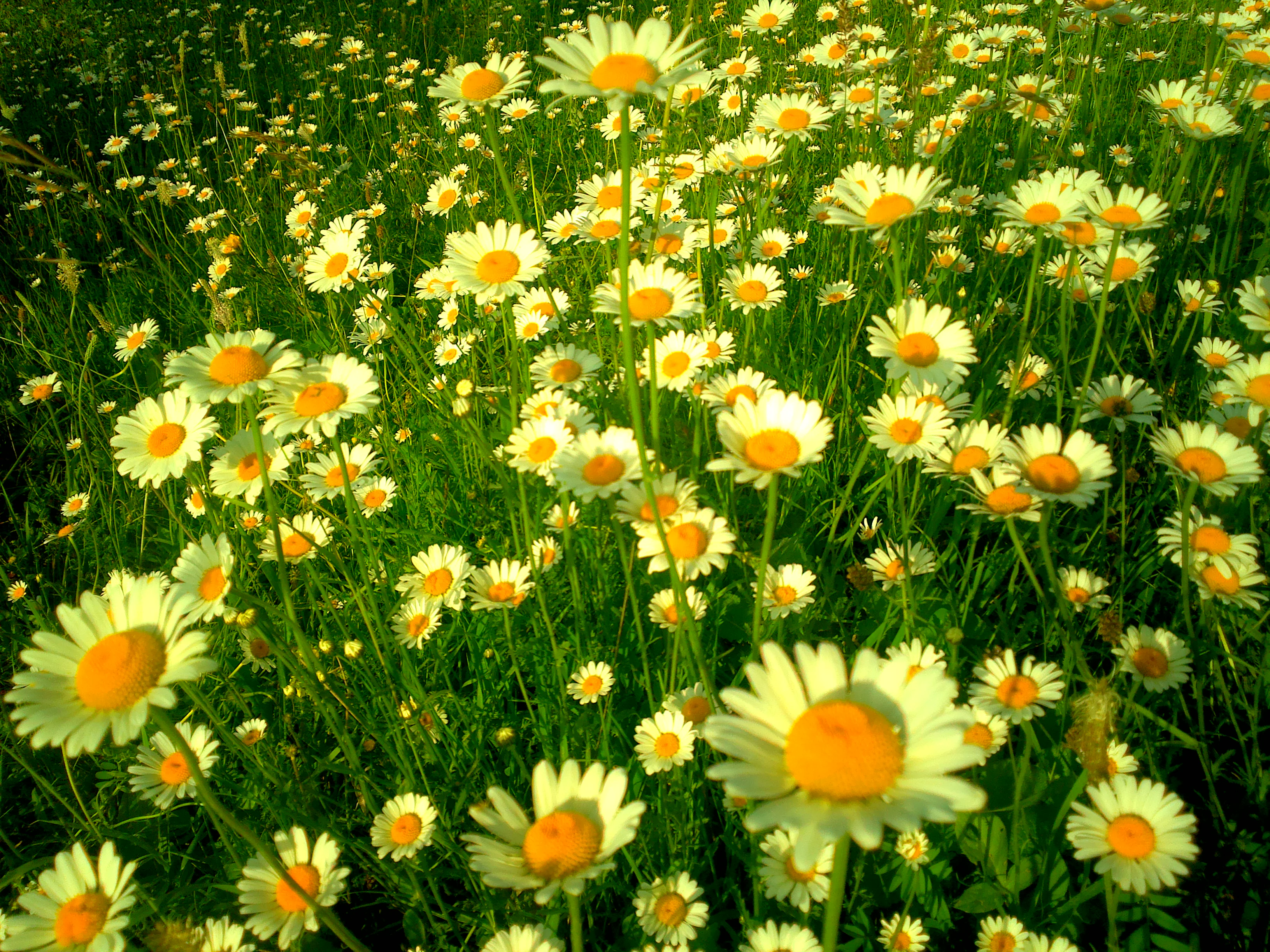
The summer months from June through September offer the most favorable conditions for exploring Shahdag National Park, when temperatures in the mountains are pleasant and the alpine meadows are accessible. July and August typically provide the warmest conditions at higher elevations and correspond with the peak of the flowering season in subalpine zones. The spring transition in May and early June brings snowmelt, flowing streams, and fresh green vegetation emerging after winter. Autumn in September and October offers the opportunity to observe fall coloration in the forests and potentially clearer visibility at higher elevations. Winter visits are more challenging due to snow and cold temperatures, but the park's higher elevations may offer opportunities for winter sports. The specific timing of visits may depend on whether visitors are interested in wildlife viewing, which is often better in the cooler parts of the day during summer, or landscape photography, where spring and autumn light can be particularly striking.