Mori Atlas logo
National parkAbsheron National Park

Discover the mapped geography and unique semi-desert terrain of this vital Caspian Sea protected area.

Absheron National Park: Azerbaijan's Coastal Protected Landscape Near Baku

(Abşeron Milli Parkı)

Absheron National Park represents a critical coastal protected landscape on Azerbaijan's Absheron Peninsula, situated within the metropolitan vicinity of Baku. This national park preserves a unique semi-desert terrain blended with marine zones along the Caspian Sea shoreline, providing essential habitat for endangered Caspian seals and diverse migratory bird populations. MoriAtlas offers a detailed geographic exploration of Absheron National Park, highlighting its protected boundaries, ecological significance, and the distinctive natural context of its semi-arid environment.

Coastal Protected AreaCaspian SeaCaspian SealWaterbird HabitatMigratory BirdsSemi-Desert
Watercolor painting of a beach at sunset with gentle waves and soft pastel sky

Absheron National Park

National park

Park overview

Structured park overview, official facts, and landscape profile for Absheron National Park

Absheron National Park park facts, protected area profile, and essential visitor context
Review the core facts for Absheron National Park, including designation, size, terrain, visitor scale, habitats, and operating context in one park-focused overview.

About Absheron National Park

Absheron National Park occupies a narrow coastal strip at the southeastern edge of the Absheron Peninsula, the land projection that extends into the Caspian Sea east of Baku. The park's location at Shah Dili—a name that translates to King's Tongue and refers to the area's historical significance as a royal hunting ground—places it at a critical ecological junction between terrestrial steppe environments and the marine ecosystem of the Caspian Sea. The park's establishment in 2005 marked an expansion of conservation status from the earlier Absheron State Nature Preserve, which had protected the area since 1969. This transition from nature reserve to national park reflected both the growing ecological importance of the area and the government's interest in developing sustainable ecotourism opportunities near the capital city. The park's management falls under Azerbaijan's Ministry of Ecology and Natural Resources, balancing conservation objectives with public access and environmental education goals. The coastal location provides visitors with views of the Caspian Sea while exploring the unique blend of desert and wetland habitats that characterize this corner of Azerbaijan.

Quick facts and research context for Absheron National Park

Absheron National Park occupies a strategic coastal position at Shah Dili on the Absheron Peninsula, approximately 783 hectares in total area with roughly 375 hectares on land and 408 hectares extending into the Caspian Sea. The park was formally established in 2005 through a presidential decree, building upon the foundation of the Absheron State Nature Preserve that had protected the area since 1969. The ecosystem supports a distinctive mix of semi-arid terrestrial habitats and coastal marine environments, providing critical nesting and feeding grounds for waterbird populations. The park falls under the jurisdiction of Azerbaijan's Ministry of Ecology and Natural Resources and contains the southernmost significant stretch of protected coastline in the Caspian basin.

Park context

Deeper park guide and search-rich context for Absheron National Park

Absheron National Park history, landscape, wildlife, and travel context
Explore Absheron National Park through its history, landscape character, ecosystems, wildlife, conservation priorities, cultural context, and seasonal travel timing in a structured park guide built for atlas discovery and search intent.

Why Absheron National Park stands out

Absheron National Park is best known for its population of Caspian seals, one of the world's smallest seal species and a globally endangered marine mammal that inhabits the Caspian Sea waters within the park's boundaries. The park also serves as a vital habitat for diverse waterbird communities, particularly migratory species including flamingos, swans, ducks, herons, and plovers that use the coastal wetlands as seasonal nesting and feeding grounds. The protection of gazelle populations in the terrestrial portions of the park represents another notable conservation achievement, as these animals have faced significant population pressures across their historic range. The park's landscape features a distinctive semi-desert terrain with coastal sand vegetation dominating the shoreline areas, creating an unusual juxtaposition of desert-like conditions with rich marine biodiversity.
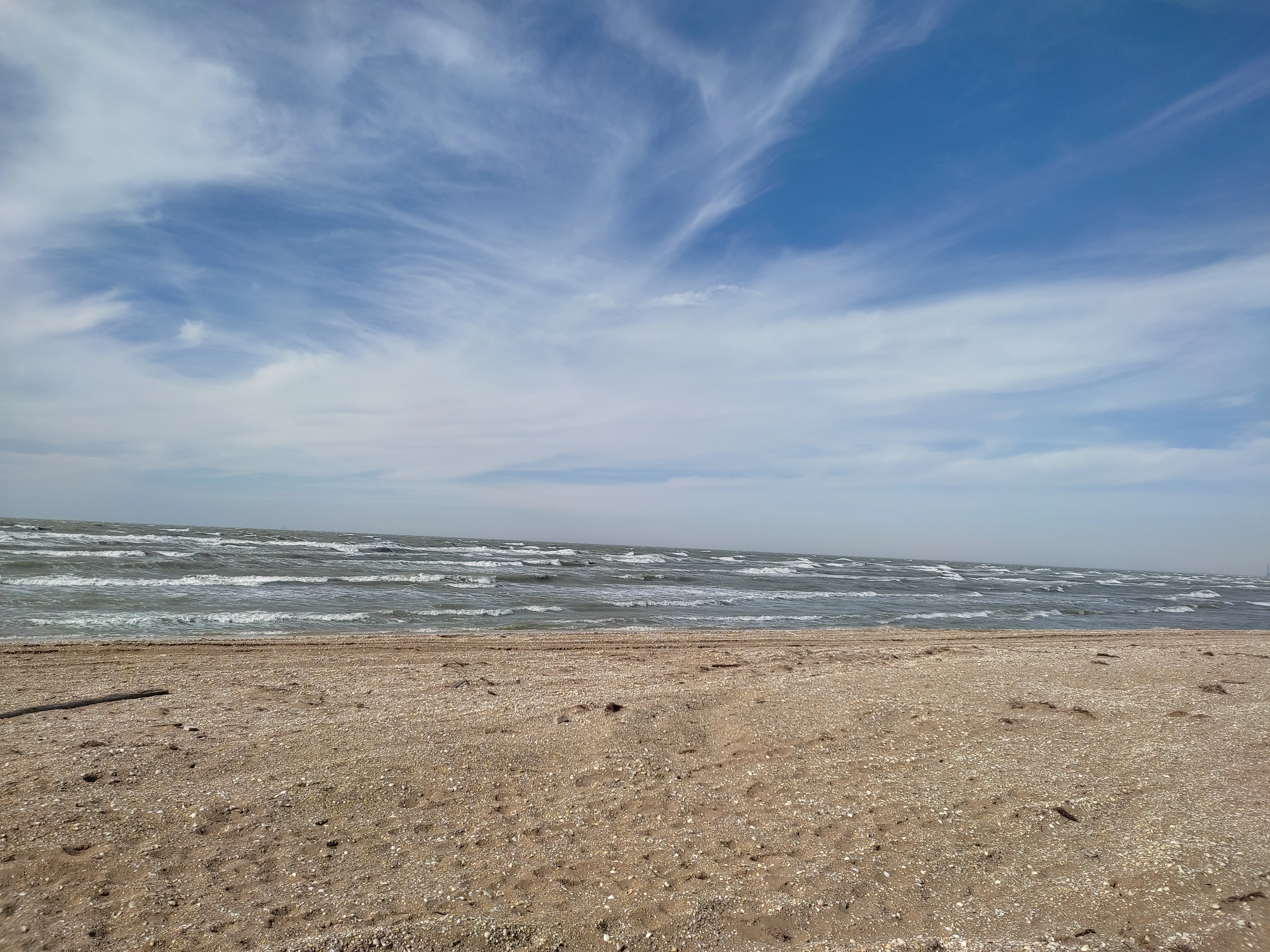
Sandy beach with gentle ocean waves and scattered clouds in the sky
Sandy beach with the Caspian Sea under a partly cloudy sky

Absheron National Park history and protected-area timeline

The conservation history of Absheron National Park traces back to July 1969, when the Absheron State Nature Preserve was established to protect wildlife populations that had faced increasing pressure from development and hunting across the Absheron Peninsula. The initial focus of the preserve centered on protecting gazelle populations, Caspian seals, and the diverse waterbird communities that inhabit the coastal zones. The creation of the preserve responded to growing concerns about the survival of these species in an area that had experienced significant ecological change. In 2005, the protected area received elevated status as a national park through a presidential decree, expanding both the scope of protection and the management objectives. This transition reflected Azerbaijan's broader commitment to environmental conservation and sustainable development, particularly in regions adjacent to major urban centers like Baku. The park's evolution from a focused wildlife preserve to a multi-purpose national park demonstrates the changing priorities in the country's approach to protected area management.

Absheron National Park landscape and geographic character

The landscape of Absheron National Park presents a distinctive blend of coastal and semi-desert environments shaped by the region's arid climate and proximity to the Caspian Sea. The terrain consists primarily of flat or gently undulating coastal plains with sparse vegetation adapted to the semi-arid conditions. Sea coastal sand plants dominate the shoreline areas, creating a vegetation mosaic that reflects the influence of soil salinity and water availability on plant communities. The park encompasses both terrestrial areas extending inland from the coast and a substantial marine zone extending into the Caspian Sea, making it one of Azerbaijan's few protected areas with significant coastal habitat inclusion. The coastal setting provides important habitat for species that depend on the interface between marine and terrestrial environments, while the inland areas support semi-desert vegetation communities that have adapted to the limited precipitation and high summer temperatures typical of the Absheron Peninsula.
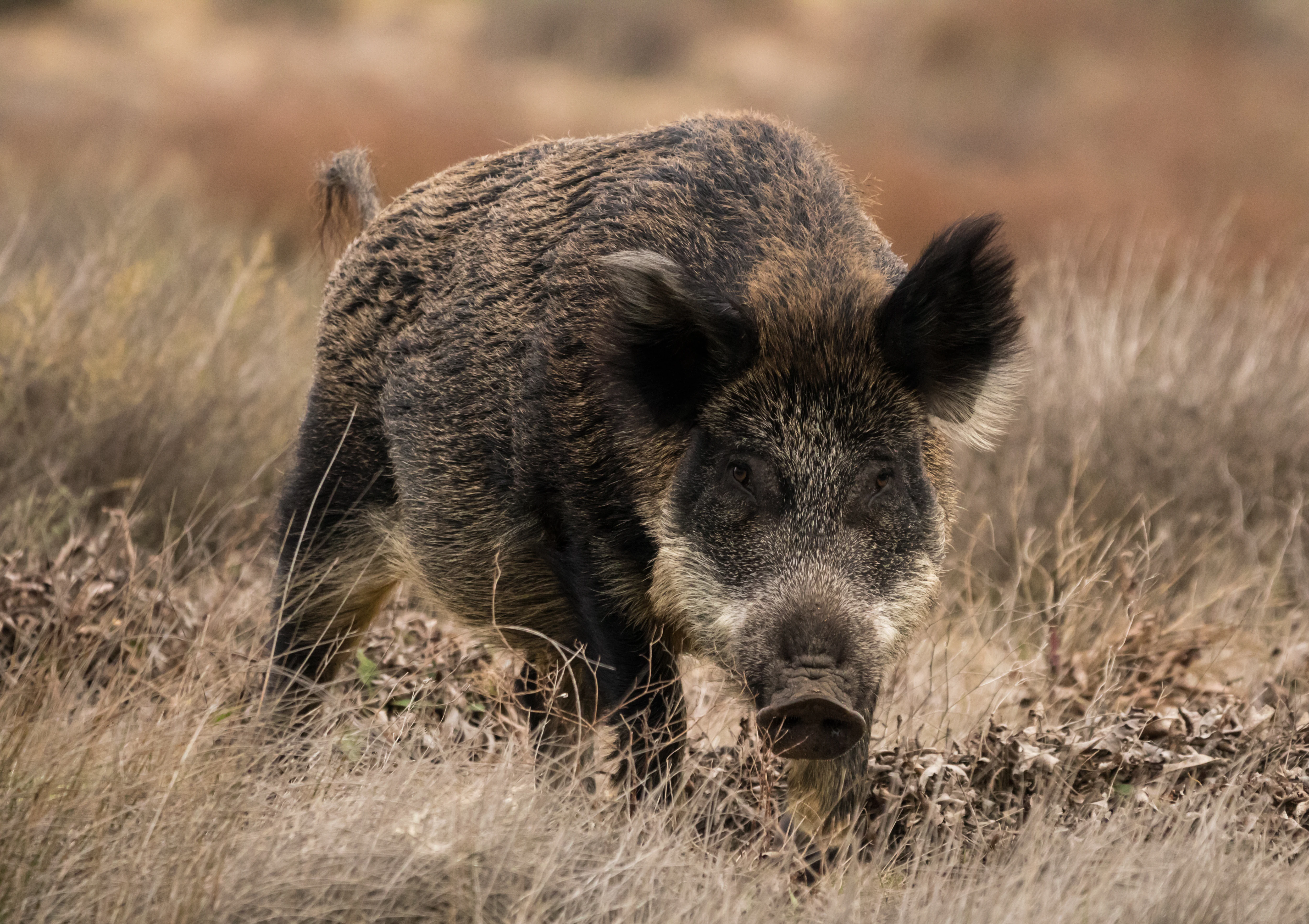
Wild boar standing in tall dry grass
Wild boar in dry grassland

Absheron National Park ecosystems, habitats, and plant life

The ecological character of Absheron National Park reflects the intersection of several distinct habitat types within a relatively limited area. The semi-arid climate supports vegetation communities typical of semi-desert and dry steppe environments, where plant growth is heavily influenced by the availability of water and the salinity of soils. Sea coastal sand vegetation covers approximately 42.6% of the park's land area, representing the dominant plant community across the coastal zone. Meadows featuring jigilgamish and paz grass occupy another significant portion of the terrestrial habitat, while one-year saline grasses and spring ephemeral plants round out the plant communities. The marine component of the park supports the critically important Caspian Sea ecosystem, providing feeding and resting areas for marine mammals and seabirds. The park sits within the broader Caspian Hyrcanian mixed forests ecoregion, though the local environmental conditions create a more xeric habitat than typical forest environments.

Absheron National Park wildlife and species highlights

The wildlife of Absheron National Park encompasses a remarkable diversity of species across both terrestrial and marine environments. The park's mammalian fauna includes gazelles in the dry steppe areas, alongside jackals, foxes, rabbits, and badgers. The Caspian seal population represents the marine mammal presence, with these endangered animals regularly occurring in the park's coastal waters. The birdlife is particularly diverse, featuring both resident and migratory species that use the coastal wetlands and open waters of the Caspian Sea. Notable bird species include flamingos, black-headed gulls, Pallas's gulls, whooper swans, mute swans, mallards, northern shovelers, tufted ducks, Eurasian teals, great egrets, grey herons, great cormorants, and various shorebirds including curlews, dunlins, sandpipers, sanderlings, and several plover species. Birds of prey such as marsh harriers and long-legged buzzards also inhabit the area. The park's historical wildlife significance extends to historically present large predators, with the eastern edge of the Asiatic lion's range in the Trans-Caucasus reaching the Absheron Peninsula before the end of the tenth century, while Caspian tigers formerly invaded from the Talysh Mountains and Lankaran Lowland before their extinction in the twentieth century. Caucasian leopards, lynx, and striped hyenas have also been reported in the area.

Absheron National Park conservation status and protection priorities

Absheron National Park serves as a critical refuge for several endangered species and represents an important conservation priority within Azerbaijan's protected area network. The park provides essential habitat for the Caspian seal, a species endemic to the Caspian Sea and classified as endangered, making this one of the most significant conservation sites for this marine mammal. The protection of gazelle populations addresses the conservation needs of a species that has experienced significant population declines across its historic range in the Caucasus region. The park's status as a Ramsar-designated wetland area would recognize its international importance for waterbird conservation, particularly for migratory species that rely on the coastal habitats during their annual cycles. The transition from state nature preserve to national park in 2005 reflected an expansion of conservation objectives to include ecological monitoring, environmental education, and sustainable ecotourism development alongside the core species protection mandates.

Absheron National Park cultural meaning and human context

The area now within Absheron National Park carries significant cultural heritage value rooted in its historical use as a royal hunting ground. The local name Shah Dili, meaning King's Tongue in Azerbaijani, reflects the area's traditional association with high-ranking officials and rulers who came to hunt in this coastal region. According to local accounts, the area was frequently visited by nobles and monarchs for hunting activities, giving rise to the name that persists today. This historical context adds a cultural dimension to the park's identity beyond its ecological significance, connecting the protected landscape to Azerbaijan's broader heritage of hunting traditions and land use. The park's location at the southeastern tip of the Absheron Peninsula places it in one of the most historically settled regions of Azerbaijan, where human communities have interacted with the coastal environment for generations.

Top sights and standout views in Absheron National Park

Absheron National Park stands out as Azerbaijan's most visited national park by international tourists, offering visitors accessible wildlife viewing opportunities in close proximity to Baku. The park's small Caspian seal populations provide rare marine mammal viewing opportunities in the Caspian Sea, while the diverse waterbird communities create excellent birdwatching possibilities throughout the year. The distinctive semi-desert landscape with coastal sand vegetation offers a unique visual contrast to the more forested protected areas found elsewhere in the Caucasus region. The combination of terrestrial and marine habitats within a single protected area creates diverse recreational and educational opportunities for visitors interested in understanding the ecological relationships between steppe, wetland, and marine ecosystems.

Best time to visit Absheron National Park

The optimal time to visit Absheron National Park depends on the wildlife viewing opportunities visitors wish to experience. Spring months bring the appearance of ephemeral plants and increased bird activity as migratory species return to the coastal wetlands, making this season particularly rewarding for birdwatchers. The summer months offer warm conditions for beach and coastal exploration but may limit wildlife activity during the hottest parts of the day. Autumn provides another excellent birdwatching season as migratory species begin their southward movements. The winter months, while cooler, offer the opportunity to observe waterfowl that remain in the area and the possible presence of seals along the coastline. Year-round visitation is possible, though visitors should be prepared for the semi-arid climate that characterizes the Absheron Peninsula.
Park location guide

Geography guide, regional context, and park location map for Absheron National Park

Absheron National Park park geography, regions, and map view in Azerbaijan
Understand where Absheron National Park sits in Azerbaijan through a broader geographic reading of the surrounding landscape, nearby location context, and its mapped position within the national park landscape.

How Absheron National Park fits into Azerbaijan

Azerbaijan is a unitary semi-presidential republic and one of six independent Turkic states. It declared independence from the Soviet Union in 1991 after nearly seven decades of Soviet rule. The country occupies 86,600 km² and has a population of approximately 10.3 million. It is known for its strategic location at the crossroads of Europe and Asia, its oil industry heritage, and its diverse cultural influences from Persian, Russian, and Turkic traditions.

Wider geography shaping Absheron National Park in Azerbaijan

Azerbaijan occupies the eastern portion of the Caucasus region, situated between the Caspian Sea to the east and the Greater Caucasus mountains to the north. The terrain is diverse, featuring lowlands along the Caspian coast, mountainous areas in the north and west, and semi-desert plains in the central regions. The Kura and Aras rivers are major waterways draining into the Caspian Sea.

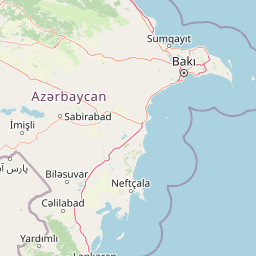
Map view of Absheron National Park

Use this park location map to pinpoint Absheron National Park in Azerbaijan, understand its exact geographic position, and read its mapped placement within the surrounding landscape more clearly.

Pigeon | © OpenStreetMap contributors

Location context for Absheron National Park

Baku

Visually Understand the Unique Coastal and Semi-Desert Environments of Absheron National Park through its Key Habitats

Absheron National Park Photos: Explore Coastal Landscapes, Caspian Seals, and Semi-Desert Scenery
Explore compelling photography of Absheron National Park to understand its unique coastal and semi-desert terrain, where the Caspian Sea meets arid landscapes. This visual collection offers essential insights into the park's critical habitats, showcasing rare Caspian seals, diverse waterbird communities, and adapted flora for a deeper ecological understanding.

Sandy beach with gentle ocean waves and scattered clouds in the sky

A group of pink flamingos walking through shallow water with dry grassy terrain and a distant horizon under a clear sky.

Wild boar standing in tall dry grass

Park atlas

Explore other protected landscapes, coastal habitats, and semi-desert terrain across the Absheron Peninsula.

Discover More National Parks and Protected Areas Near Absheron National Park and the Baku Region
Explore additional national parks and protected areas within the geographic context of Absheron National Park, encompassing Azerbaijan's coastal zones, semi-desert plains, and Caspian Sea habitats. Continue your atlas-style discovery to compare diverse conservation efforts, trace regional ecological corridors, and map the varied terrain across the Absheron Peninsula.
National parkAzerbaijan

Altyaghach National Park: Azerbaijan's Protected Natural Area & Forested Geography

Explore the mapped boundaries and temperate deciduous forests.

Altyaghach National Park is a key protected area in Azerbaijan, safeguarding a significant portion of the Greater Caucasus's temperate deciduous broadleaved forest ecosystems. Covering over 11,000 hectares, the park is instrumental in preserving biodiversity and restoring natural habitats, notably providing refuge for the rare East Caucasian tur and other protected species. Its landscape, characterized by rolling to steep terrain and diverse forest cover reaching approximately 941 meters in elevation, makes it a representative example of Caucasus mountain conservation within the country.

Area
110.35 km²
Established
2004
Relief
Mixed relief
Climate
Temperate
National parkAzerbaijan

Shirvan National Park: Azerbaijan's Unique Protected Semi-Desert Ecosystem and Geography

Discover the mapped landscape, gazelle habitats, and wetland geography.

Shirvan National Park, located in Azerbaijan's Shirvan Lowland, safeguards a remarkable semi-desert environment situated on a former Caspian Sea floor. This protected area is distinguished by its low-lying terrain, ancient coastal ridges, and dune formations, providing essential habitat for the world's largest concentration of goitered gazelles. Wetlands around Çala Lake also support significant migratory bird populations, making Shirvan a crucial protected landscape for both terrestrial and avian wildlife and a key site for regional geographic study.

Area
543.735 km²
Established
2003
Relief
Lowland
Climate
Arid
Watercolor painting of layered mountains with green, yellow, and pink hues.
National parkAzerbaijan

Shahdag National Park: Azerbaijan's Largest National Park and Highest Mountain Landscape

Explore the Greater Caucasus protected area and its unique ecosystems.

Shahdag National Park is the largest protected area in Azerbaijan, encompassing a significant portion of the Greater Caucasus mountain range. This national park is renowned for its dramatic elevation changes, creating diverse ecosystems that transition from dense, old-growth montane forests to high-alpine meadows and rugged, rocky summits. The park's landscape is defined by its towering peaks, including Mount Bazardüzü, the nation's highest point, and provides critical habitat for endemic species like the East Caucasian tur. Use this page to begin your atlas-based exploration of Shahdag National Park's protected geography and its distinctive natural terrain.

Area
1,305.08 km²
Established
2006
Relief
Mountain
Scope
Terrestrial
National parkKhachmaz Rayon

Samur-Yalama National Park: Caspian Coastal Forest Protected Area

Mapped protected landscape in Azerbaijan's Khachmaz Rayon.

Delve into the protected geography of Samur-Yalama National Park, a key national park established in 2012 within Azerbaijan's Khachmaz Rayon. This 11,772-hectare area meticulously preserves vital Caspian coastal forest ecosystems, characterized by dominant chestnut oak and Persian ironwood stands. The park’s diverse terrain ranges from littoral zones to inland steppe, offering significant insights into regional landscape context and protected area management for atlas exploration and geographic analysis.

Area
117.72 km²
Established
2012
Relief
Mixed relief
Scope
Mixed
Watercolor painting showing rolling green hills, a body of water, and distant mountains
National parkLankaran Rayon

Hirkan National Park: Ancient Hyrcanian Forest Protected Area in Lankaran Rayon

Explore mapped boundaries and unique regional geography.

Hirkan National Park stands as a significant protected area in Azerbaijan, renowned for its extensive old-growth Hyrcanian forests. This national park offers a unique window into ancient temperate rainforest ecosystems, featuring remarkable vertical forest zonation and a high concentration of endemic species within the Talysh Mountains and Lankaran Lowland. Its designation as part of the UNESCO World Heritage Hyrcanian Forests underscores its global importance for conservation and atlas-based geographic exploration of unique, relic landscapes.

Area
403.58 km²
Established
2004
Relief
Mixed relief
Climate
Subtropical
National parkAzerbaijan

Ag-Gel National Park

Azerbaijan Protected Wetland & Bird Sanctuary

Ag-Gel National Park is a protected wetland significant for migratory birds. Its landscape features a complex lake system and extensive reed beds, making it a vital conservation area in the Caspian region.

Area
179.24 km²
Established
2003
Relief
Lowland
Climate
Arid
National parkDagestan

Samursky National Park: National Park Protected Landscape and Geographic Atlas

Explore Dagestan's Samursky National Park mapped terrain.

Gain a structured understanding of Samursky National Park, a key national park within Russia's Dagestan region. This page focuses on its protected landscape identity, mapped boundaries, and its place within the regional geography of the North Caucasus. Use this atlas-centric view to comprehend the park's contribution to Dagestan's natural terrain and conservation landscape.

Area
483 km²
Established
2019
IUCN
II
National parkAzerbaijan

Göygöl National Park: Iconic Alpine Lakes and Protected Caucasus Forest Landscape

Explore Azerbaijan's most visited national park and its rich geographic context.

Göygöl National Park is a key protected area in Azerbaijan, renowned for the crystal-clear alpine Lake Göygöl and its surrounding dense forests within the Lesser Caucasus mountains. This national park showcases over 420 plant species, significant wildlife populations, and dramatic mountainous terrain, making it a prime destination for understanding regional landscape diversity and protected land value. Use MoriAtlas to explore its mapped boundaries and connect it to the broader geographic context of Azerbaijan.

Area
127.55 km²
Established
2008
Relief
Mountain
Climate
Temperate

Common questions about visiting, size, designation, and location context for Absheron National Park

Absheron National Park FAQs for park facts, access, geography, and protected area context
Find quick answers about Absheron National Park, including protected-area facts, park geography, trail and visitor context, and how the park fits into its surrounding country and regional landscape.
MoriAtlas Explorer

Continue Your Protected Areas Search Across the Global Atlas

Deepen your exploration by continuing the structured search for national parks and protected areas worldwide. Utilize the comprehensive filtering capabilities to compare different conservation landscapes and refine your understanding of global park geography. Discover more about the distribution and characteristics of protected natural areas.

Global natural geography