
Why Absheron National Park stands out
Absheron National Park is best known for its population of Caspian seals, one of the world's smallest seal species and a globally endangered marine mammal that inhabits the Caspian Sea waters within the park's boundaries. The park also serves as a vital habitat for diverse waterbird communities, particularly migratory species including flamingos, swans, ducks, herons, and plovers that use the coastal wetlands as seasonal nesting and feeding grounds. The protection of gazelle populations in the terrestrial portions of the park represents another notable conservation achievement, as these animals have faced significant population pressures across their historic range. The park's landscape features a distinctive semi-desert terrain with coastal sand vegetation dominating the shoreline areas, creating an unusual juxtaposition of desert-like conditions with rich marine biodiversity.
Absheron National Park history and protected-area timeline
The conservation history of Absheron National Park traces back to July 1969, when the Absheron State Nature Preserve was established to protect wildlife populations that had faced increasing pressure from development and hunting across the Absheron Peninsula. The initial focus of the preserve centered on protecting gazelle populations, Caspian seals, and the diverse waterbird communities that inhabit the coastal zones. The creation of the preserve responded to growing concerns about the survival of these species in an area that had experienced significant ecological change. In 2005, the protected area received elevated status as a national park through a presidential decree, expanding both the scope of protection and the management objectives. This transition reflected Azerbaijan's broader commitment to environmental conservation and sustainable development, particularly in regions adjacent to major urban centers like Baku. The park's evolution from a focused wildlife preserve to a multi-purpose national park demonstrates the changing priorities in the country's approach to protected area management.
Absheron National Park landscape and geographic character
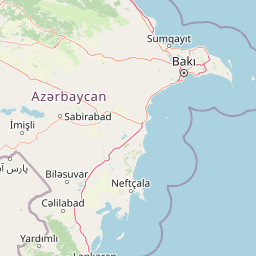
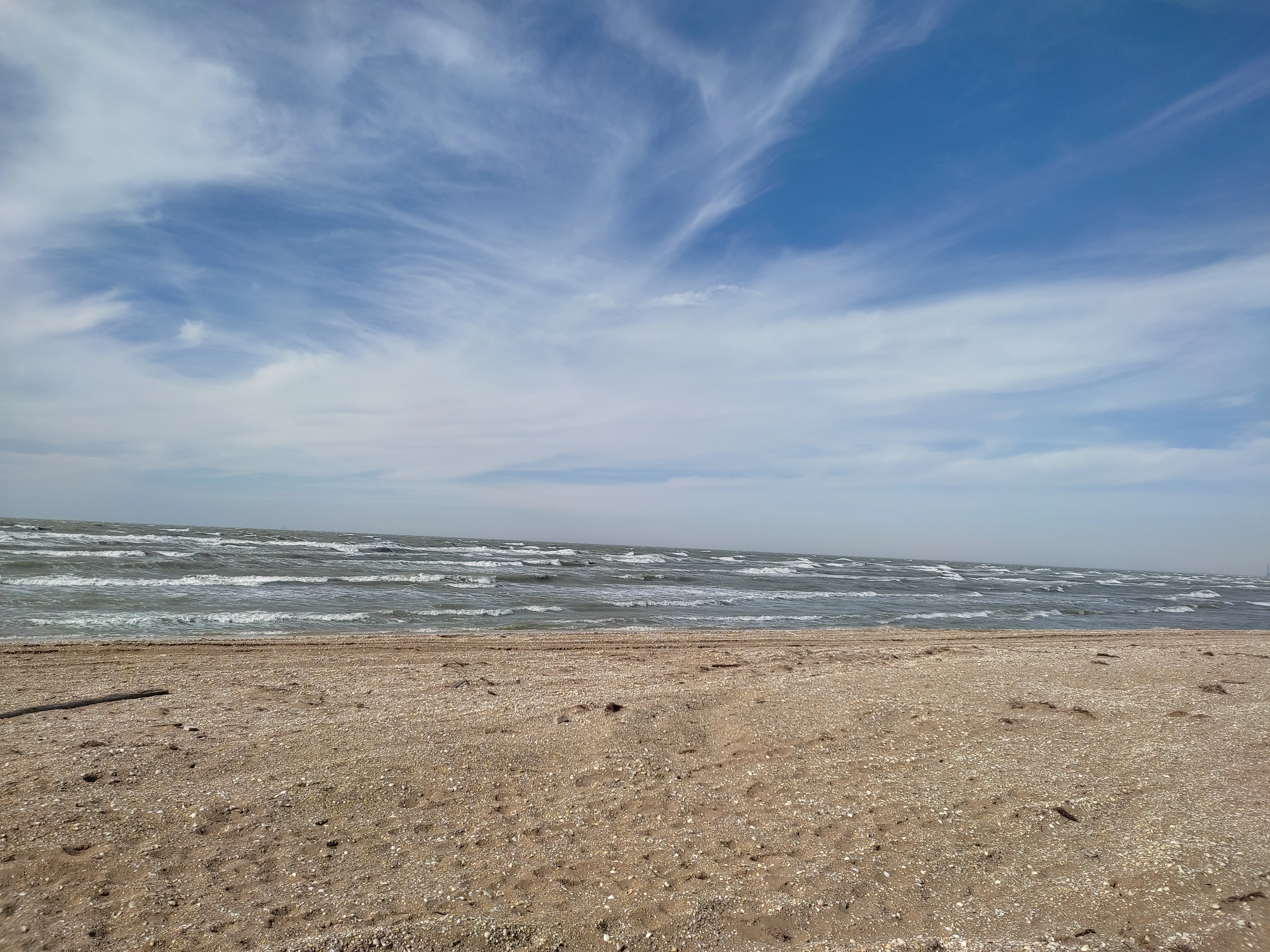
The landscape of Absheron National Park presents a distinctive blend of coastal and semi-desert environments shaped by the region's arid climate and proximity to the Caspian Sea. The terrain consists primarily of flat or gently undulating coastal plains with sparse vegetation adapted to the semi-arid conditions. Sea coastal sand plants dominate the shoreline areas, creating a vegetation mosaic that reflects the influence of soil salinity and water availability on plant communities. The park encompasses both terrestrial areas extending inland from the coast and a substantial marine zone extending into the Caspian Sea, making it one of Azerbaijan's few protected areas with significant coastal habitat inclusion. The coastal setting provides important habitat for species that depend on the interface between marine and terrestrial environments, while the inland areas support semi-desert vegetation communities that have adapted to the limited precipitation and high summer temperatures typical of the Absheron Peninsula.
Absheron National Park ecosystems, habitats, and plant life
The ecological character of Absheron National Park reflects the intersection of several distinct habitat types within a relatively limited area. The semi-arid climate supports vegetation communities typical of semi-desert and dry steppe environments, where plant growth is heavily influenced by the availability of water and the salinity of soils. Sea coastal sand vegetation covers approximately 42.6% of the park's land area, representing the dominant plant community across the coastal zone. Meadows featuring jigilgamish and paz grass occupy another significant portion of the terrestrial habitat, while one-year saline grasses and spring ephemeral plants round out the plant communities. The marine component of the park supports the critically important Caspian Sea ecosystem, providing feeding and resting areas for marine mammals and seabirds. The park sits within the broader Caspian Hyrcanian mixed forests ecoregion, though the local environmental conditions create a more xeric habitat than typical forest environments.
Absheron National Park wildlife and species highlights
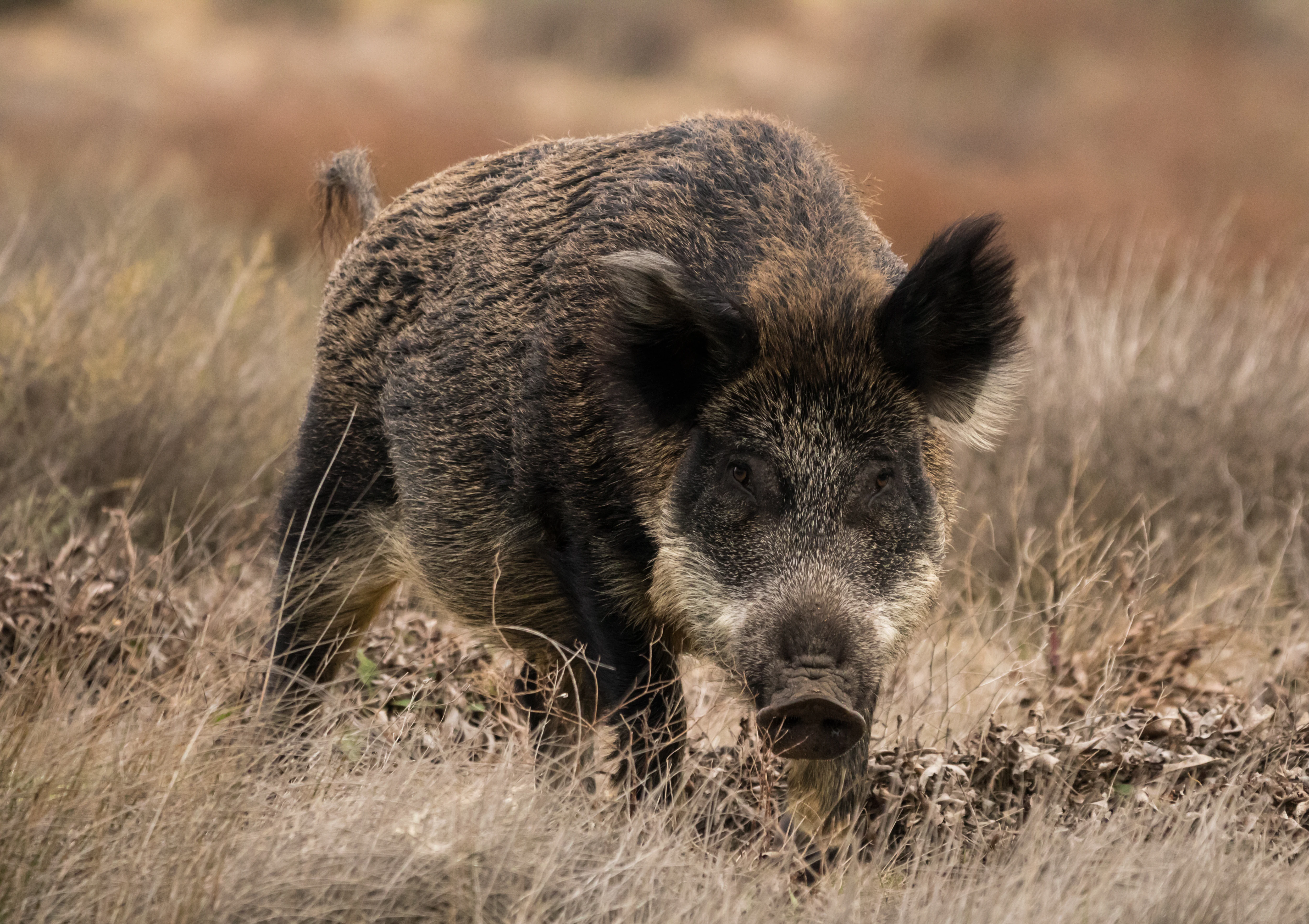
The wildlife of Absheron National Park encompasses a remarkable diversity of species across both terrestrial and marine environments. The park's mammalian fauna includes gazelles in the dry steppe areas, alongside jackals, foxes, rabbits, and badgers. The Caspian seal population represents the marine mammal presence, with these endangered animals regularly occurring in the park's coastal waters. The birdlife is particularly diverse, featuring both resident and migratory species that use the coastal wetlands and open waters of the Caspian Sea. Notable bird species include flamingos, black-headed gulls, Pallas's gulls, whooper swans, mute swans, mallards, northern shovelers, tufted ducks, Eurasian teals, great egrets, grey herons, great cormorants, and various shorebirds including curlews, dunlins, sandpipers, sanderlings, and several plover species. Birds of prey such as marsh harriers and long-legged buzzards also inhabit the area. The park's historical wildlife significance extends to historically present large predators, with the eastern edge of the Asiatic lion's range in the Trans-Caucasus reaching the Absheron Peninsula before the end of the tenth century, while Caspian tigers formerly invaded from the Talysh Mountains and Lankaran Lowland before their extinction in the twentieth century. Caucasian leopards, lynx, and striped hyenas have also been reported in the area.
Absheron National Park conservation status and protection priorities
Absheron National Park serves as a critical refuge for several endangered species and represents an important conservation priority within Azerbaijan's protected area network. The park provides essential habitat for the Caspian seal, a species endemic to the Caspian Sea and classified as endangered, making this one of the most significant conservation sites for this marine mammal. The protection of gazelle populations addresses the conservation needs of a species that has experienced significant population declines across its historic range in the Caucasus region. The park's status as a Ramsar-designated wetland area would recognize its international importance for waterbird conservation, particularly for migratory species that rely on the coastal habitats during their annual cycles. The transition from state nature preserve to national park in 2005 reflected an expansion of conservation objectives to include ecological monitoring, environmental education, and sustainable ecotourism development alongside the core species protection mandates.
Absheron National Park cultural meaning and human context
The area now within Absheron National Park carries significant cultural heritage value rooted in its historical use as a royal hunting ground. The local name Shah Dili, meaning King's Tongue in Azerbaijani, reflects the area's traditional association with high-ranking officials and rulers who came to hunt in this coastal region. According to local accounts, the area was frequently visited by nobles and monarchs for hunting activities, giving rise to the name that persists today. This historical context adds a cultural dimension to the park's identity beyond its ecological significance, connecting the protected landscape to Azerbaijan's broader heritage of hunting traditions and land use. The park's location at the southeastern tip of the Absheron Peninsula places it in one of the most historically settled regions of Azerbaijan, where human communities have interacted with the coastal environment for generations.
Top sights and standout views in Absheron National Park
Absheron National Park stands out as Azerbaijan's most visited national park by international tourists, offering visitors accessible wildlife viewing opportunities in close proximity to Baku. The park's small Caspian seal populations provide rare marine mammal viewing opportunities in the Caspian Sea, while the diverse waterbird communities create excellent birdwatching possibilities throughout the year. The distinctive semi-desert landscape with coastal sand vegetation offers a unique visual contrast to the more forested protected areas found elsewhere in the Caucasus region. The combination of terrestrial and marine habitats within a single protected area creates diverse recreational and educational opportunities for visitors interested in understanding the ecological relationships between steppe, wetland, and marine ecosystems.
Best time to visit Absheron National Park
The optimal time to visit Absheron National Park depends on the wildlife viewing opportunities visitors wish to experience. Spring months bring the appearance of ephemeral plants and increased bird activity as migratory species return to the coastal wetlands, making this season particularly rewarding for birdwatchers. The summer months offer warm conditions for beach and coastal exploration but may limit wildlife activity during the hottest parts of the day. Autumn provides another excellent birdwatching season as migratory species begin their southward movements. The winter months, while cooler, offer the opportunity to observe waterfowl that remain in the area and the possible presence of seals along the coastline. Year-round visitation is possible, though visitors should be prepared for the semi-arid climate that characterizes the Absheron Peninsula.