Why Hirkan National Park stands out
Hirkan National Park is best known for its ancient Hyrcanian forests, which represent one of the few remaining temperate rainforests in the world and preserve species dating to the Tertiary period. The park contains exceptional biodiversity with approximately 150 endemic tree and shrub species, making it a global center for relict flora. The vertical forest zonation is particularly notable, with distinct vegetation bands transitioning from chestnut-leaved oak and ironwood forests in the lower slopes to oriental beech forests at higher elevations. The park also supports significant populations of large mammals including the Caucasian leopard, brown bear, and lynx, with the leopard confirmed by camera trap in 2007 after questions about the species' regional extinction. The Moscow Forest area represents the last remaining fragment of the lowland Hyrcanian forests that once covered the entire Lankaran Lowland before agricultural conversion.
Hirkan National Park history and protected-area timeline
Hirkan National Park was established on February 9, 2004, by decree of the President of Azerbaijan, created on the territory of the former Hirkan State Reserve which it superseded. The initial protected area covered 29,760 hectares. On April 23, 2008, the park was significantly expanded by presidential decree to its current extent of 40,358 hectares. The expansion reflected growing recognition of the park's importance within the broader Hyrcanian forest ecosystem and the need for more comprehensive protection. The park's establishment followed decades of conservation efforts in the Talysh region, where the Hirkan State Reserve had provided baseline protection for the forest ecosystem since the Soviet era. The park's management falls under the Republic of Azerbaijan's Ministry of Ecology and Natural Resources. Documentation has been prepared for UNESCO World Heritage inscription, with the park now included as part of the Hyrcanian Forests World Heritage listing approved in 2019.
Hirkan National Park landscape and geographic character
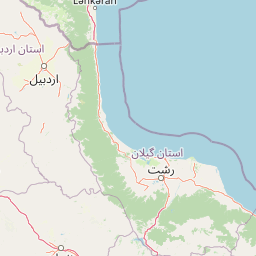
The landscape of Hirkan National Park encompasses the Talysh Mountains, a complex mountain system forming part of the Caspian basin watershed, descending to the Lankaran Lowland along the Caspian Sea coast. The terrain is predominantly mountainous with elevations ranging from near sea level in the lowland Moscow Forest area up to approximately 1,600 meters. The park lies in a region of exceptional orographic complexity where the Talysh range creates multiple microclimates and habitat niches. The Moscow Forest represents the only preserved portion of the original lowland Hyrcanian forest that once covered the entire Lankaran Lowland before extensive agricultural development. The park contains no settlements or pastures, with forests forming a contiguous, unbroken canopy across the entire protected area. The landscape is characterized by steep slopes, narrow valleys, and the characteristic lush green appearance created by the extremely high humidity and precipitation throughout the year.
Hirkan National Park ecosystems, habitats, and plant life
The nature of Hirkan National Park is defined by the Caspian Hyrcanian mixed forests ecoregion, one of the most distinctive and biodiversity-rich forest ecosystems in the temperate zone. These forests represent the southernmost extent of temperate broadleaved forests and include both subtropical and temperate rainforest types. The park contains approximately 435 tree and shrub species, of which 150 are endemic to the Hyrcanian forest region. The vegetation displays clear vertical zonation: lower slopes feature chestnut-leaved oak, ironwood, and Lenkoran acacia; middle elevations are dominated by Oriental beech and mixed oak-beech forests; higher zones transition to subalpine communities. The ecosystem preserves numerous Tertiary relict species that survived here because the region was not affected by the Pliocene and Pleistocene glaciations that eliminated similar forests elsewhere. This makes the park a living repository of ancient plant lineages. The extremely high humidity and precipitation, combined with old-growth forest structure, create unusually rich biota with exceptional species density.
Hirkan National Park wildlife and species highlights
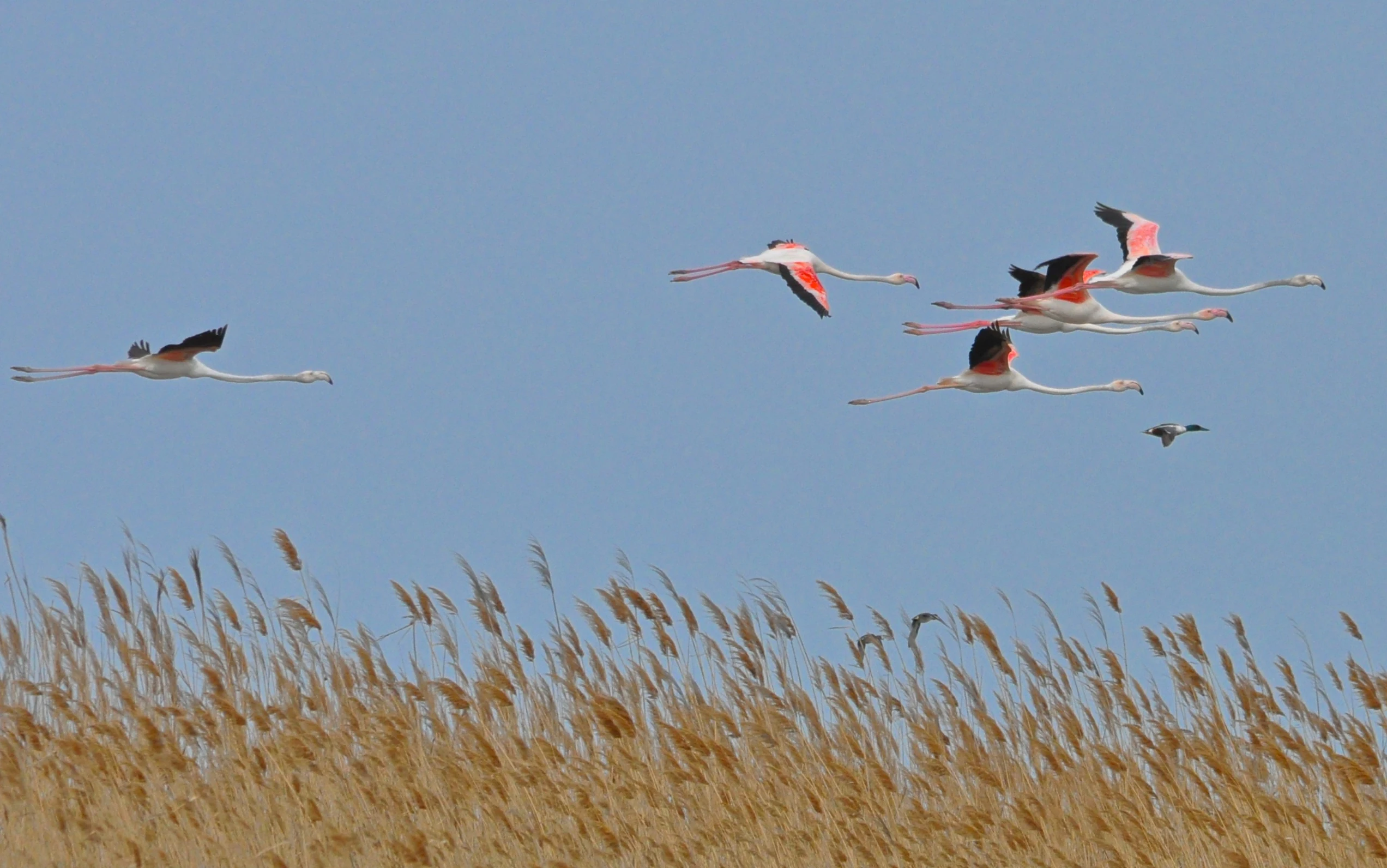
The wildlife of Hirkan National Park is exceptionally diverse, with significant populations of large mammals and important bird communities. The Caucasian leopard, once thought extinct in Azerbaijan, was confirmed by camera trap in 2007 and remains the park's most iconic species. Other large mammals include lynx, brown bear, wild boar, wolf, golden jackal, jungle cat, red fox, roe deer, European badger, and Eurasian otter. The bird fauna includes endemic subspecies such as the Caspian tit and the Talysh Mountains subspecies of common pheasant. Waterfowl and wetland birds are found in the lowland areas, with flamingos among the notable species recorded. The park supports approximately 117 bird species, with 68 species breeding within the park boundaries. The mammalian fauna includes 40 species across six orders, with the Iranian leopard, brown bear, lynx, and forest cat among the species protected under Azerbaijan's Red Book.
Hirkan National Park conservation status and protection priorities
Hirkan National Park holds exceptional conservation significance as one of the most important protected areas in the Caucasus and Caspian region. The park protects the only remaining examples of lowland Hyrcanian forests and preserves an extraordinary concentration of endemic and relict species. The inclusion of the Hyrcanian Forests, including Hirkan, on the UNESCO World Heritage List in 2019 recognizes the site's outstanding universal value. The ecosystem is recognized as a global biodiversity hotspot, with species found nowhere else on Earth. Several reforestation programs are underway in the lowland areas, notably in designated non-forested lots within the Lankaran Lowland, aiming to restore portions of the original forest cover. The park serves as a critical refuge for endangered species including the Caucasian leopard and supports important populations of other protected mammals and birds. Conservation challenges include the need to balance protection with sustainable use and managing the park's relationship with surrounding agricultural lands in the productive Lankaran Lowland.
Hirkan National Park cultural meaning and human context
Hirkan National Park is located in the Talysh region of Azerbaijan, an area with a distinctive cultural identity influenced by its position along the Caspian coast and at the crossroads of Persian and Caucasian cultural spheres. The Talysh Mountains have historically supported communities whose relationship with the forest environment has shaped local traditions and land use patterns. While the park itself contains no settlements, the surrounding region has been inhabited for centuries, with agricultural terraces and traditional land use practices visible in the broader landscape. The park's Azerbaijani name, Hirkan Milli Parkı, reflects its national importance within Azerbaijan's system of protected areas. The region has also been noted for its philatelic significance, with Azerbaijani postal stamps issued featuring the park's landscapes and biodiversity.
Top sights and standout views in Hirkan National Park
The ancient Hyrcanian forest ecosystem, preserving Tertiary-era species that survived millions of years of climate change. The remarkable vertical forest zonation from subtropical lowland to subalpine zones within a single protected area. The confirmed presence of the Caucasian leopard, a flagship species confirmed by camera trap in 2007. The spectacular biodiversity with 150 endemic tree and shrub species and numerous relict plants found nowhere else on Earth. The UNESCO World Heritage recognition as part of the transboundary Hyrcanian Forests listing. The Moscow Forest, representing the last remnant of the original lowland forest that covered the Lankaran region. The exceptional precipitation and humidity creating one of the wettest environments in Azerbaijan and supporting temperate rainforest conditions.
Best time to visit Hirkan National Park
The park can be visited year-round, though the humid subtropical climate means precipitation is high in all seasons. The spring and summer months offer the most lush forest scenery with full canopy cover and active wildlife activity. Autumn brings colorful foliage as the deciduous forests change, while winter at higher elevations provides a different character. The high year-round humidity should be anticipated by visitors planning any season of travel.