Mori Atlas logo
National parkArevik National Park

Discover a unique mountain ecosystem defined by rugged terrain and exceptional biodiversity.

Arevik National Park: Protected Landscape Atlas and Geographic Context in Syunik Province

Arevik National Park, situated in Armenia's Syunik Province, represents a crucial protected national park within the southern Zangezur mountain range. This atlas-driven page details the park's mapped boundaries and geographic setting, showcasing the transition from semi-desert environments to alpine meadows. Explore the diverse natural landscapes and understand the ecological significance of this protected area, vital for regional biodiversity and mountain ecosystem research.

national parksprotected areasmountain landscapesbutterfly habitatsbirdwatchingbiodiversity hotspots

Arevik National Park

National park

Park overview

Structured park overview, official facts, and landscape profile for Arevik National Park

Arevik National Park park facts, protected area profile, and essential visitor context
Review the core facts for Arevik National Park, including designation, size, terrain, visitor scale, habitats, and operating context in one park-focused overview.

About Arevik National Park

Arevik National Park occupies a strategically important position in the southernmost part of Armenia, protecting a spectacular section of the Zangezur mountain range. The Meghri ridge forms the backbone of the park, with its southern slopes descending into the catchment basins of the Astghadzor and Nyuvadi rivers. This mountainous terrain creates a complex topography of steep valleys, rocky ridges, and open alpine zones that support extraordinary ecological diversity.

The park's significance extends beyond its borders as part of Armenia's protected area network. Established in 2009, Arevik was designated to preserve the unique natural heritage of this biologically rich corner of the South Caucasus. The region's position at the crossroads of continental and Mediterranean climatic influences has produced a complex mosaic of habitats that support species found nowhere else on Earth. Management responsibility falls to Armenia's Ministry of Nature Protection, reflecting the national importance of this conservation area.

The park's vertical zonation is one of its most distinctive characteristics, with elevational bands ranging from semi-desert through forest and steppe to alpine meadow. This ecological gradient means that visitors traveling through the park experience dramatically different landscapes and wildlife communities within a short distance. The diversity of microhabitats created by aspect, elevation, and moisture availability supports the remarkable species richness that makes this area significant for both regional and international conservation.

Quick facts and research context for Arevik National Park

Arevik National Park is located in the southern Syunik Province of Armenia, within the Zangezur mountain range. Established in 2009 and managed by Armenia's Ministry of Nature Protection, the park spans 344 square kilometers across a dramatic elevational gradient. The landscape features vertical ecological zoning that creates diverse habitats within a relatively compact area, supporting both Mediterranean-influenced and continental species. The park is part of a network of seven Prime Butterfly Areas in the region and protects important populations of rare plants including Iris grossheimii.

Park context

Deeper park guide and search-rich context for Arevik National Park

Arevik National Park history, landscape, wildlife, and travel context
Explore Arevik National Park through its history, landscape character, ecosystems, wildlife, conservation priorities, cultural context, and seasonal travel timing in a structured park guide built for atlas discovery and search intent.

Why Arevik National Park stands out

Arevik National Park is especially notable for its remarkable butterfly diversity, with over 150 species recorded including several Red Book species such as Parnassius mnemosyne (Clouded Apollo), Parnassius apollo, Papilio alexanor, and Polyommatus zarathustra. The park also protects significant bird communities of over 180 species, including the lammergeyer, griffon vulture, Egyptian vulture, and golden eagle. The protected area encompasses crucial habitat for the endangered Persian leopard and houses populations of bezoar goat, Armenian mouflon, and other regionally significant large mammals. The Zangezur mountain setting provides a dramatic backdrop of rugged peaks and deep river valleys.
Arevik National Park history and protected-area timeline

Arevik National Park was established in 2009 as part of Armenia's expanding network of protected areas. The creation of the park reflected growing recognition of the Zangezur region's exceptional biodiversity value and the need for formal protection of its unique ecosystems. As one of Armenia's four national parks, Arevik was designated to balance conservation with sustainable use of natural resources.

Prior to national park status, the area had been recognized for its ecological importance through the designation of Prime Butterfly Areas, a conservation recognition system that identifies globally significant insect habitats. The transition to full national park status provided stronger legal protection and formalized management structures. The park remains under the governance of Armenia's Ministry of Nature Protection, which coordinates conservation activities and research programs within the protected area.

Arevik National Park landscape and geographic character

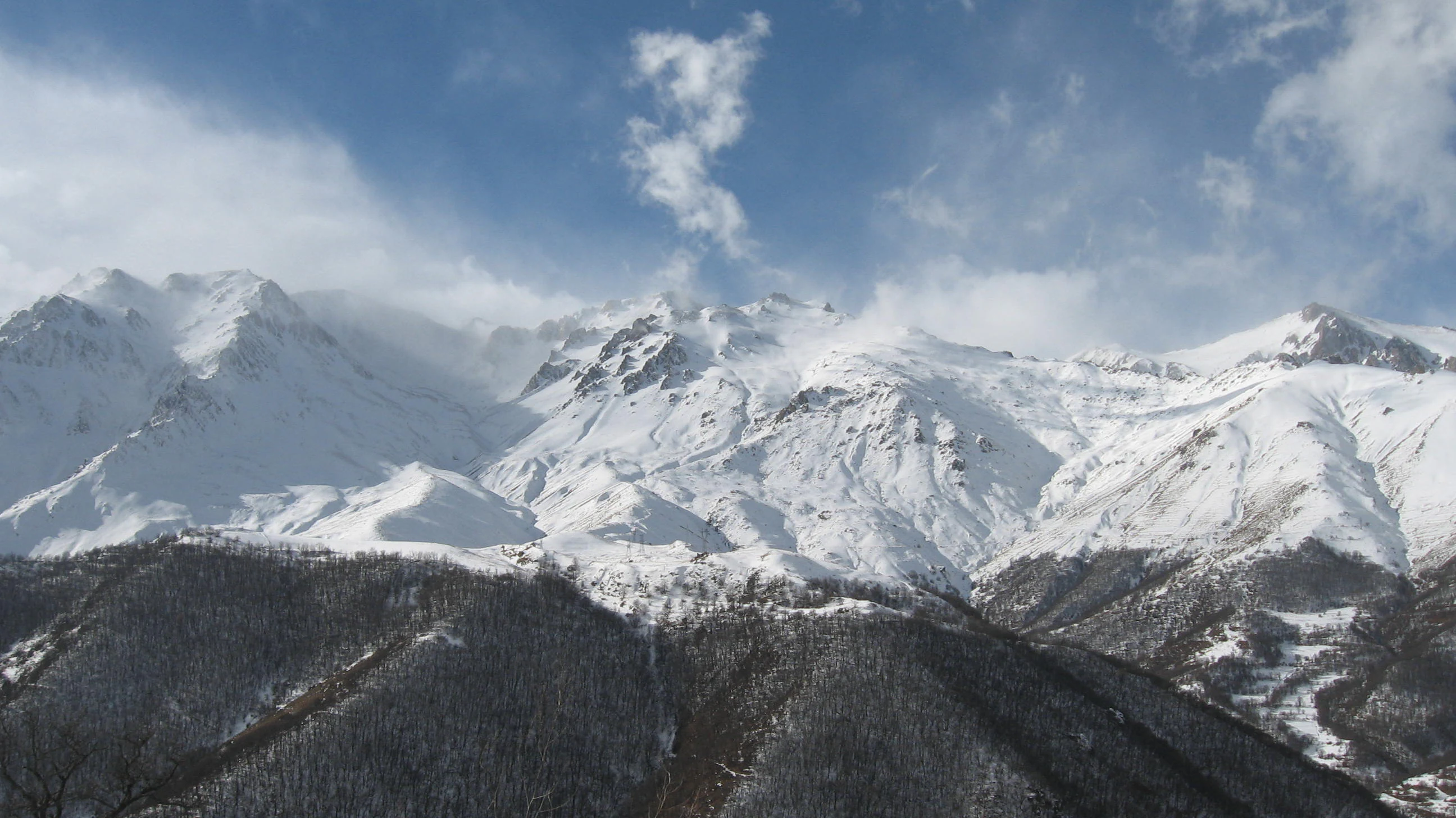
The landscape of Arevik National Park is defined by the rugged grandeur of the Zangezur mountains, a southern extension of the Greater Caucasus range. The Meghri ridge dominates the terrain, with its peaks and ridges creating a dramatic skyline against the Armenian sky. The southern aspect of these slopes generates unique microclimatic conditions that support Mediterranean-influenced flora at lower elevations.

Deep river valleys carved by the Astghadzor and Nyuvadi rivers dissect the mountain slopes, creating diverse habitats from cliff faces to riparian corridors. The transition from the valley floors upward produces a succession of ecological zones—semi-desert vegetation clings to sun-baked lower slopes, giving way to forest patches in the middle elevations, then to open mountain steppe, and finally to alpine meadows above the treeline. Rocky outcrops and cliff bands add vertical complexity to the terrain, providing specialized habitat for nesting birds and shelter for mammals. Winter snowfall in the higher elevations creates a stark seasonal contrast, with the park's mountain landscapes transformation into a snow-covered wilderness.

Arevik National Park ecosystems, habitats, and plant life

The ecological character of Arevik National Park reflects the intersection of multiple biogeographic influences, producing a remarkable concentration of biodiversity within its 344 square kilometers. The vertical zonation from semi-desert through forest to alpine creates distinct habitat bands, each supporting characteristic communities of plants and animals. This ecological diversity has earned the region recognition as one of the most important areas for invertebrate conservation in the South Caucasus.

The butterfly fauna stands out as particularly significant, with over 150 species recorded within the park. Several of these, including species of Parnassius and Polyommatus, are protected under Armenian law and included in the Red Book of Armenia. The park lies within a network of seven designated Prime Butterfly Areas, most of which are at least partially protected within its boundaries. The preservation of these critical butterfly habitats contributes to regional conservation of European meadow ecosystems.

Flora within the park includes populations of Iris grossheimii, an endangered and rare iris species whose presence within the protected area allows for ongoing monitoring and conservation efforts. The diversity of plant communities from semi-desert to alpine supports not only specialized flora but also the herbivores that depend upon them, creating the foundation for the park's diverse animal communities.

Arevik National Park wildlife and species highlights

The wildlife communities of Arevik National Park reflect the park's position at the crossroads of different biogeographic provinces. Mammal species of conservation significance include the Persian leopard, a critically endangered predator whose remaining populations in the South Caucasus depend on protected areas like Arevik for habitat connectivity. The bezoar goat, a wild mountain goat species, inhabits the rocky cliffs and steep slopes, while the Armenian mouflon—a distinctive regional subspecies of wild sheep—occurs in the park's mountain steppe habitats.

Bird communities are exceptionally diverse, with over 180 species recorded. The raptor fauna is particularly notable, featuring the lammergeyer (bearded vulture), griffon vulture, Egyptian vulture, and golden eagle—species that depend on the park's cliffs and open terrain for breeding and foraging. The peregrine falcon and Levant sparrowhawk represent additional birds of prey found within the protected area. The woodchat shrike and numerous other passerine species complete the avian community.

Invertebrate diversity reaches remarkable levels, particularly among butterflies. Over 150 species have been documented, including several that are endemic or of conservation concern. Species such as Parnassius mnemosyne, Parnassius apollo, Papilio alexanor, and Polyommatus zarathustra are protected under the Red Book of Armenia, reflecting their vulnerability and the importance of habitat protection within the park.

Arevik National Park conservation status and protection priorities

Arevik National Park represents a critical component of Armenia's conservation infrastructure, protecting some of the country's most biologically significant mountain ecosystems. The park's designation as an IUCN Category II protected area reflects its primary purpose of preserving natural landscapes and the biodiversity they support. The establishment of the park in 2009 formalized protection for an area that had already been recognized for its ecological importance through the Prime Butterfly Areas designation.

The park contributes to regional conservation through its role in protecting habitat for globally and regionally threatened species. The Persian leopard, bezoar goat, and Armenian mouflon all depend on the mountain ecosystems that Arevik protects. Similarly, the diverse butterfly communities—including multiple Red Book species—represent an important conservation responsibility. The presence of seven Prime Butterfly Areas, most of which fall at least partially within the park, underscores its significance for invertebrate conservation at a regional scale.

Protection of Iris grossheimii populations within the park enables ongoing monitoring and conservation of this rare plant species, demonstrating the park's role in plant conservation as well as animal protection. The comprehensive approach to protecting both species and their habitats positions Arevik as an important area for maintaining the ecological integrity of Armenia's southern mountain regions.

Arevik National Park cultural meaning and human context

Arevik National Park is situated in Syunik Province, a region with deep historical roots in Armenian culture and ancient settlement. The Zangezur mountains have been inhabited for millennia, and the landscape bears the imprint of human presence across centuries. The park's rivers—the Astghadzor and Nyuvadi—have served as water sources for local communities and as pathways through the mountain terrain.

While the park itself focuses on natural heritage, the surrounding region contains cultural sites and traditional land-use patterns that reflect the long history of human interaction with this mountainous landscape. The local communities of Syunik have maintained connections to the land through pastoral activities and agriculture, practices that have shaped the landscape beyond the protected area boundaries. Understanding this cultural context helps frame the park within the broader human geography of the region while recognizing that the primary conservation value lies in the natural ecosystems themselves.

Top sights and standout views in Arevik National Park

Arevik National Park protects one of Armenia's most ecologically diverse mountain landscapes within the southern Zangezur range. The park's exceptional butterfly diversity—with over 150 species including multiple Red Book species—represents a particular conservation strength. Birdlife is equally impressive, with over 180 species including impressive raptors like the lammergeyer, griffon vulture, and golden eagle. The presence of the endangered Persian leopard adds a flagship species to the park's conservation portfolio, while bezoar goat and Armenian mouflon represent regionally significant mountain mammals. The vertical ecological zoning from semi-desert through forest to alpine creates remarkable habitat diversity within a compact area.

Best time to visit Arevik National Park

The best time to visit Arevik National Park depends on interests and tolerance for variable conditions. Summer months offer the most accessible conditions for exploring the park's trails and higher elevations, with wildflower-filled alpine meadows at their peak. This is also the optimal season for butterfly observation, as many species are active during the warm summer months. Spring brings milder temperatures and emerging vegetation, though some high-elevation trails may still have snow cover.

Autumn offers another excellent visiting period, particularly for birdwatching as migratory species pass through the region. The fall colors in the forest zones can be spectacular. Winter transforms the landscape dramatically, with snow-covered peaks creating a stark alpine atmosphere, though access to higher elevations may be limited and temperatures can be severe. The park's mountain setting means that weather conditions can change rapidly regardless of season, and visitors should be prepared for variable conditions.
Park location guide

Geography guide, regional context, and park location map for Arevik National Park

Arevik National Park park geography, regions, and map view in Armenia
Understand where Arevik National Park sits in Armenia through a broader geographic reading of the surrounding landscape, nearby location context, and its mapped position within the national park landscape.

How Arevik National Park fits into Armenia

Armenia is a landlocked nation in the South Caucasus region of West Asia, located in the Armenian highlands. It shares borders with Turkey to the west, Georgia to the north, Azerbaijan to the east, and Iran and the Nakhchivan exclave to the south. Yerevan is the capital and largest city. Armenia was the first country to adopt Christianity as its official religion in AD 301 and maintains the Armenian Apostolic Church as its primary religious institution.

Wider geography shaping Arevik National Park in Armenia

Armenia is situated in the South Caucasus region of West Asia, occupying the Armenian highlands. It is bordered by Turkey to the west, Georgia to the north, Azerbaijan to the east, and Iran and the Nakhchivan Autonomous Republic to the south. The country is landlocked, though it historically had access to the Caspian Sea.

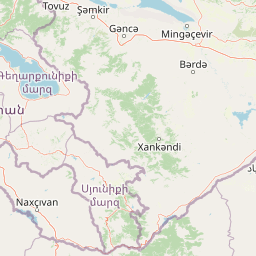
Map view of Arevik National Park

Use this park location map to pinpoint Arevik National Park in Armenia, understand its exact geographic position, and read its mapped placement within the surrounding landscape more clearly.

Pigeon | © OpenStreetMap contributors

Location context for Arevik National Park

Syunik Province
Park atlas

Trace connected protected landscapes and compare regional park geography surrounding Arevik National Park in the South Caucasus.

Explore Other Protected Areas and National Parks Near Arevik National Park in Armenia's Syunik Province
Discover other national parks and protected areas across Armenia and the wider South Caucasus, extending your exploration beyond Arevik National Park. Compare their unique mountain landscapes, biodiversity, and conservation profiles to understand the regional spread of protected natural areas.
National parkOrdubad District

Zangezur National Park: National Park and Protected Mountain Wilderness in Ordubad District

Explore dramatic glacial terrain and the highest Lesser Caucasus peaks.

Zangezur National Park encompasses a significant portion of the Zangezur mountain range, presenting a striking high-altitude protected landscape within Ordubad District, Azerbaijan. Its geography is characterized by rugged alpine features, extensive glacial formations, and dramatic elevation changes culminating in the Gemiqaya summit. This park serves as a vital refuge for diverse ecosystems and is distinguished by its role in preserving the highest mountain terrain in Azerbaijan's Lesser Caucasus, offering a unique focal point for geographic and protected-area exploration.

Area
427.97 km²
Established
2003
Relief
Mountain
Climate
Temperate
National parkAzerbaijan

Göygöl National Park: Iconic Alpine Lakes and Protected Caucasus Forest Landscape

Explore Azerbaijan's most visited national park and its rich geographic context.

Göygöl National Park is a key protected area in Azerbaijan, renowned for the crystal-clear alpine Lake Göygöl and its surrounding dense forests within the Lesser Caucasus mountains. This national park showcases over 420 plant species, significant wildlife populations, and dramatic mountainous terrain, making it a prime destination for understanding regional landscape diversity and protected land value. Use MoriAtlas to explore its mapped boundaries and connect it to the broader geographic context of Azerbaijan.

Area
127.55 km²
Established
2008
Relief
Mountain
Climate
Temperate
National parkAzerbaijan

Ag-Gel National Park

Azerbaijan Protected Wetland & Bird Sanctuary

Ag-Gel National Park is a protected wetland significant for migratory birds. Its landscape features a complex lake system and extensive reed beds, making it a vital conservation area in the Caspian region.

Area
179.24 km²
Established
2003
Relief
Lowland
Climate
Arid
National parkGegharkunik Province

Sevan National Park: High-Altitude Lake and Protected Landscape in Gegharkunik

Explore map context, park boundaries, and regional geography.

Sevan National Park is a vital protected area located in Armenia's Gegharkunik Province, primarily safeguarding the remarkable high-altitude Lake Sevan. Established to protect this significant freshwater ecosystem, the park encompasses diverse surrounding landscapes including wetlands, forests, and steppes. Users exploring this canonical park detail page can delve into its geographic setting within the Armenian highlands, understand its importance as a protected landscape, and access structured data relevant to its unique natural environment. This MoriAtlas entry offers a focused lens on the park's conservation status and its contribution to regional geography.

Area
342 km²
Established
1978
IUCN
II
Relief
Highland
Watercolor painting showing rolling green hills, a body of water, and distant mountains
National parkLankaran Rayon

Hirkan National Park: Ancient Hyrcanian Forest Protected Area in Lankaran Rayon

Explore mapped boundaries and unique regional geography.

Hirkan National Park stands as a significant protected area in Azerbaijan, renowned for its extensive old-growth Hyrcanian forests. This national park offers a unique window into ancient temperate rainforest ecosystems, featuring remarkable vertical forest zonation and a high concentration of endemic species within the Talysh Mountains and Lankaran Lowland. Its designation as part of the UNESCO World Heritage Hyrcanian Forests underscores its global importance for conservation and atlas-based geographic exploration of unique, relic landscapes.

Area
403.58 km²
Established
2004
Relief
Mixed relief
Climate
Subtropical
National parkTavush Province

Dilijan National Park: Mapped Protected Landscape and Forested Terrain in Tavush Province

Explore ancient deciduous forests and medieval sites within this protected area.

Dilijan National Park offers a unique atlas perspective on Armenia's natural and cultural heritage. This protected landscape in Tavush Province is dominated by vast, ancient deciduous forests, including rare yew groves, making it a vital conservation area. Its mountainous terrain, carved by rivers and dotted with medieval monasteries like Haghartsin and Goshavank, provides a rich context for geographic discovery. Users can explore the park's mapped boundaries and understand its significance as a preserved woodland ecosystem within the Caucasus region through its detailed geographic information.

Area
240 km²
Established
2002
IUCN
II
Relief
Mixed relief
National parkAzerbaijan

Shirvan National Park: Azerbaijan's Unique Protected Semi-Desert Ecosystem and Geography

Discover the mapped landscape, gazelle habitats, and wetland geography.

Shirvan National Park, located in Azerbaijan's Shirvan Lowland, safeguards a remarkable semi-desert environment situated on a former Caspian Sea floor. This protected area is distinguished by its low-lying terrain, ancient coastal ridges, and dune formations, providing essential habitat for the world's largest concentration of goitered gazelles. Wetlands around Çala Lake also support significant migratory bird populations, making Shirvan a crucial protected landscape for both terrestrial and avian wildlife and a key site for regional geographic study.

Area
543.735 km²
Established
2003
Relief
Lowland
Climate
Arid
Watercolor painting showing green hills, a river, and distant purple and orange mountains
National parkDedoplistsqaro Municipality

Vashlovani National Park: Georgia's Unique Lowland Desert and Badland Protected Landscape

Discover distinct semi-arid terrain and rare forest ecosystems.

Vashlovani National Park in Dedoplistsqaro Municipality represents a significant protected area preserving Georgia's rare lowland desert and semi-arid steppe ecosystems. This national park is characterized by its striking badland topography, known as the "Sharp Walls," wild pistachio forests, and riparian habitats along the Alazani River. Its unique geographic setting, far removed from Georgia's typical mountainous landscapes, makes Vashlovani a crucial site for understanding regional biodiversity and conservation within the Caucasus.

Area
442.51 km²
Established
1935
IUCN
II
Relief
Lowland

Common questions about visiting, size, designation, and location context for Arevik National Park

Arevik National Park FAQs for park facts, access, geography, and protected area context
Find quick answers about Arevik National Park, including protected-area facts, park geography, trail and visitor context, and how the park fits into its surrounding country and regional landscape.
MoriAtlas Explorer

Continue Your Protected Areas Search Across the Global Atlas

Deepen your exploration by continuing the structured search for national parks and protected areas worldwide. Utilize the comprehensive filtering capabilities to compare different conservation landscapes and refine your understanding of global park geography. Discover more about the distribution and characteristics of protected natural areas.

Global natural geography