Mori Atlas logo
National parkDilijan National Park

Discover the mapped geography and distinct protected terrain of this Caucasian mountain gem.

Dilijan National Park: A Protected Landscape of Ancient Forests in Tavush Province

Dilijan National Park, situated in Armenia's northeastern Tavush Province, stands as a testament to the region's preserved natural beauty and historical depth. This national park encompasses 240 square kilometers of diverse mountainous terrain, ranging from 1,070 to 2,300 meters in elevation, dissected by the Aghstev River and its tributaries. Renowned for its extensive, ancient deciduous forest ecosystems, it represents one of the Caucasus's most vital woodland expanses, featuring rare Tertiary relict yew groves. Beyond its remarkable biodiversity and mineral springs, Dilijan National Park also protects a significant cultural heritage with numerous medieval Armenian religious monuments, offering a unique lens through which to explore its mapped boundaries and surrounding geography.

national parkprotected areaCaucasus mountainsdeciduous forestold-growth forestbiodiversity hotspot

Dilijan National Park

National park

Park overview

Structured park overview, official facts, and landscape profile for Dilijan National Park

Dilijan National Park park facts, protected area profile, and essential visitor context
Review the core facts for Dilijan National Park, including designation, size, terrain, visitor scale, habitats, and operating context in one park-focused overview.

About Dilijan National Park

Dilijan National Park occupies a pivotal position in the Caucasus eco-region, protecting a representative sample of the mesophilous Caucasian forest ecosystem. The park's terrain is characterized by a complex topography of mountain ranges and valleys that create diverse microhabitats supporting remarkable biodiversity. The Aghstev River and its network of tributaries—including the Hovajur, Shtoghanajur, Bldan, Haghartsin, and Getik—have carved deep valleys through the landscape, providing aquatic habitats and corridors for wildlife movement.

The park serves multiple conservation functions while accommodating sustainable human use. The forest ecosystems provide critical watershed protection, regulating water flow and preventing soil erosion on the mountain slopes. The extensive trail network supports eco-tourism while the presence of settlements including Dilijan town and the Yerevan-Ijevan railway reflects the long history of human presence in the area. Management planning continues to develop appropriate zoning for conservation, recreation, and sustainable economic activities.

The surrounding region of Tavush Province is known for its relatively mild climate compared to other parts of Armenia, influenced by moisture-bearing winds from the Black Sea. This climatic setting supports the luxuriant forest growth that defines the park's character. The park also contains mineral water springs that have attracted visitors for their therapeutic properties, contributing to the local economy and establishing Dilijan as a spa destination.

Quick facts and research context for Dilijan National Park

Dilijan National Park is situated in the north-eastern Tavush Province of Armenia, approximately 100 kilometers northeast of Yerevan. The protected area was originally established as a state nature reserve in 1958 before receiving national park status in 2002. The park's territory includes portions of five mountain ranges and is drained by the Aghstev River system with several tributary streams. Notable lakes within the park include Parz Lich (Clear Lake), Goshi Lich (Gosh Lake), and Tzrkalich (Leach Lake). The park's forests are characterized by oak, beech, and hornbeam associations, with remnant coniferous patches of pine, juniper, and yew. The area holds significant ecological importance as a habitat for approximately 40 mammal species, 150 bird species, and over 900 vascular plant species.

Park context

Deeper park guide and search-rich context for Dilijan National Park

Dilijan National Park history, landscape, wildlife, and travel context
Explore Dilijan National Park through its history, landscape character, ecosystems, wildlife, conservation priorities, cultural context, and seasonal travel timing in a structured park guide built for atlas discovery and search intent.

Why Dilijan National Park stands out

Dilijan National Park is best known for its extensive deciduous forest ecosystems that dominate the Caucasus mountain slopes. The park preserves some of the last remaining old-growth forests in Armenia, including rare yew groves that represent Tertiary relict species, survivors from geological periods millions of years ago. The Caucasian rhododendron populations on northern slopes constitute one of the largest concentrations of this species in Armenia. The park also stands out for its cultural heritage, protecting several medieval monasteries including Haghartsin, Goshavank, Jukhtak Vank, Matosavank, and Aghavnavank. The combination of pristine forest landscapes, significant biodiversity, thermal mineral springs, and ancient religious architecture makes Dilijan a distinctive destination within the Caucasus region.

Dilijan National Park history and protected-area timeline

Dilijan National Park was formally established in 2002, building upon the foundation of the Dilijan State Reserve which was created in 1958. The original reserve incorporated territories from the former Dilijan and Kuybishev forest enterprises, reflecting the long tradition of forest management in this region. The transition from reserve to national park status reflected evolving approaches to protected area management in Armenia.

The change in designation responded to several practical considerations. The park territory encompasses numerous settlements, including the town of Dilijan with its established mineral water resort industry. The Yerevan-Ijevan railway traverses the entire park, creating infrastructure needs that required careful management within the protected area framework. These human use pressures necessitated a management approach that could balance conservation objectives with sustainable economic activity and community needs.

Between 2017 and 2018, significant efforts to develop the park's tourism infrastructure were undertaken. This included rehabilitation of existing ecotourism trails and the addition of an 80-kilometer section of the Transcaucasian Trail, a long-distance walking route connecting the Caucasus region. Ongoing development work focuses on clarifying park boundaries, mapping economic, recreational, and buffer zones, and refining the management framework for this important protected area.

Dilijan National Park landscape and geographic character

The physical landscape of Dilijan National Park is defined by its position on the southern slopes of the Central Caucasus mountain system. The park encompasses portions of five distinct mountain ranges—Pambak, Areguni, Miapor, Ijevan (Kaeni), and Halab—each contributing to the varied topography of the region. Elevations within the park range from 1,070 meters in the valley floors to 2,300 meters at the upper forest boundary.

The terrain displays typical Caucasian mountain character with steep-sided valleys, rounded ridgelines, and extensive forest-covered slopes. The Aghstev River, the primary watercourse, flows through the park receiving contributions from numerous tributary streams that drain the surrounding ranges. These watercourses have created valleys that provide access routes through the mountainous terrain. The park contains several lakes, including Parz Lich (Clear Lake), Goshi Lich (Gosh Lake), and Tzrkalich (Leach Lake), which add to the landscape diversity. Mountain meadows exist above the forest zone but fall outside the park's boundaries. Rocky outcrops and cliffs are particularly prominent on the western slopes of the Ijevan range and around Mount Abeghasar, where petrophyte communities thrive in these exposed habitats.

Dilijan National Park ecosystems, habitats, and plant life

The vegetation of Dilijan National Park represents the mesophilous Caucasian forest type, dominated by deciduous tree species forming extensive forest associations. The primary tree species include several oak varieties (Quercus petraea subsp. polycarpa and Q. macranthera), Oriental beech (Fagus orientalis), and both common and Oriental hornbeam (Carpinus betulus and C. orientalis). These species form homogeneous forests in their preferred zones—Georgian oak on southern slopes, oriental beech on northern aspects—while also occurring in various mixed combinations throughout the park.

The park's flora comprises 902 species of vascular plants, including approximately 40 rare species. Twenty-nine of these are registered in Armenia's Red Book of Endangered Species, with additional species listed in the former USSR Red Data Book. The park preserves several botanical treasures of particular significance: Tertiary relict yew forests, including the notable Akhnabat Yew Grove Reservation, and extensive Caucasian rhododendron communities representing some of the largest stands in Armenia. Coniferous vegetation—pine, juniper, and yew—occupies limited but significant areas, with dense pine forests occurring in the Hovajur River basin and juniper sparse forests in the Getik valley. The forests are rich in fruit trees and bushes including oriental apple, walnut, cornel, plum, pear, and hazelnut, as well as numerous medicinal, edible, and decorative plant species.

Dilijan National Park wildlife and species highlights

The fauna of Dilijan National Park exhibits the diversity typical of Caucasus forest ecosystems. Mammal populations include over 40 species, with notable species including red deer (Cervus elaphus), brown bear (Ursus arctos), lynx (Lynx), wolf (Canis lupus), wild boar (Sus scrofa), European wildcat (Felis sylvestris), roe deer (Capreolus capreolus), red fox (Vulpes vulpes), European badger (Meles meles), and Caucasian squirrel (Sciurus anomalus). These species occupy various habitats within the forest zones, from valley bottoms to alpine meadows.

Bird diversity is particularly notable, with approximately 150 species recorded in the park. Characteristic species include Caucasian grouse (Lyrurus mlokosiewiczi), golden eagle (Aquila chrysaetos), bearded vulture (Gypaetus barbatus), and Caspian snowcock (Tetraogallus caspius). The forest raptors and mountain-dwelling species find suitable habitat within the protected landscape. Reptiles and amphibians are represented by smooth snake (Coronella austriaca), Armenian lizard, Dahl's lizard, marsh frog (Pelophylax ridibundus), and European green toad (Bufotes viridis). Fish species include brown trout (Salmo trutta fario) and Kura barbel (Barbus cyri) in the river systems. The invertebrate fauna includes particularly rich beetle communities with approximately 800 species recorded.

Dilijan National Park conservation status and protection priorities

Dilijan National Park plays a critical conservation role within the Caucasus region by preserving representative examples of the mesophilous Caucasian forest ecosystem. The protected area maintains biological diversity across multiple taxonomic groups, with significant populations of species that face conservation pressures elsewhere in their range. The presence of Tertiary relict species—particularly the yew forests and Caucasian rhododendron stands—gives the park exceptional significance for conservation of ancient lineage species.

The park's designation as IUCN Category II reflects its primary objective of protecting natural ecosystems while allowing for sustainable use in designated zones. The forest communities serve essential ecosystem functions including watershed protection, soil conservation, and carbon sequestration. Management challenges include balancing the presence of human communities, infrastructure, and economic activities with conservation objectives. The 2017-2018 trail development and ongoing management planning represent efforts to develop sustainable tourism that supports conservation while providing economic benefits to local communities.

Dilijan National Park cultural meaning and human context

The landscape of Dilijan National Park contains a rich heritage of Armenian religious architecture, with several medieval monasteries located within its boundaries. The most significant monuments include Haghartsin Monastery, dating from the 10th to 13th centuries, Goshavank from the 12th to 13th centuries, Jukhtak Vank from the 11th to 13th centuries, Matosavank from the 10th to 13th centuries, and Aghavnavank from the 11th century. These monastic complexes represent important examples of Armenian ecclesiastical architecture and reflect the historical significance of the region as a center of religious and cultural life.

The area has a long history of human settlement and forest utilization. The establishment of the original reserve in 1958 incorporated former forest enterprise territories, reflecting centuries of managed use of the woodland resources. The town of Dilijan has developed as a resort destination based on local mineral water springs, creating a tourism economy that interacts with the protected area. The presence of the Yerevan-Ijevan railway demonstrates the historical importance of this corridor for transportation and regional development.

Top sights and standout views in Dilijan National Park

Dilijan National Park combines exceptional natural values with significant cultural heritage within a compact mountain landscape. The old-growth deciduous forests of oak, beech, and hornbeam represent some of the finest woodland in the Caucasus. Rare Tertiary relict yew groves and extensive rhododendron thickets provide botanical attractions of international significance. The mammal community includes impressive species such as brown bear and lynx, while over 150 bird species have been recorded. Five medieval monasteries scattered through the forest create a cultural landscape of enduring importance. The extensive trail network, including the Transcaucasian Trail, provides access to discover this diverse terrain.

Best time to visit Dilijan National Park

The most favorable season to visit Dilijan National Park is during the late spring through early autumn months, from May through September, when trail conditions are optimal and the park's landscapes display their full character. Spring brings blooming rhododendrons and lush forest undergrowth, while summer offers warm conditions suitable for hiking and the opportunity to experience the park's mountain environment. Autumn provides spectacular fall coloration in the deciduous forests and represents a particularly beautiful time for landscape photography. Winter access is limited due to snow conditions at higher elevations, though the park's lower valleys may be visited during milder periods. The shoulder seasons of late spring and early autumn often combine pleasant weather with fewer visitors, offering a more tranquil experience of the park's natural and cultural attractions.
Park location guide

Geography guide, regional context, and park location map for Dilijan National Park

Dilijan National Park park geography, regions, and map view in Armenia
Understand where Dilijan National Park sits in Armenia through a broader geographic reading of the surrounding landscape, nearby location context, and its mapped position within the national park landscape.

How Dilijan National Park fits into Armenia

Armenia is a landlocked nation in the South Caucasus region of West Asia, located in the Armenian highlands. It shares borders with Turkey to the west, Georgia to the north, Azerbaijan to the east, and Iran and the Nakhchivan exclave to the south. Yerevan is the capital and largest city. Armenia was the first country to adopt Christianity as its official religion in AD 301 and maintains the Armenian Apostolic Church as its primary religious institution.

Wider geography shaping Dilijan National Park in Armenia

Armenia is situated in the South Caucasus region of West Asia, occupying the Armenian highlands. It is bordered by Turkey to the west, Georgia to the north, Azerbaijan to the east, and Iran and the Nakhchivan Autonomous Republic to the south. The country is landlocked, though it historically had access to the Caspian Sea.

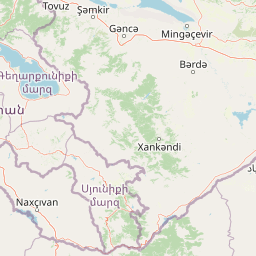
Map view of Dilijan National Park

Use this park location map to pinpoint Dilijan National Park in Armenia, understand its exact geographic position, and read its mapped placement within the surrounding landscape more clearly.

Pigeon | © OpenStreetMap contributors

Location context for Dilijan National Park

Tavush Province
Park atlas

Expand your protected area discovery from Dilijan National Park, mapping diverse landscapes across Tavush Province and the Lesser Caucasus mountains.

Explore Related National Parks and Protected Areas Near Dilijan National Park
After exploring Dilijan National Park, browse a curated selection of national parks and protected areas, tracing similar old-growth forest ecosystems and mountain ranges in Armenia. Compare diverse conservation landscapes across Tavush Province and the broader Lesser Caucasus region, gaining valuable geographic context for your park discovery.
National parkGegharkunik Province

Sevan National Park: High-Altitude Lake and Protected Landscape in Gegharkunik

Explore map context, park boundaries, and regional geography.

Sevan National Park is a vital protected area located in Armenia's Gegharkunik Province, primarily safeguarding the remarkable high-altitude Lake Sevan. Established to protect this significant freshwater ecosystem, the park encompasses diverse surrounding landscapes including wetlands, forests, and steppes. Users exploring this canonical park detail page can delve into its geographic setting within the Armenian highlands, understand its importance as a protected landscape, and access structured data relevant to its unique natural environment. This MoriAtlas entry offers a focused lens on the park's conservation status and its contribution to regional geography.

Area
342 km²
Established
1978
IUCN
II
Relief
Highland
National parkAzerbaijan

Göygöl National Park: Iconic Alpine Lakes and Protected Caucasus Forest Landscape

Explore Azerbaijan's most visited national park and its rich geographic context.

Göygöl National Park is a key protected area in Azerbaijan, renowned for the crystal-clear alpine Lake Göygöl and its surrounding dense forests within the Lesser Caucasus mountains. This national park showcases over 420 plant species, significant wildlife populations, and dramatic mountainous terrain, making it a prime destination for understanding regional landscape diversity and protected land value. Use MoriAtlas to explore its mapped boundaries and connect it to the broader geographic context of Azerbaijan.

Area
127.55 km²
Established
2008
Relief
Mountain
Climate
Temperate
National parkShirak Province

Lake Arpi National Park: High-Altitude Wetland Protected Landscape in Shirak Province

Mapped boundaries of an important South Caucasus conservation area.

Lake Arpi National Park offers a unique window into high-altitude wetland ecosystems on the Shirak and Javakheti plateau, located at roughly 2000 meters above sea level. Established as a national park in 2009, it protects critical habitats, including the central Lake Arpi, and serves as a vital sanctuary for numerous bird species. This protected area is distinguished by its alpine meadows, significant bird populations, and its distinct geographic setting within Armenia's northwestern region, providing rich context for atlas-based exploration of protected lands.

Area
250 km²
Established
2009
IUCN
II
Relief
Mountain
Watercolor painting showing green hills, a river, and distant purple and orange mountains
National parkDedoplistsqaro Municipality

Vashlovani National Park: Georgia's Unique Lowland Desert and Badland Protected Landscape

Discover distinct semi-arid terrain and rare forest ecosystems.

Vashlovani National Park in Dedoplistsqaro Municipality represents a significant protected area preserving Georgia's rare lowland desert and semi-arid steppe ecosystems. This national park is characterized by its striking badland topography, known as the "Sharp Walls," wild pistachio forests, and riparian habitats along the Alazani River. Its unique geographic setting, far removed from Georgia's typical mountainous landscapes, makes Vashlovani a crucial site for understanding regional biodiversity and conservation within the Caucasus.

Area
442.51 km²
Established
1935
IUCN
II
Relief
Lowland
Watercolor illustration of a mountainous landscape with green forests, rolling hills, and distant mountains under a light sky
National parkGeorgia

Algeti National Park: Explore Georgia's Protected Coniferous Forest Landscape

Mountain terrain, protected forests, and regional geography.

Algeti National Park, located in Georgia's Kvemo Kartli region, serves as a critical protected area preserving the easternmost populations of Caucasian Spruce and Nordmann Fir. This national park features a dramatic mountainous landscape within the Trialeti Range, characterized by deeply incised valleys, flowing rivers, and extensive old-growth forest ecosystems. Users can explore the park's geographic context, mapped boundaries, and the ecological significance of its unique coniferous and mixed forests, contributing to a broader understanding of protected lands in the Caucasus.

Area
68.22 km²
Established
2007
IUCN
II
Visitors
8K annual
Watercolor illustration of a landscape with mountains, a river, trees, and grassy fields
National parkMtskheta Municipality

Tbilisi National Park: Oldest Protected Landscape in Mtskheta Municipality

Explore Georgia's oldest national park and its mapped forest terrain.

Tbilisi National Park represents Georgia's oldest protected area, nestled in the Saguramo Range within Mtskheta Municipality. This page provides an atlas-focused view of its geographic features, including mountainous terrain and deciduous forest ecosystems. Users can explore the park's mapped boundaries and understand its significance as a crucial natural landscape close to Tbilisi, contributing to the region's protected areas network.

Area
380.02 km²
Established
1973
IUCN
II
Relief
Highland
Watercolor painting of green and pink mountain ranges under a light sky background
National parkSamtskhe–Javakheti

Javakheti National Park: Protected Highland Landscape and Wetland Atlas

Explore the unique geography and mapped park boundaries of this Georgian protected area.

Delve into Javakheti National Park, a significant protected landscape located in Georgia's Samtskhe, Javakheti region. This page serves as an entry point for understanding the park's distinctive highland terrain, its remarkable chain of lakes and marshes, and its protected area status. Explore the geographic context of this national park, its role in wetland conservation, and its value for structured atlas-based discovery of natural landscapes.

Area
238.53 km²
Established
2011
IUCN
II
Relief
Mixed relief
National parkOrdubad District

Zangezur National Park: National Park and Protected Mountain Wilderness in Ordubad District

Explore dramatic glacial terrain and the highest Lesser Caucasus peaks.

Zangezur National Park encompasses a significant portion of the Zangezur mountain range, presenting a striking high-altitude protected landscape within Ordubad District, Azerbaijan. Its geography is characterized by rugged alpine features, extensive glacial formations, and dramatic elevation changes culminating in the Gemiqaya summit. This park serves as a vital refuge for diverse ecosystems and is distinguished by its role in preserving the highest mountain terrain in Azerbaijan's Lesser Caucasus, offering a unique focal point for geographic and protected-area exploration.

Area
427.97 km²
Established
2003
Relief
Mountain
Climate
Temperate

Common questions about visiting, size, designation, and location context for Dilijan National Park

Dilijan National Park FAQs for park facts, access, geography, and protected area context
Find quick answers about Dilijan National Park, including protected-area facts, park geography, trail and visitor context, and how the park fits into its surrounding country and regional landscape.
MoriAtlas Explorer

Continue Your Protected Areas Search Across the Global Atlas

Deepen your exploration by continuing the structured search for national parks and protected areas worldwide. Utilize the comprehensive filtering capabilities to compare different conservation landscapes and refine your understanding of global park geography. Discover more about the distribution and characteristics of protected natural areas.

Global natural geography