
Why Lake Arpi National Park stands out
Lake Arpi National Park is especially significant for its exceptional bird populations. The park hosts the world's largest colony of Armenian gulls, a species endemic to the South Caucasus region, making it globally important for the conservation of this bird. Additionally, the park contains Armenia's only breeding site for the Dalmatian pelican, a species of major conservation concern. These colonial waterbird populations depend on the lake's wetland habitats, making the park a critical node in regional migratory bird routes and a focal site for ornithological conservation in the Caucasus.
Lake Arpi National Park history and protected-area timeline
Lake Arpi National Park was established in 2009 by decree of the Armenian government, becoming one of the four national parks in the country's protected area network. The creation of the park responded to the need to conserve the distinctive biodiversity of the Javakheti-Shirak plateau, a region that spans the border areas between Armenia and Georgia and supports unique combinations of species adapted to high-altitude conditions. Prior to national park designation, the Lake Arpi area had ecological significance but lacked the formal protection status appropriate for its conservation values, particularly concerning its internationally important bird populations. The park's establishment also reflected broader trends in Armenian environmental policy during the 2000s, as the country worked to expand and strengthen its protected area network following independence. Management of the park falls under Armenia's Ministry of Nature Protection, which oversees the country's protected areas and ensures compliance with national conservation frameworks. The park's relatively recent establishment means it represents a modern approach to conservation in Armenia, designed with awareness of both local ecological needs and international conservation standards.
Lake Arpi National Park landscape and geographic character
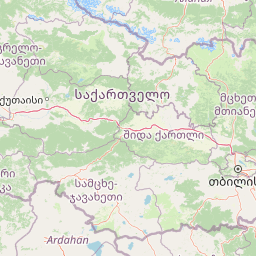
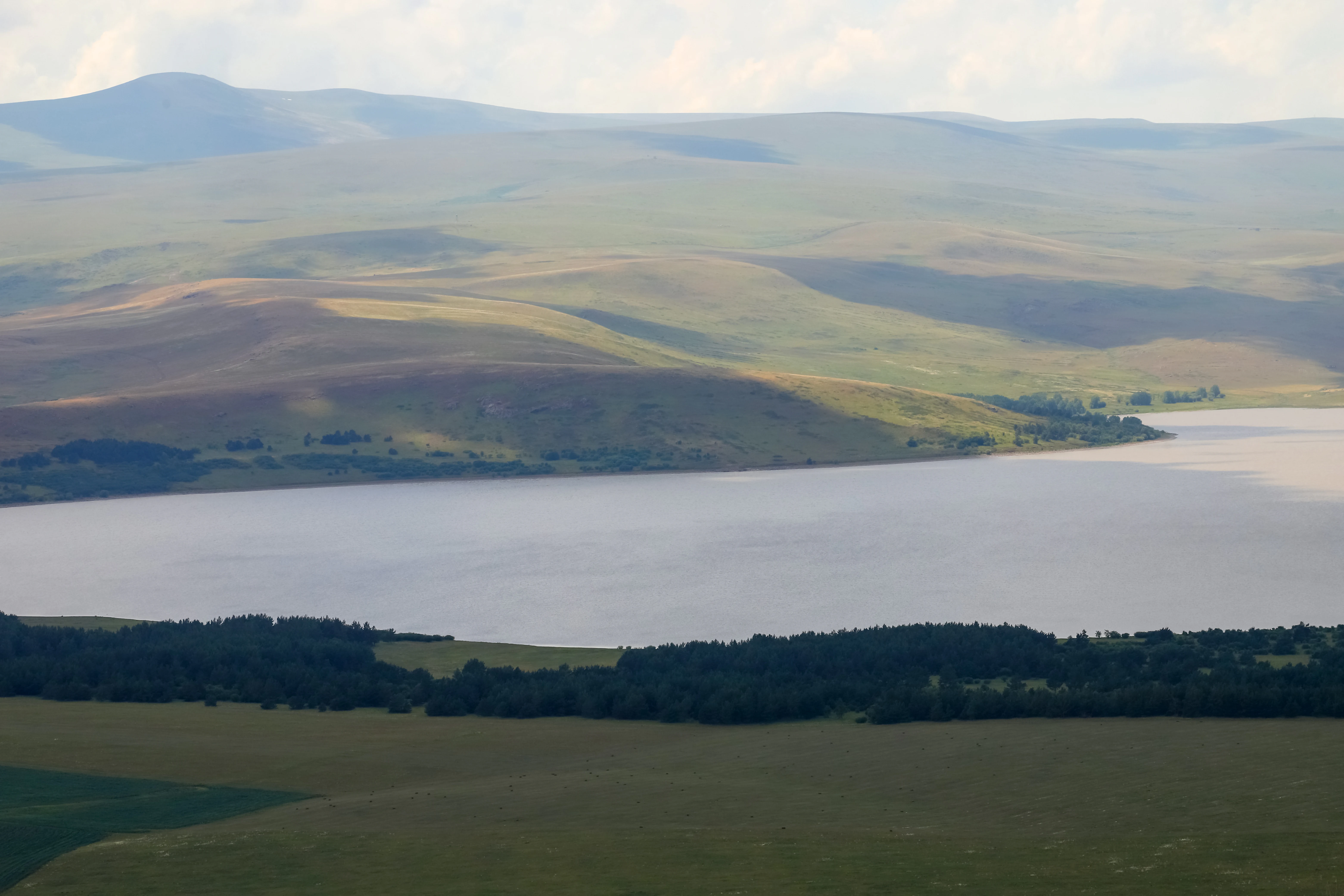

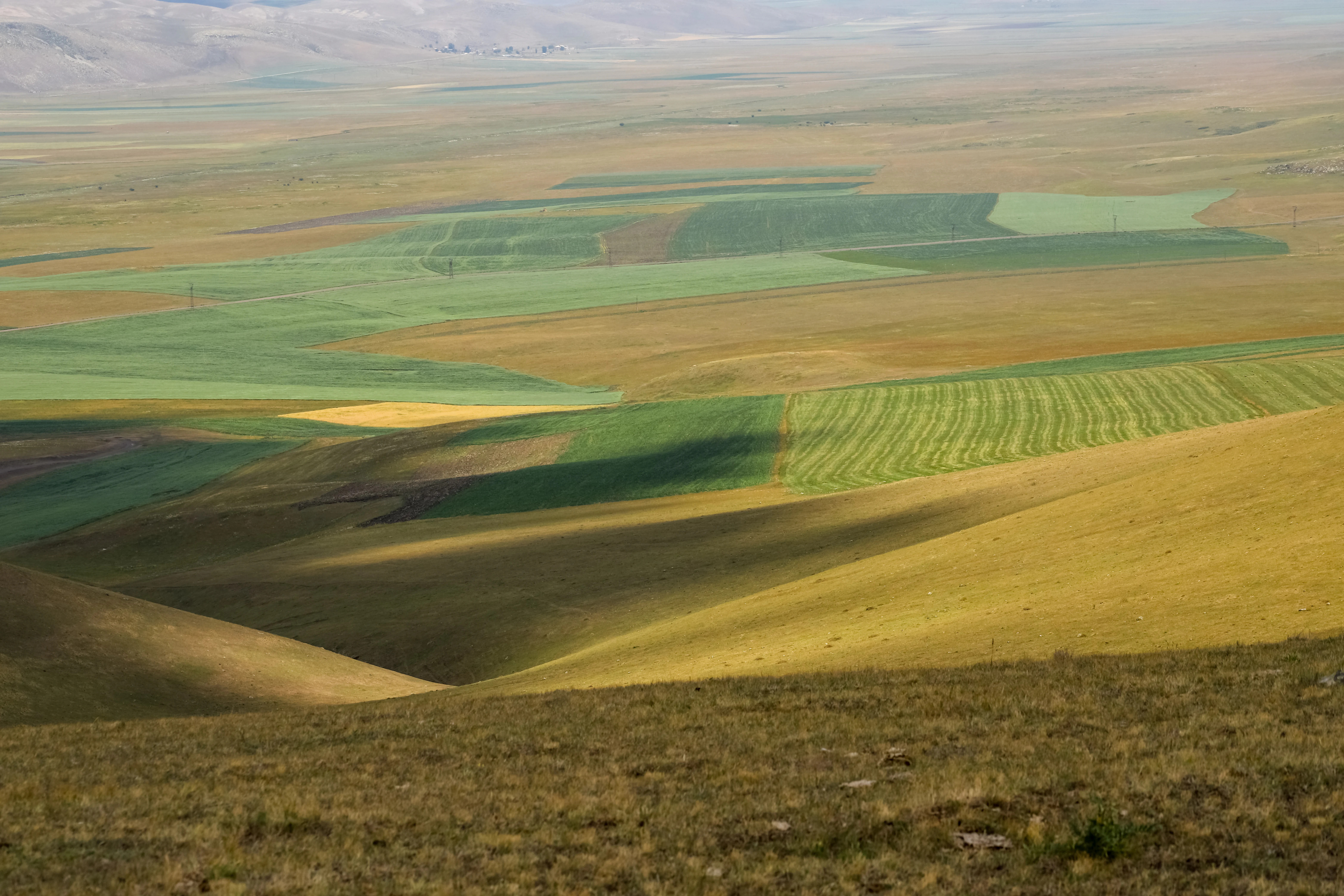
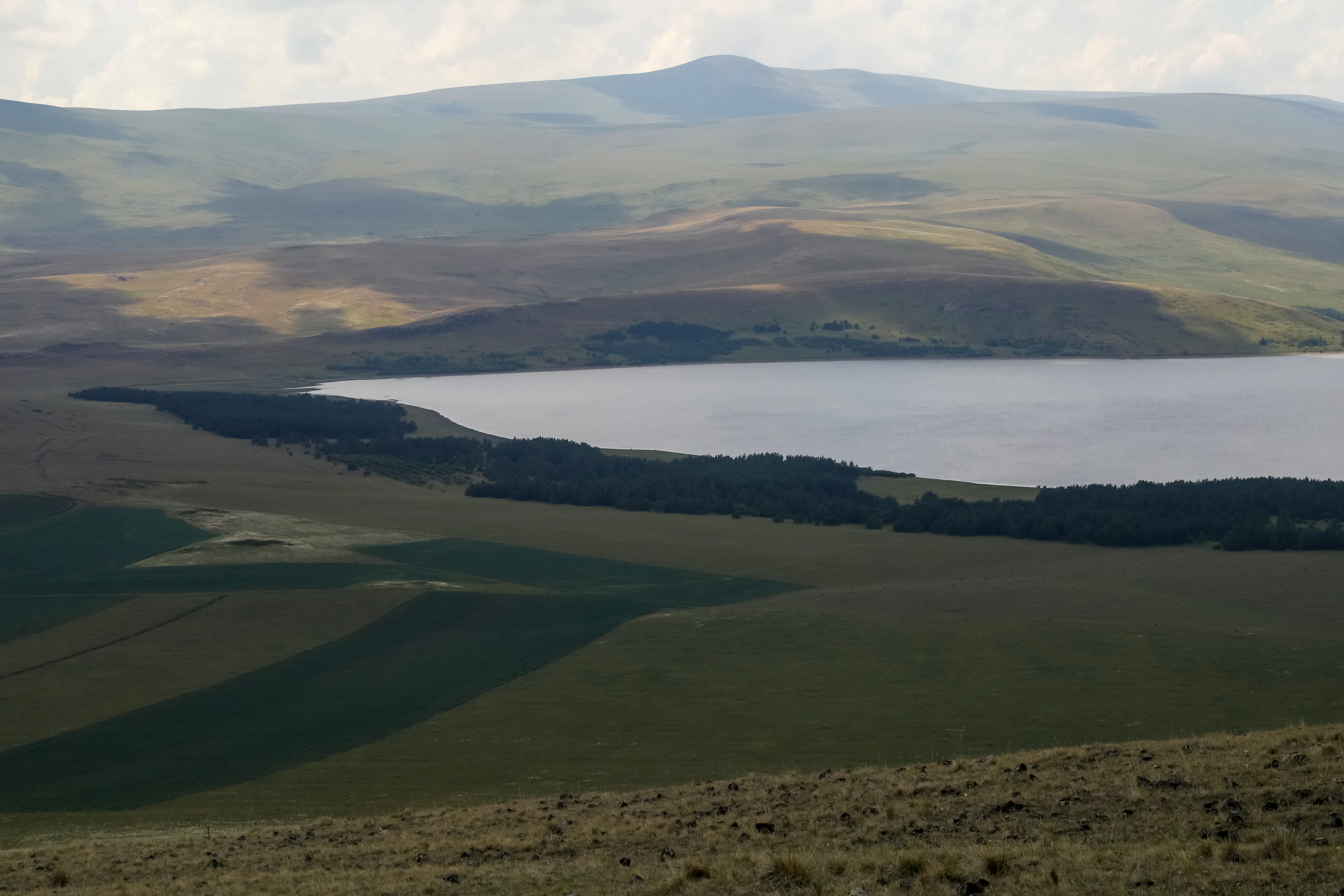

The landscape of Lake Arpi National Park is defined by its high-altitude setting on the Shirak and Javakheti plateau, a region of rolling alpine terrain and significant wetland basins. At approximately 2000 meters above sea level, the park occupies an elevation zone characterized by relatively harsh winters and brief but productive summer growing seasons. Lake Arpi itself forms the central hydrological feature, a lake of considerable size in the context of Armenian freshwater bodies. The surrounding terrain consists of a mix of marshy margins, meadows, and cultivated agricultural land within the lake's catchment area. Mountain ridges bound the park on multiple sides, with the Yeghnakhagh mountains forming a prominent western boundary and the Javakheti Range extending along the northwest. These mountains, while not extremely tall by Caucasus standards, create a contained basin environment that influences local climate and hydrology. The overall visual character is one of open highlands with significant wetland texture, contrasting with the more rugged and forested landscapes found at lower elevations in Armenia.
Lake Arpi National Park ecosystems, habitats, and plant life
The ecological character of Lake Arpi National Park centers on its high-altitude wetland ecosystems, which support remarkable biodiversity despite the challenging climatic conditions of the plateau environment. The park contains approximately 670 plant species, representing a diverse flora adapted to alpine and subalpine conditions. This plant community includes significant populations of orchids, irises, poppies, and lilies, with 25 species listed in Armenia's Red Book of Endangered Species. Of particular note, 22 plant species found in the park are endemic to the region, existing nowhere else on Earth. The wetland and lake habitats support the ecological processes that make this area internationally significant. The Lake Arpi catchment area also includes cultivated agricultural landscapes, primarily wheat and flax fields, reflecting the long history of human land use in this plateau region. This combination of natural habitats and working agricultural lands creates a cultural-ecological landscape where conservation and traditional land use coexist.
Lake Arpi National Park wildlife and species highlights
Lake Arpi National Park is renowned for its exceptional bird populations, which constitute its most significant wildlife values from both national and international conservation perspectives. The park hosts the world's largest colony of Armenian gulls, a species that is endemic to the South Caucasus and represents a global conservation responsibility for Armenia. This colonial nesting population depends on the lake's islands and shoreline habitats for breeding success. Additionally, the park provides the only breeding site in Armenia for the Dalmatian pelican, a species of European conservation concern that uses the protected wetland habitats for nesting and foraging. These waterbird concentrations make the park a critical location along migratory flyways connecting Western Asia with European breeding and wintering grounds. The mammal community of the park includes approximately 30 species, with European otters inhabiting the water systems and stone martens present in the terrestrial environments. This mammal fauna, while less spectacular than the bird populations, contributes to the ecological completeness of the protected area.
Lake Arpi National Park conservation status and protection priorities
Lake Arpi National Park serves as a critical conservation node for the protection of high-altitude wetland ecosystems in the South Caucasus region. The park's global significance stems primarily from its role as the largest colony site for the Armenian gull and the sole Armenian breeding location for the Dalmatian pelican, two species of major conservation concern. The protection of these colonial waterbird populations requires the preservation of intact wetland habitats, making the park's conservation mandate directly tied to the health of Lake Arpi and its surrounding marsh environments. Beyond its bird conservation importance, the park protects a significant number of endemic plant species, with 22 taxa found nowhere else in the world existing within its boundaries. The inclusion of 25 plant species in Armenia's Red Book demonstrates the site's importance for national biodiversity conservation. The establishment of the park in 2009 reflected a deliberate choice to apply national park protection status to this unique plateau environment, recognizing that the Javakheti-Shirak region's biodiversity required formal conservation designation to ensure long-term preservation.
Lake Arpi National Park cultural meaning and human context
The Lake Arpi region has a long history of human presence and land use on the Shirak plateau, with agricultural activity shaping the landscape surrounding the lake. The catchment area of Lake Arpi features cultivated fields primarily devoted to wheat and flax production, reflecting traditional farming practices in this high-altitude region of Armenia. The communities of Amasia and Ashotsk regions lie within and adjacent to the park, maintaining connections to the land that predate the national park designation. This agricultural context means the park exists within a working landscape rather than as a pristine wilderness, creating ongoing considerations for managing the interface between conservation objectives and traditional rural livelihoods.
Top sights and standout views in Lake Arpi National Park
Lake Arpi National Park stands as a globally significant conservation site for colonial waterbirds in the South Caucasus, protecting the world's largest breeding colony of Armenian gulls and the only Armenian nesting site for Dalmatian pelicans. The park's high-altitude wetland ecosystem at 2000 meters elevation supports exceptional biodiversity, including 22 endemic plant species and 25 Red Book species. The landscape, framed by the Yeghnakhagh and Javakheti mountain ranges, creates a distinctive alpine plateau environment that distinguishes this park from Armenia's other protected areas. Established in 2009 as one of four Armenian national parks, the park represents a modern conservation designation focused on preserving the unique ecological character of the Shirak-Javakheti plateau.
Best time to visit Lake Arpi National Park
The optimal season for visiting Lake Arpi National Park corresponds with the summer months when the high-altitude environment is most accessible and wildlife viewing opportunities are strongest. The brief Armenian summer, spanning roughly June through September, brings warmer temperatures to the plateau, making outdoor exploration comfortable and allowing access to areas that may be snowbound during the winter months. This period coincides with the peak of the bird breeding season, when colonial waterbird populations are most active around Lake Arpi. Spring and early summer bring the flowering of the park's diverse plant community, including orchids and irises, adding botanical interest to a visit. Winter visits are challenging due to the harsh conditions at 2000 meters elevation, with heavy snow and cold temperatures limiting accessibility.