
Why Karagöl-Sahara National Park stands out
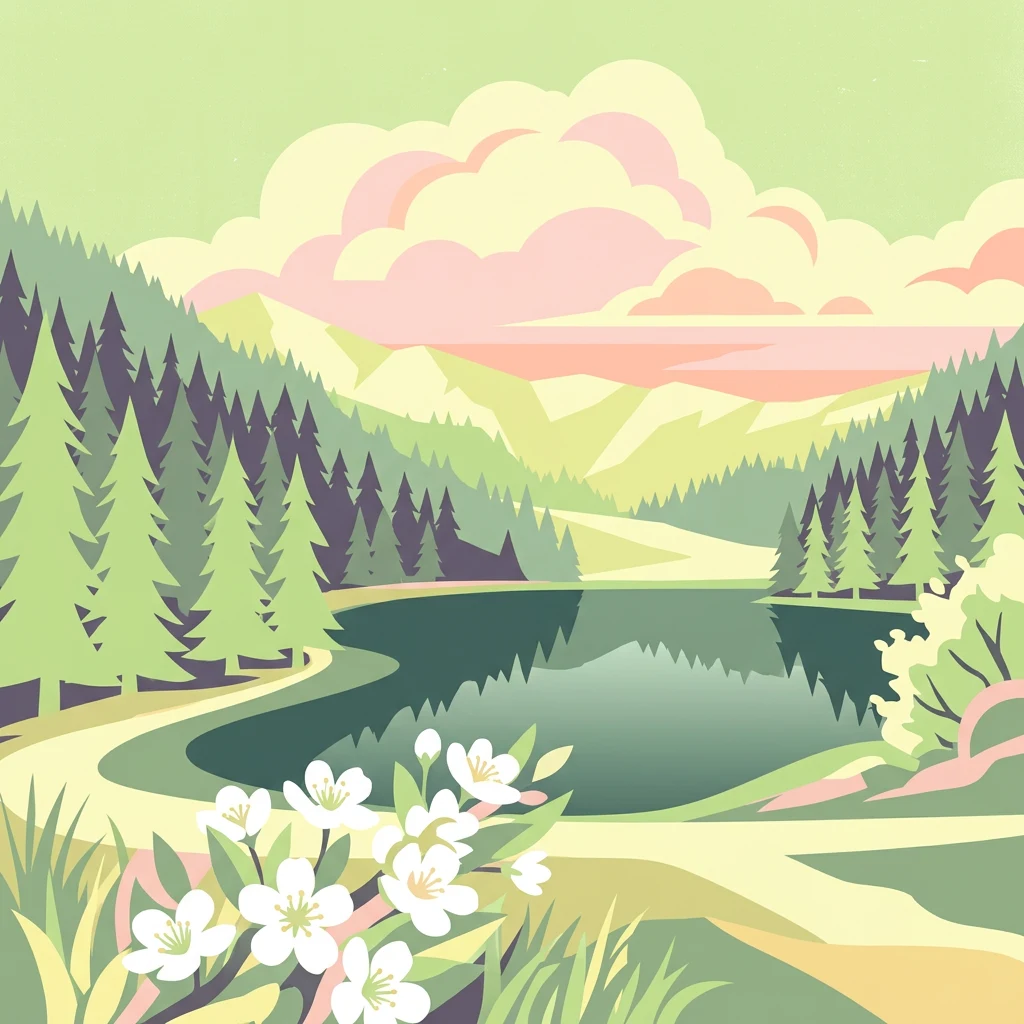
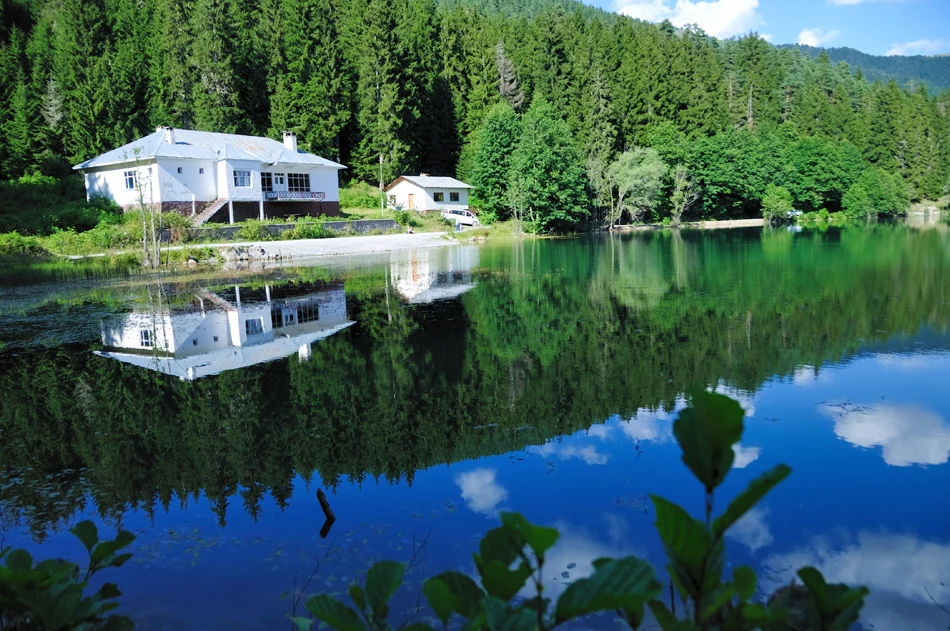
Karagöl-Sahara is best known for its dramatic highland setting, featuring one of Turkey's notable landslide lakes surrounded by dense Oriental spruce and Caucasian fir forests. The Sahara plateau at 1,700 to 1,800 meters elevation provides a contrasting landscape of alpine meadows and limited flat terrain in an otherwise steep mountainous region. The park's geological significance includes its Paleogene and Neogene sedimentary formations and the active landslide processes that created and continue to shape Karagöl lake. The combination of a natural mountain lake, alpine plateau landscapes, and rich biodiversity makes this park distinctive within Turkey's protected area system.
Karagöl-Sahara National Park history and protected-area timeline
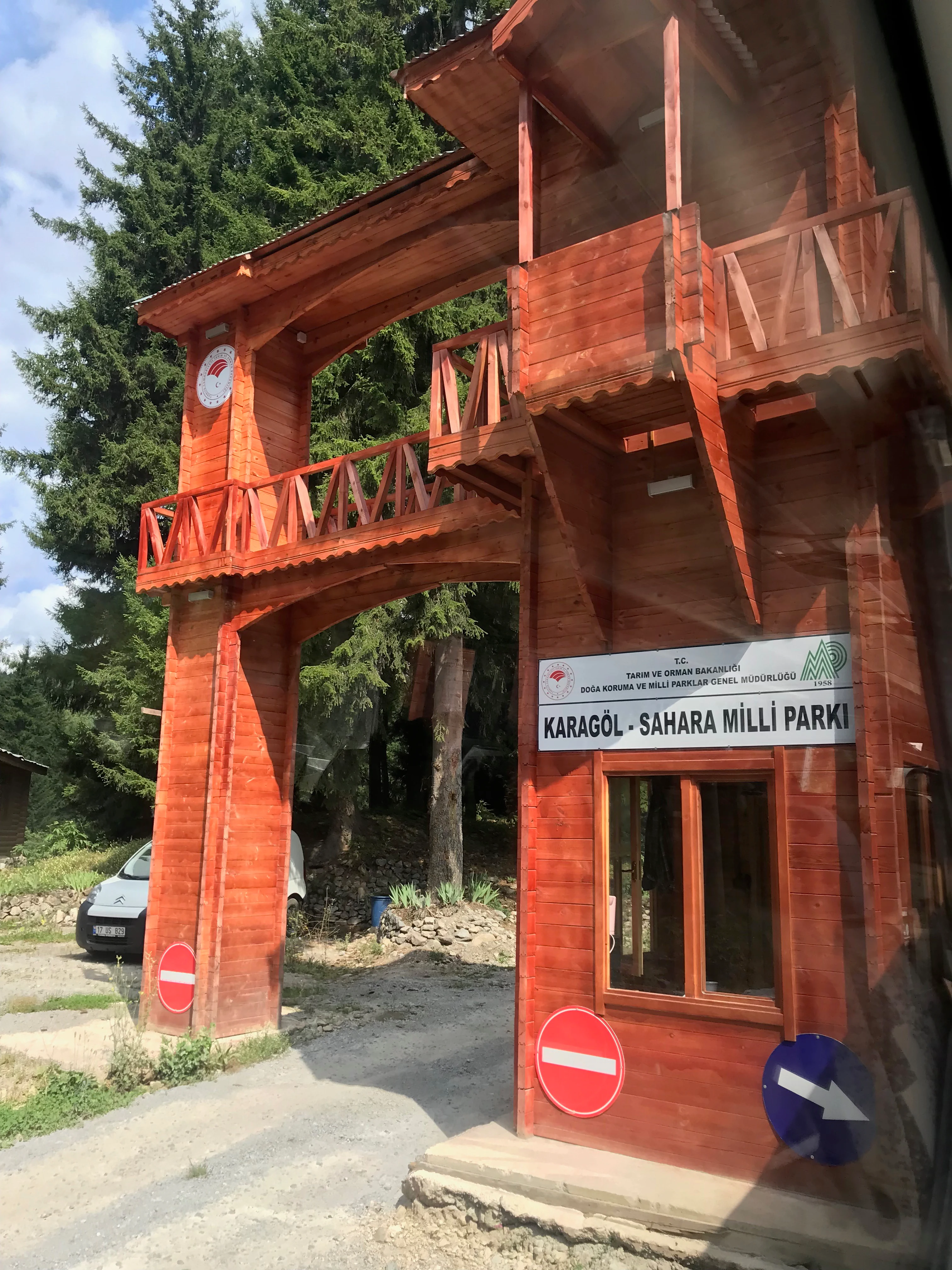
Karagöl-Sahara National Park was established on August 31, 1994, through designation by the Turkish Ministry of Forest and Water Management, becoming part of Turkey's national park system. The creation of the park responded to the need to protect the distinctive highland landscapes around Karagöl lake and the Sahara plateau, which had been subject to increasing recreational use and pressure on the natural environment. The region's history as a highland pasture area dates back centuries, with the plateau areas traditionally used for summer grazing by local communities. The creation of the protected area acknowledged both the geological significance of the landslide-formed Karagöl lake and the ecological value of the alpine and forest ecosystems. Management of the park falls under Turkey's national park administration, with the Ministry of Forest and Water Management overseeing protection and visitor access. The park continues to function as both a conservation area and a destination for highland recreation, with the Sahara plateau hosting the Sahara Carrot Festivals, a traditional celebration that draws visitors from beyond the immediate region.
Karagöl-Sahara National Park landscape and geographic character
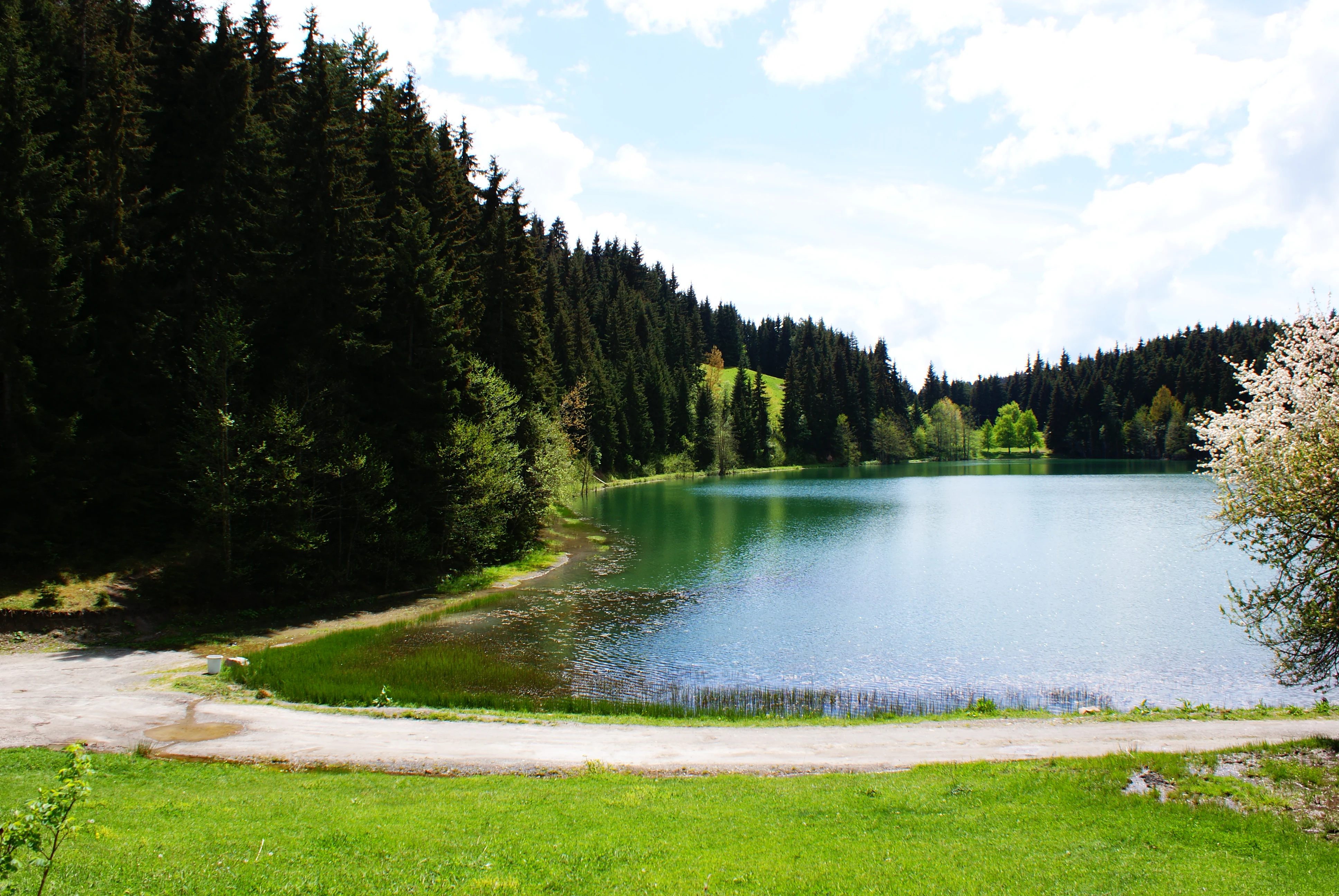
The landscape of Karagöl-Sahara National Park is defined by its high-altitude setting and the contrast between two distinct terrain types. Karagöl occupies a basin surrounded by forested slopes, with the lake itself forming a striking focal point where water meets dense conifer forest. The terrain around the lake shows clear evidence of landslide processes, with irregular topography and debris zones marking the events that created the lake. Valleys cut deeply into the surrounding terrain, creating steep-sided gorges and unstable slopes prone to mass movement. The Sahara plateau presents a markedly different character, representing one of the rare flat areas at this elevation in the rugged Black Sea highlands. Composed primarily of basalt with underlying Tertiary formations exposed where volcanic rocks have eroded, the plateau features gentle relief among the otherwise steep slopes. The sparse vegetation on the plateau accentuates the exposed rock and creates a landscape of open alpine meadows. Both areas share dramatic views across the surrounding mountains, with the combination of water, forest, and open highland creating a visually distinctive protected landscape.
Karagöl-Sahara National Park ecosystems, habitats, and plant life
The nature of Karagöl-Sahara National Park reflects its position in the Black Sea Region's montane and subalpine zones. The park supports an impressive botanical diversity with over 560 plant species recorded from 80 families, including 57 endemic species that occur nowhere else. The forest composition is dominated by Oriental spruce, which forms the primary tree species on the slopes surrounding Karagöl, while Caucasian fir occurs in mixed stands. At lower elevations within the park, Scots pine becomes more prevalent, creating a vertical zonation in the forest cover. The alpine zone above approximately 1,700 meters on the Sahara plateau features sparse conifer woodlands transitioning to open meadows with species adapted to harsh high-altitude conditions. Near Karagöl itself, the lake supports wetland vegetation including small reeds and aquatic plants in the shallow margins. The park lies within a region that experiences the Black Sea's humid climate, which sustains the conifer forests even at these high elevations, creating an ecological character distinct from the more arid interior Anatolian plateaus.
Karagöl-Sahara National Park wildlife and species highlights
The wildlife of Karagöl-Sahara National Park reflects the diverse habitats found in this highland protected area. Mammalian species present include brown bears, wolves, and lynx, representing the larger predators of the region, alongside more common species such as badgers, foxes, squirrels, rabbits, and wild boar. The combination of forest, alpine meadow, and lake habitats supports this carnivore community and their prey species. Birdlife is diverse, with species such as partridges, falcons, wild pigeons, crows, magpies, starlings, and jackdaws recorded within the park. The lake provides habitat for fish species including trout and carp, supporting both recreational fishing and aquatic food chains. Reptiles including various snakes, lizards, and turtles round out the vertebrate community. This fauna assemblage reflects the park's position in the Black Sea Region, where both European and Anatolian species ranges overlap, creating a mixed wildlife community typical of Turkey's northeastern mountains.
Karagöl-Sahara National Park conservation status and protection priorities
Karagöl-Sahara National Park represents an important protected area in Turkey's Black Sea Region, preserving both geological and ecological values in a single protected landscape. The park conserves Karagöl itself, a rare example of a landslide-formed lake in Turkey, along with the geological processes that continue to shape the terrain. The protection of the alpine and subalpine ecosystems on the Sahara plateau preserves habitats that are limited in extent across Turkey's mountainous regions. The botanical diversity, with 57 endemic plant species, underscores the ecological significance of the area and the need for continued protection of these specialized alpine and montane communities. By encompassing both the lake basin and the highland plateau, the park protects a complete altitudinal gradient from forest to alpine zone. The establishment of the park in 1994 formalized protection for an area that had been used for summer grazing and recreation, recognizing that sustainable management was needed to preserve the natural values that attract visitors to this distinctive highland landscape.
Karagöl-Sahara National Park cultural meaning and human context
The Karagöl-Sahara region has historically served as a summer grazing area for communities in the Şavşat district, with the highland pastures providing seasonal forage for livestock during the warmer months. The plateau areas, including the Sahara, represent traditionalTranshumance zones where herders moved their animals to escape the heat of lower elevations. This pastoral use has shaped the landscape over centuries, creating the semi-natural alpine meadows that characterize parts of the plateau today. The Sahara plateau continues to host the annual Sahara Carrot Festivals, a cultural celebration that brings together both local residents and visitors from beyond the district. This event provides economic benefits to the region through tourism and celebrates the cultural heritage of highland pastoralism. The park's proximity to Şavşat town, approximately 45 kilometers by road, connects the protected area to the local community, though much of the park's area remains undeveloped with limited infrastructure.
Top sights and standout views in Karagöl-Sahara National Park
Karagöl-Sahara National Park's most distinctive feature is Karagöl itself, a natural landslide lake surrounded by dark conifer forests at nearly 2,000 meters elevation, creating a striking visual combination of water, forest, and mountain. The Sahara plateau provides access to alpine landscapes with sweeping views across the Black Sea highlands, representing one of the few accessible high-elevation plateaus in the region. The park protects significant biodiversity, with over 560 plant species including 57 endemics, and provides habitat for brown bears, wolves, and lynx within its boundaries. The geological significance of the landslide-formed lake and active slope processes adds scientific value to the scenic attractions. The park also preserves the cultural tradition of highland pastoralism, with the annual Sahara Carrot Festivals maintaining connections to the region's rural heritage.
Best time to visit Karagöl-Sahara National Park
Karagöl-Sahara National Park can be visited throughout the warmer months from late spring through early autumn, when the high-elevation trails and plateau areas are accessible and the weather allows for outdoor activities. Summer months bring the most stable conditions for exploring both the lake area and the plateau, though they also coincide with the highest visitor numbers. The Sahara Carrot Festivals, held on the plateau during the summer season, draw additional visitors seeking to experience local cultural traditions. Spring and early summer bring blooming alpine flora, while autumn offers changing colors in the surrounding forests. Winter access is limited due to snow at the higher elevations, though the ski slope at Bagat near Karagöl suggests potential for winter recreation when conditions permit. The high elevation means that visitors should prepare for cooler temperatures than in the lower valleys, even during summer.