
Why Mtirala National Park stands out
Mtirala National Park is best known for its extraordinary biodiversity and its role as a global raptor migration corridor. The park sits along the "Batumi bottleneck," where more than one million raptors of 35 species pass through each autumn, including more than half of the global populations of the booted eagle and European honey buzzard. The park also protects exceptional Colchic relict forests, ancient woodland types that survived climatic changes and now represent a critical conservation priority. The extremely humid climate supports wetland ecosystems and vegetation communities found nowhere else on Earth, with species such as sweet chestnut and Oriental beech dominating the canopy while pontic rhododendron, cherry laurel, and Colchic box form dense understories.
Mtirala National Park history and protected-area timeline
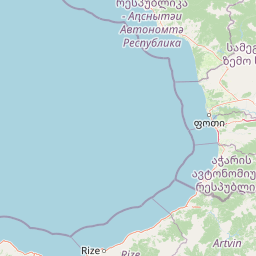
Mtirala National Park was established in 2006 as part of Georgia's expanding network of protected areas. Prior to national park designation, the territory functioned as the Tsiskara Reserve, providing a foundation for conservation of the region's unique ecosystems. The establishment reflected growing recognition of the Colchic forest ecosystem's international significance and the need to protect the exceptional biodiversity of Georgia's western mountainous regions. Management responsibility rests with Georgia's Agency of Protected Areas, which oversees visitor access and conservation programs. The park's administrative facilities are located in the town of Chakvta within the Kobuleti Municipality. The 2021 UNESCO World Heritage inscription as part of the Colchic Rainforests and Wetlands marked a significant milestone, bringing international recognition and support for long-term conservation of this extraordinary landscape.
Mtirala National Park landscape and geographic character
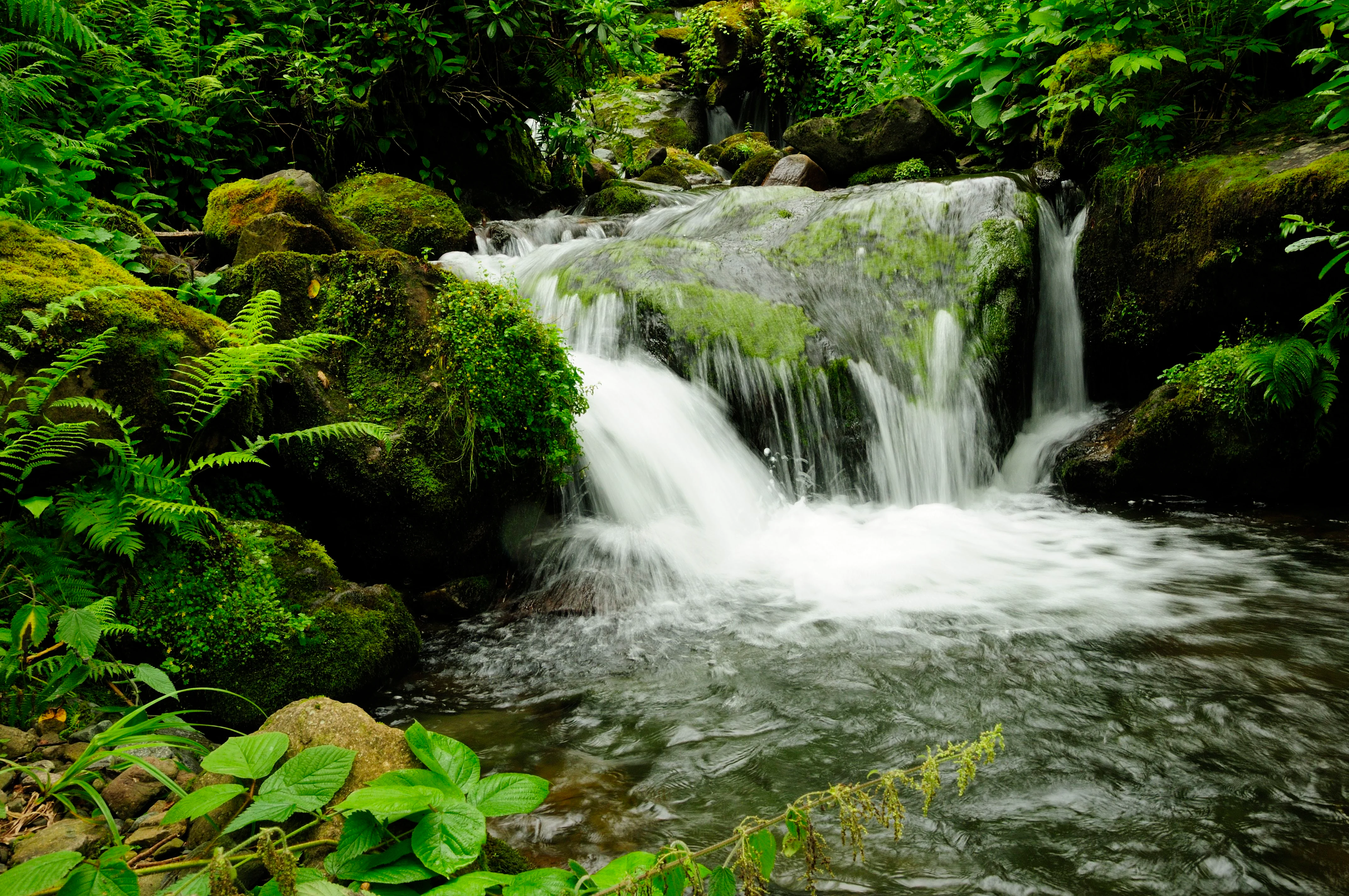
The physical landscape of Mtirala National Park is defined by its position on the Kobuleti-Chakvta ridge system, where the terrain rises from the Black Sea coastal plain toward the Adjara mountains. The underlying geology consists of Middle Eocene volcanic-sedimentary rocks, known locally as the "Nakhustsktsikveti volcanic-sedimentary suite," which influence soil development and drainage patterns throughout the park. The park occupies the watershed between the Chakvistskali and Khoristskali rivers, with numerous smaller streams descending through the forest. The terrain ranges from gentle slopes in the lower elevations to more steeply dissected terrain in the higher zones, with the mountains creating the funnel-like topography that channels moisture-laden air from the Black Sea. This topographic funnel effect is the primary driver of the exceptional rainfall that characterizes the area, with moisture-laden air from the sea rising against the mountain slopes and releasing precipitation. The combination of high rainfall, moderate temperatures, and complex topography has produced the conditions for development of the rich forest ecosystems that define the park's character.
Mtirala National Park ecosystems, habitats, and plant life
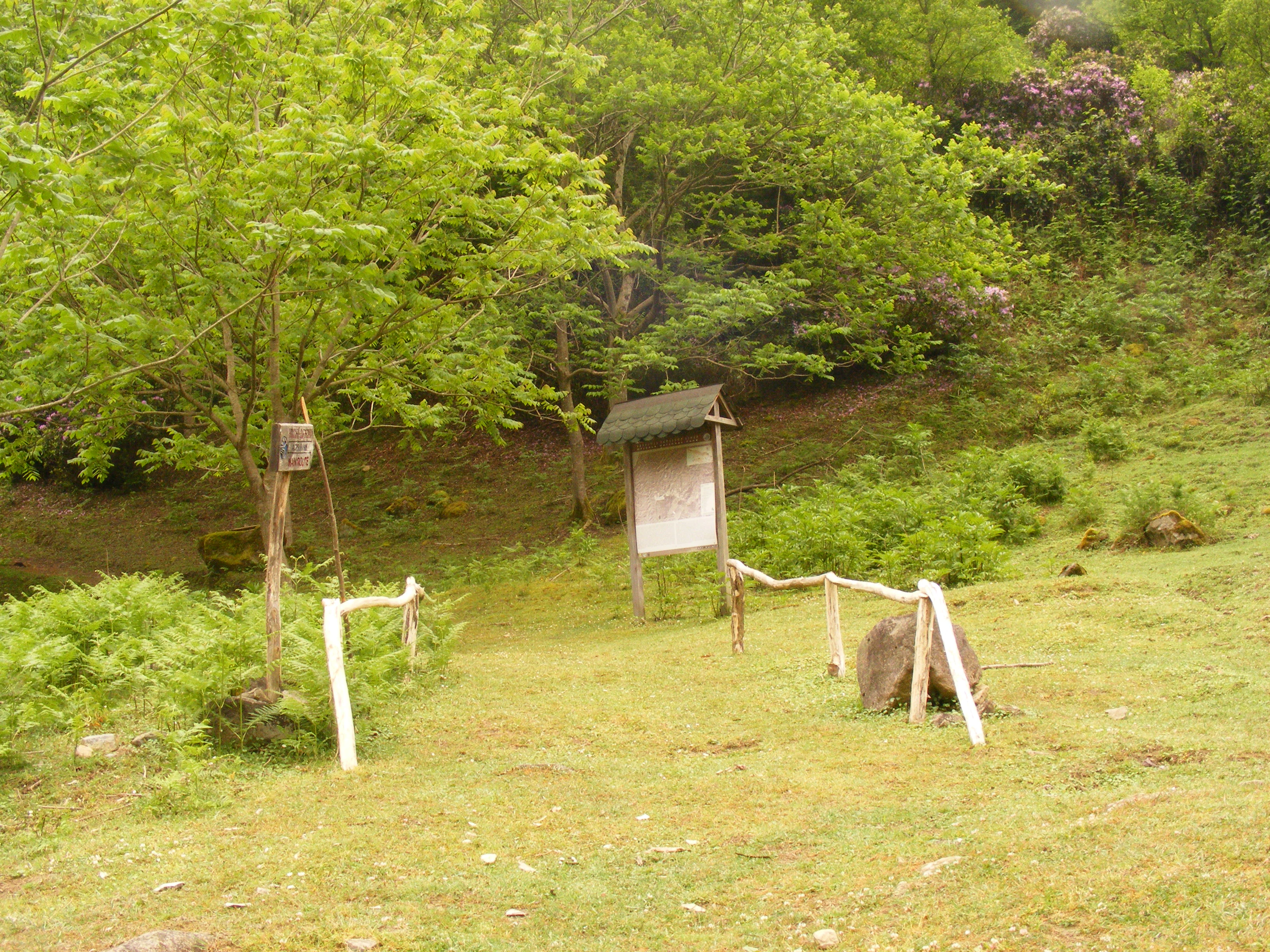
The natural ecosystems of Mtirala National Park represent one of the most significant remaining examples of Colchic vegetation in the Caucasus. The park lies within the Euxine–Colchic broadleaf forests ecoregion, characterized by species that survived the Pleistocene in this humid refugium and now form communities found nowhere else in the world. Forest types within the park include sweet chestnut-dominated woodlands, Oriental beech forests, and Colchic-type mixed forest. The understory is exceptionally well-developed, featuring pontic rhododendron forming dense thickets, cherry laurel, and Colchic box. The high humidity supports abundant lianas, including species of ivy and Clematis, creating a layered canopy structure. Wetland ecosystems add to the habitat diversity, with streams, seeps, and marshy areas supporting distinctive plant communities. The combination of old-growth forest characteristics, structural complexity, and the presence of relict species makes these forests of outstanding conservation importance at the global level.
Mtirala National Park wildlife and species highlights
The wildlife community of Mtirala National Park reflects the park's position at the crossroads of European and Asian biogeographic regions. Mammals present include brown bear, roe deer, and wild boar, representing the larger mammals that inhabit the forest. The Caucasian squirrel and Persian squirrel are present in the forest canopy, along with other small mammals including hare, fox, and marten. The birdlife is particularly notable, both for resident species and for the extraordinary raptor migration. Resident birds include booted eagle, eagle-owl, and golden oriole, with the booted eagle being especially significant as more than half of the global population passes through the park during migration. The European honey buzzard similarly uses this migratory corridor in large numbers. Amphibians are well-represented, with the Caucasian salamander, Caucasian toad, and marsh frog occupying the park's streams and wetlands. Reptiles include the Caucasian viper and several species of lizard and snake. The convergence zone for migratory raptors, known as the Batumi bottleneck, sees more than one million individuals of 35 species pass through each autumn, making this one of the most significant raptor migration routes in the world.
Mtirala National Park conservation status and protection priorities
Mtirala National Park represents a critical component of global conservation efforts for Colchic forest ecosystems. The inclusion of the park in the UNESCO World Heritage List as part of the Colchic Rainforests and Wetlands in 2021 reflects international recognition that these forests constitute outstanding universal value requiring protection. The relict nature of Colchic forests means they have survived climatic changes that eliminated similar forests elsewhere, making them irreplaceable repositories of evolutionary history and genetic diversity. The extremely high rainfall and the presence of wetlands add further conservation value, supporting species and communities adapted to humid conditions. The raptor migration corridor adds a global dimension to the park's significance, as the concentration of migratory birds—particularly the booted eagle and European honey buzzard—represents a conservation responsibility that extends beyond national boundaries. The protection of habitat along this flyway is essential for maintaining healthy populations of these species across their ranges.
Mtirala National Park cultural meaning and human context
Mtirala National Park is situated within Adjara, an autonomous republic of Georgia with a distinct cultural identity and history. The region's connection to the landscape is reflected in the place name itself—Mtirala derives from the Georgian word for "to cry," a reference to the extraordinary rainfall that characterizes the area. Local communities have lived in this region for generations, with traditional land use patterns shaping the cultural landscape. The park's establishment in 2006 represented a transition in how the region's natural resources are managed, moving from resource extraction toward conservation-based approaches. TheAdjara mountains have historically served as a boundary and transition zone between different cultural and linguistic communities, contributing to the region's complex identity. The park provides opportunities for visitors to experience this landscape while supporting the local economy through tourism activities.
Top sights and standout views in Mtirala National Park
Mtirala National Park stands out as one of the wettest places on Earth, with annual rainfall exceeding 4,500 mm creating a unique environment of exceptional humidity. The park protects globally significant Colchic relict forests that represent ancient woodland ecosystems, now recognized through UNESCO World Heritage status. The extraordinary raptor migration—the Batumi bottleneck—sees more than one million birds of prey pass through each autumn, including over half of the world's booted eagles and European honey buzzards. The combination of remarkable biodiversity, unique vegetation communities, and the extreme climatic conditions makes Mtirala one of the most distinctive protected areas in the Caucasus region.
Best time to visit Mtirala National Park
The best time to visit Mtirala National Park depends on what visitors hope to experience. The summer months of June through August offer warm conditions and full access to hiking trails, though this is also the period of highest rainfall. Spring and early summer bring active wildlife and bird activity, while autumn is marked by the extraordinary raptor migration, with September and October offering the chance to witness the passage of thousands of birds of prey. Winter visits are possible but may have restricted access due to weather conditions. The park's heavy rainfall means visitors should be prepared for wet conditions regardless of season, with appropriate footwear and rain gear essential for exploring the trail network.