
Why Kolkheti National Park stands out
Kolkheti National Park is best known for its extensive wetland ecosystems and unique deciduous wetland forests that form part of the Colchic Rainforests and Wetlands, a UNESCO World Heritage Site. The park protects one of the largest remaining tracts of coastal peat bogs in the Black Sea region, with peat layers exceeding 12 meters in thickness, representing 4,000 to 6,000 years of accumulation. The wetlands serve as a vital migratory bird corridor, hosting 194 bird species including 21 species during seasonal migrations. The park also contains Lake Paliastomi, a significant freshwater lake within the coastal wetland system, and supports populations of endangered mammals including otter, roe deer, and wild boar.
Kolkheti National Park history and protected-area timeline
The Kolkheti region possesses a remarkable historical legacy extending to antiquity. During the Tertiary period, this area formed part of a tropical and partly subtropical zone that stretched across Eurasia. Around 2000 BC, the first Georgian state, known as Kolkheti or Colchis, was established here—the same Colchis featured in Greek mythology as the realm of the Golden Fleece and the domain where Jason and the Argonauts sought the legendary golden fleece. The favorable geography and natural conditions of the region attracted Milesian Greek colonists in the 6th-5th centuries BC, who established trading posts at Phasis (modern Poti), Gyenos, and Sukhumi. The area later came under Roman influence, with major fortresses established along the coast. In modern times, large-scale drainage operations undertaken by Soviet authorities in the 1920s had a devastating impact on the wetland ecosystem, leading to the establishment of a small 500-hectare Kolkheti State Nature Reserve in 1947. Recognizing the exceptional scientific and heritage value of the surrounding wetlands, the area was designated as a Ramsar Site in 1996, paving the way for the formal establishment of Kolkheti National Park between 1998 and 1999, with financial support from the World Bank and Global Environmental Facility. The park opened to tourism in 2007.
Kolkheti National Park landscape and geographic character
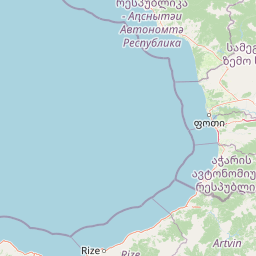
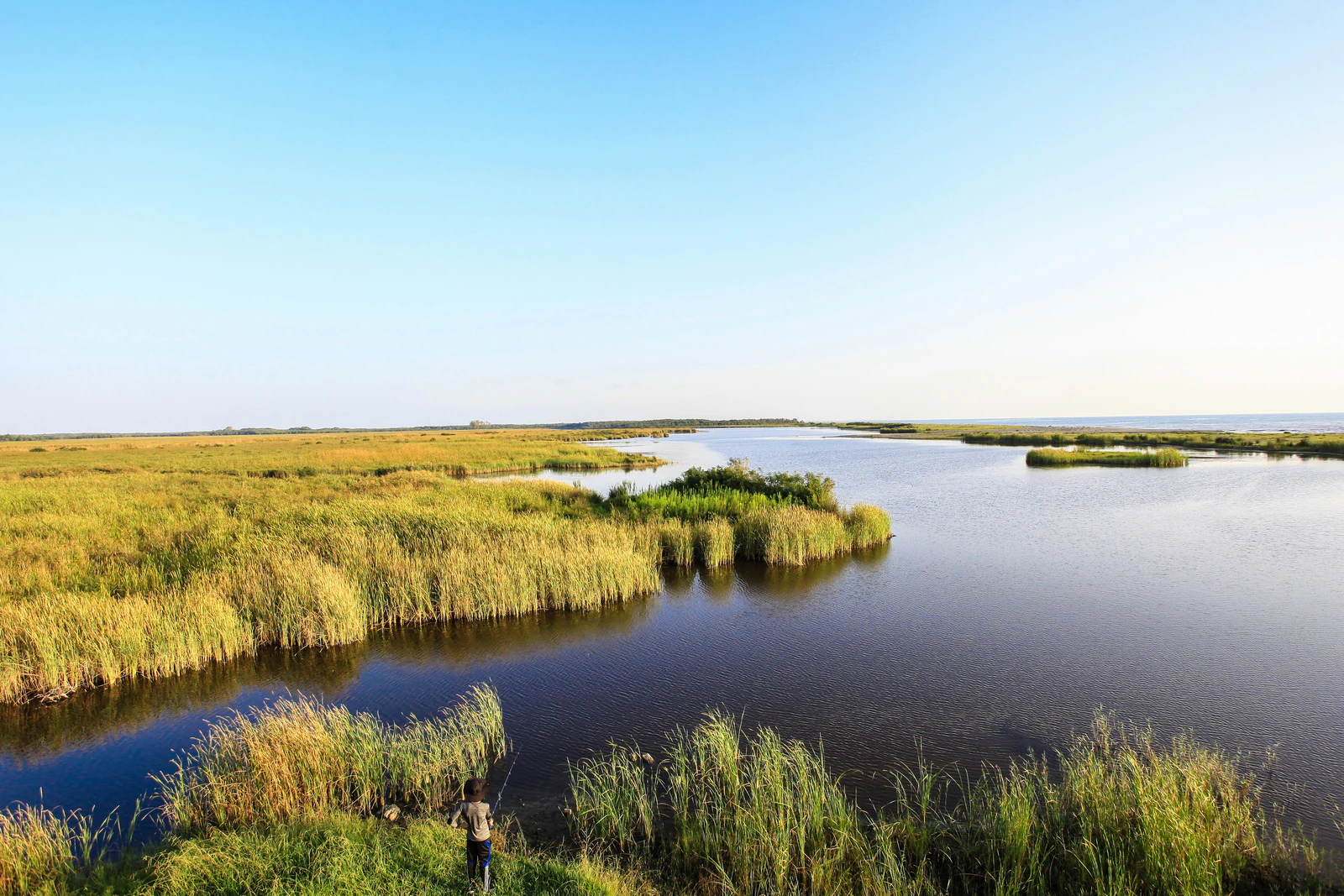
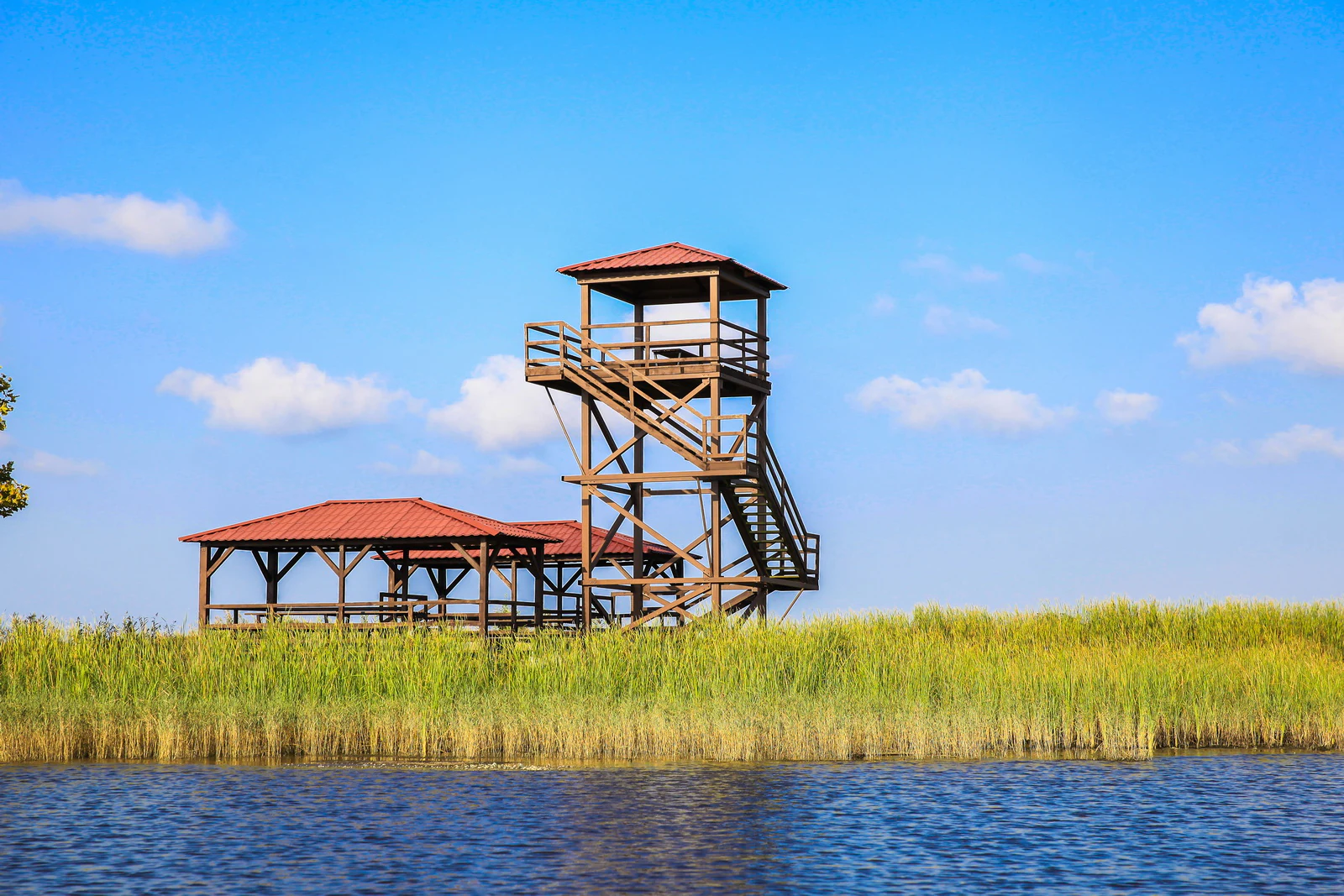
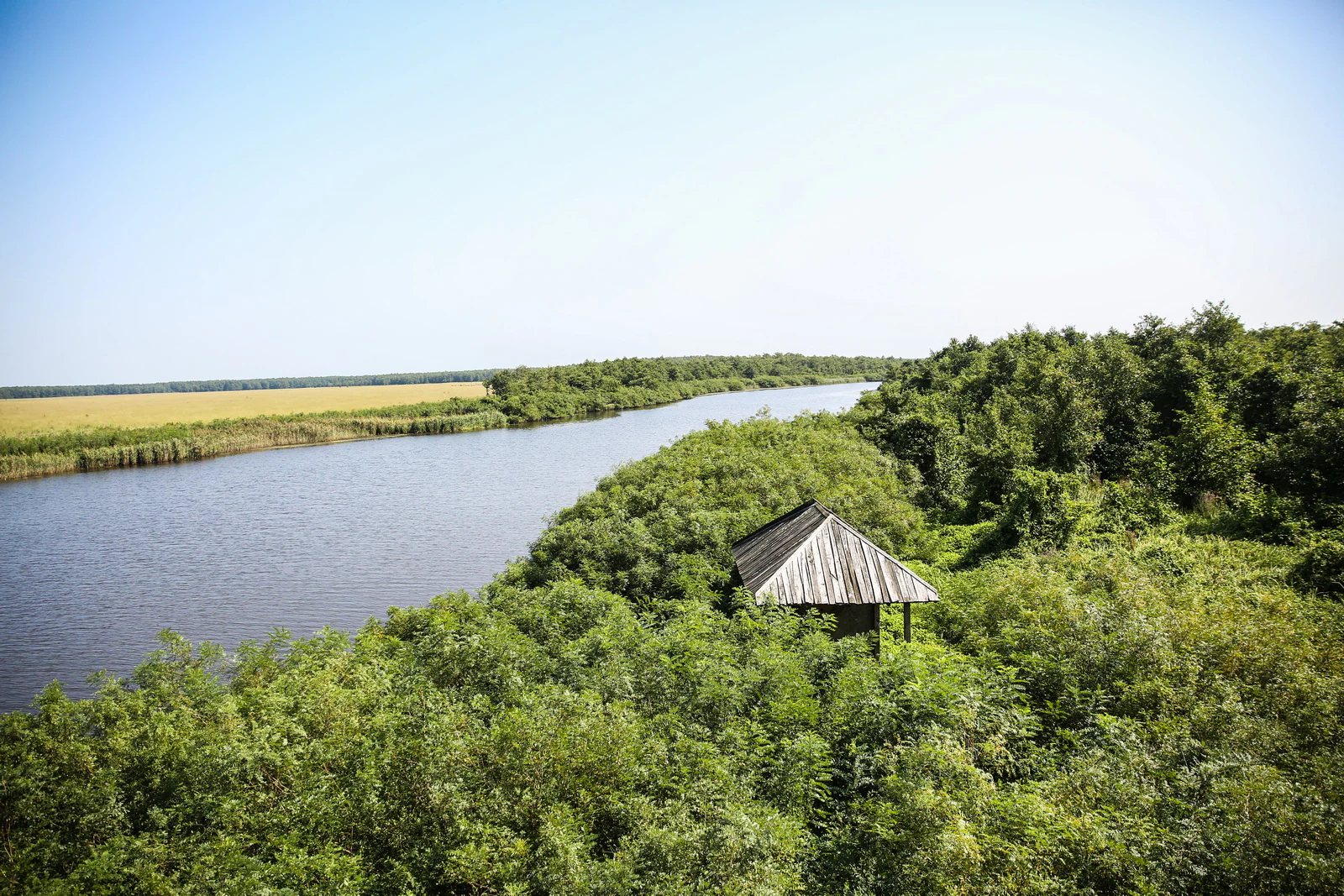
The landscape of Kolkheti National Park is defined by its low-lying coastal position on the Black Sea plain, creating an environment fundamentally shaped by water. The terrain consists almost entirely of flat coastal plain at elevations ranging from sea level to approximately 10 meters, with the park's eastern boundary extending into slightly higher ground. The most distinctive landscape feature is the narrow dune ridge that parallels the Black Sea coast, rising 2 to 3 meters above the surrounding plain and extending 100 to 200 meters inland from the shoreline. Behind this coastal barrier lies an extensive system of wetlands, marshes, and peat bogs that dominate the park's interior. The peat bog landscape is particularly remarkable, with deposits in some areas exceeding 12 meters in thickness—the result of clay, sand, silt, and organic material accumulating over the last 4,000 to 6,000 years. Several distinct peat bogs are distributed across the coastal plain, including Anaklia, Churia, Nabada, Imnati, Maltakva, Grigoleti, and Pichori. The park contains numerous lakes of varying sizes, with Lake Paliastomi being the largest and most significant, connected to the sea through natural channels. Numerous small, slow-flowing rivers including the Pichori, Kukani, Dedabera, Tkhorina, Tsia, Tsiva, Churia, and Munchia traverse the wetland system, their waters ultimately feeding the coastal lagoon complex.
Kolkheti National Park ecosystems, habitats, and plant life
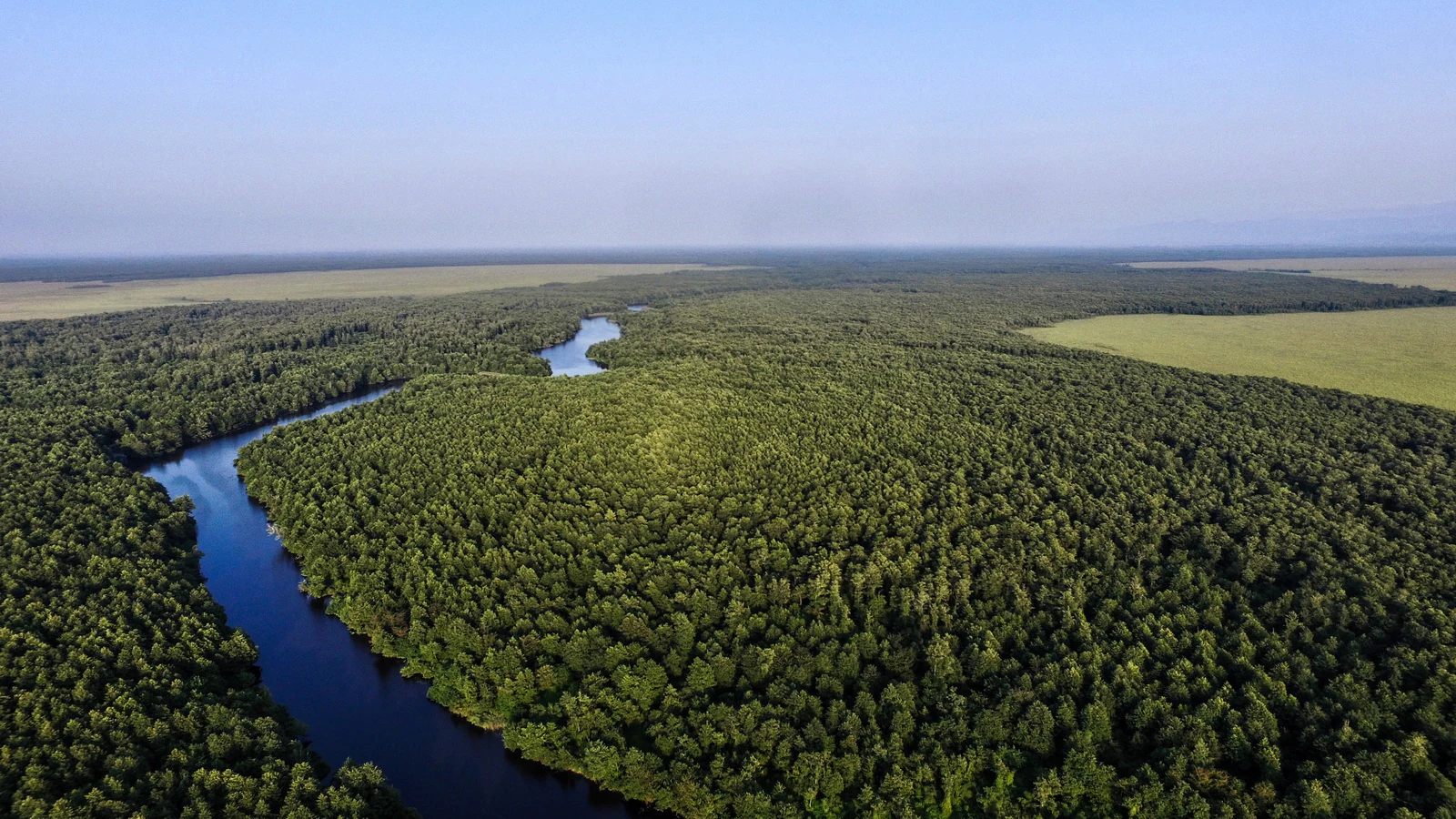
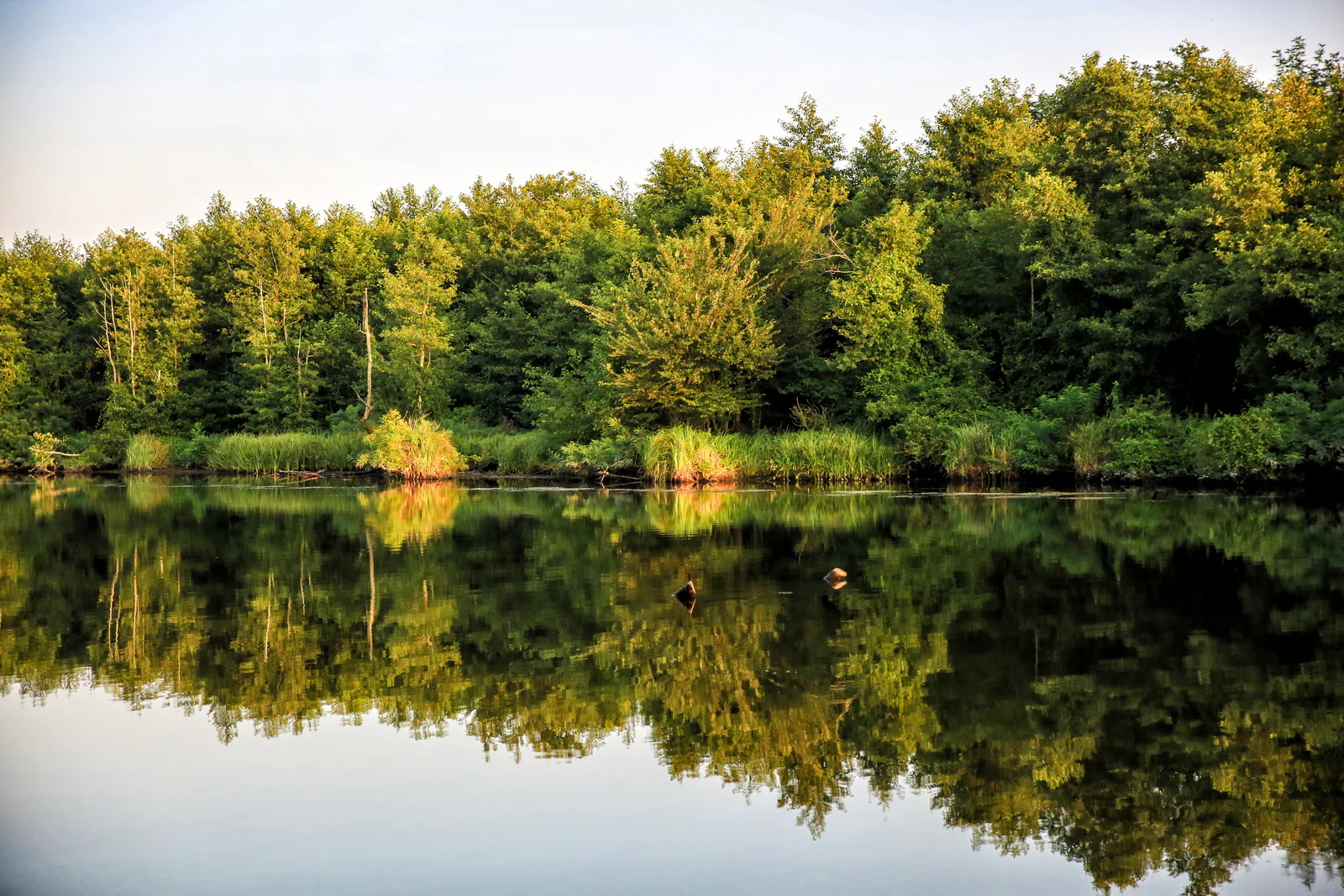
The ecological character of Kolkheti National Park is defined by its extensive wetlands and deciduous wetland forests, which support exceptional biodiversity in the Black Sea region. The park's warm and humid climate, with annual rainfall ranging from 1,500 to 1,600 millimeters distributed relatively evenly throughout the year, creates conditions ideal for wetland development and supports lush vegetation growth. The wetland forests are dominated by bearded alder, a species particularly adapted to saturated soils, along with several species of willows, oaks, and common ash. The understory contains evergreen species including Hedera colchica, while endemic oak species such as Quercus imeretina, Quercus dshorochensis, and Quercus hartwissiana represent significant botanical treasures. The coastal peat bogs support specialized plant communities including sphagnum mosses, Drosera rotundifolia, Rhynchospora alba, Carex lasiocarpa, and Menyanthes trifoliata. Aquatic vegetation is abundant throughout the lake and river systems, with species such as Nymphaea alba common in the park's hydrological habitats. The combination of wetland, forest, and aquatic habitats creates a complex ecological mosaic that supports remarkable species diversity.
Kolkheti National Park wildlife and species highlights
Kolkheti National Park supports significant wildlife populations across its wetland, forest, and marine habitats. The park's swamps and wetland forests are home to several endangered mammal species including roe deer, wild boar, otter, and the southern banded newt (Triturus vittatus). A population of coypu has also been introduced to the area. The park is particularly notable for its herpetofauna, supporting the Caucasian subspecies of common treefrog, marsh frog (Rana ridibunda), and numerous snake species including the ringed snake, dice snake, slowworm, and the more rarely encountered Aesculapian snake. The European pond turtle (Emys orbicularis) and Artwin wood lizard are also present. The marine waters of the park support three dolphin species: Delphinus delphis, Tursiops truncates, and Phocoena phocoena. The bird fauna is exceptional, with 194 species recorded including 21 migratory species. Several bird species found here are threatened and listed in the IUCN and Georgian Red Books, including the black stork, crane, and great white egret. The park also supports populations of white-tailed sea eagles, great crested grebes, various herons, ibises, spoonbills, and diverse waterfowl.
Kolkheti National Park conservation status and protection priorities
Kolkheti National Park represents one of the most significant conservation areas in the Caucasus region, protecting coastal wetland ecosystems of international importance. The wetlands of Central Kolkheti were designated as a Wetland of International Importance under the Ramsar Convention in 1997, recognizing their outstanding universal value as a habitat for waterfowl and their role in coastal protection and flood regulation. The park's significance was further elevated in 2021 when it became part of the UNESCO World Heritage-listed Colchic Rainforests and Wetlands, making it one of the few World Heritage sites in the Caucasus region. The protected area incorporates the land of the former Kolkheti State Nature Reserve, which was established in 1947 but was insufficient to protect the broader wetland ecosystem. The park faces ongoing conservation challenges, including pressure from oil and gas activities in adjacent marine areas that conflict with the designated protected zone. Despite these challenges, the park continues to serve as a critical refuge for threatened species and as a living laboratory for understanding coastal wetland ecology.
Kolkheti National Park cultural meaning and human context
The Kolkheti region holds profound cultural significance in Georgian history and mythology, representing one of the earliest centers of Georgian statehood. The area formed the heart of ancient Colchis, the first Georgian state established around 2000 BC, which is credited with minting the first Georgian coinage, the Kolkhuri Tetri. Colchis occupies a prominent place in Greek mythology, famously serving as the destination of Jason and the Argonauts in their quest for the Golden Fleece. According to legend, this was also where Prometheus was chained and punished for bringing fire to humanity. The region was subsequently colonized by Milesian Greeks in the 6th-5th centuries BC, establishing trading settlements that would become important nodes in ancient maritime trade networks. The indigenous population included various tribes such as the Laz, Machelones, and Heniochi, who maintained settlements along the Black Sea coast. This rich historical legacy, spanning millennia from ancient statehood through Greek colonization to the present day, imbues the landscape with cultural meaning beyond its ecological value.
Top sights and standout views in Kolkheti National Park
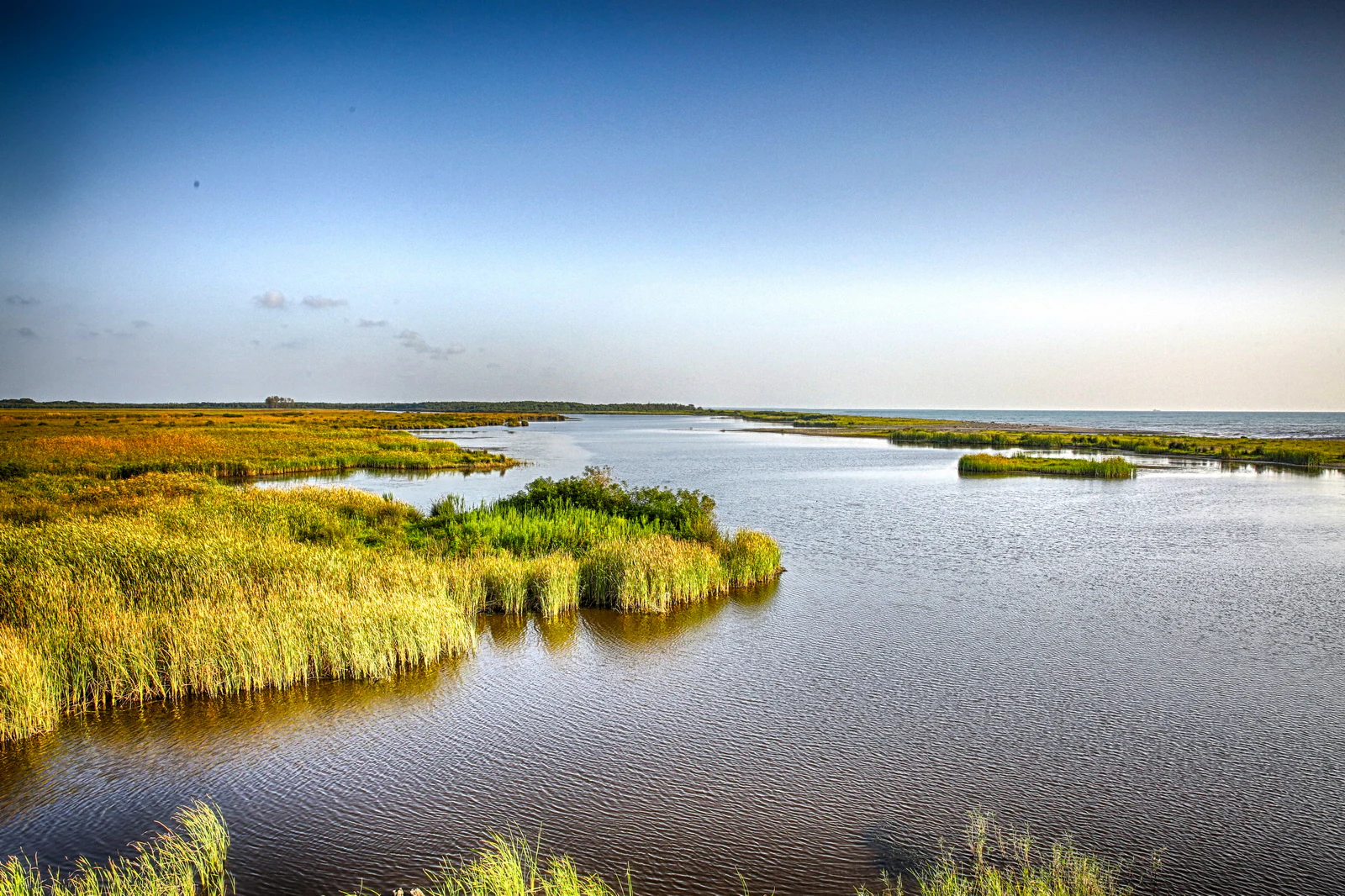
Kolkheti National Park offers visitors an exceptional opportunity to experience one of the Black Sea region's most important wetland ecosystems. The park's Lake Paliastomi and Pichori River support boating tours ranging from 3 kilometers to over 10 kilometers in length, providing intimate access to the wetland environment. Bird watching is a particularly rewarding activity, with the park's position along the East Atlantic Flyway making it a crucial stopover for migratory waterfowl and waders. The diversity of habitats—from open water and marshes to peat bogs and forested wetlands—creates excellent conditions for observing a wide range of species. The park's recent inclusion as part of the Colchic Rainforests and Wetlands World Heritage Site underscores its global significance and the exceptional quality of its natural heritage. Visitors can also engage in diving, hiking, and horse riding activities, though the park's primary appeal lies in its wildlife and landscape observation opportunities.
Best time to visit Kolkheti National Park
The best time to visit Kolkheti National Park depends on the type of experience sought, though the park offers year-round interest. The warm and humid climate means that summer months from June through August typically offer the most stable weather, with average temperatures around 22 degrees Celsius, though heat waves can push temperatures to 34 degrees Celsius. Spring and autumn provide milder conditions and are particularly favorable for bird watching, as these seasons correspond with the major migratory bird passages when the park hosts its highest concentrations of waterfowl and waders. Winter months, particularly January with average temperatures around 4.5 degrees Celsius, offer a different character with fewer visitors and the opportunity to observe overwintering species. The park experiences relatively even precipitation throughout the year, so visitors should be prepared for rain at any time. Heavy coastal winds are periodical, particularly during the cooler months, which can affect some outdoor activities.