
Why Kaçkar Mountains National Park stands out
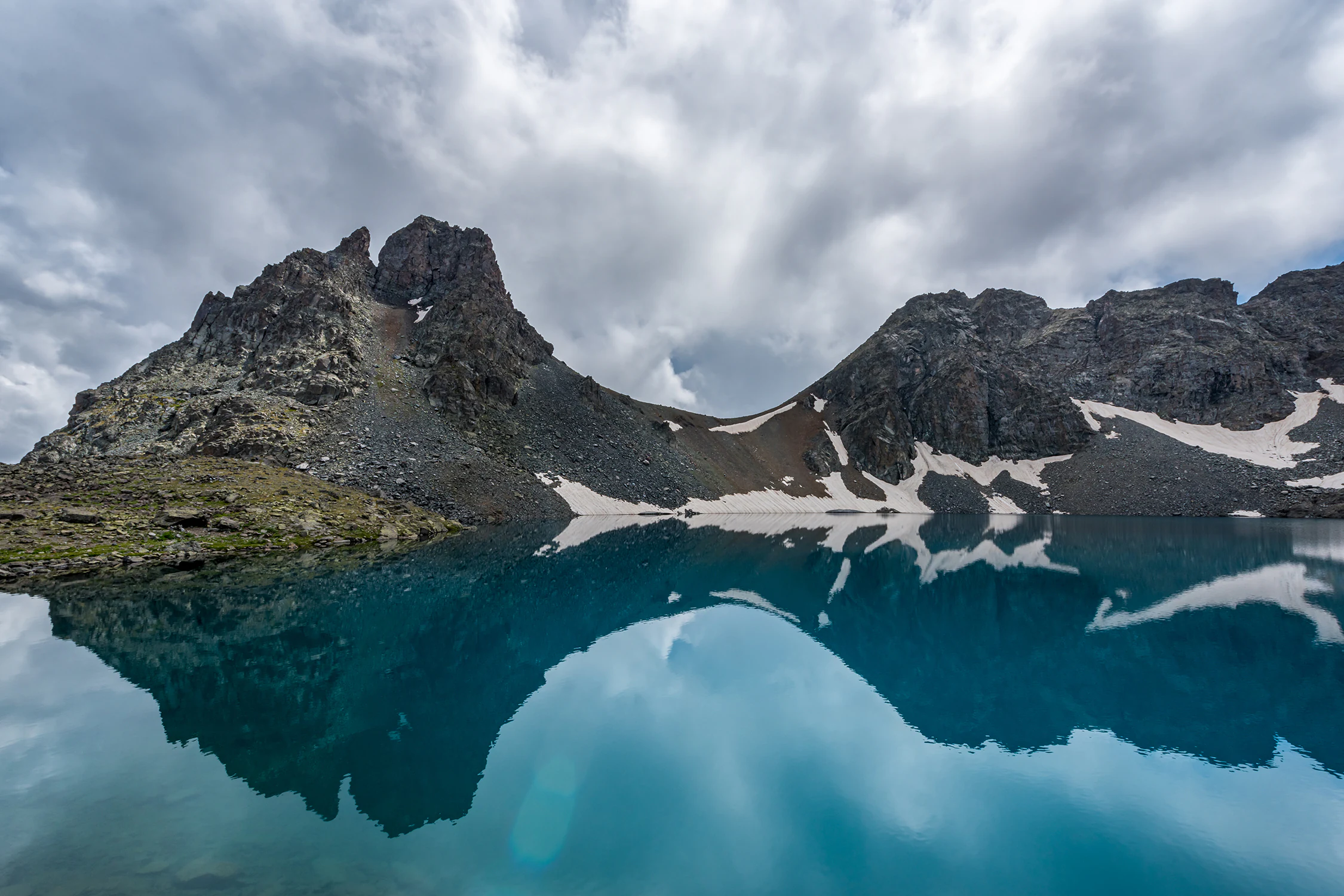
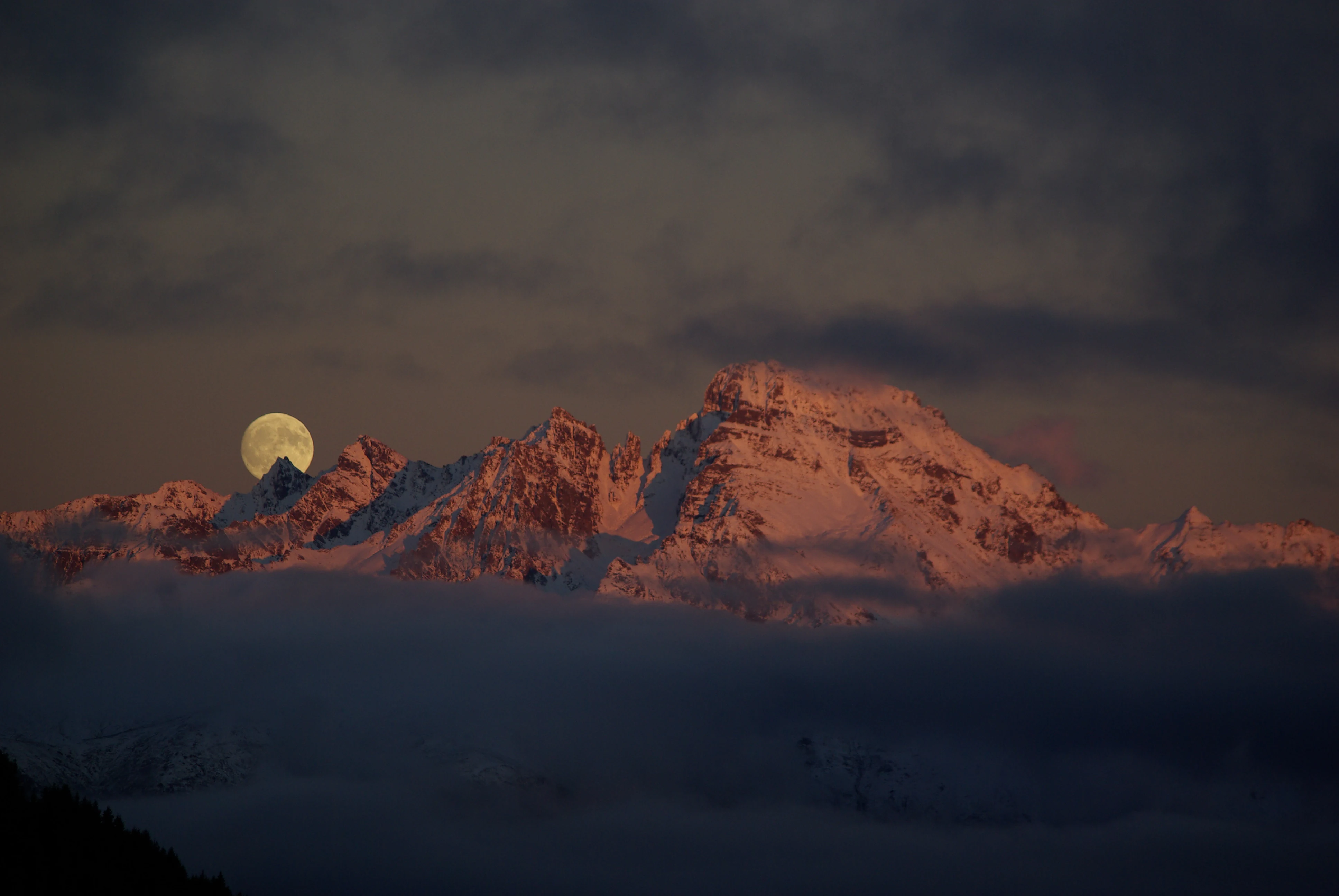
The park is best known for its soaring alpine peaks, dramatic glacial valleys, and the distinctive cultural landscape of the Kaçkar highlands. The mountains feature glacier-capped summits, turquoise highland lakes, and sweeping ridgeline views that define one of Turkey's most spectacular mountain environments. The area is also renowned for traditional highland settlements where semi-nomadic Yayla culture persists during summer months.
Kaçkar Mountains National Park history and protected-area timeline
Kaçkar Mountains National Park was established as part of Turkey's expanding network of protected areas during the late twentieth century. The designation reflected growing recognition of the Kaçkar range's unique alpine character and its significance as Turkey's primary high-mountain landscape in the Black Sea region. Prior to formal protection, the area had long been used by local communities for seasonal grazing and transhumance practices, with traditional Yayla settlements occupying highland meadows during summer months. The establishment of the national park aimed to balance continued traditional use with conservation of the area's outstanding natural values.
Kaçkar Mountains National Park landscape and geographic character
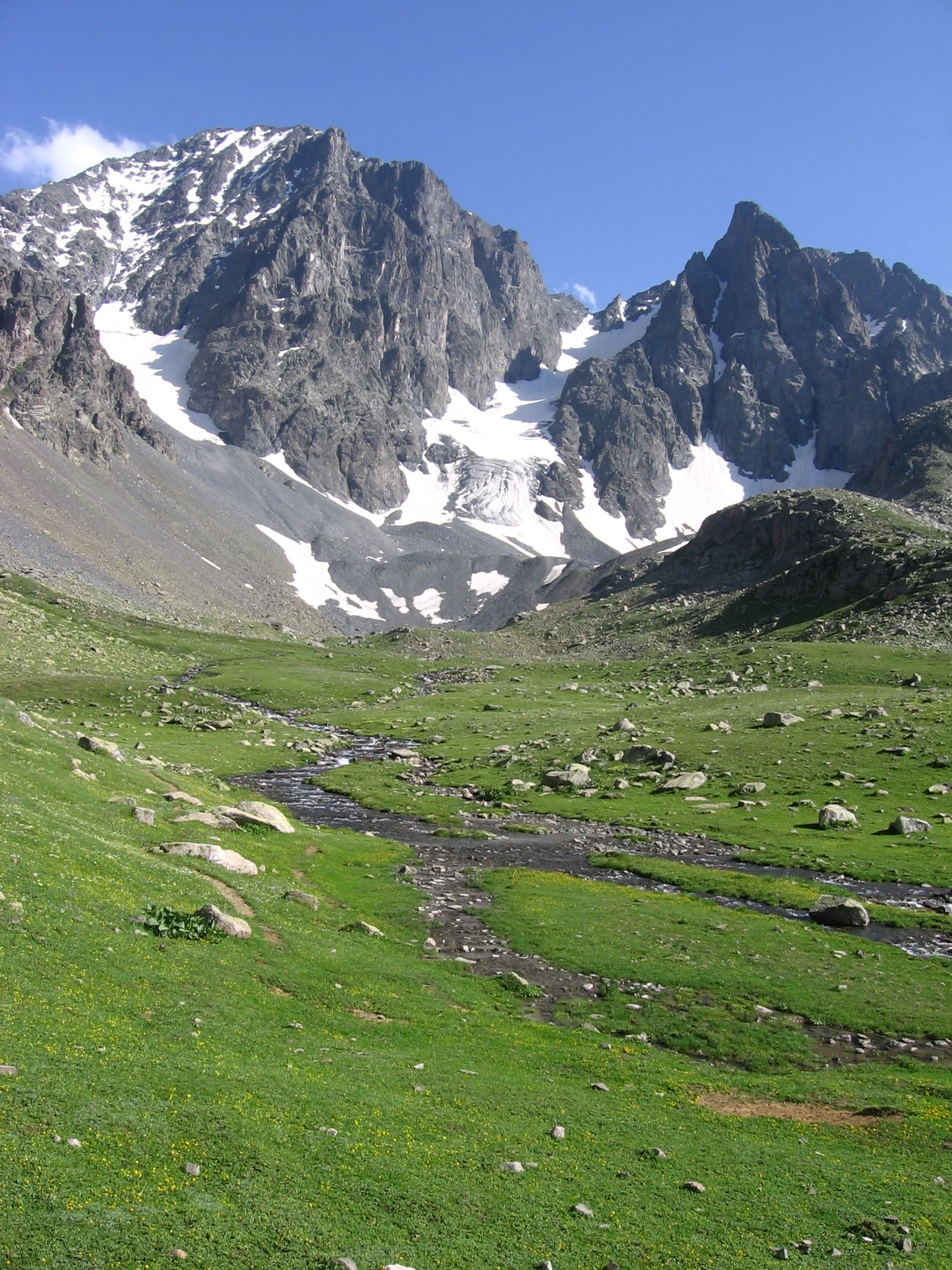
The Kaçkar landscape presents an impressive array of high-mountain landforms sculpted by glacial activity. The range features sharp pyramidal peaks, extensive cirques, and dramatic ridgelines that form the backbone of northeastern Turkey. Valley floors contain streams fed by snowmelt and glacial runoff, which descend through steep-walled canyons toward the Black Sea. Alpine meadows spread across valley bottoms and lower slopes during the brief summer growing season, while exposed rock and permanent snow occupy the highest elevations. The contrast between the lush, humid forests of lower elevations and the stark alpine zone above creates a visually striking environmental gradient.
Kaçkar Mountains National Park ecosystems, habitats, and plant life
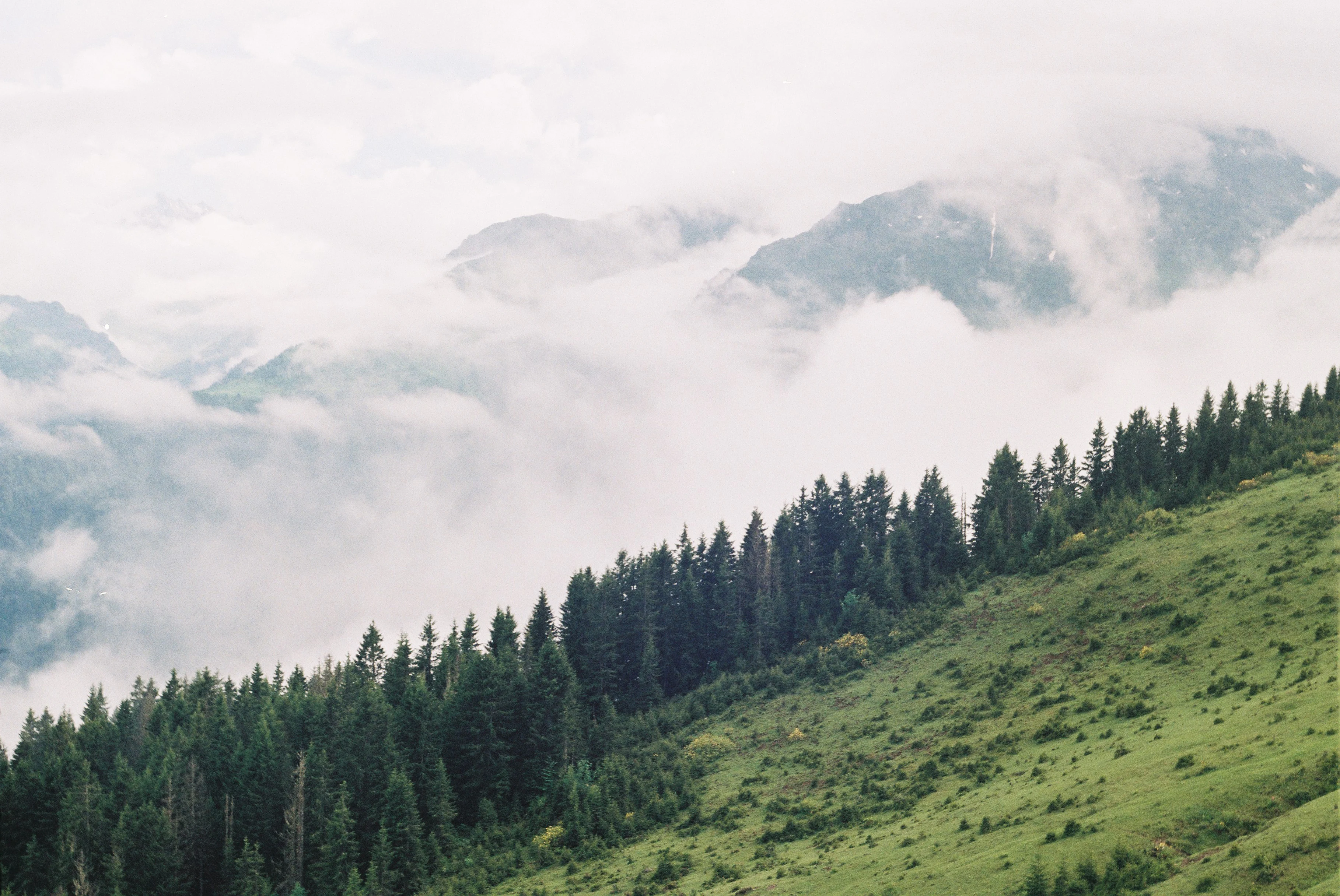
The Kaçkar Mountains occupy a biogeographically significant position at the convergence of several ecological zones. The vertical extent of the range—from near sea level to over 3,000 meters—creates diverse habitat conditions within a compact area. Lower slopes support rich deciduous and mixed forests characteristic of the Black Sea region, while subalpine zones give way to alpine meadows and eventually to sparse high-altitude vegetation. The park's position near the southern limit of many temperate species' ranges adds to its ecological importance.
Kaçkar Mountains National Park wildlife and species highlights
The diverse habitats within the Kaçkar Mountains support a variety of wildlife species adapted to the region's varied elevations and microclimates. Alpine meadows provide summer grazing grounds for wild ungulates, while forest zones shelter numerous bird and mammal species. The region's position along potential migration routes adds to its ornithological significance.

Kaçkar Mountains National Park conservation status and protection priorities
Kaçkar Mountains National Park represents an important conservation priority for Turkey's high-mountain ecosystems. The protected area preserves one of the country's most intact alpine landscapes, with its combination of glacial landforms, diverse habitats, and traditional cultural landscape. The park's designation reflects recognition that such high-altitude environments require formal protection to maintain their ecological integrity against development pressures and changing land-use patterns.
Kaçkar Mountains National Park cultural meaning and human context
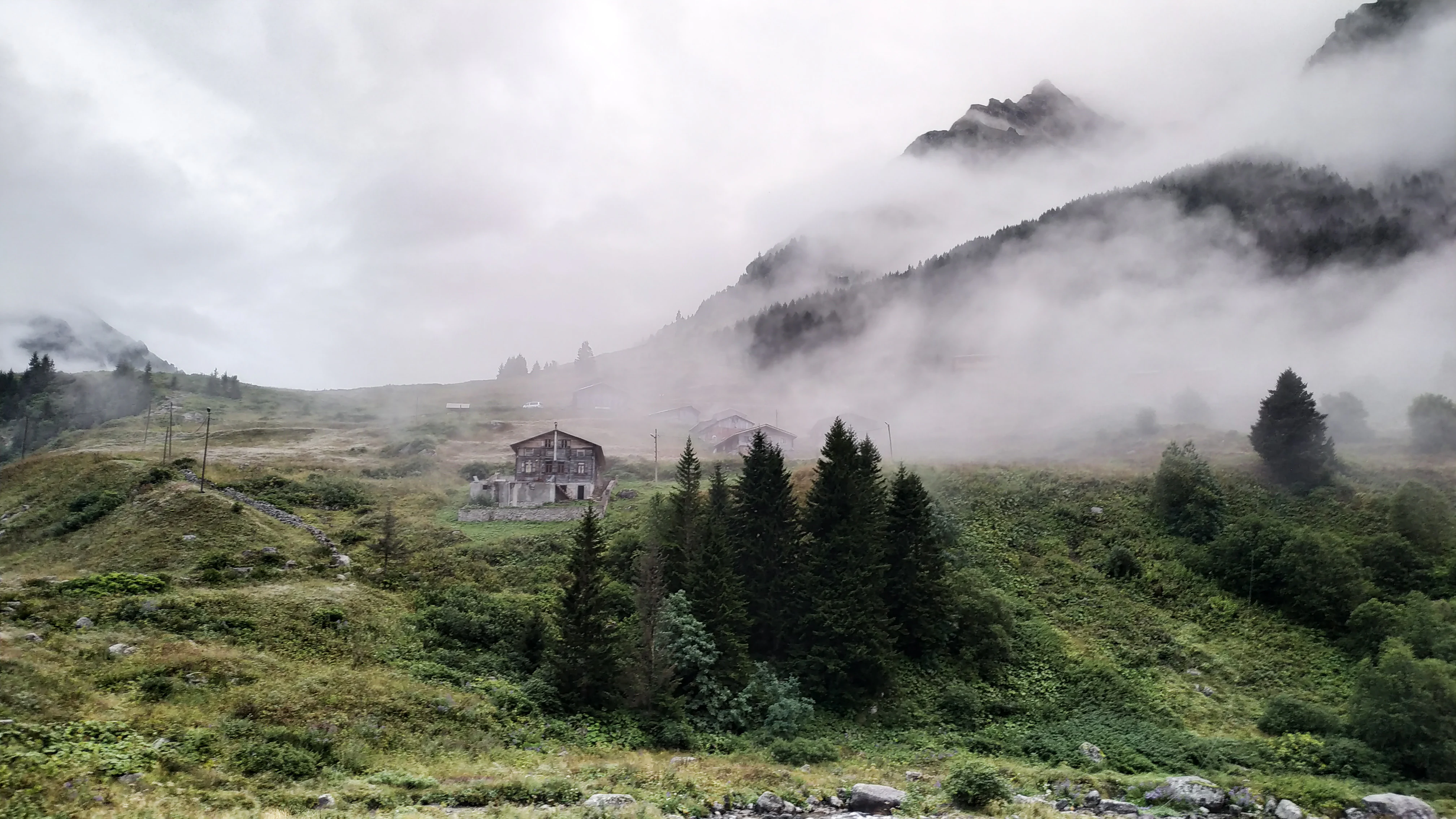
The Kaçkar highlands maintain strong connections to traditional Turkish highland culture. Yayla settlements—seasonal villages used during summer months—have been part of the regional landscape for centuries. These settlements represent a transhumant lifestyle where communities move livestock to high pastures during warmer months, utilizing the alpine meadows that lie within today's park boundaries. This cultural practice continues to shape the landscape and provides a living connection to the region's pastoral heritage.
Top sights and standout views in Kaçkar Mountains National Park
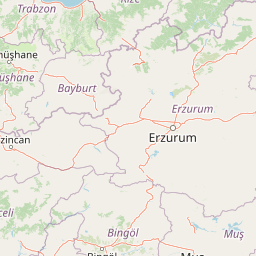
Kaçkar Mountains National Park offers access to one of Turkey's most spectacular alpine environments. The park's high peaks, glacial valleys, and traditional highland culture combine to create a distinctive mountain landscape. Visitors can experience dramatic ridgeline views, visit pristine highland lakes, and encounter the ongoing traditions of Yayla pastoralism that defines the cultural character of the Kaçkar highlands.
Best time to visit Kaçkar Mountains National Park
The summer months from June through September offer the most accessible conditions for exploring Kaçkar Mountains National Park, when snow-free trails allow access to higher elevations and alpine meadows are in bloom. Winter conditions are severe, with heavy snowfall and extreme cold limiting access to the high terrain. Spring and autumn provide transitional conditions but may involve variable weather and potential trail closures.