Mori Atlas logo
Protection category

Understanding targeted ecological management and protected biodiversity sites throughout Czech national territory

Habitat/Species Management Area Protected Territories and Conservation Landscapes in Czechia

Habitat/Species Management Areas within Czechia are protected regions specifically dedicated to the stewardship of local ecological conditions; they prioritize the survival of particular species and the maintenance of fragile habitats. These sites rely on active, adaptive conservation interventions such as hydrology regulation, controlled grazing, and vegetation management to achieve precise biodiversity targets. By focusing on site-specific needs rather than broad landscape preservation, this protected-area category ensures that diverse ecosystems and sensitive populations remain resilient across the varied terrain of the Czech Republic.

Habitat/Species Management Area Protected Territories and Conservation Landscapes in Czechia
Parks in this category

Explore category IV conservation zones, natural monuments, and regional reserves across Czechia.

Czechia Habitat/Species Management Area Parks and Protected Landscapes

Browse protected areas in Czechia managed for specific species and habitats through targeted conservation interventions. Filter through natural monuments, wetlands, and reserves to compare ecological sites across the country.
Nature reserveKrálovéhradecký kraj

Prachovské skály

Mapped sandstone towers and protected forest terrain in Královéhradecký kraj

Prachovské skály consists of a concentrated sandstone massif characterized by towering pinnacles and labyrinthine gorges. This nature reserve serves as a prime example of sedimentary erosion in the Bohemian Paradise region, offering a distinct landscape profile that stands in sharp contrast to the surrounding agricultural plains of the Czech Republic.

2.624 km²1928TemperateEasy access
Natural monumentÚstecký krajMountain

Radobýl

A protected volcanic landmark with steppe ecosystems and ridge views.

Radobýl stands as a distinctive volcanic remnant in the Ústecký kraj, featuring profound columnar basalt jointing and frost-weathered cliffs. This protected natural monument shelters rare dry grassland habitats and rocky terrain, while offering expansive views across the Litoměřice basin and the surrounding Bohemian landscape.

0.063 km²1966TemperateModerate access
Nature reserveLiberec RegionMountain

Ptačí kupy

Protected mountain geography and high-elevation beech forest terrain

Ptačí Kupy stands as a notable nature reserve in the Liberec Region, defined by its coarse-grained granite outcrops and preserved acidophilic beech forest ecosystems. This compact area sits within the high-elevation ridge of the Jizera Mountains, offering a window into specialized montane vegetation and complex frost-riven geological structures. As a key segment of the regional conservation network, it illustrates the recovery of mountain woodland landscapes from historical environmental pressures.

0.118 km²1960TemperateEasy access
Nature reserveOlomouc Region

Račí údolí

Geographic boundaries and metamorphic woodland terrain

Račí údolí serves as a vital protected area in the Jeseník foothills, showcasing remnants of oak and beech forests amidst rocky gneiss terrain. This valley map highlights the intersection of natural stream-cut geography and centuries of human cultural presence, providing a dense, immersive look at regional forest conservation and metamorphic geology.

0.62 km²1998Easy accessIV
Nature reserveLiberec RegionMountain

Ronov

Volcanic landmark with basalt talus slopes and historic ruins

Ronov rises as a distinctively shaped basalt cone from the rolling terrain of the northern Czech Republic. This nature reserve offers significant insight into the geological and botanical character of the Ralská pahorkatina, featuring extensive stone seas and rare plant habitats situated around ancient castle remains.

0.09 km²1995TemperateEasy access
Natural monumentJihomoravský kraj

Medlánecké kopce

A rare mosaic of dry grasslands and rocky outcrops in Jihomoravský kraj

Medlánecké kopce preserves a critical landscape of thermophilic flora and insect communities on the edge of the Brno basin. The site is noted for its xerothermic vegetation, including the large-flowered pasqueflower, which thrives on its unique metabasite and loess soil composition. This protected area offers a look at how specialized steppe ecosystems persist within a heavily developed regional environment.

0.118 km²1988TemperateAccess unknown
Natural monumentLiberec Region

Vranovské skály

Geographic analysis of sandstone pillars and protected upland forest terrain.

Vranovské skály stands as a significant natural monument in the Liberec Region, preserving a cluster of bright sandstone towers that contrast with the dark forests of the Ralská pahorkatina. This protected area includes several named formations and botanical niches shaped by historical land use. Its geography offers a clear example of sandstone geomorphology and its role in maintaining regional biodiversity within the broader context of northern Bohemia.

0.129 km²1991TemperateEasy access
Nature reserveLiberec RegionMountain

Prales Jizera

Highland spruce forests and granite outcrops in the Liberec Region

Investigate the summit geomorphology of Prales Jizera, a vital protected area encompassing rare climax spruce forest and granite blockfields. This record provides detailed geographic context on the reserve's unique soil, hydrological watershed position, and its role as a landmark conservation site in the Jizera Mountains.

0.936 km²1960AlpineModerate access
Natural monumentJihočeský kraj

Na Stráži

A botanically significant meadow in the South Bohemian landscape

Na Stráži is an important natural monument situated on a steep hillside in the Jihočeský kraj region. Known for its population of green-winged orchids and unique thermophilous acidophilic grasslands, this protected meadow provides a critical example of small-scale habitat conservation within the larger Blanský les protected landscape.

0.037 km²1993TemperateIV
Nature reservePardubický kraj

Ratajské rybníky

A core wetland refuge for rare flora and fauna in the Pardubický kraj region

The Ratajské rybníky reserve represents a vital highland wetland ecosystem characterized by its three connected fishponds and surrounding quaking bogs. This mapped protected area provides an essential habitat for endangered butterfly populations, the rare moss Hamatocaulis vernicosus, and dense amphibian breeding grounds, set against the backdrop of the forested Železné hory mountain ridge.

1990TemperateEasy accessIV
Nature reserveÚstecký krajMountain

Prameniště Chomutovky

Protected peatland ecosystems in the Czech Republic

Prameniště Chomutovky serves as a pivotal protected area in the Ore Mountains, characterized by its deep peat deposits and open bog-pine mosaics. This documentation of the reserve includes its role as a black grouse habitat, its connection to the Novodomské rašeliniště network, and the distinct geomorphology that shapes its montane environment.

18.82 km²2012AlpineAccess unknown
Nature reserveZlín District

Na letišti

A rare oxbow wetland refuge in Eastern Czechia

Located in the Zlín District, Na letišti is a protected natural monument formed from a regulated meander of the Morava River. This site functions as an isolated aquatic refuge, featuring a rich community of beetles and wetland flora that define the character of this lowland floodplain landscape within the Czech Republic.

0.027 km²1956TemperateIV
Country pattern

Exploring designated Category IV reserves, wetlands, and managed habitats across national landscapes

Czechia Habitat/Species Management Area Protected Areas and Conservation Geography

Habitat/Species Management Area designations in Czechia focus on active ecological intervention to sustain vulnerable wildlife and specialized plant communities. Protected territories such as local nature reserves and wetland habitats rely on targeted management to maintain specific ecological conditions.

Matching parks

133

These parks and protected areas currently define how Habitat/Species Management Area appears across Czechia.

Category focus

A protected area managed mainly to protect particular species or habitats, often through targeted, regular, or adaptive conservation interventions.

Representative parks

Prachovské skályRadobýlPtačí kupyRačí údolíRonovMedlánecké kopceVranovské skályNa StrážiPrales JizeraRatajské rybníky
Management profile

Targeted habitat management

Habitat/Species Management Area

IUCN Category IV is built around focused ecological management. Rather than emphasizing wilderness, a singular monument, or broad public recreation, this category is used where the central task is to maintain, conserve, restore, or manage particular species, habitats, or ecological conditions. Many Category IV areas require active intervention, sometimes on an ongoing basis, because their conservation values depend on management actions such as water-level control, grazing regimes, fire management, invasive-species removal, nest-site protection, or habitat restoration. The category is especially important for places where biodiversity goals are precise, operational, and management-intensive.

Definition

A Habitat/Species Management Area is a protected area that aims to protect particular species or habitats and whose management reflects this priority. Many areas in this category require regular, active interventions to address the needs of particular species or to maintain specific habitats, although intensive intervention is not an absolute requirement in every case. The key point is that management is deliberately oriented toward identifiable conservation outcomes for habitats, ecological communities, or species assemblages rather than toward a broader wilderness or landscape experience.

Key characteristics

Category IV areas are often more specific in ecological focus than other protected-area categories. They may protect bird nesting islands, wetlands managed for migratory species, heathlands that depend on disturbance regimes, grasslands maintained by grazing, breeding ponds, coastal habitats, coral assemblages, forest patches, or recovery landscapes for threatened species. Some sites are relatively small and highly specialized, while others are larger and contain multiple management units. What defines them is not simply their size or beauty, but the fact that conservation success often depends on active and sometimes repeated management tailored to ecological needs. In many systems, Category IV is one of the most practical and operational categories for day-to-day biodiversity conservation.

Management focus

Management in Category IV areas is usually active, adaptive, and closely tied to measurable ecological targets. Managers may restore habitat structure, regulate hydrology, remove invasive species, manage vegetation through mowing or grazing, protect breeding locations, maintain early-successional habitat, or implement species recovery plans. Monitoring is often central, because the category tends to involve specific management outcomes that can be tracked over time. Visitor use may be allowed, but it is usually secondary to ecological objectives and may be restricted if it conflicts with species or habitat needs. The category is often associated with sites where conservation value depends not on leaving the area alone, but on stewarding it carefully and repeatedly in response to ecological evidence.

Protection purpose

The purpose of Category IV is to secure the long-term conservation of particular habitats, species, or ecological conditions through focused management that directly addresses their needs. It exists for situations where general protection alone is insufficient and where biodiversity outcomes depend on deliberate conservation action.

Management objective

Typical objectives include conserving threatened or characteristic species, maintaining or restoring priority habitats, supporting breeding, feeding, roosting, or migration functions, applying site-specific management interventions, controlling ecological threats such as invasive species or hydrological disruption, monitoring conservation outcomes, and adapting management over time to improve habitat condition and species persistence.

Global context

Wider background behind Habitat/Species Management Area

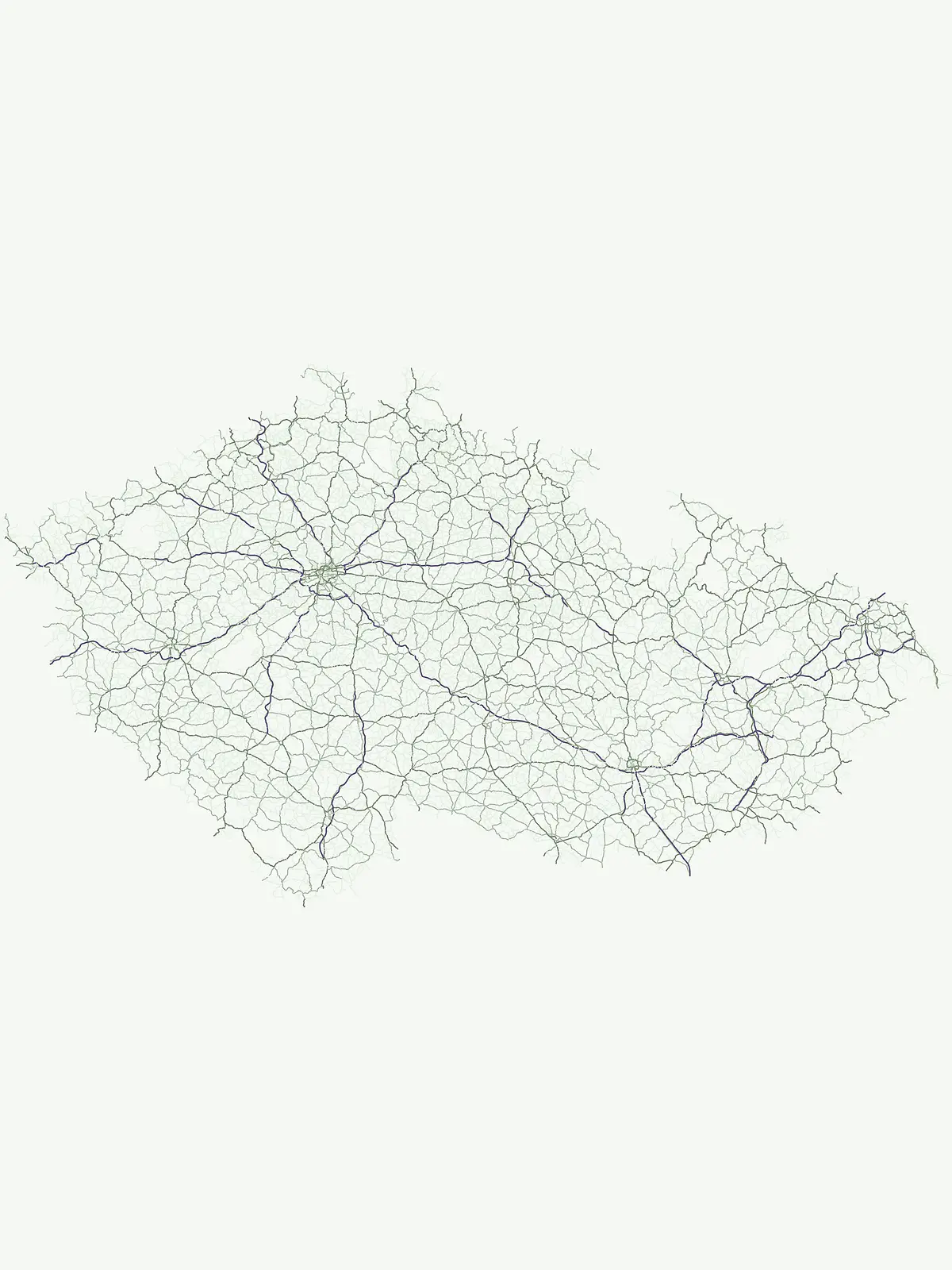
This reference block covers the broader history and global examples that define Habitat/Species Management Area as an IUCN management category, rather than the country-specific park pattern shown elsewhere on the page.

Category history

This category reflects an important shift in modern conservation: the recognition that some protected areas cannot achieve their goals through passive protection alone. As landscapes became fragmented and many habitats increasingly shaped by historical land use, conservation practice expanded to include management-intensive approaches aimed at keeping or restoring specific ecological conditions. The IUCN category system acknowledges this reality through Category IV, which gives a clear home to protected areas whose purpose is highly targeted habitat or species conservation. It has become especially relevant in regions where biodiversity depends on active stewardship rather than complete exclusion of human intervention.

Global examples

Examples often include bird sanctuaries, wetland reserves managed for migratory species, heathland and grassland reserves maintained by mowing or grazing, breeding habitat protection sites, and specialized conservation areas established for threatened plants, reptiles, mammals, or marine species. Depending on national systems, many wildlife refuges, habitat reserves, and species-focused nature reserves may align with Category IV where management clearly prioritizes targeted ecological outcomes.

More categories

Compare conservation categories and national park designations across Czechia.

Other IUCN Categories in Czechia and Protected Area Classification

Browse other IUCN categories in Czechia to examine national park designations, natural monuments, and protected landscapes. Comparing conservation categories reveals the broader protected area framework governing Czechia park geography.

IUCN category iii

Natural Monument or Feature

A protected area established to conserve a specific natural feature such as a landform, geological structure, cave, seamount, waterfall, grove, or other distinct natural monument.

Example parks

Uhlířský vrch, Vlčí jámy, Prokopské údolí, Slepičí vršek, Vlčí rokle, Vrškámen, Veltrusy, Vodopády Stříbrného potoka, Martinské stěny, Radotínské skály

IUCN category ii

National Park

A large natural or near-natural protected area managed to safeguard ecological processes, characteristic species, and ecosystems while also supporting education, recreation, and compatible visitor use.

Example parks

Šumava National Park, Krkonoše National Park, Bohemian Switzerland National Park, Podyjí National Park

IUCN category v

Protected Landscape/Seascape

A protected area where the long-term interaction of people and nature has created a distinct landscape or seascape with significant ecological, cultural, and scenic value.

Example parks

Bohemian Paradise, Moravian Karst, Rukávečská obora

Explore Czechia's Protected Landscapes, Geographic Park Distribution, and Central European Context

National Parks in Czechia: Frequently Asked Questions About Protected Areas and Their Geography

This section provides essential geographic context and common insights into Czechia's national parks and other notable protected areas. Explore key details about their mapped locations, varied natural features, and broader significance across the Central European landscape to enhance your understanding of Czechia's conservation geography.
MoriAtlas Explorer

Continue Exploring Czechia's Protected Landscapes and National Parks

Deepen your understanding of Czechia's natural geography by continuing to browse its national parks and protected areas. Use this atlas-style approach to compare the mapped distribution and unique characteristics of conservation lands across the country, uncovering detailed geographic insights beyond a simple overview.