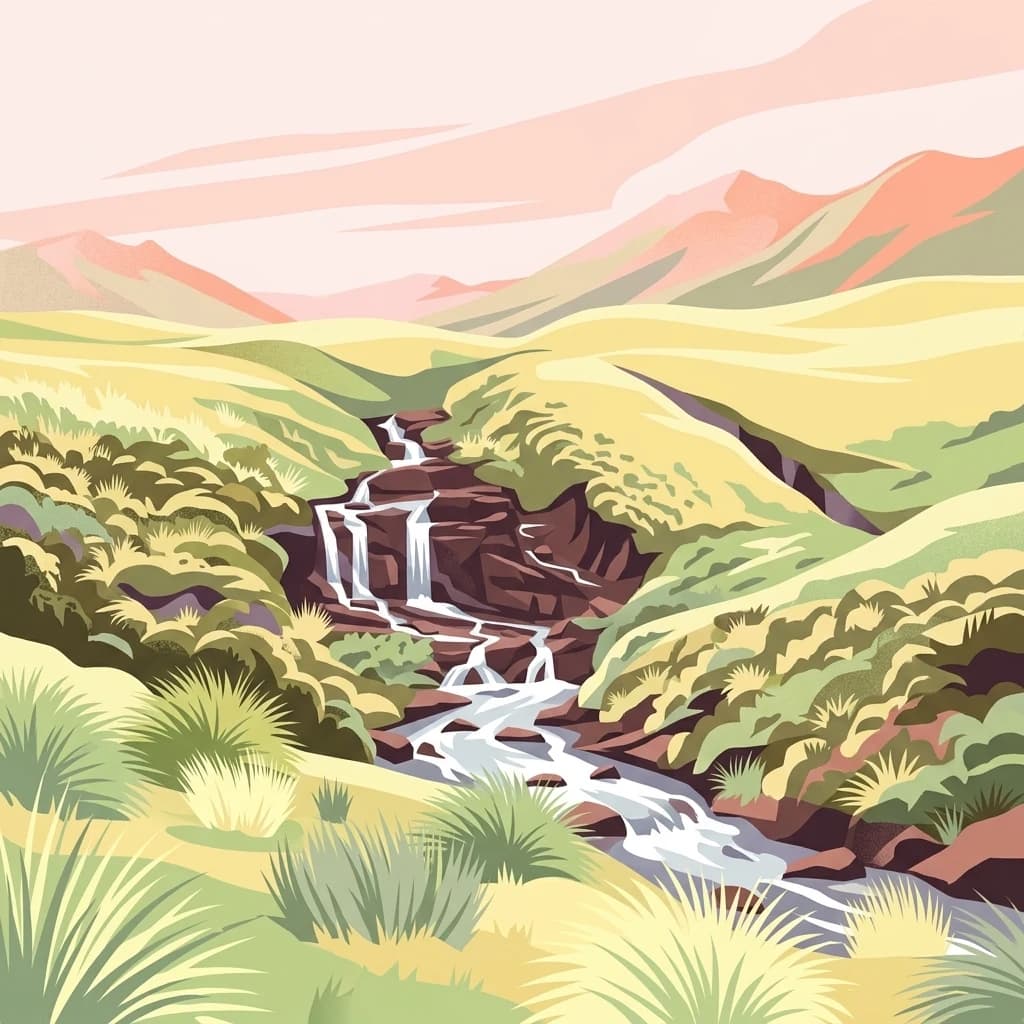
An Andean sanctuary of glaciers, páramos and high-altitude wildlife on the flanks of Volcán Antisana.
Antisana National Park
Antisana National Park is a protected area located in the Cordillera Real of the Ecuadorian Andes, straddling the provinces of Napo and Pichincha. It surrounds Volcán Antisana, one of the country's major stratovolcanoes reaching 5,758 meters above sea level, and protects a continuous gradient of ecosystems that descend from glacial ice and high páramo down through cloud forests into montane evergreen forests. The park's elevated wetlands and upper watersheds serve as critical sources of water for the capital, Quito, and surrounding communities.
The reserve was originally established in July 1993 as the Antisana Ecological Reserve, and was reclassified as a national park in 2021 through a ministerial agreement. It is administered within Ecuador's National System of Protected Areas and borders Cayambe-Coca National Park to the north, Sumaco Napo-Galeras National Park to the northwest, and the Colonso Chalupas Biological Reserve to the southwest, forming part of a broader Andean corridor of conservation.
Antisana is recognized for its biodiversity across a wide altitudinal range, supporting Andean condors, Andean bears, mountain tapirs, páramo deer, and a striking variety of highland birds and amphibians. The presence of the Fundación Antisana, combined with community-based conservation initiatives, has helped shape the park into a working landscape where research, water protection, and local livelihoods intersect.