Why Cotopaxi National Park stands out
Cotopaxi National Park is best known for protecting one of the world's most iconic and highest active volcanoes. The symmetrical snow-capped cone of Cotopaxi is a symbol of Ecuador and a landmark for mountaineers and nature enthusiasts globally. The park represents a premier destination for high-altitude trekking, volcanic landscape photography, and experiencing the unique páramo ecosystem found only in the northern Andes. Its volcanic geology, glacial features, and the dramatic elevation gradient from the summit down to the surrounding valleys make it a distinctive protected area in South America.
Cotopaxi National Park history and protected-area timeline
Cotopaxi National Park was formally established on August 11, 1975, as part of Ecuador's expanding network of protected areas designed to preserve the nation's most significant natural landscapes and ecological systems. The creation of the park reflected growing recognition of the need to protect the unique volcanic environments of the Ecuadorian highlands and the irreplaceable páramo ecosystems found at high elevations.
The selection of Cotopaxi as the focal point for a national park reflected the mountain's extraordinary prominence in Ecuadorian geography and culture. As one of the country's most recognizable natural landmarks, Cotopaxi had long attracted scientific interest and climbing expeditions. The formal protection status ensured that this volcanic landscape would be managed sustainably while remaining accessible to visitors and researchers.
Throughout its history, the park has experienced several significant volcanic events from Cotopaxi itself, most notably the eruption that began in August 2015 and continued until January 2016. These events have periodically affected visitor access and management operations but have also provided valuable opportunities for studying volcanic processes and their impacts on high-altitude ecosystems. The park's institutional management has evolved alongside Ecuador's environmental policy framework, with the Ministry of the Environment currently overseeing protection and visitor services.
Cotopaxi National Park landscape and geographic character
The landscape of Cotopaxi National Park is dominated by its volcanic geography, with the imposing form of Cotopaxi volcano serving as the visual anchor of the entire protected area. The stratovolcano features a nearly symmetrical cone rising dramatically above the surrounding terrain, often capped with glacial snow that contrasts sharply with the dark volcanic rock of its slopes. The summit crater, which reaches 5,911 meters, contains a permanent ice cap that feeds glacial meltwater into the surrounding drainage systems.
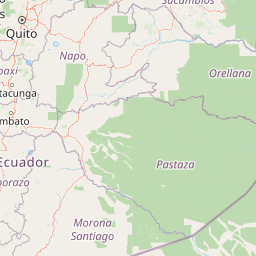
Beyond the main volcanic cone, the park encompasses the terrain of Rumiñawi, a dormant stratovolcano located to the northwest of Cotopaxi. To the southeast lies Sincholagua volcano, whose last major eruption in 1877 deposited ash and volcanic material across portions of the park. The interplay of past volcanic activity has created varied terrain including volcanic plains, ash fields, and the distinctive moraine systems left by retreating glaciers.
The elevation gradient within the park ranges from the volcano summits down through the páramo zone, characterized by cushion plants and bunchgrass, to lower-elevation forest margins. Glacial valleys and the drainages flowing from the mountain slopes contribute to the broader hydrological systems of the region, connecting the highland environments to watersheds that extend toward the Amazon basin.
Cotopaxi National Park ecosystems, habitats, and plant life
The nature of Cotopaxi National Park centers on the unique páramo ecosystem, a high-altitude grassland environment found only in the tropical Andes. This ecosystem occupies the elevation zone above the continuous forest line but below the permanent snow line, creating conditions found nowhere else on Earth. The páramo of Cotopaxi features specialized vegetation adapted to the cold, moisture-rich conditions, including bunchgrasses, cushion plants, and shrub species that have evolved to thrive in this harsh environment.
The park's position at the intersection of highland and forest environments creates ecological diversity despite the challenging conditions. The transitional zones where páramo gives way to forest support different communities than the open high-altitude grasslands, adding to the overall biodiversity value of the protected area. The glacial meltwater and precipitation that collect in the park feed streams and wetlands that provide habitat for specialized species adapted to high-altitude conditions.
Volcanic activity continues to shape the ecological character of the park, with recent eruptions demonstrating the dynamic nature of this environment. The recovery of vegetation on volcanic deposits provides natural examples of ecological succession in extreme conditions, offering insights into how life re-establishes itself following disturbance in high-altitude environments.
Cotopaxi National Park wildlife and species highlights
Wildlife in Cotopaxi National Park reflects the high-altitude nature of the protected area, with species adapted to the cold, harsh conditions of the Ecuadorian páramo. The open grassland environments support populations of Andean deer, known locally as venado, which navigate the terrain between volcanic outcrops and vegetation patches. Birds including various highland species such as hummingbirds and mountain toucans can be found in the transitional zones where páramo meets forest.
The park's location along the spine of the Andes places it within migratory pathways for bird species moving between different elevations and regions. Raptors such as eagles and hawks utilize the thermal updrafts created by the volcanic slopes for soaring and hunting. The diverse habitats within the park, from the summit glaciers down through the páramo to the forest margins, support varying communities of fauna adapted to each ecological zone.
While the extreme elevation and harsh conditions limit the diversity of larger mammals, the park provides important habitat for species that have adapted to high-altitude Andean environments. The conservation of these species depends on the continued protection of the páramo ecosystems that form their primary habitat within the park boundaries.
Cotopaxi National Park conservation status and protection priorities
Cotopaxi National Park represents a critical protected area for the preservation of Ecuador's high-altitude volcanic landscapes and the unique páramo ecosystem. The park's designation as an IUCN Category II protected area reflects its primary purpose of conserving natural ecosystems while allowing for compatible recreational and educational uses. The protection of Cotopaxi volcano and its surrounding environment ensures the preservation of geological processes and volcanic landforms that are significant both scientifically and scenically.
The páramo ecosystem within the park serves important ecological functions including water regulation, carbon storage, and habitat provision for specialized species. These high-altitude grasslands have been increasingly recognized for their global significance as climate change increasingly affects mountain environments worldwide. Protecting Cotopaxi's páramo areas helps preserve ecological processes that might otherwise be degraded by agricultural expansion, grazing pressure, or development.
The park also contributes to Ecuador's broader conservation network by protecting representative examples of the country's volcanic highland environments. The presence of multiple volcanic centers within a single protected area adds geological and visual significance while providing opportunities for research into volcanic processes and ecosystem responses to natural disturbance.
Cotopaxi National Park cultural meaning and human context
The cultural context of Cotopaxi National Park is deeply connected to the indigenous heritage of the Ecuadorian highlands. The name Cotopaxi itself derives from Quechua language roots, reflecting the long history of human presence and significance attributed to this mountain by local communities. The volcano has held spiritual importance for indigenous peoples, and the surrounding landscape contains evidence of historical interactions between human communities and this dramatic environment.
The park encompasses territory that has been traditionally associated with highland indigenous communities whose ancestors lived in the shadow of the volcano. While the protected area status has changed the nature of land use in the region, the cultural connections to the landscape remain significant. The Quechua origin of the mountain's name represents just one dimension of the broader indigenous cultural heritage that characterizes this portion of the Ecuadorian highlands.
The contrast between traditional highland land use patterns and modern conservation management reflects broader themes in Ecuador's relationship with its natural heritage. The establishment of the national park created a protected landscape that preserves both ecological and cultural values, though the specific management approaches reflect contemporary conservation frameworks rather than traditional indigenous land management systems.
Top sights and standout views in Cotopaxi National Park
The primary highlight of Cotopaxi National Park is undoubtedly the opportunity to experience one of the world's most visually striking active volcanoes. The view of Cotopaxi's snow-capped peak rising above the Ecuadorian highlands represents one of the iconic landscapes of South America. Visitors can explore the volcanic terrain through established trails, observe the glacial features of the summit area, and witness the dramatic landscape that has been shaped by volcanic and glacial processes.
The park offers access to three distinct volcanic peaks within a single protected area, providing exceptional geological variety. The páramo environment, with its distinctive vegetation adapted to high-altitude conditions, offers ecological interest separate from the volcanic features. The combination of geological significance, ecological uniqueness, and scenic beauty makes Cotopaxi National Park a destination that showcases multiple dimensions of the Ecuadorian natural heritage.
Best time to visit Cotopaxi National Park
The best time to visit Cotopaxi National Park is generally during the dry season from December through February, when clearer conditions offer improved visibility of the volcano and reduced precipitation makes outdoor activities more comfortable. However, visitors should be prepared for the variability of high-altitude weather, where conditions can change rapidly regardless of season. The park's mountain environment means that temperature fluctuations are significant, with cold conditions prevailing especially at higher elevations.
The shoulder seasons of March through May and September through November also offer visitor opportunities, though with increased likelihood of precipitation. The park remains accessible throughout the year, though climbing activities on the volcano itself are subject to conditions and may be restricted following volcanic activity. Visitors planning trips should check current conditions and be prepared for the mountain environment regardless of when they visit.