Why Aouk National Park stands out
Aouk National Park is known for its impressive diversity of mammals and birds, despite not receiving the same level of protection and attention as some of Chad's other parks such as Zakouma. The park's savanna and woodland habitats support populations of large herbivores and predators, while its wetlands provide critical habitat for waterbird species. The park offers safari experiences in a remote corner of Chad, away from more crowded tourism destinations, allowing visitors to explore a wilderness area that retains much of its natural character.
Aouk National Park history and protected-area timeline
Aouk National Park was established as part of Chad's efforts to designate protected areas that preserve the country's natural landscapes and wildlife. The park was created to provide legal protection to the ecosystems and species found in the southeastern portion of the country. While the park has existed as a protected area, it has faced challenges related to funding, staffing, and enforcement capacity. Compared to Zakouma National Park, which has received more focused conservation investment and attention, Aouk has struggled to realize its full protective potential. Nevertheless, the park's designation as a national park has provided a framework for ongoing conservation efforts in the region.
Aouk National Park landscape and geographic character
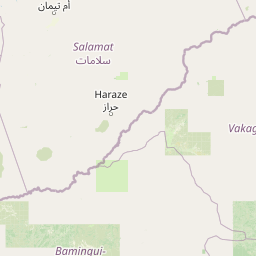
The landscape of Aouk National Park consists primarily of tropical savanna and woodland ecosystems characteristic of southeastern Chad. The terrain includes open grassy plains interspersed with woodland areas and riparian zones along watercourses. The region receives seasonal rainfall that creates temporary wetlands and floodplains during the wet season. The vegetation patterns reflect the transition between Central African forest ecosystems and the more open savannas of the Sahel zone. Rolling terrain and scattered tree clusters define the visual character of the park, creating a classic African savanna landscape.
Aouk National Park ecosystems, habitats, and plant life
Aouk National Park protects important savanna and woodland habitats that form part of the broader Central African ecological region. The park's ecosystems support a diversity of plant communities adapted to the subtropical climate and seasonal water availability. These habitats provide ecological services including water regulation, soil preservation, and carbon storage. The protected area connects with surrounding landscapes, allowing for wildlife movement patterns that maintain genetic exchange between populations. The wetlands within the park serve as important ecological features, supporting both wildlife and contributing to the broader hydrological system of the Salamat Region.
Aouk National Park wildlife and species highlights
Aouk National Park is home to a notable mix of mammals and bird species. The park's mammal populations include various ungulate species adapted to savanna environments, as well as predators that follow the herbivore herds. The birdlife in the park is particularly diverse, with waterbird species utilizing the wetlands and forest birds found in the woodland areas. The park provides habitat for species that have declined in other parts of Chad due to hunting pressure and habitat loss. While comprehensive species surveys are limited, the park's wildlife assemblages represent an important conservation asset for the country.
Aouk National Park conservation status and protection priorities
Aouk National Park represents an important component of Chad's protected area network, contributing to the preservation of the country's biodiversity outside the more well-known Zakouma National Park. The park's designation as an IUCN Category II protected area indicates its role in conserving natural landscapes and associated wildlife. Conservation challenges in the region include limited resources for park management, enforcement difficulties in remote areas, and competing land uses. The park's relative remoteness provides some protection from certain development pressures, but also complicates conservation efforts that require sustained investment and presence. Maintaining the park's wildlife populations and habitats requires ongoing attention to protection measures and support for conservation activities in the region.
Aouk National Park cultural meaning and human context
Aouk National Park is located in the Salamat Region, an area with local communities whose traditional land use practices have shaped the landscape over generations. The region's communities maintain connections to the land and natural resources that the park now protects. While the park's establishment created a protected zone, the surrounding areas continue to support pastoral and agricultural activities by local populations. Understanding the relationship between protected area management and community livelihoods remains relevant for the park's long-term conservation success.
Top sights and standout views in Aouk National Park
Aouk National Park offers visitors the chance to explore a vast, relatively undeveloped protected area in one of Africa's less-visited countries. The park's wildlife, particularly its mammal and bird populations, provides the primary attraction for safari excursions. The remote character of the park means that visitors can experience a sense of wilderness that is increasingly rare in more heavily touristed African destinations. The park's size and diversity of habitats create opportunities for varied wildlife viewing experiences across different parts of the protected area.
Best time to visit Aouk National Park
The optimal time to visit Aouk National Park coincides with the dry season, typically from November to April, when wildlife is more concentrated around water sources and vegetation is less dense, improving visibility. The wet season from May to October brings green landscapes but also makes some areas less accessible and wildlife more dispersed. Visitors planning trips to the park should consider the seasonal patterns when making travel arrangements.