Why Azov, Syvash National Nature Park stands out
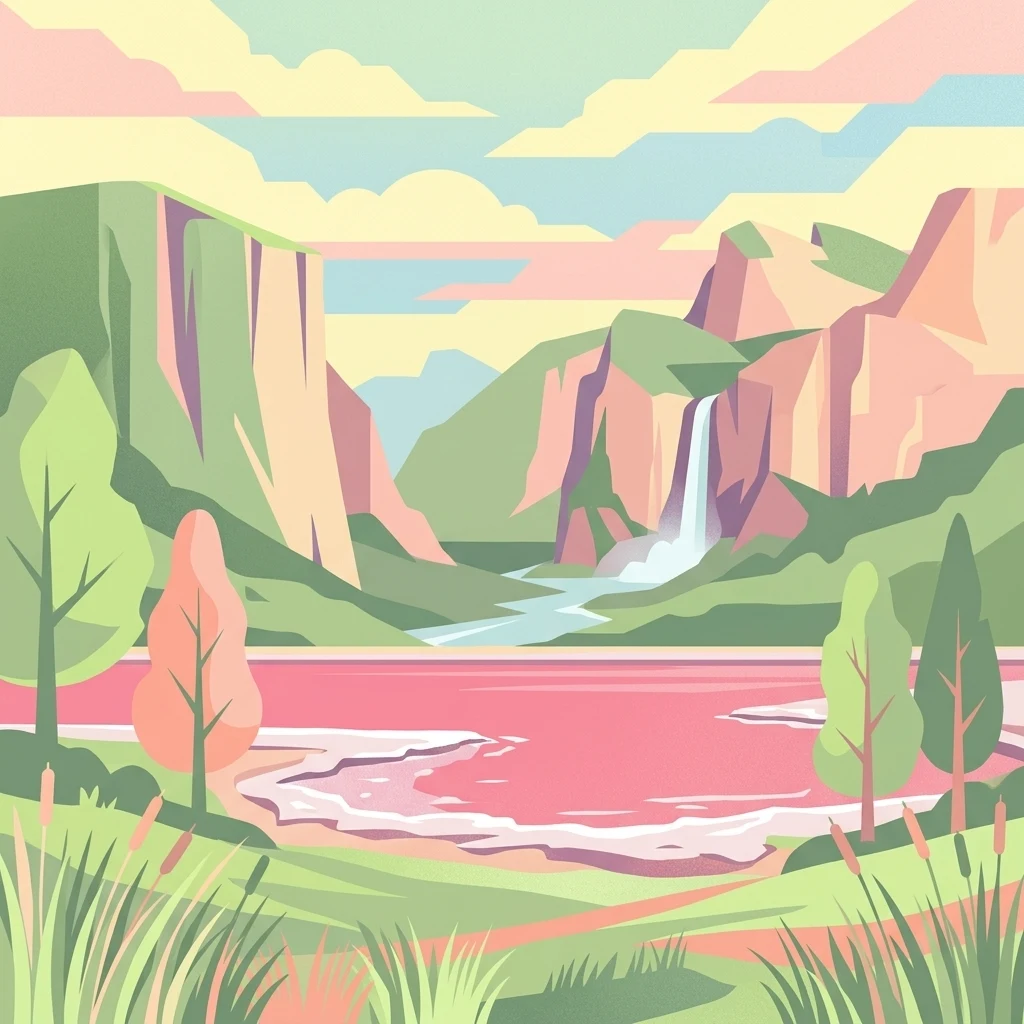
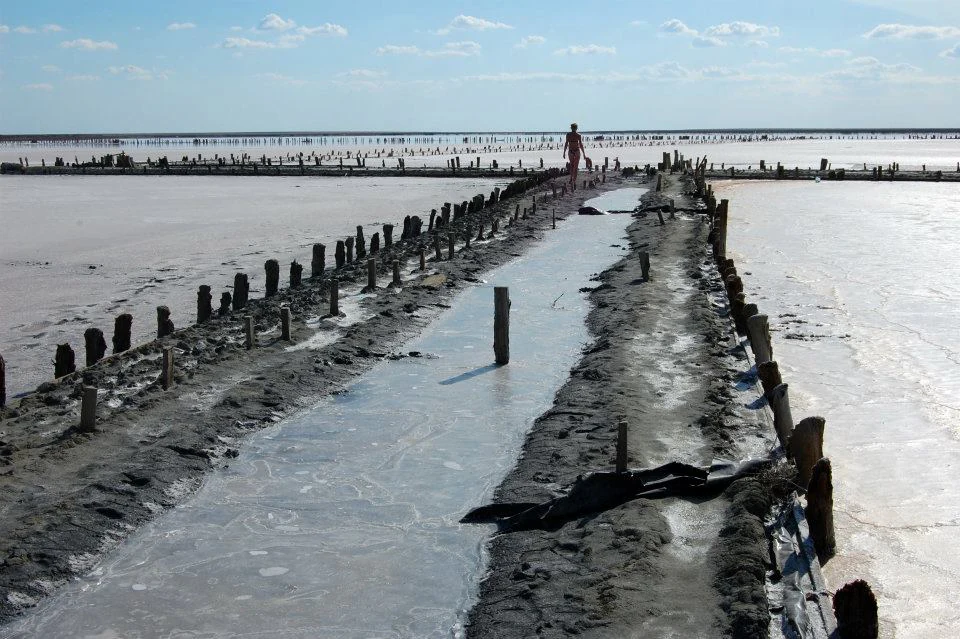
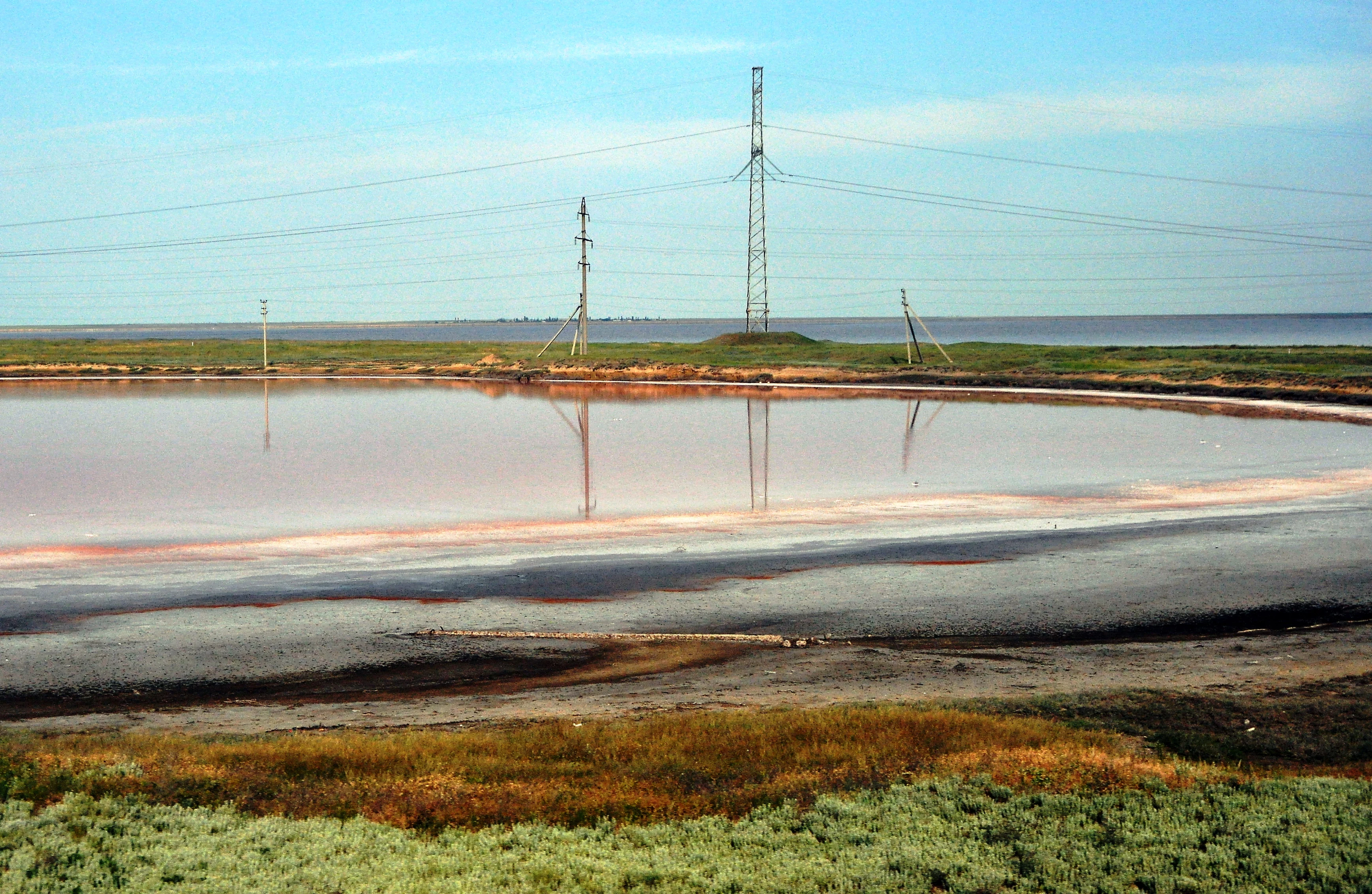
Azov, Syvash is best known as one of the most important migratory bird hotspots in Eastern Europe, with over a million birds passing through the park's wetlands each year. The park serves as a critical rest and feeding stop along the East Atlantic Flyway, supporting enormous concentrations of waterfowl, waders, terns, and swans during spring and autumn migrations. The Syvash lagoons, with their extremely high salinity and distinctive pink coloration caused by Dunaliella salina microalgae, create a unique aquatic environment unlike anywhere else in Ukraine. The park also protects some of the last remaining fragments of southern steppe habitat on coastal islands, with the Central Syvash islands of Churyuk and Kuyuk-Tuk preserving relatively undisturbed steppe phytocenoses. The presence of 30 Red Book bird species, including the white-tailed eagle, little bustard, and red-breasted goose, underscores the park's exceptional conservation value.
Azov, Syvash National Nature Park history and protected-area timeline
Azov–Syvash National Nature Park was established on February 25, 1993, with the primary purpose of protecting the unique coastal and wetland ecosystems of the northwestern Sea of Azov. The creation of the park came during a period of increased environmental awareness in newly independent Ukraine, when the government began systematically establishing protected areas to preserve the country's natural heritage. The park was designed to encompass both the Azov coastal areas around Byriuchyi Island and the extensive Syvash lagoon system, recognizing that these interconnected ecosystems required unified protection. Prior to formal protection, the region had been subject to various land use pressures, including drainage for agriculture and development of coastal infrastructure. The park's establishment also built upon earlier conservation traditions in the region, including the designation of the Syvash as a Ramsar wetland site. Since its creation, the park has served as a critical anchor for biodiversity conservation in southern Ukraine, providing protected habitat for migratory birds and maintaining ecological connections between the steppe and marine environments.
Azov, Syvash National Nature Park landscape and geographic character
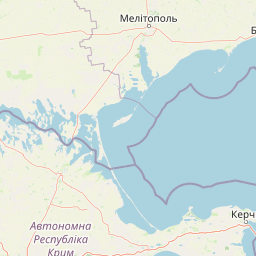
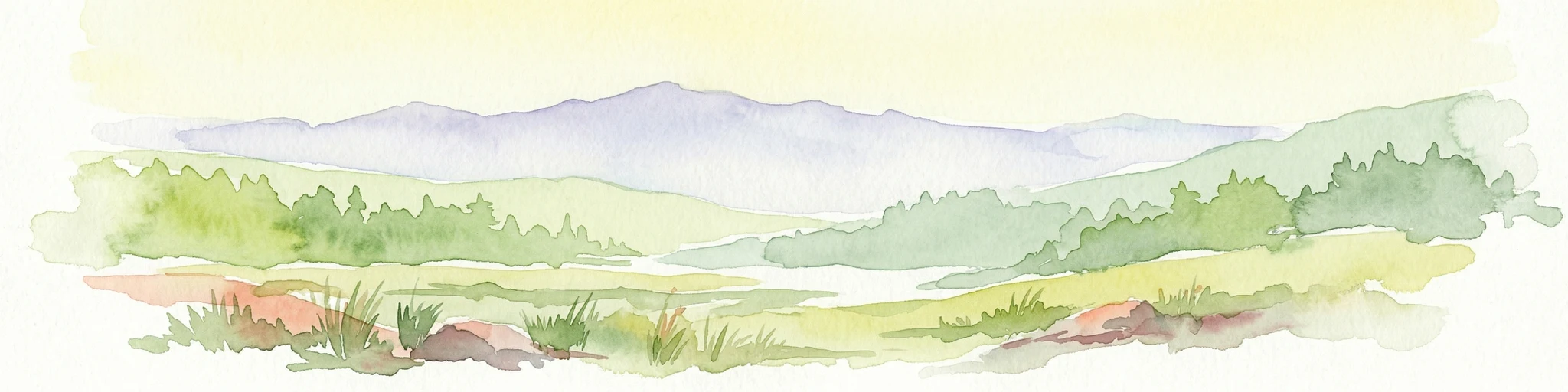
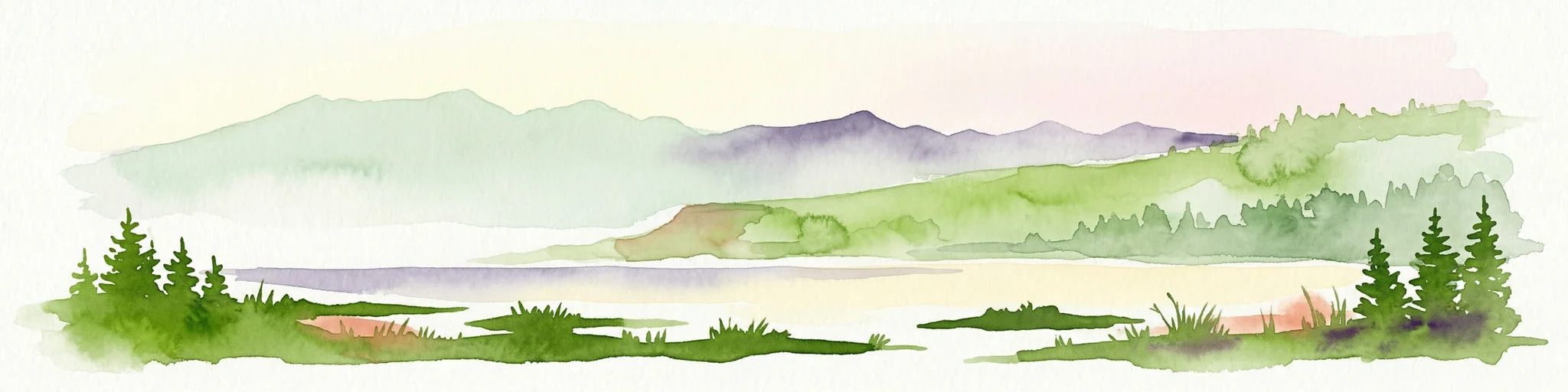
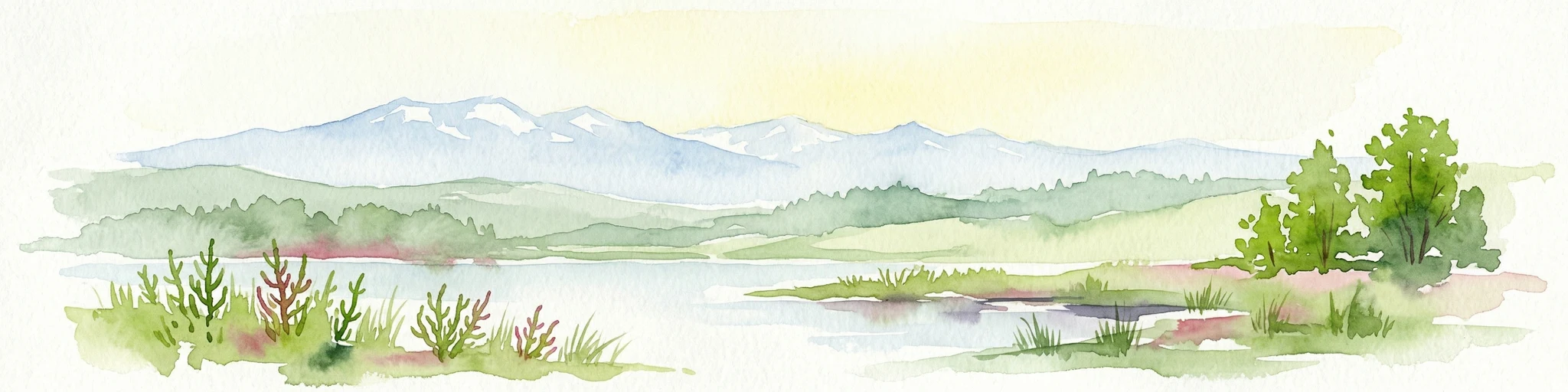
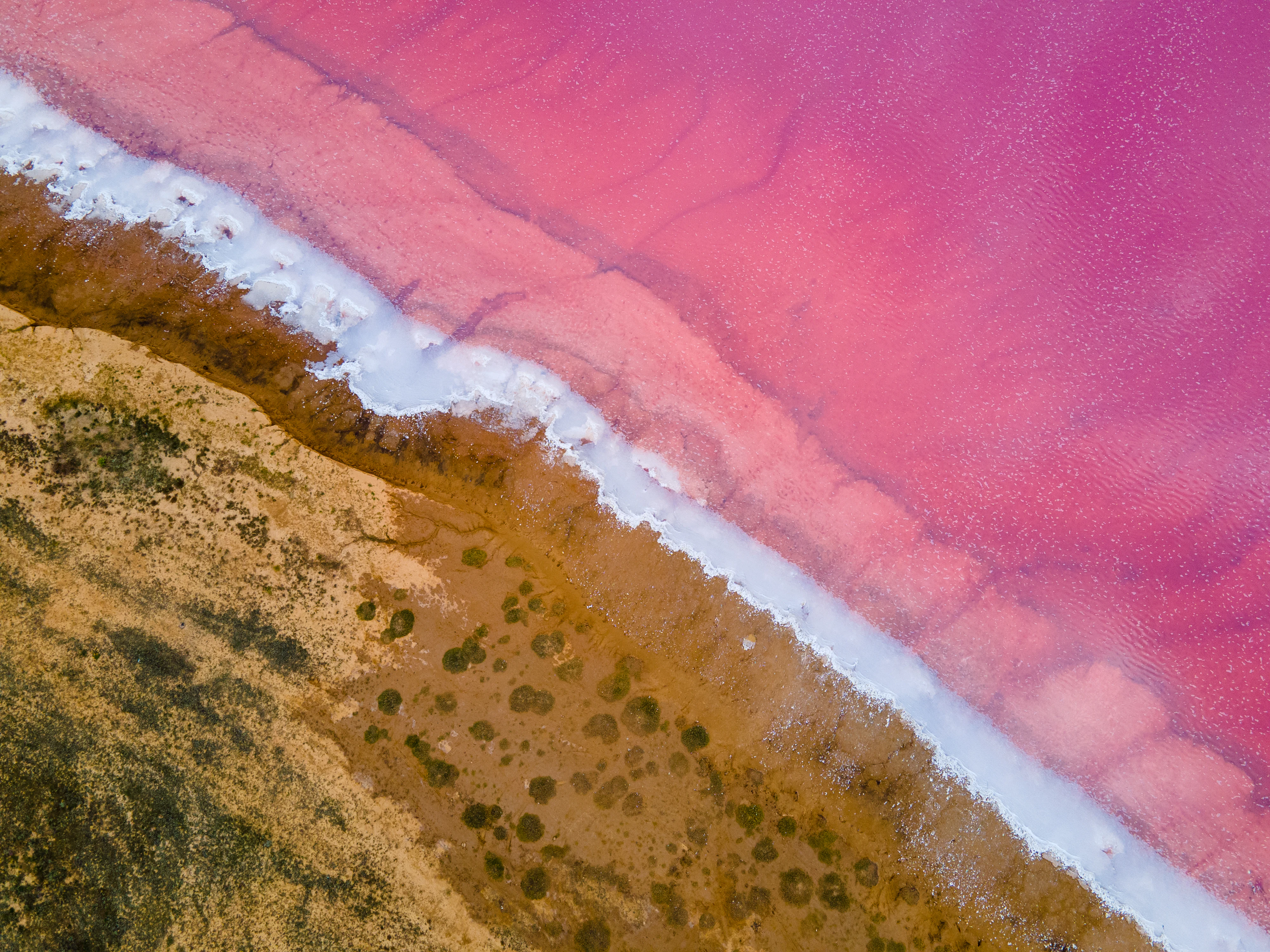
The park's landscape is defined by the interplay between the shallow Sea of Azov, the complex Syvash lagoon system, and remnant steppe terrain. The Syvash consists of a series of narrow, elongated lagoon-like inlets that extend far inland from the main sea, with extremely shallow depths and very high salinity levels that increase toward the interior of the lagoon system. The water of the Syvash can appear distinctly pink or reddish due to the presence of Dunaliella salina, a salt-tolerant microalga that thrives in these hypersaline conditions. Byriuchyi Island, the park's other major component, is a low-lying sand and shell island with terrain consisting mostly of sand-end-shell estuary plains. The island is connected to the mainland by the narrow Fedotova Spit, creating a peninsula-like extension into the Sea of Azov. Within the Syvash sector, numerous islands rise from the lagoon waters, and portions are lined with reed beds that create important wetland habitat. The overall terrain is flat and coastal in character, with minimal topographic relief but significant ecological variation between the wet lagoon environments and the drier steppe islands.
Azov, Syvash National Nature Park ecosystems, habitats, and plant life
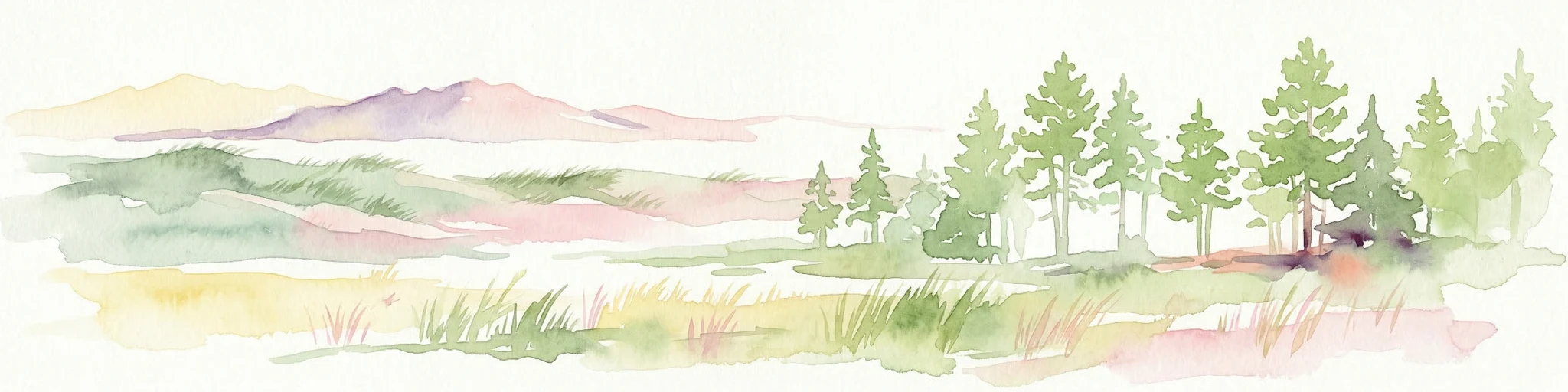
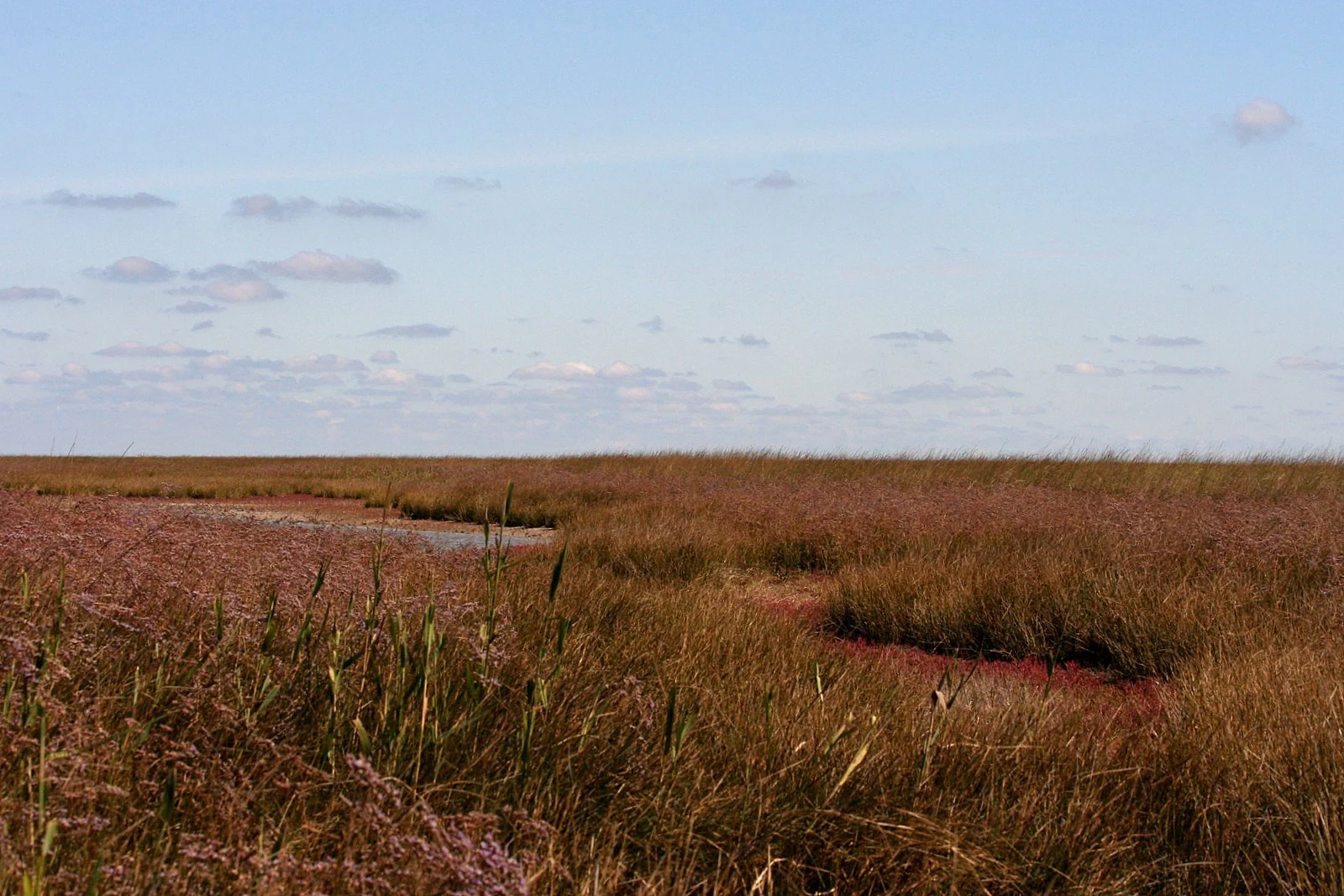
The park's ecological character is shaped by the convergence of marine, lagoon, and steppe environments within the Pontic–Caspian steppe ecoregion. The Syvash sector features dry-steppe conditions with poor soils and brackish vegetation adapted to the high salinity. Reed thickets line portions of the Syvash, particularly along the Utlyutsky estuary, providing important habitat for nesting and refuge. The islands within the Central Syvash, particularly Churyuk and Kuyuk-Tuk, have remained relatively isolated from human impact and preserve true steppe phytocenoses representing more complete ecological communities than those found in more disturbed areas. These islands exhibit southern steppe habitats that have become increasingly rare across the region. The juxtaposition of hypersaline lagoon waters, coastal sand dunes, and intact steppe communities creates a complex ecological mosaic that supports diverse plant communities adapted to varying salinity, moisture, and exposure conditions.
Azov, Syvash National Nature Park wildlife and species highlights
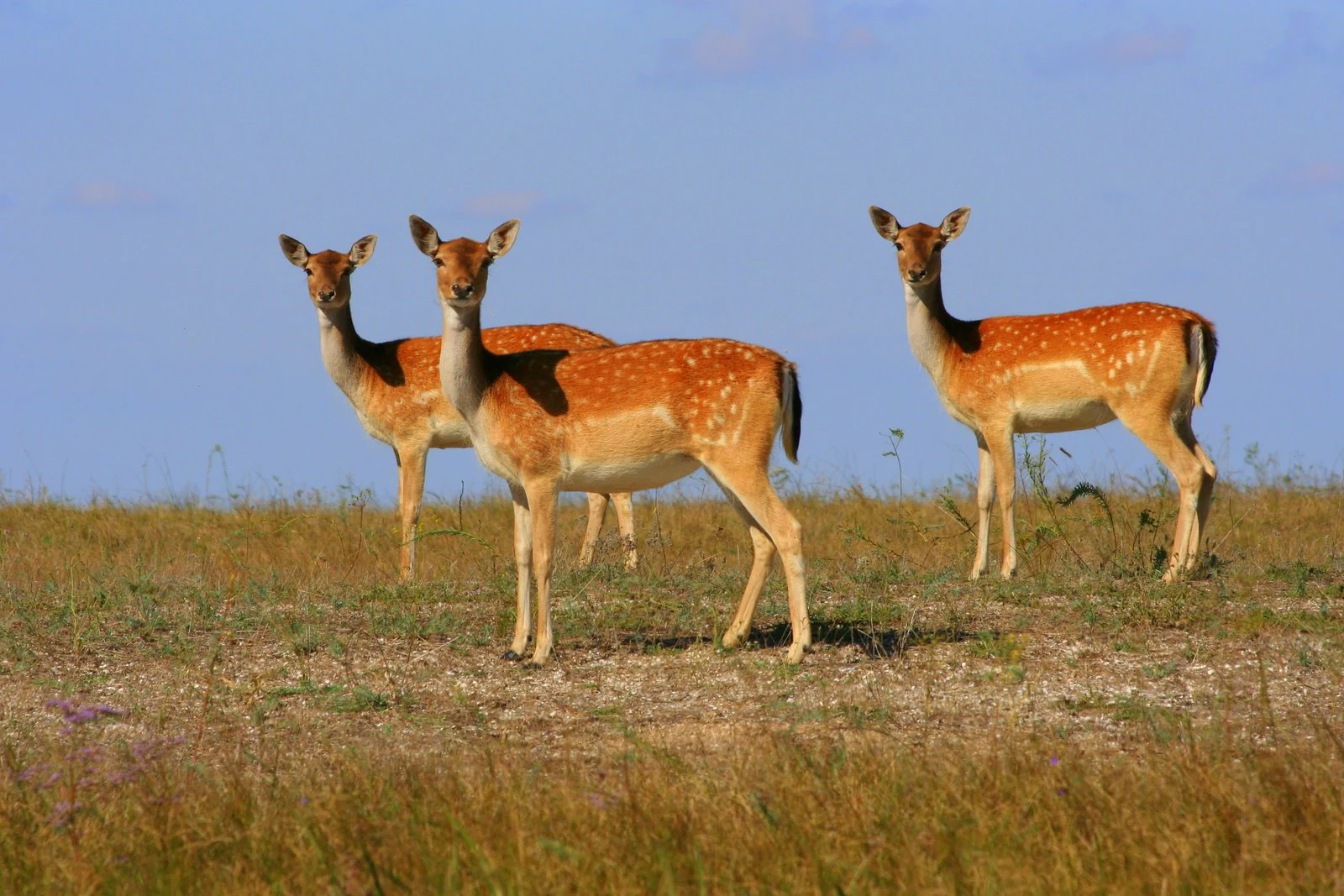
Azov–Syvash supports extraordinary wildlife populations, particularly as a migratory bird destination of international importance. More than one million birds pass through the park seasonally, including swallows, ducks, marsh terns, waders, mute swans, shelducks, and herons. The park records 197 bird species in total, with 30 species listed in the Red Book of Ukraine including kentish plover, black-winged stilt, eurasian oystercatcher, white-headed duck, Pallas's gull, and white-tailed eagle. The park holds significant populations of red-breasted goose and greylag goose, with more than 1% of these species' global populations overwintering in the area. The steppe areas surrounding the Syvash support great bustard, little bustard, Demoiselle crane, common crane, and various birds of prey including hen harrier, pallid harrier, golden eagle, greater spotted eagle, saker falcon, peregrine falcon, and lesser kestrel. The mammal populations include acclimatized species such as red deer, fallow deer, mouflon, and onager, alongside native species including grey hare and fox. Over 5,000 species of animals occur within the park, including 250 vertebrate species.
Azov, Syvash National Nature Park conservation status and protection priorities
Azov–Syvash holds multiple layers of international protection recognition that underscore its exceptional conservation significance. The Central Syvash is designated as a Ramsar wetland of international importance, providing formal recognition of its outstanding universal value as a wetland ecosystem. Birdlife International has listed the park as an Important Bird and Biodiversity Area, acknowledging its critical role for globally significant bird populations. The park protects 30 bird species listed in the Red Book of Ukraine, with the white-tailed eagle and little bustard also appearing on the European Red List. The presence of more than 1% of the global populations of red-breasted goose and greylag goose during winter meets international thresholds for significance. The park's zoning system includes a strict protected area covering 38,970 hectares in Central Syvash, ensuring that the most sensitive wetland areas receive the highest level of protection. Conservation challenges include managing the tension between protecting biodiversity and maintaining ecological balance with species that require population regulation due to epidemiological concerns.
Azov, Syvash National Nature Park cultural meaning and human context
The Azov–Syvash region has a long history of human interaction with its coastal and steppe environments. The Syvash lagoon system has been integral to the local economy and culture, with fishing and salt production historically important activities in the region. The area lies within the broader Prysyvashshya steppe region, which has been historically used for extensive livestock grazing and agriculture. Henichesk, the nearest town to the park, has served as a regional center for the coastal area of Kherson Oblast. The park's establishment in 1993 reflected a new approach to conservation in independent Ukraine, seeking to balance traditional land uses with the need to protect outstanding natural areas. The cultural context also includes the region's strategic location near the Sea of Azov, which has influenced settlement patterns and economic activities throughout history.
Top sights and standout views in Azov, Syvash National Nature Park
The park's standout features include its role as one of Europe's premier migratory bird stopovers, with over one million birds passing through annually. The Syvash lagoons present a unique visual phenomenon, with hypersaline waters appearing pink due to Dunaliella salina algae. The park protects some of the last intact southern steppe habitats on coastal islands in the Central Syvash. The Central Syvash holds Ramsar designation as a wetland of international importance. The park records 197 bird species, including 30 Red Book species and populations of global significance for red-breasted goose and greylag goose. The combination of marine, lagoon, island, and steppe environments creates a biodiversity hotspot in a region with relatively low precipitation and harsh seasonal temperature extremes.
Best time to visit Azov, Syvash National Nature Park
The park offers distinct seasonal experiences tied to the rhythms of bird migration and climate. Spring and autumn migration periods bring the highest concentrations of birds, with hundreds of thousands of waterfowl and waders using the wetlands as staging areas. Spring migration typically peaks in March through May, while autumn migration occurs from August through November. The summer months offer warmer conditions for exploring the coastal landscapes, though temperatures can be high and the steppe vegetation becomes more subdued. Winter provides a different character, with the lagoons hosting significant overwintering populations of geese and swans, though conditions can be harsh with cold temperatures. The low annual precipitation (around 260mm) means that rainfall is rarely a significant factor for planning visits, though the dry continental climate means water availability in the landscape is limited throughout the year.