Why Ivory Coast of Sviatoslav National Nature Park stands out
The park is best known for preserving the northernmost examples of Pontic-Caspian steppe ecology and protecting a critical coastal wetland complex at the mouth of the Dnieper River. The Kinburn Spit features distinctive pine-oak forest stands amid sandy steppe terrain, while Yahorlyk Bay serves as a Ramsar-designated wetland of international significance. The area provides crucial habitat for migratory bird species traveling along the Black Sea corridor and supports halophytic plant communities adapted to the mix of fresh and saltwater environments. The park represents one of Ukraine's most important coastal steppe and wetland conservation areas.
Ivory Coast of Sviatoslav National Nature Park history and protected-area timeline
The Ivory Coast of Sviatoslav National Nature Park was established in 2009 as part of Ukraine's expanding network of protected areas. The park was created to preserve the distinctive steppe and wetland ecosystems of the Black Sea coast in Mykolaiv Oblast, an area that had long been recognized for its ecological significance but lacked formal national protection. The establishment reflected growing Ukrainian conservation priorities in the post-Soviet period, particularly regarding coastal and wetland habitats. The park is governed by the Ministry of Ecology and Natural Resources of Ukraine and operates from the administrative center at belosvyat.com.ua. Management of the protected areas continues to be refined, with ongoing efforts to strengthen control and enforcement within park boundaries.
Ivory Coast of Sviatoslav National Nature Park landscape and geographic character
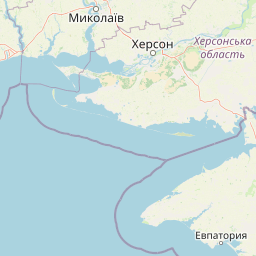
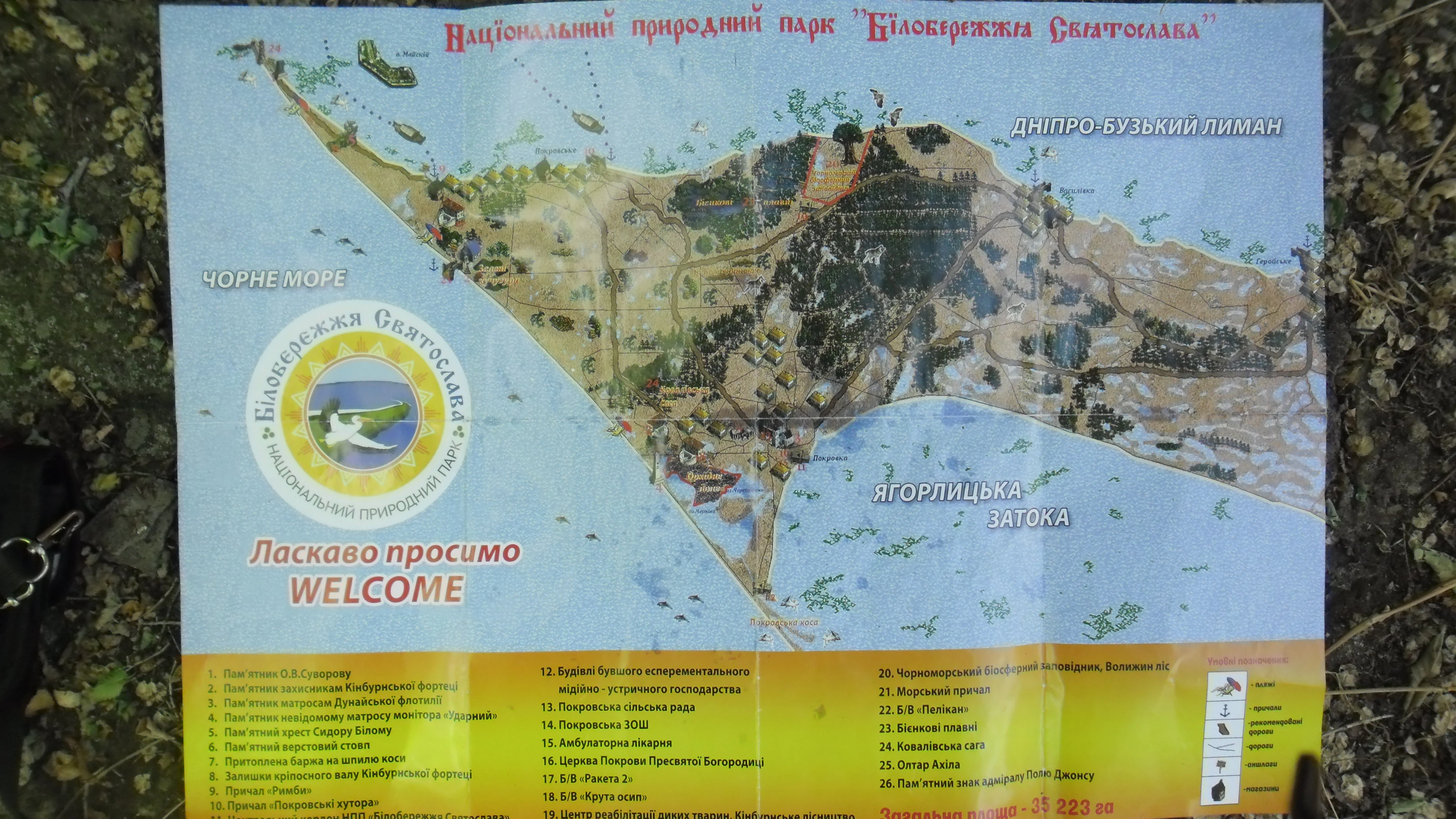
The park's landscape encompasses a diverse array of physical features across its coastal and wetland settings. The terrain lies within the Black Sea Lowland, a relatively flat region that marks the northern extent of the western Black Sea basin. The Kinburn Peninsula extends southward as a sandy spit dividing the Dnieper-Bug estuary from Yahorlyk Bay and the open Black Sea. The park contains numerous lakes that occur in two varieties: freshwater lakes fed by rainfall and saltwater lakes formed through seepage from the sea. The northern sections around the estuary feature freshwater environments, while the southern bay and coastal areas are saltwater. The landscape transitions from representative steppe and forest-steppe habitats in the north to a patchwork of dry steppe, wetlands, and coastal salt water habitats in the south.
Ivory Coast of Sviatoslav National Nature Park ecosystems, habitats, and plant life
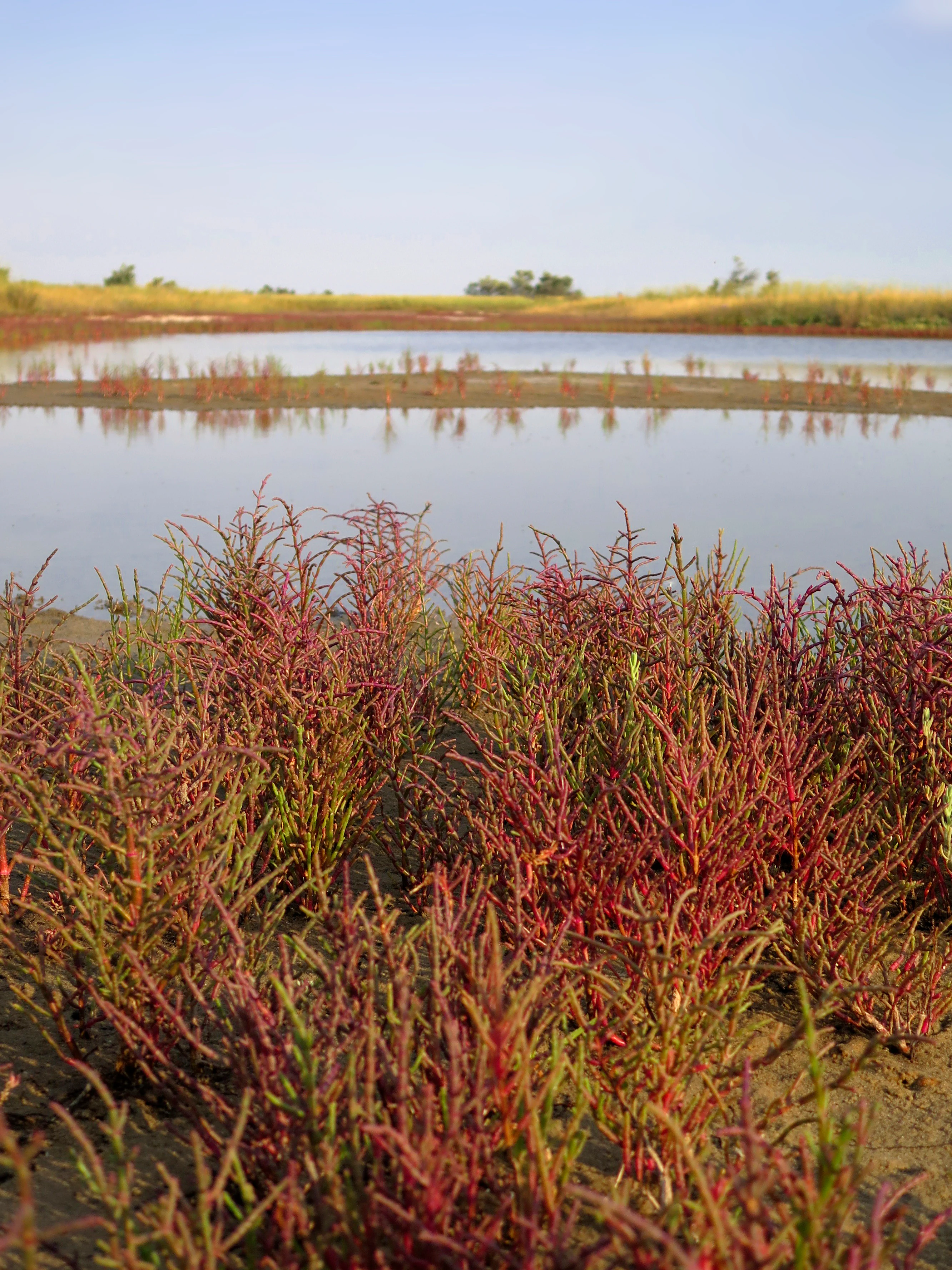
The park protects representative examples of the Pontic-Caspian steppe ecoregion, one of Europe's most historically significant grassland ecosystems. The dominant vegetation on the Kinburn Spit consists of sandy steppe communities, interspersed with forest, meadow, hygrophytic, and halophytic plant groups. Stands of pine-oak forest occur amid the grassy steppe areas, creating a distinctive woodland-grassland mosaic. Marshes and wetland areas are particularly concentrated around Yahorlyk Bay, which has been designated as a Ramsar wetland site recognizing its international significance for waterbird habitat. The combination of fresh and saltwater environments supports specialized plant communities adapted to varying salinity levels, while the steppe zones preserve native grassland species that have been heavily modified across most of their historic range in Europe.
Ivory Coast of Sviatoslav National Nature Park wildlife and species highlights
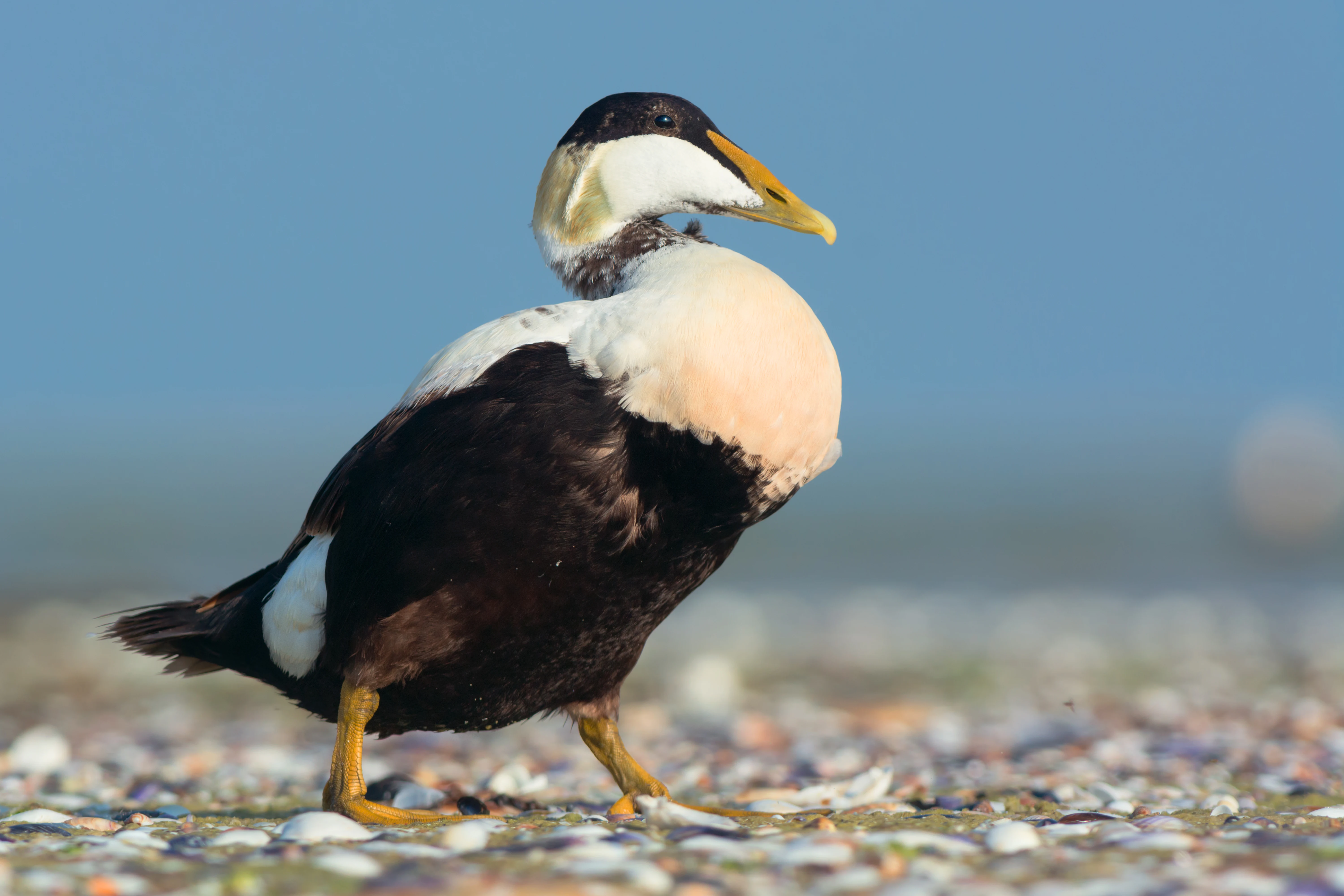
The park's location along the Black Sea coast and within a major river delta makes it an important area for wildlife, particularly migratory bird species. The wetland habitats around Yahorlyk Bay and the Dnieper-Bug estuary provide critical staging and breeding areas for waterbirds moving along the Black Sea migration corridor. The diverse habitat mosaic, combining steppe, forest, marsh, and coastal environments, supports a variety of faunal communities. The area has historically faced challenges from illegal poaching and fishing, reflecting the ecological value of its wildlife populations. The park's protected status helps preserve these wildlife communities and the ecological relationships between the steppe terrestrial systems and the coastal wetland environments.
Ivory Coast of Sviatoslav National Nature Park conservation status and protection priorities
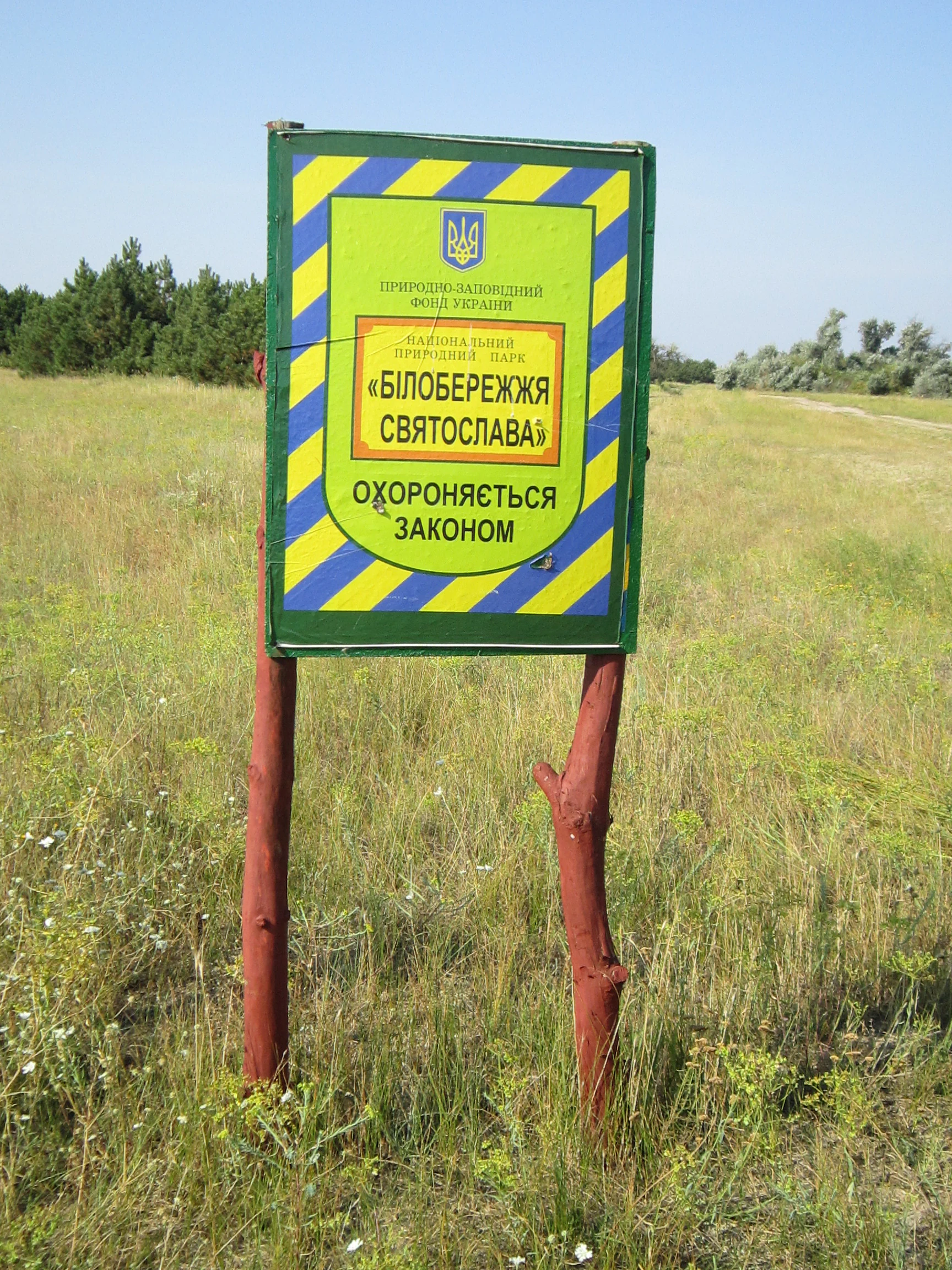
The park holds IUCN Category II designation as a national park, reflecting its primary goal of protecting natural ecosystems while allowing for sustainable public use. The protection of the Kinburn Peninsula and Yahorlyk Bay preserves what remains of the Pontic-Caspian steppe in this region, a habitat type that has been extensively converted for agriculture across its historic range. Yahorlyk Bay's Ramsar designation underscores the international recognition of its wetland conservation value. The park operates in conjunction with the adjacent Black Sea Biosphere Reserve, creating a coordinated coastal conservation network. Ongoing conservation challenges include improving management control and addressing illegal poaching and fishing activities that have historically impacted the area.
Ivory Coast of Sviatoslav National Nature Park cultural meaning and human context
The park is situated in Mykolaiv Oblast near Ochakiv, a historic city on the Black Sea coast with maritime heritage. The region has long been characterized by human settlement and interaction with the coastal environment, though the park's protected status now limits development within its boundaries. The Ukrainian name Biloberezhzhia Sviatoslava translates to Ivory Coast of Sviatoslav, reflecting local naming conventions and cultural context. The area's position at the mouth of major river systems and along the Black Sea coast has historically made it an important zone for fishing, maritime activity, and coastal livelihoods.
Top sights and standout views in Ivory Coast of Sviatoslav National Nature Park
The park's defining features include its preservation of the northernmost Pontic-Caspian steppe ecosystems, the distinctive pine-oak forests of the Kinburn Peninsula, and the Ramsar-designated wetlands of Yahorlyk Bay. The transition from freshwater estuary to saltwater bay creates a unique ecological gradient supporting diverse habitats. The coastal location at the edge of the Black Sea Lowland provides dramatic landscape character combining steppe plains with coastal spits and wetland lagoons. The park remains relatively undeveloped, offering opportunities for ecological tourism and nature observation in a wild coastal setting.
Best time to visit Ivory Coast of Sviatoslav National Nature Park
The park can be visited throughout the year, with each season offering different experiences of the steppe and wetland environments. Summer brings the characteristic hot continental climate with temperatures exceeding 22°C, making the wetland areas particularly important for wildlife observation as water bodies provide essential habitat during the warm season. The transition seasons of spring and autumn offer more moderate temperatures and are typically excellent for birdwatching, coinciding with migratory movements along the Black Sea corridor. Visitors should note that the park remains relatively undeveloped, with campers and hikers on ecological routes advised to bring their own food and water supplies.