Why Tuzly Lagoons National Nature Park stands out
Tuzly Lagoons is best known as a premier birdwatching and ornithological destination in Ukraine. The lagoons host significant populations of wading birds including avocets, black-winged stilts, stone-curlews, and both collared and Black-winged pratincoles. The wetlands serve as crucial staging and breeding grounds for migratory waterfowl traveling along the Black Sea flyway. The coastal lagoons also contain rare beds of small seagrass (Zostera noltii), a specialized marine plant adapted to the brackish conditions. The park represents one of the few remaining intact coastal wetland complexes in this region of the Black Sea coast.
Tuzly Lagoons National Nature Park history and protected-area timeline
The park was established on January 1, 2010 through a decree issued by President Viktor Yushchenko, formalizing protection for the Tuzly Lagoons coastal wetland system. The designation came during a period of expanding Ukraine's network of protected areas and represented recognition of the lagoons' ecological significance at the national level. Prior to formal protection, the lagoons had been subject to various environmental pressures including drainage attempts, agricultural development, and coastal development proposals that threatened the integrity of the wetland complex. The establishment as a national nature park provided a framework for coordinated conservation management of the lagoon system and surrounding landscapes. The park continues to operate under Ukrainian environmental protection legislation, with management responsibilities focused on preserving the ecological character of the lagoon system while allowing for sustainable use of certain areas where compatible with conservation objectives.
Tuzly Lagoons National Nature Park landscape and geographic character
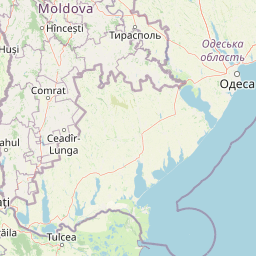
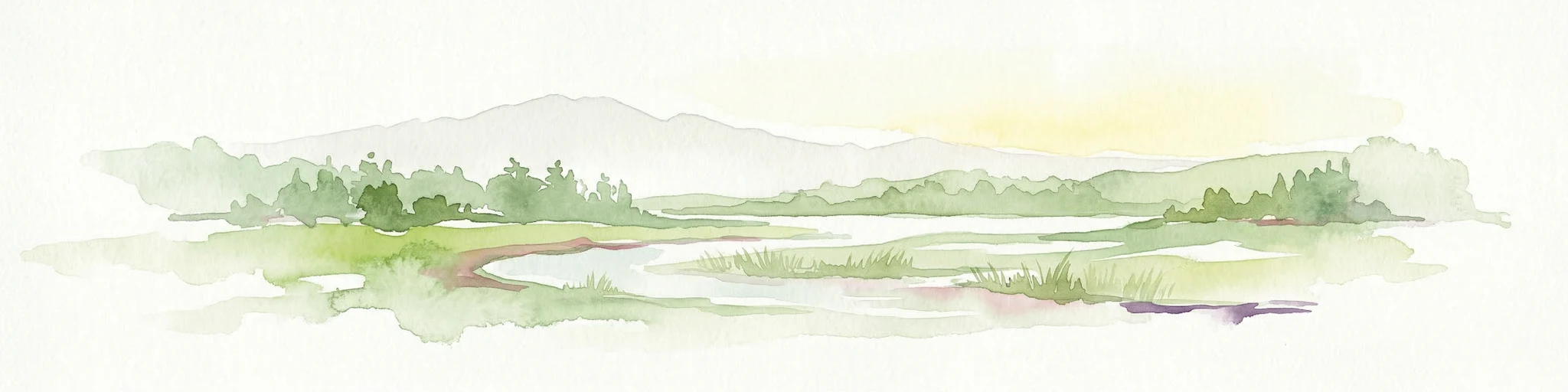
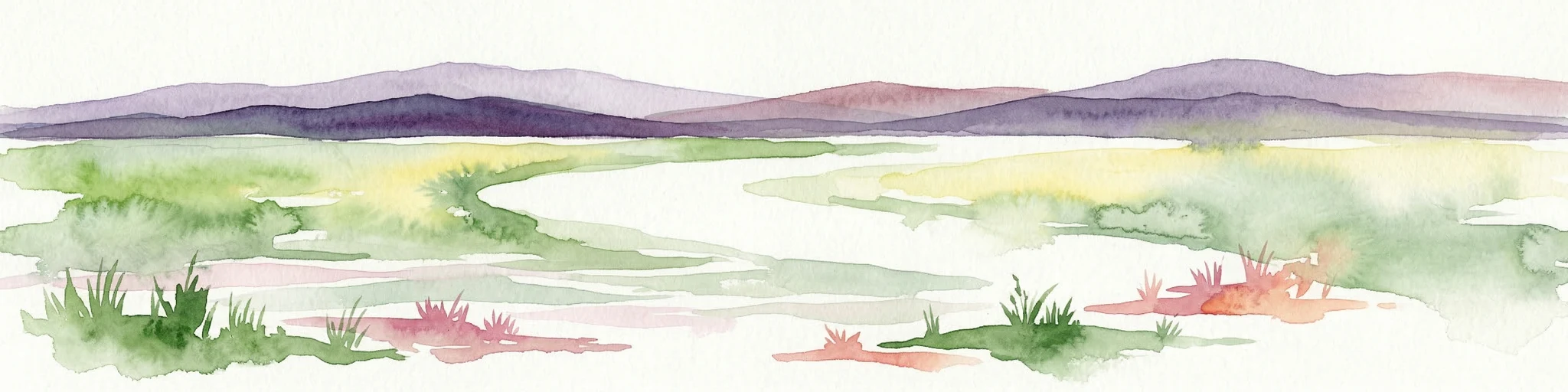
The park encompasses a series of coastal lagoons and adjacent coastal terrain along the Black Sea in southern Ukraine. The lagoons are shallow, brackish water bodies separated from the open sea by narrow barrier islands and sandspits, creating a characteristic barrier beach-lagoon landscape. The larger lagoon systems include Shahany, Alibey, and Burnas, while numerous smaller lagoon bodies such as Solone Ozero, Khadzhyder, Karachaus, Budury, Martaza, Mahala, Malyi Sasyk, and Dzhantshey complete the complex. The surrounding terrain consists primarily of flat to gently rolling coastal steppe, with extensive areas of salt-affected soils supporting specialized halophytic vegetation. The Black Sea coast within the park features sandy beaches and coastal dunes along the barrier formations that separate the lagoons from the open water. The overall landscape is one of low elevation and horizontal horizons, characteristic of the Black Sea coastal plain in this region.
Tuzly Lagoons National Nature Park ecosystems, habitats, and plant life
The Tuzly Lagoons ecosystem represents a remarkable example of coastal wetland habitats along the Black Sea. The lagoons support distinctive salt-tolerant plant communities adapted to the variable salinity conditions created by the mix of seawater inflow and freshwater drainage. The most notable botanical feature is the presence of rare small seagrass (Zostera noltii) beds along the Black Sea coast, a specialized marine angiosperm that thrives in the shallow, moderately saline waters. The wetland margins and adjacent terrestrial areas support characteristic halophyte vegetation including various salt-tolerant grasses and herbaceous plants. The estuarine conditions created where freshwater streams enter the lagoon system produce particularly productive zones that support high biological diversity. The combination of shallow water, abundant food resources, and protected nesting areas makes the lagoon complex exceptionally valuable for waterbirds and wading species.
Tuzly Lagoons National Nature Park wildlife and species highlights
The Tuzly Lagoons are internationally significant for their bird populations, particularly wading birds and waterfowl that use the wetlands during migration. The avifauna includes several species characteristic of coastal wetlands: the distinctive avocet with its recurved bill, the elegant black-winged stilt with its extraordinarily long legs, the ground-nesting stone-curlew of open shoreline habitats, and both collared and Black-winged pratincoles that hunt insects over the water surface and adjacent fields. The lagoons serve as critical staging areas for migratory waterfowl moving between northern European breeding grounds and Mediterranean and African wintering areas. Mammal species present include the lesser blind mole-rat, a specialized burrowing rodent adapted to grassland habitats, and the stoat, a small predatory mammal that hunts in the wetland margins. More recently, the park has been affected by the impacts of the Russian invasion of Ukraine, with dead Black Sea bottlenose dolphins washing ashore along the coastline between 2022 and 2023.
Tuzly Lagoons National Nature Park conservation status and protection priorities
The designation of Tuzly Lagoons as a National Nature Park reflects the area's recognized conservation importance at the national level. The park is managed under IUCN Category II protections, indicating its status as a national park with the primary objective of protecting ecological processes and natural biodiversity. The lagoon system qualifies as an important bird area due to its role in supporting significant populations of migratory and breeding waterbirds. The presence of rare small seagrass beds adds a botanical conservation dimension, as this species is considered vulnerable in the Black Sea region. The protected area also contributes to broader conservation objectives for the Black Sea coastal zone, representing one of the relatively intact wetland complexes remaining in this heavily developed region. Ongoing conservation challenges include maintaining water quality in the lagoon system, managing human disturbance at sensitive nesting areas, and addressing the impacts of broader regional environmental changes.
Tuzly Lagoons National Nature Park cultural meaning and human context
The Tuzly Lagoons are located in the historically multi-ethnic coastal region of southwestern Ukraine, near the town of Tatarbunary. The area has been part of various historical polities and has experienced diverse cultural influences given its position along the Black Sea coast. The lagoon system has traditionally supported local fishing communities that harvest fish and other aquatic resources from the brackish water bodies. The landscape also reflects the agricultural character of the surrounding Odesa Oblast steppe, with farmland extending to the boundaries of the protected area in places. The wetlands have long been recognized by local communities as important natural resources, both for their ecological functions and their economic value. The establishment of the park formalized protection for an area that had been valued by local populations for generations.
Top sights and standout views in Tuzly Lagoons National Nature Park
The Tuzly Lagoons provide exceptional opportunities for observing coastal wetland biodiversity in Ukraine. The shallow lagoons and their margins support impressive concentrations of wading birds during migration seasons, making spring and autumn particularly rewarding times for birdwatching visits. The barrier beaches and lagoon shores offer scenic landscapes of the Black Sea coast, with expansive views across the water bodies and opportunities to observe the interface between marine and freshwater environments. The salt-tolerant vegetation creates a distinctive visual character quite different from the more common freshwater wetlands found elsewhere in Ukraine. The park also serves as an important scientific reference area for studying coastal lagoon ecology and the dynamics of brackish water ecosystems. The combination of protected lagoon habitats, coastal dunes, and adjacent steppe creates a diverse natural environment within a relatively compact protected area.
Best time to visit Tuzly Lagoons National Nature Park
The optimal times to visit Tuzly Lagoons National Nature Park are during the spring and autumn migration periods when waterbird concentrations reach their peak. Spring migration typically brings large numbers of wading birds and waterfowl moving northward to breeding grounds, while autumn sees the reverse movement as birds head south to wintering areas. The summer months offer opportunities to observe breeding species and enjoy the full extent of the wetland vegetation, though conditions can be quite hot in this coastal region. Winter visits are possible but the lagoons may be partially frozen and wildlife viewing opportunities more limited. The park can be visited year-round, though spring and autumn provide the most diverse and rewarding wildlife observation experiences.