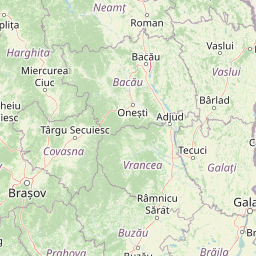

Why Lunca Joasă a Prutului Inferior Natural Park stands out
This park is best known for its role as a major European wetland and bird migration hub. The floodplain serves as a critical passage point along the East Elbic, Carpathian, and Pontic migration flyways, supporting over 239 bird species, of which fifty are listed in Romania's Red Book of Vertebrates as vulnerable, threatened, or critically threatened. The park is particularly famous for its waterfowl populations, colonial nesting birds including herons, egrets, and storks, and seasonal flocks of migratory waterbirds that pass through in spring and autumn. Lacul Brateș, the largest lake in the complex, is often called Romania's Baltic Sea for its significant size and ecological importance.
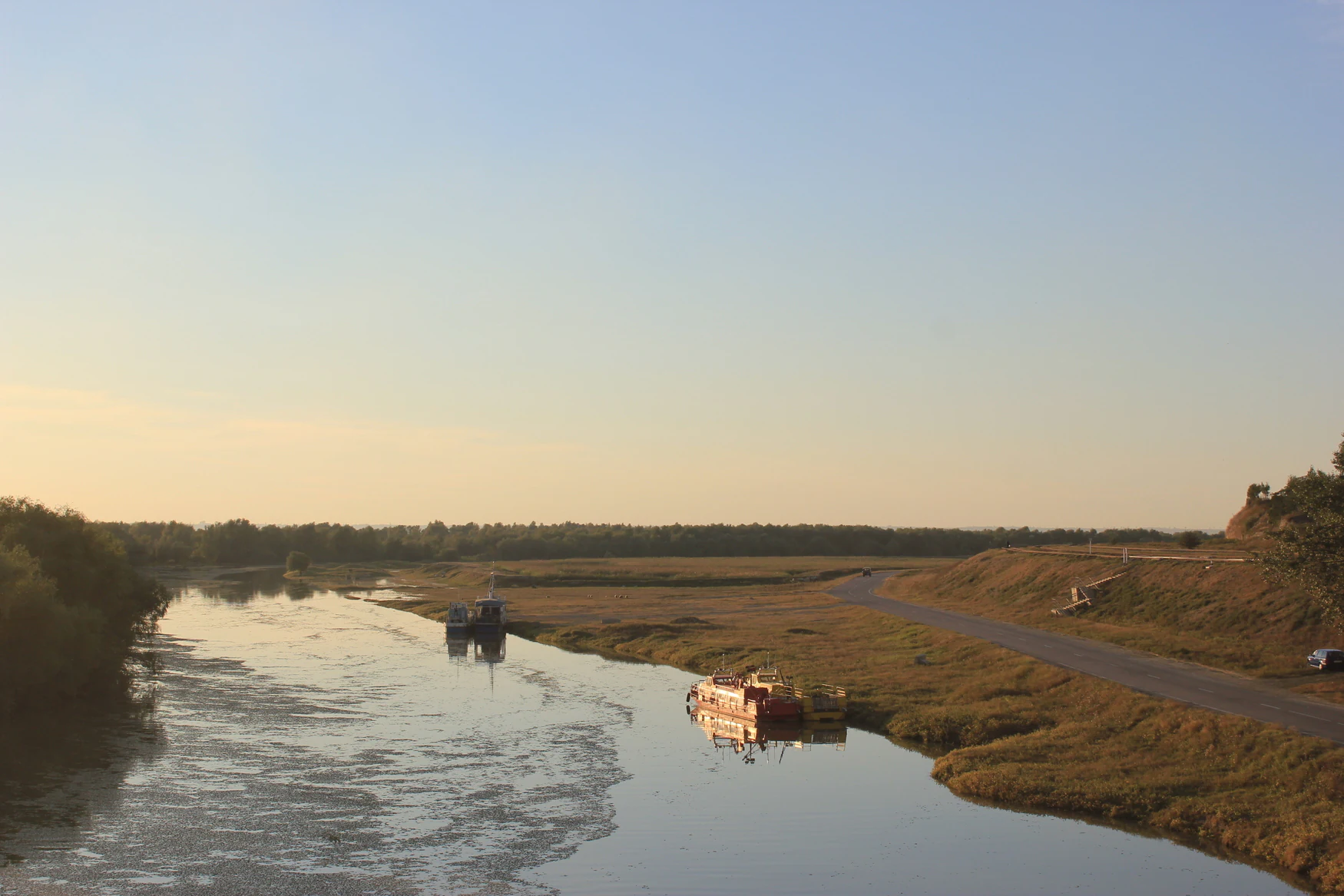
Lunca Joasă a Prutului Inferior Natural Park history and protected-area timeline
The protection of the Lunca Joasă a Prutului Inferior area evolved through Romania's modern conservation framework, with formal designation as a natural park occurring in 2005. The park's establishment followed growing recognition of the area's international ecological importance, particularly for migratory birds and wetland biodiversity. Prior to formal protection, the region had long been known for its fishing and fish farming activities, with extensive pond complexes developed for aquaculture. The inclusion of the territory within the European Natura 2000 network followed Romania's accession preparations, with the area designated as a Site of Community Importance in December 2007 and as a Special Protection Area in October 2007. The administrative structure for managing the park was created in March 2010, housed within the Galați County Sport Fishermen's Association. The park contains several older protected reserves including Lunca Joasă a Prutului (81 hectares), Lacul Pochina (75 hectares), Lacul Vlășcuța (42 hectares), and Ostrovul Prut (62 hectares), which were incorporated into the larger protected area framework.
Lunca Joasă a Prutului Inferior Natural Park landscape and geographic character
The physical landscape of Lunca Joasă a Prutului Inferior Natural Park is defined by the broad floodplain of the lower Prut River as it approaches its confluence with the Danube. The terrain is predominantly flat, with elevations ranging from just 3 meters above sea level at the southern extent near the Danube confluence to approximately 209 meters on elevated grounds such as Dealul Cocoșului. The Prut River flows through the park from north to south, creating a complex pattern of channels, oxbow lakes, and wetlands. The floodplain is flanked by the Covurlui Hills to the west, while the eastern boundary follows the state border with the Republic of Moldova along the river for 122 kilometers. Microrelief within the floodplain includes natural levees, abandoned river channels, and marshy depressions that flood seasonally. The hydrological network consists of the main Prut channel, its tributaries including Horincea, Oancea, Seaca, Stoeneasca, and Brănești, as well as the Chineja channel that flows into Lacul Brateș. The geological foundation consists of crystalline schists and Paleozoic sediments overlain by more recent formations including loess deposits from the Pleistocene and Holocene alluvium in the river valley.
Lunca Joasă a Prutului Inferior Natural Park ecosystems, habitats, and plant life
The ecological character of the park is fundamentally defined by its extensive wetland systems and floodplain forests. Approximately 62 percent of the protected area consists of aquatic environments including the river channel, natural lakes, and fish ponds, while floodplain forests cover about 25 percent of the territory. The aquatic habitats include oligotrophic to eutrophic standing waters, natural eutrophic lakes, dystrophic ponds, and rivers with muddy banks, supporting diverse plant and animal communities. The floodplain forests grow on recent alluvial deposits within the major river course and are dominated by hardwood species including oak, elm, and ash. Willow-poplar zăvoaie forests occur in periodically flooded areas with high groundwater levels. The wetland vegetation includes extensive reed beds, bulrush stands, and floating aquatic vegetation, while the surrounding grasslands include both wet meadow communities and drier steppe-like formations on loess soils. The park lies at the crossroads of three major bird migration corridors, making it ecologically significant for both breeding and migratory bird populations across Europe.
Lunca Joasă a Prutului Inferior Natural Park wildlife and species highlights
The wildlife of Lunca Joasă a Prutului Inferior Natural Park is exceptionally rich, particularly for birds. Researchers have documented 239 bird species within the park, with fifty of these appearing in Romania's Red Book as species requiring protection due to their vulnerable, threatened, or critically threatened conservation status. The waterfowl communities include both nesting species and vast numbers of migratory birds that use the area as a staging ground. Notable species include the little grebe, red-crested pochard, goosander, corn crake, great snipe, and black-tailed godwit, with several species considered globally threatened. Herons and egrets are particularly well represented, with squacco heron, great white egret, purple heron, little egret, and glossy ibis all breeding in the area. The park also supports significant populations of the white stork and black stork, as well as birds of prey including the lesser spotted eagle and saker falcon. The fish community includes economically important species such as catfish, tench, pike, carp, and pike-perch, alongside smaller species like bitterling and weatherfish. Mammals include the wildcat, European otter, steppe polecat, roe deer, wild boar, and racoon dog, while amphibians and reptiles include the marsh frog, common toad, European pond turtle, and several snake and lizard species.
Lunca Joasă a Prutului Inferior Natural Park conservation status and protection priorities
The conservation significance of Lunca Joasă a Prutului Inferior Natural Park extends far beyond Romania's borders, with the area recognized as part of the Pan-European ecological network through its Natura 2000 designation. The park's classification as both a Site of Community Importance and a Special Protection Area for Birds reflects its exceptional value for biodiversity conservation, particularly for waterfowl and migratory bird populations. The wetland habitats within the park qualify for inclusion under the EU Birds Directive and Habitat Directive, ensuring protection for the diverse ecosystems found here. The park serves a critical ecological function as a gateway and buffer zone for the Danube Delta Biosphere Reserve, helping to maintain ecological connectivity across the broader Black Sea region. Conservation efforts focus on maintaining the hydrological regime that sustains the wetland ecosystems, protecting nesting and foraging habitats for colonial waterbirds, and managing the fish populations that form the base of the food web supporting many species. The presence of fifteen bat species, including the Daubenton's bat and pond bat which serve as indicators of water quality, further underscores the ecological health of the area.
Lunca Joasă a Prutului Inferior Natural Park cultural meaning and human context
The human context of Lunca Joasă a Prutului Inferior Natural Park reflects centuries of traditional interaction between local communities and the wetland landscape. The park encompasses eight communes with eighteen villages, where agricultural and fishing activities have shaped both the landscape and local culture. The communities maintain traditional occupations centered on agriculture, livestock farming, viticulture, and particularly fishing and fish farming. The region has archaeological significance with evidence of human occupation dating to the Paleolithic period, including traces of Monteoru and Gumelnița cultures. Several medieval and modern churches dot the surrounding villages, with the oldest dating to 1796 in Comănești. Traditional crafts including willow and reed weaving, wool processing, and linen production continue in the area. The nearby town of Galați serves as the administrative center, while the border crossing at Giurgiulești marks the interface between Romania and the Republic of Moldova, reflecting the transboundary nature of the Prut River ecosystem.
Top sights and standout views in Lunca Joasă a Prutului Inferior Natural Park
Lunca Joasă a Prutului Inferior Natural Park stands out as one of Romania's premier wetland conservation areas, combining significant biodiversity with crucial ecological functions as a migration corridor. The park's 239 bird species include globally threatened species, making it a destination of international importance for birdwatching and ornithological research. The extensive reed beds and open waters of Lacul Brateș, Pochina Lake, and Vlășcuța Lake provide exceptional opportunities to observe colonial nesting birds, migrating waterfowl, and predatory species. The floodplain forests represent some of the last remaining riparian woodlands in the region, while the complex of fish ponds supports both wildlife and traditional aquaculture. The park's position at the gateway to the Danube Delta creates a unique ecological bridge between two of Europe's most important wetland systems. Visitor facilities including birdwatching platforms at key locations allow for close observation of wildlife while minimizing disturbance to sensitive habitats.
Best time to visit Lunca Joasă a Prutului Inferior Natural Park
The optimal seasons for experiencing Lunca Joasă a Prutului Inferior Natural Park are spring and autumn, when the park comes alive with migratory bird movements. Spring migration, particularly from March through May, brings vast numbers of waterfowl moving northward toward breeding grounds, with concentrations particularly impressive at Lacul Brateș and the floodplain lakes. Autumn migration from August through November offers another spectacular display as birds move south, often in large flocks that provide memorable viewing opportunities. Summer months support breeding activity for many bird species, with herons, egrets, and warblers active throughout the wetlands, though the heat and insect activity can be challenging. Winter brings reduced but still notable bird diversity, with species adapted to colder conditions present throughout the frozen wetlands. The park can be visited year-round, though spring and autumn offer the most dynamic wildlife viewing experiences and the most comfortable outdoor conditions for exploration.