Why Lower Dniester National Nature Park stands out
The park is renowned for its extraordinary waterbird colonies and wetland biodiversity. The Dniester Estuary supports one of the largest breeding populations of storks, herons, and pelicans in the Azov-Black Sea region, with some nesting species representing over 1% of their respective geographic populations. The flooded forest channels of the Turunchuk River create a unique "Dniester Amazon" environment, while the shallow lagoon waters provide critical spawning habitat for more than 70 fish species. The park's ichthyological reserve at Karagol Bay protects fish breeding grounds where fishing is prohibited.
Lower Dniester National Nature Park history and protected-area timeline
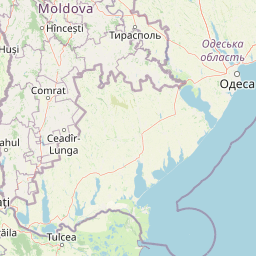
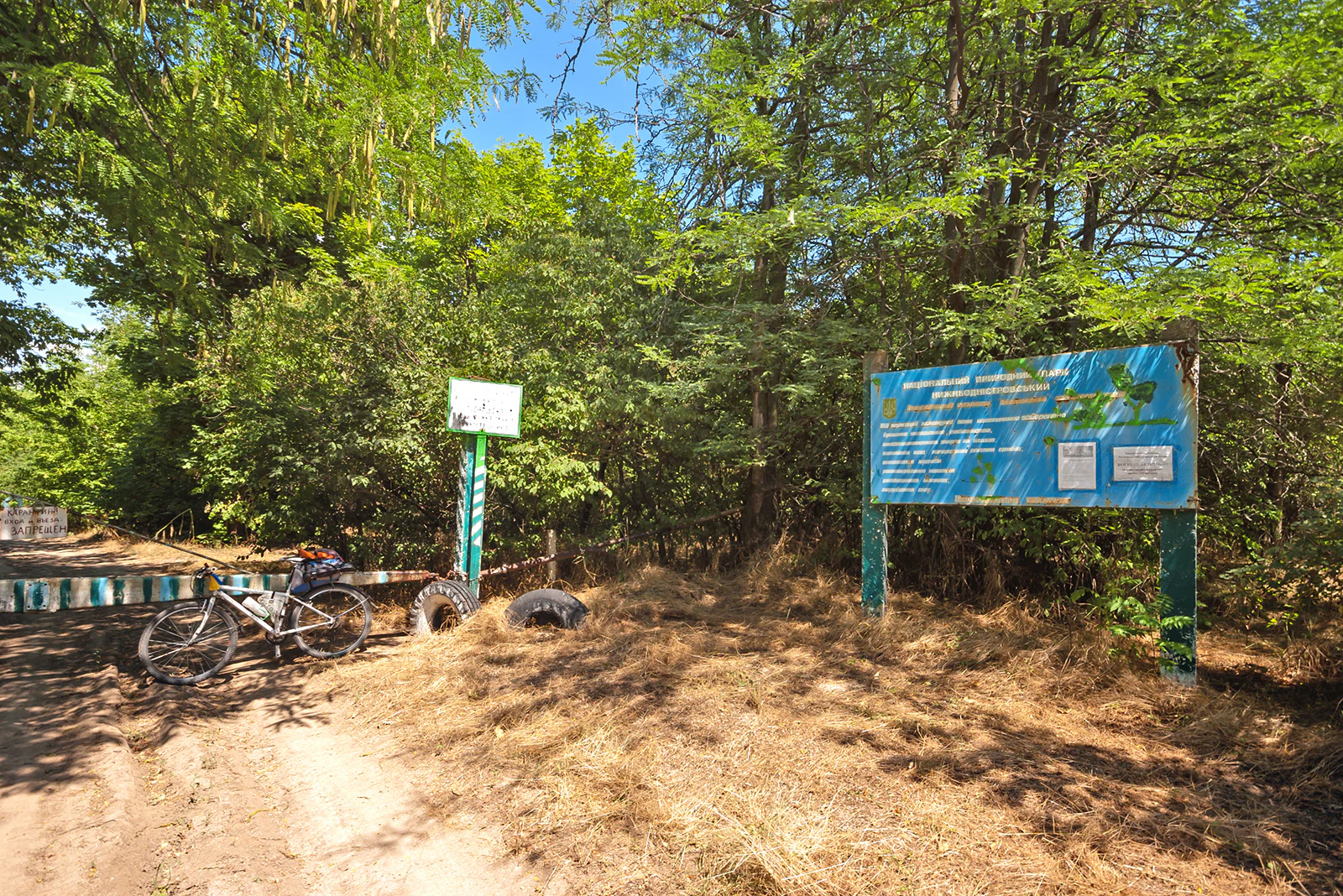
Lower Dniester National Nature Park was established by Presidential Decree No. 1033 on November 13, 2008, creating Ukraine's newest national park at that time. The park was formed partly by incorporating earlier protected area designations, including the "Dnistrovski Plavni" (Dniester Floodplains) reserve and the "Lymansky" landscape reserve, which retained their separate protected status within the larger park framework. The Karagol Bay, an ichthyological reserve since 1965, also became part of the park's protected zone. The park occupies a region with deep historical ties to floodplain utilization, where fishing and hunting traditions have shaped local communities for generations. The administrative structure operates from two locations: an office in Odesa and the main administrative building in the village of Mayaky on the left bank of the Dniester, approximately 40 kilometers from Odesa. The park's management must balance conservation objectives with the ongoing traditional economic activities that characterize the lower Dniester region.
Lower Dniester National Nature Park landscape and geographic character
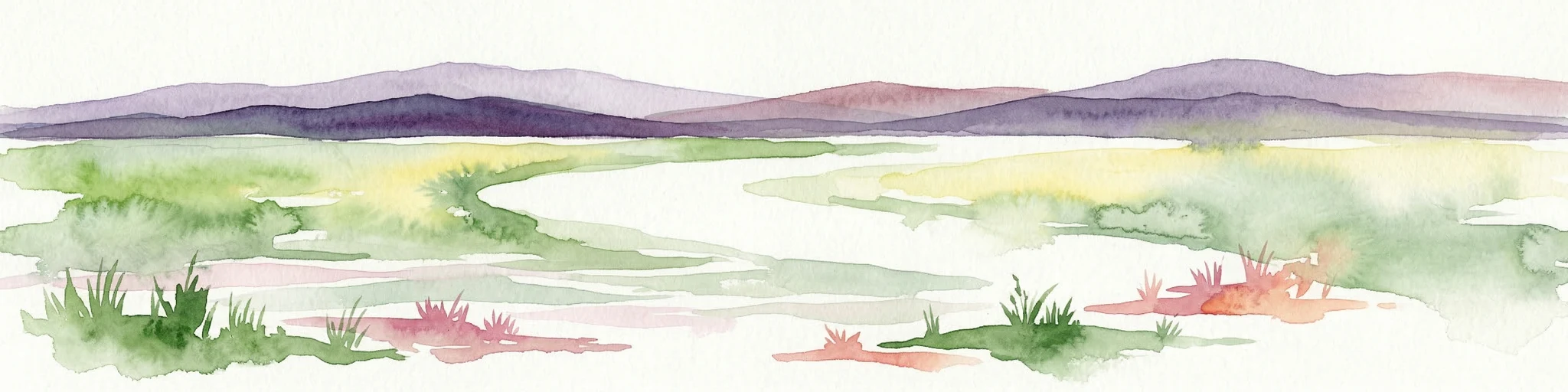
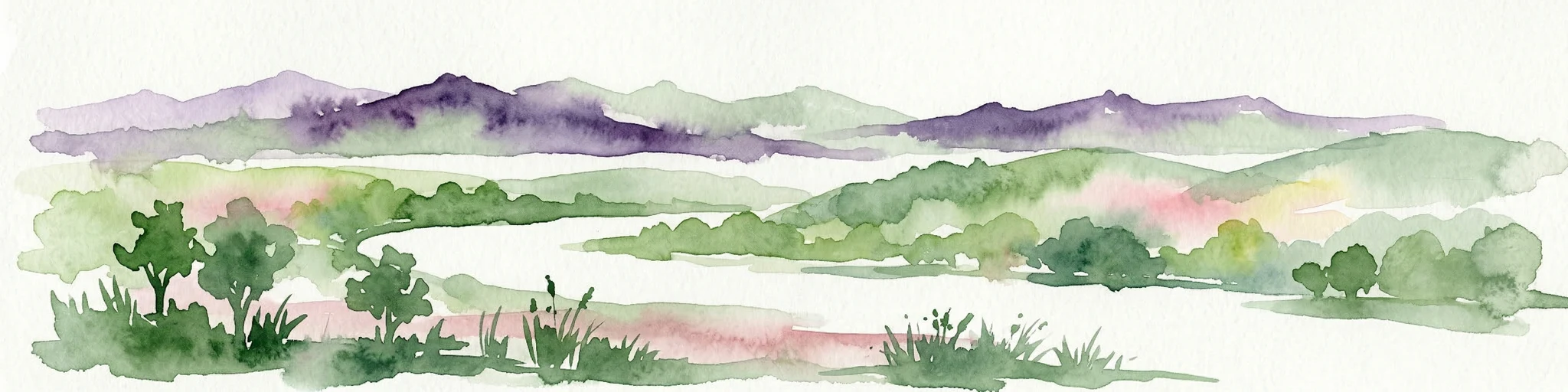
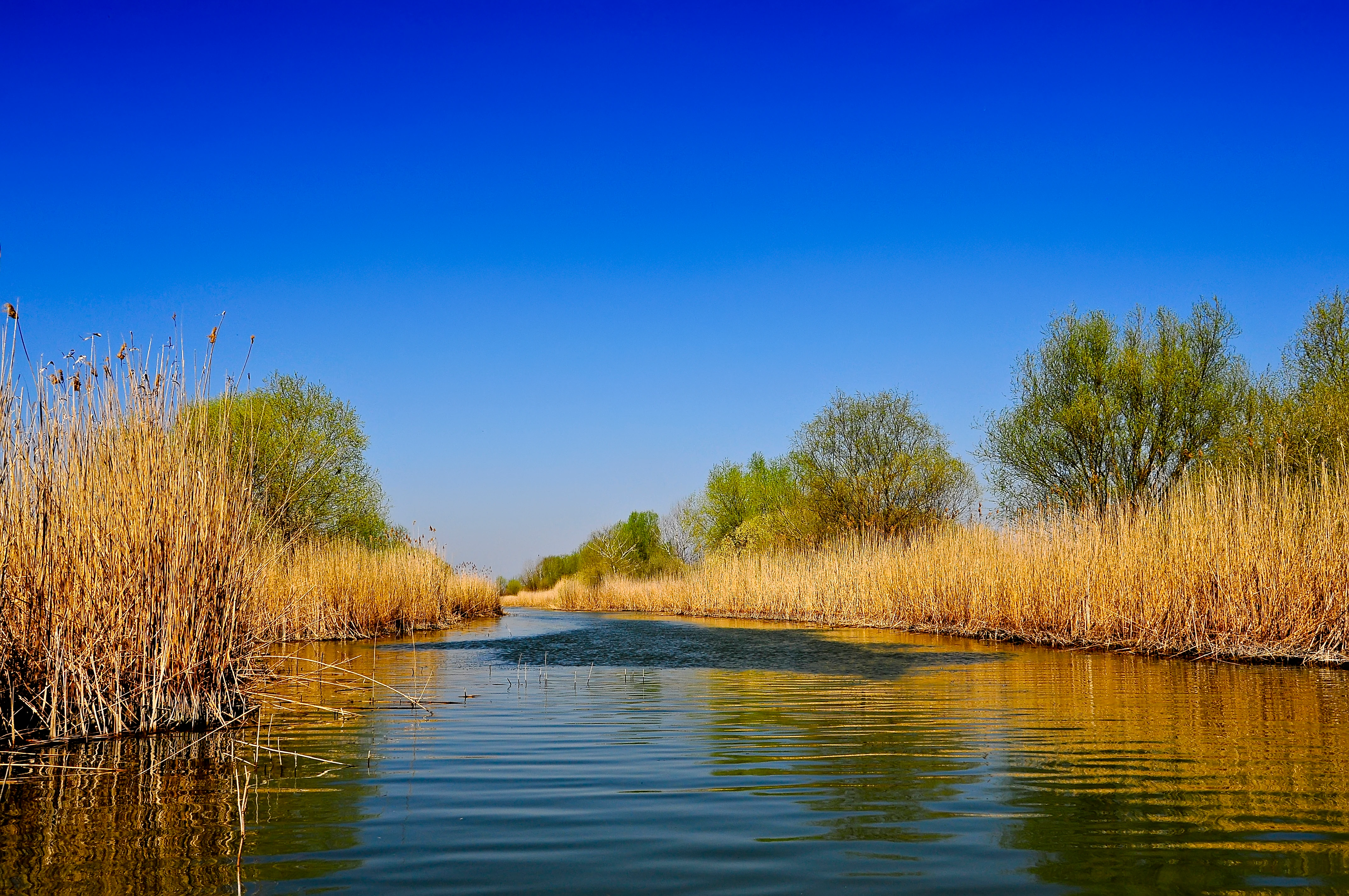
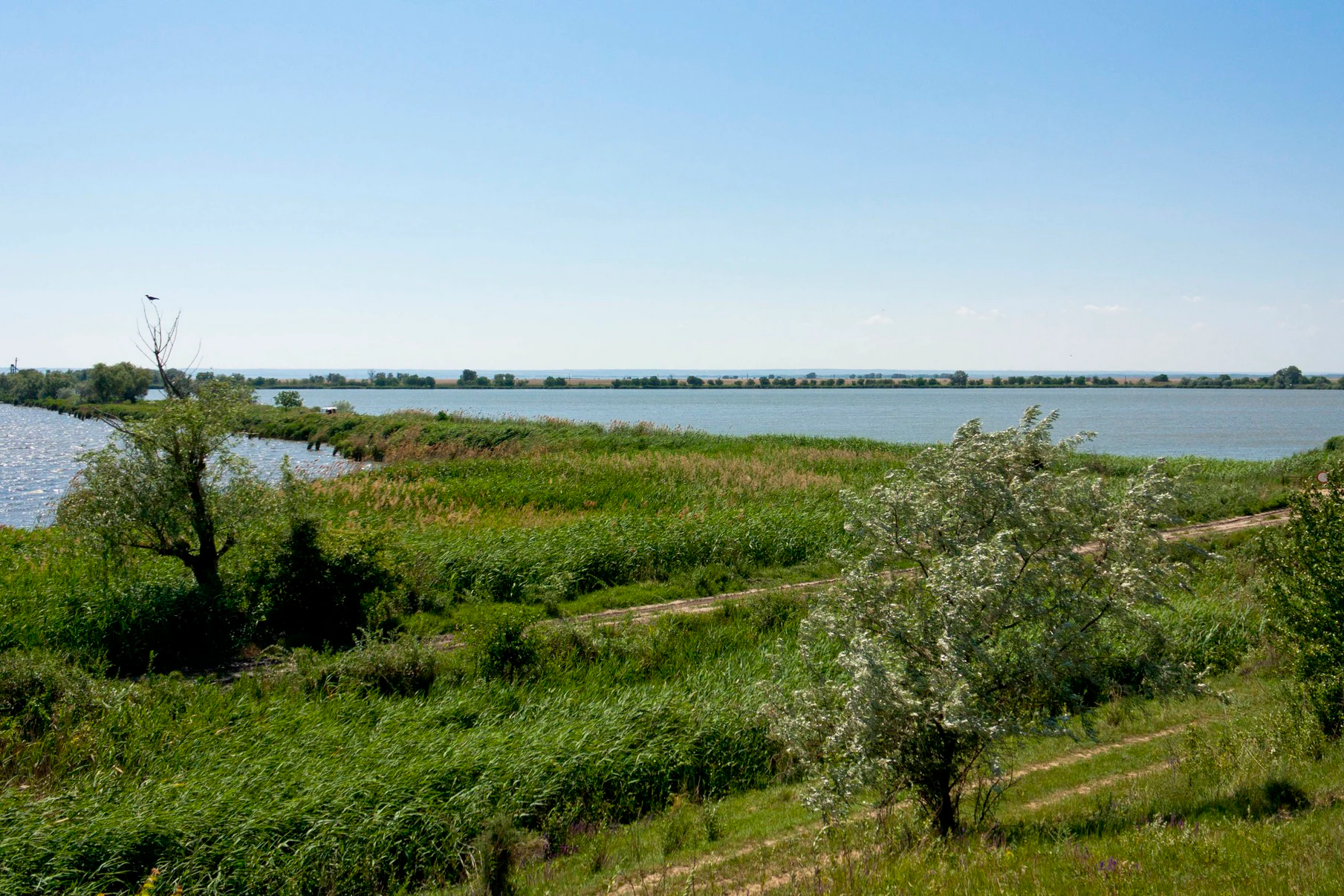
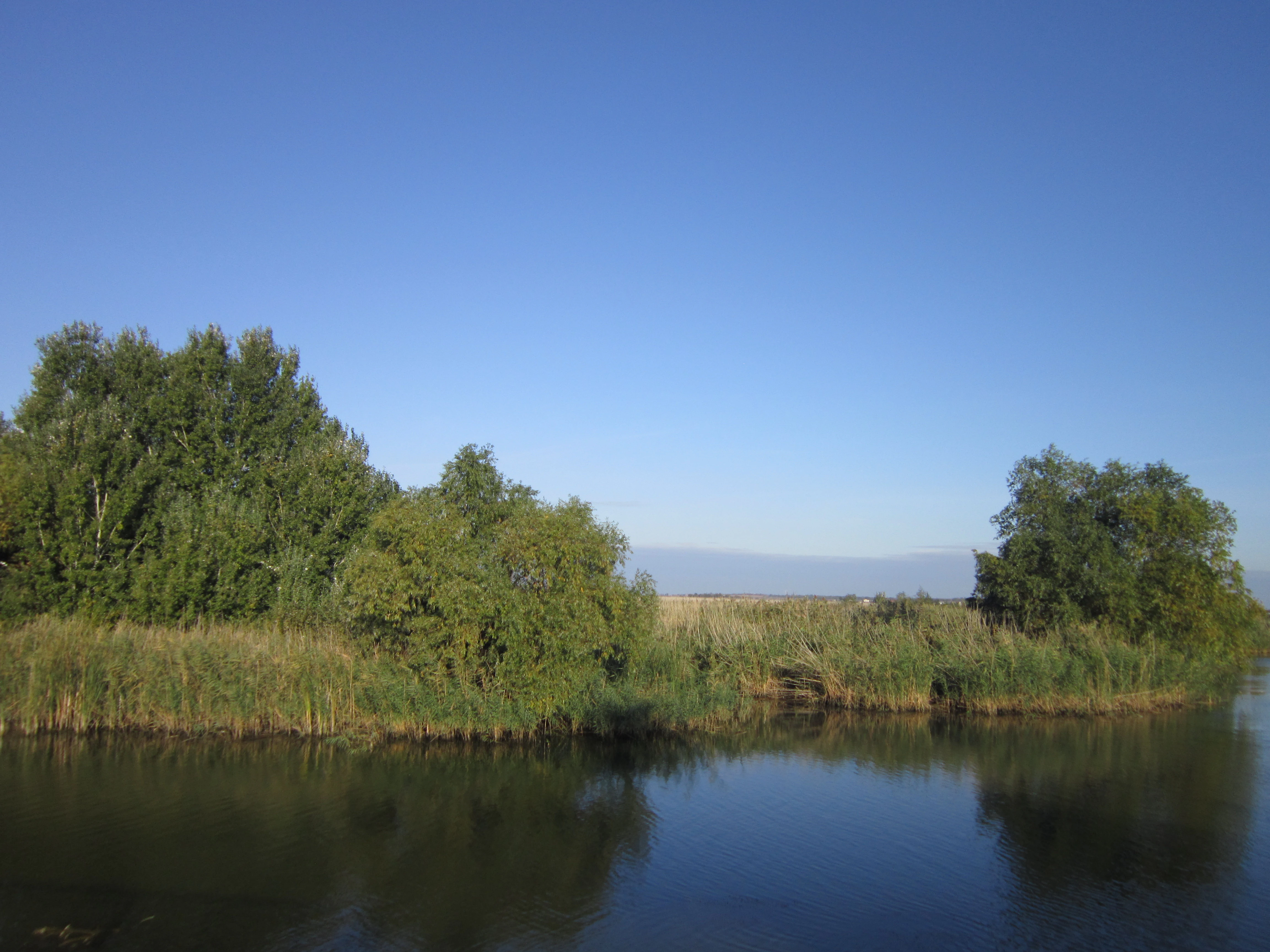
The park's landscape centers on the Dniester Liman, a rectangular freshwater lagoon extending along the Black Sea coast with a width of up to 10 kilometers and a length exceeding 40 kilometers. The lagoon is fed primarily by the Dniester River, with the Turunchuk River entering from Moldova to the west, creating a complex delta system of branching channels, scroll ridges, and accumulative landforms. The coastal area forms a freshwater lagoon separated from the Black Sea by a narrow strip, while inland areas contain permanent inland deltas and intermittent freshwater lakes. The terrain is overwhelmingly flat, characteristic of a large river estuary, with extensive reed beds dominating the shallow margins and floating bog formations occurring in quieter backwater areas. Islands of floodplain forest appear intermittently throughout the wetlands, providing forested cover amidst the otherwise open aquatic landscape. The southern portion of the park, particularly around Karagol Bay, contains shallower waters that support dense aquatic vegetation.
Lower Dniester National Nature Park ecosystems, habitats, and plant life
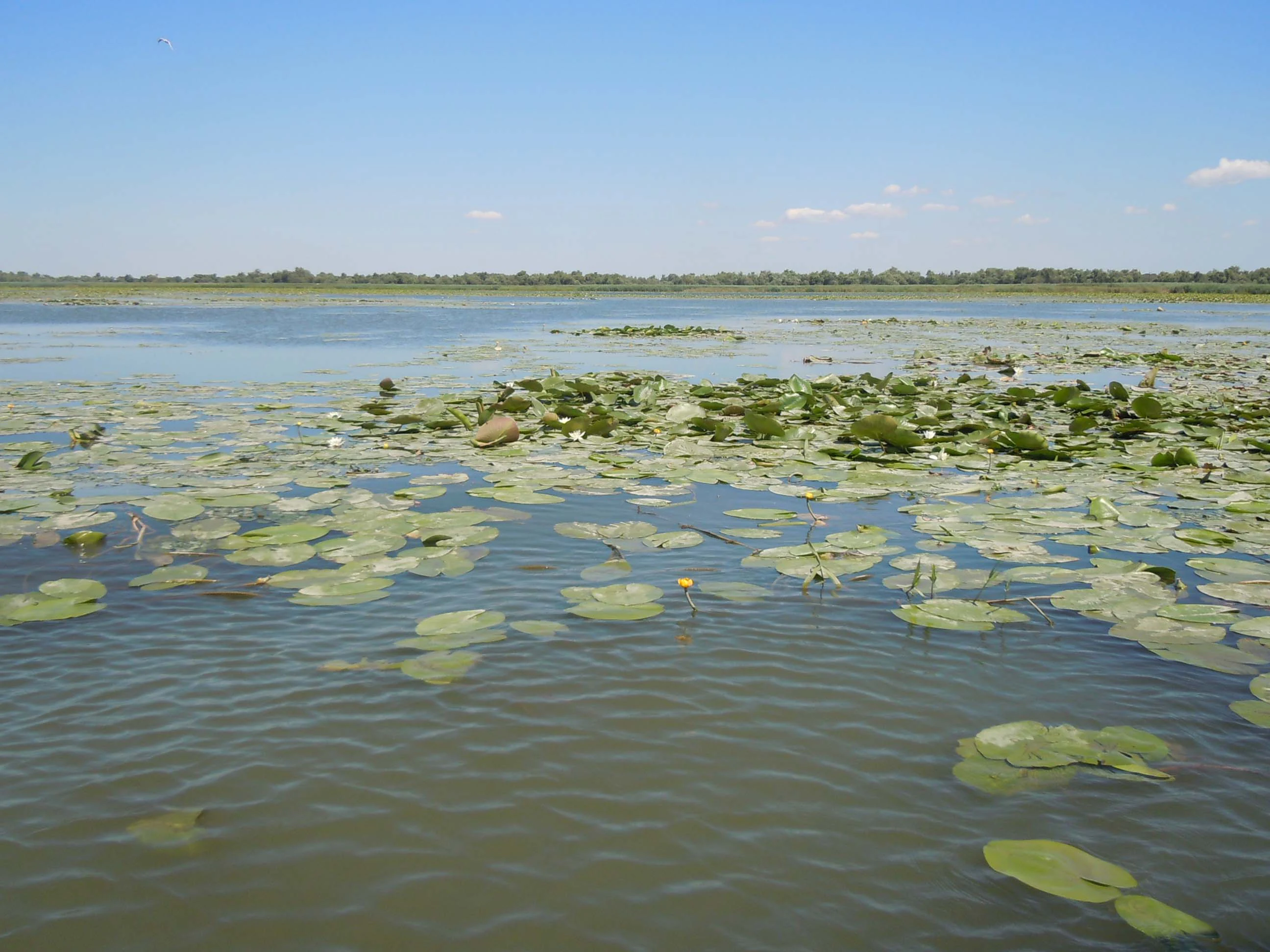
The park's ecological character is defined by its extensive wetland ecosystems, which support remarkably high biodiversity despite the relatively recent formal protection status. The wetland habitats encompass a gradient from open water through emergent reed beds to forested islands, creating diverse ecological niches. The Dniester Estuary serves as a critical node in the East Atlantic Flyway, the migratory corridor linking Arctic breeding grounds with African wintering areas. Water depths throughout the lagoon average 2-3 meters, with extensive shallows warming quickly in summer and supporting dense populations of aquatic invertebrates and fish. The floodplain forest fragments, though limited in extent, provide important breeding and shelter habitat for species requiring forested cover within the otherwise open wetland matrix. The surrounding steppe landscape, while not part of the protected area, creates a sharp ecological boundary with the aquatic environment.
Lower Dniester National Nature Park wildlife and species highlights
The park supports extraordinary wildlife populations, particularly among birds and fish. Ornithological surveys have recorded up to 15,000 nesting pairs of waterfowl, with dominant species including Eurasian coot, great crested grebe, mallard, and black-headed gull forming large breeding colonies. The lower Dniester hosts the largest stork and pelican colonies in the Azov-Black Sea region, with populations of spoonbill, glossy ibis, great white heron, and purple heron representing significant proportions of their European or regional populations. The fish community includes more than 70 species across 20 families, providing critical spawning habitat that supports commercial and ecological fisheries downstream. The protected area also supports notable mammal populations, including one of Ukraine's last remaining natural populations of the European mink, a critically endangered mustelid. Jackal populations have expanded into the floodplains, and the area supports diverse amphibian and reptile communities in the wetland margins.
Lower Dniester National Nature Park conservation status and protection priorities
The park's conservation significance is recognized internationally through its designation as a Ramsar site, with two wetland areas "Northern Part of Dniester Liman" and "Dniester-Turunchuk Interfluve" inscribed under the Convention on Wetlands. The park is categorized as IUCN Category II, reflecting its dual conservation and sustainable use mandate. The inclusion of the Karagol Bay ichthyological reserve, where fishing is prohibited, demonstrates the park's commitment to protecting critical fish spawning habitat. Conservation challenges include managing the interface between protected zones and surrounding agricultural land, where traditional fishing and hunting continue. The park conducts ongoing environmental education programs and works with local communities to promote sustainable practices. Poaching remains a concern, with enforcement efforts addressing illegal fishing practices that can damage fish populations and disturb sensitive bird colonies.
Lower Dniester National Nature Park cultural meaning and human context
The lower Dniester region has been inhabited for millennia, with the floodplain providing rich fishing grounds and the adjacent steppe supporting pastoral communities. The village of Mayaky, serving as the park's administrative center, lies on the left bank of the Dniester approximately 40 kilometers from Odesa and has historically served as a gateway to the estuary fisheries. The region's name in Ukrainian, "Nizhnyodnistrovskyi," directly references the river's lower reaches, and the landscape has been shaped by centuries of traditional floodplain utilization including fishing, reed harvesting, and seasonal grazing. The park's establishment in 2008 required balancing these traditional land uses with conservation objectives, resulting in a zoned approach where some areas allow regulated traditional activities while core zones receive full protection.
Top sights and standout views in Lower Dniester National Nature Park
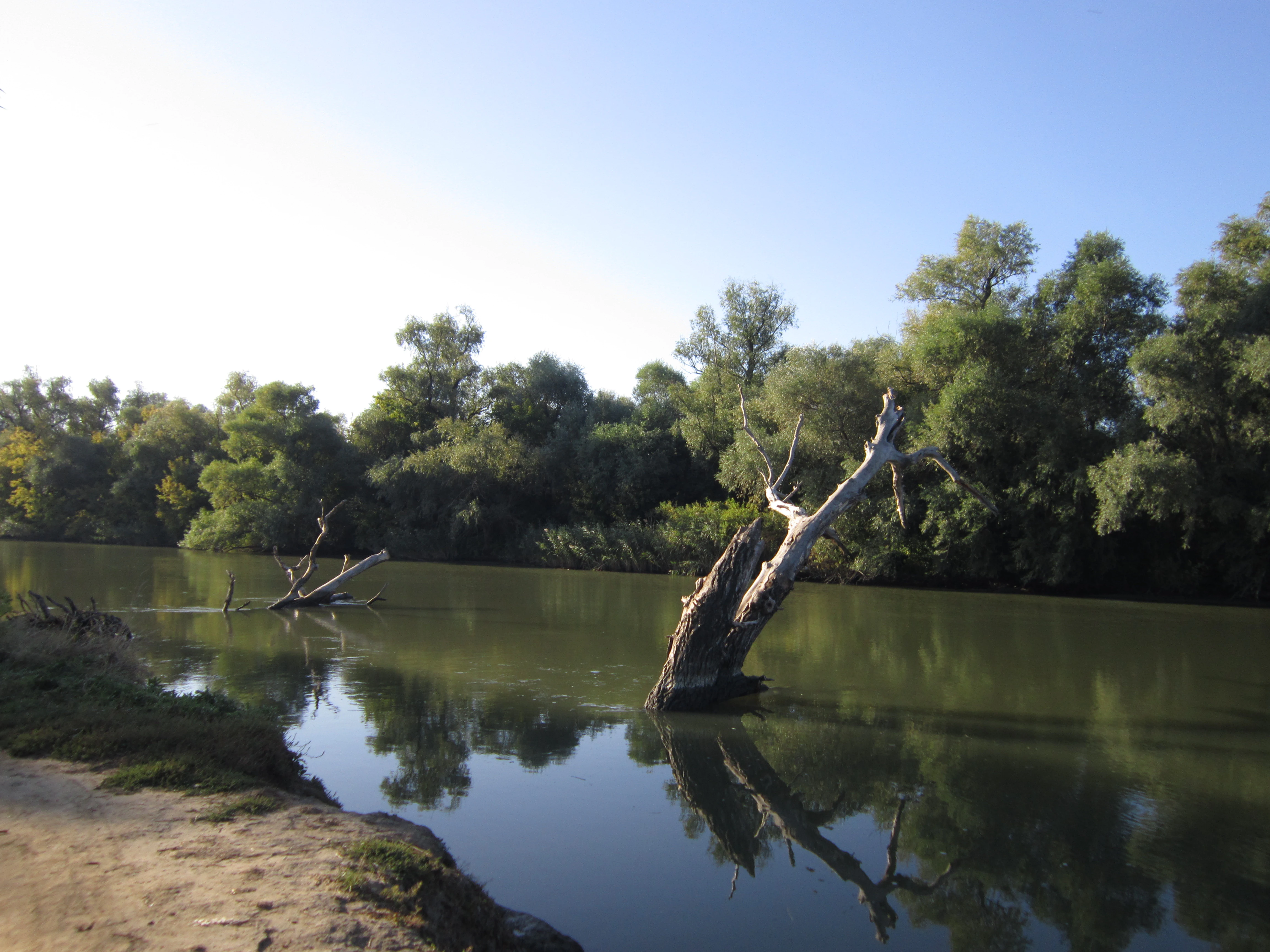
The park offers exceptional birdwatching opportunities, particularly during migration seasons when thousands of waterfowl pass through the estuary. The "Dniester Amazon" route traverses a picturesque channel called the Amazon Strait, winding through floodplain forest where visitors may observe pelicans, swans, cormorants, herons, and terns. The shallow reaches of the estuary support what is described as the largest European plantation of yellow water-lily (Nuphar lutea), creating extensive floating vegetation displays. The park contains the northern part of the Dniester Liman and the Dniester-Turunchuk Interfluve, both Ramsar sites of international wetland importance. The ichthyological reserve at Karagol Bay protects spawning fish populations, while the diverse habitats support species ranging from European mink to 58 bird species listed in Ukraine's Red Book.
Best time to visit Lower Dniester National Nature Park
The park can be visited year-round, though spring and autumn offer the most dramatic wildlife spectacles. Spring brings massive bird migrations, with thousands of waterfowl arriving to nest in the reed beds and shallow waters, creating exceptional birdwatching opportunities. Autumn migration sees large numbers of birds congregate before heading south, with cranes, swans, and various duck species prominent. Summer months allow exploration of the river channels and swimming in lagoon areas, though midday heat can be intense. Winter access is more limited but offers a different perspective on the frozen wetlands. The climate is humid continental with warm summers and cold, snowy winters, and annual precipitation of 300-400 millimeters.