
Why Orhei National Park stands out
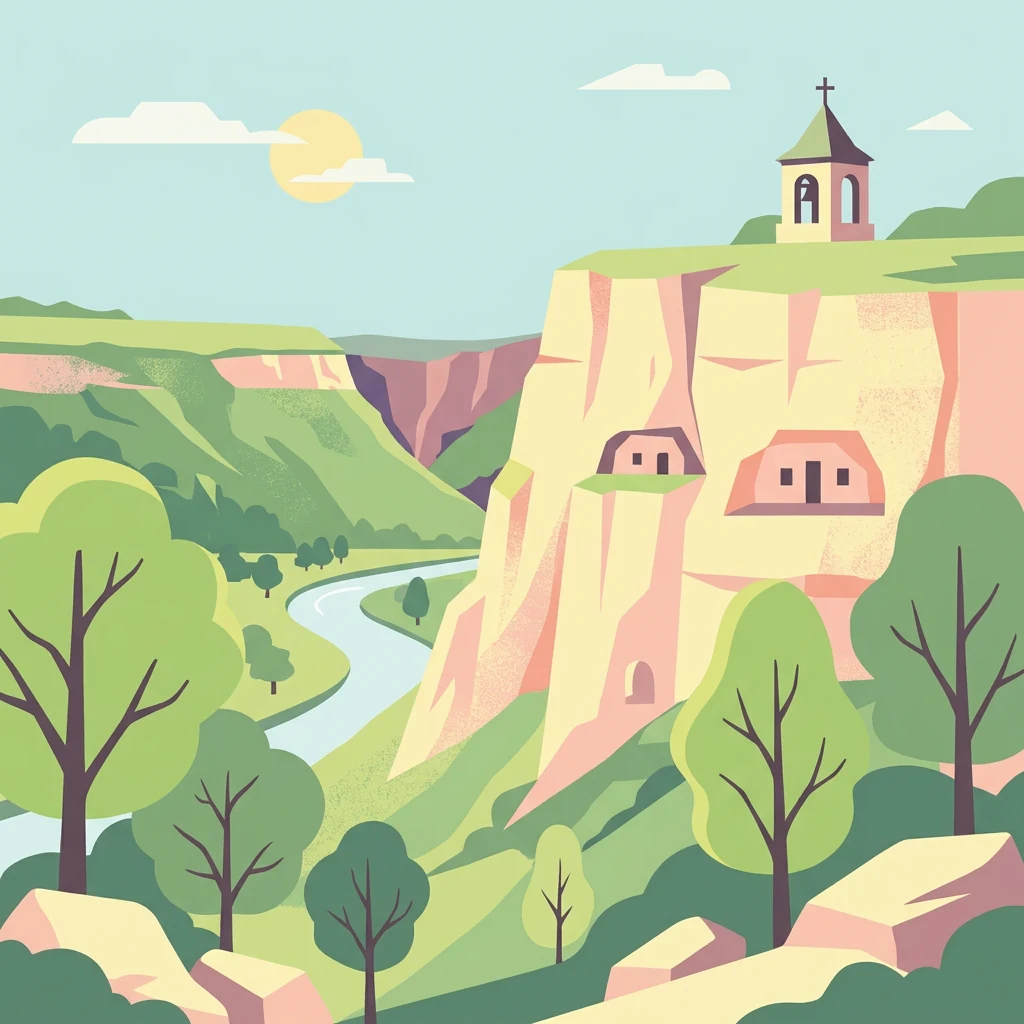
Orhei National Park is best known for its remarkable concentration of cultural and natural heritage within a relatively compact area. The park protects the historic Old Orhei (Orheiul Vechi) complex, a cave monastery system and medieval settlement that has been a UNESCO World Heritage candidate since 2017. The Trebujeni and Țigănești landscape reserves showcase the park's distinctive hilly terrain with forest cover. The Răut River, which flows through the park, creates scenic valleys and supports diverse riparian ecosystems. The presence of five monasteries, including Curchi and Țigănești, plus the archaeological remains of the Golden Horde city Shehr al-Jedid, gives the park exceptional cultural significance while its position in the Codri forests provides important habitat connectivity in Moldova's forest estate.
Orhei National Park history and protected-area timeline
Orhei National Park was established in 2013, marking a watershed moment in Moldova's environmental protection history. Prior to this designation, Moldova was unique among European countries in having no national parks—only strict nature reserves and nature reserves of different categories. The creation of Orhei National Park addressed this gap by designating the Codri region's most significant natural and cultural landscapes under IUCN Category II protection. The park's territory has been inhabited and used by humans for centuries, evidenced by the numerous archaeological sites, medieval settlements, and religious monuments throughout the area. The Old Orhei complex represents the most significant cultural heritage element, with its cave monastery system and standing religious structures representing different periods of occupation and construction. The medieval city of Shehr al-Jedid, established during the Golden Horde period, represents an important but lesser-known historical layer. The selection of this particular area for Moldova's first national park reflected both the ecological importance of the Codri forests and the exceptional concentration of cultural heritage sites that would benefit from protected status. The park's establishment was accompanied by infrastructure development including tourist routes designed for motorists, cyclists, pedestrians, and climbers, making the heritage and natural landscapes accessible to visitors while maintaining protection objectives.
Orhei National Park landscape and geographic character
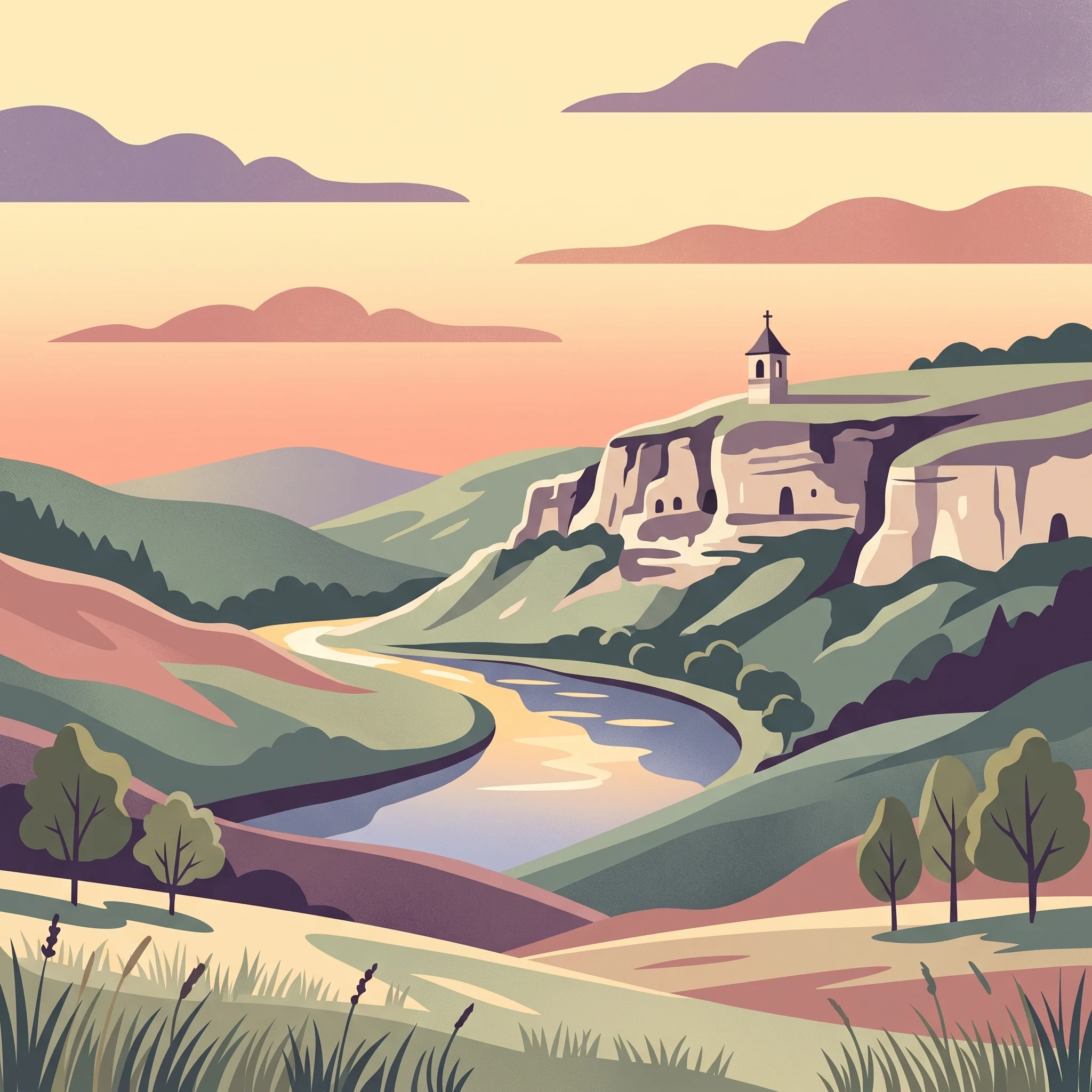
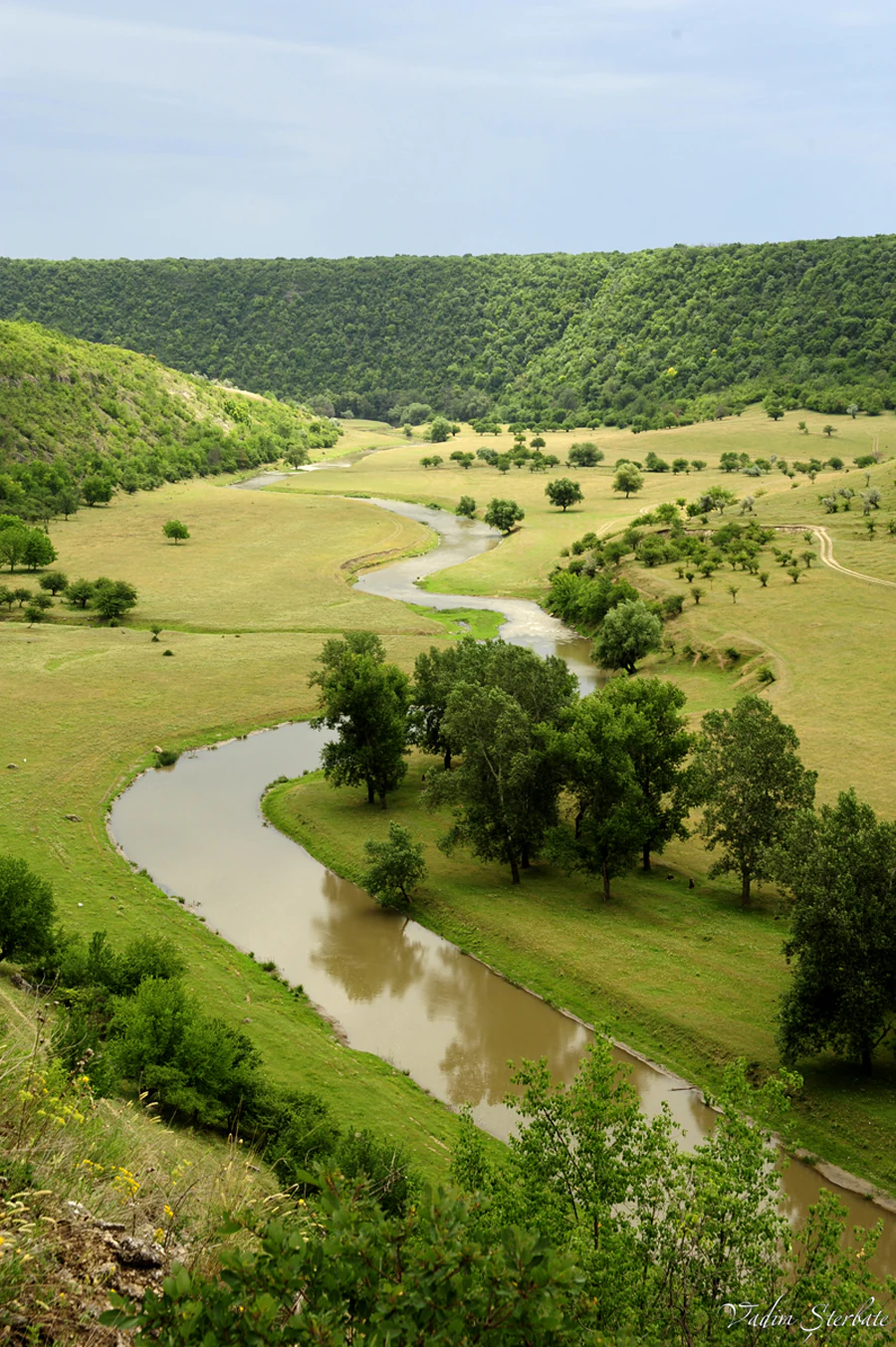
The landscape of Orhei National Park is characteristic of Moldova's central Codri region—a gently hilly terrain that rises above the surrounding plains while remaining far from mountainous. The terrain features smooth ridges and slopes covered with deciduous forest, interspersed with deep valleys carved by streams and the Răut River. The forest cover is a defining visual element, with the Codri forests representing some of Moldova's most extensive and intact woodland areas. The Răut River flows through the park, creating a meandering valley with riparian vegetation and wetland areas along its course. The landscape reserve areas within the park—Trebujeni and Țigănești—represent particularly scenic portions where the hilly terrain, forest coverage, and cultural elements combine into distinctive vistas. The area lacks dramatic rock formations or extreme terrain, instead offering the subtle beauty of rolling hills, graceful valleys, and the interplay of forest and field that characterizes central Moldova's countryside. The landscape supports agricultural use in the valley bottoms and village surroundings while the hillslopes and steeper terrain maintain forest cover.
Orhei National Park ecosystems, habitats, and plant life
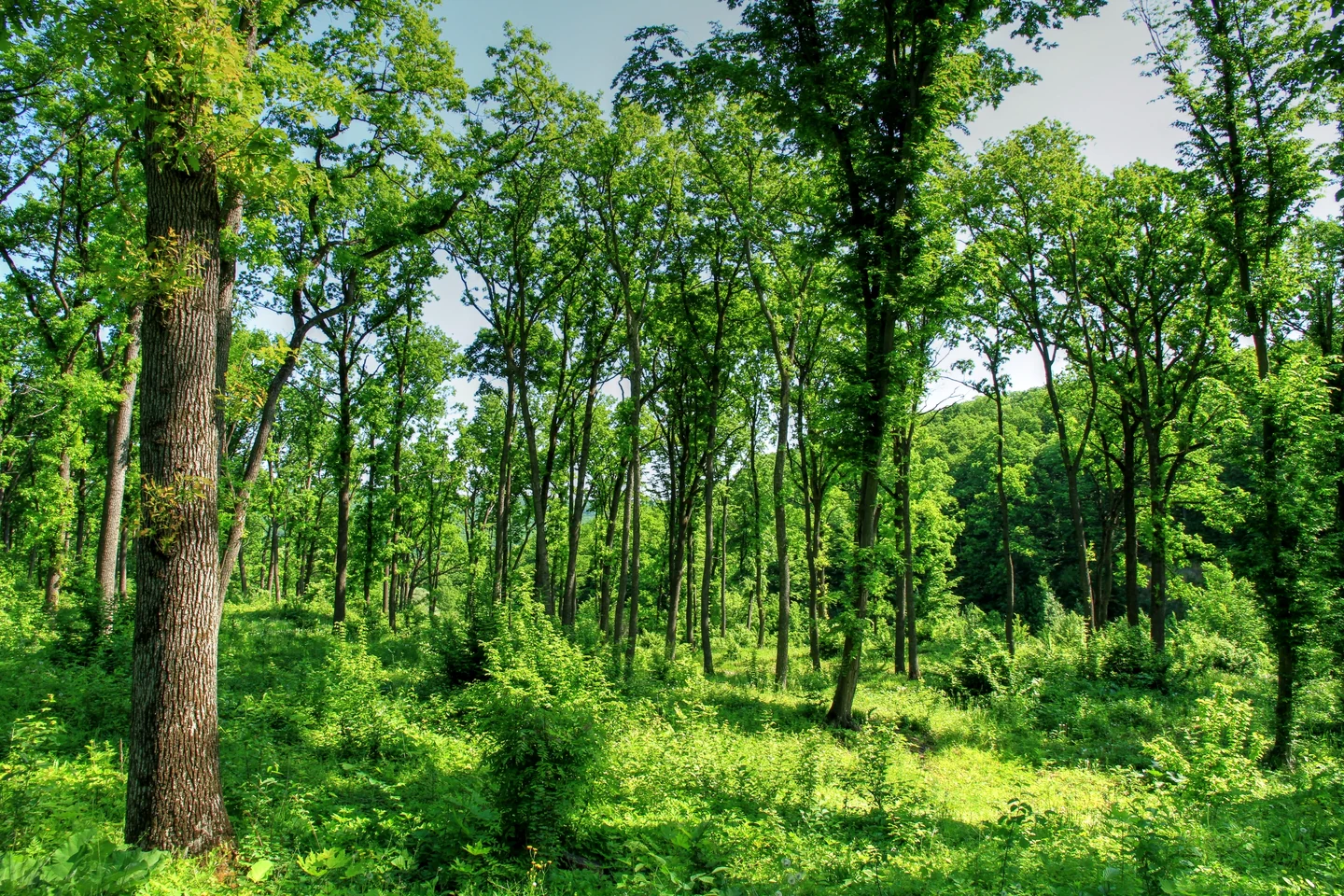
The natural ecosystems of Orhei National Park center on the temperate deciduous forests that dominate the hilly terrain of the Codri region. These forests represent important habitat for Moldova's woodland biodiversity, providing structure and cover for numerous species of birds, mammals, and invertebrates. The Răut River corridor adds aquatic and riparian habitats to the park's ecological diversity, with riverine forests, wetlands, and the river itself supporting different species assemblages than the surrounding upland forests. The combination of forest cover, water features, and the variety of terrain creates a mosaic of habitats within a relatively compact area. Moldova's position at the crossroads of different biogeographic influences is reflected in the park's flora and fauna, with species from both western and eastern European biomes present. The protected area status provides formal conservation recognition for these ecosystems, while the presence of cultural heritage sites adds an unusual dimension to the park's ecological management considerations.
Orhei National Park wildlife and species highlights
Orhei National Park provides important habitat for Moldova's forest-dwelling wildlife species. The deciduous forests of the Codri region support populations of typical Central European woodland species, with the forest canopy and understory providing food and cover for various bird and mammal species. The Răut River and its riparian zone attract waterfowl and other aquatic-associated species, while the wetland areas along the river provide additional habitat diversity. The park's landscape of forests, valleys, and open areas creates ecological edges and transitions that benefit species adapted to mosaic habitats. While specific species data would require more detailed surveys, the forest ecosystem supports the general community of woodland birds, small mammals, and insects typical of Moldova's protected forest areas. The protection afforded by national park status helps maintain these wildlife populations and the ecological connections they require.
Orhei National Park conservation status and protection priorities
Orhei National Park serves as a flagship conservation designation for Moldova, representing the country's first and most significant national park establishment. The park protects representative examples of the Codri region's forests and valleys, ensuring that these ecosystems persist despite surrounding agricultural and development pressures. The IUCN Category II designation provides a framework for conservation management that balances protection with sustainable use, acknowledging both the natural and cultural values of the area. The inclusion of Old Orhei as a UNESCO World Heritage candidate since 2017 reflects international recognition of the park's exceptional cultural and natural significance. The park's conservation value is enhanced by its location in one of Moldova's most heavily forested regions, providing connectivity with other protected areas and supporting broader landscape-level conservation objectives. As Moldova's inaugural national park, Orhei also serves an important role in developing conservation capacity and demonstrating best practices for protected area management in the country.
Orhei National Park cultural meaning and human context
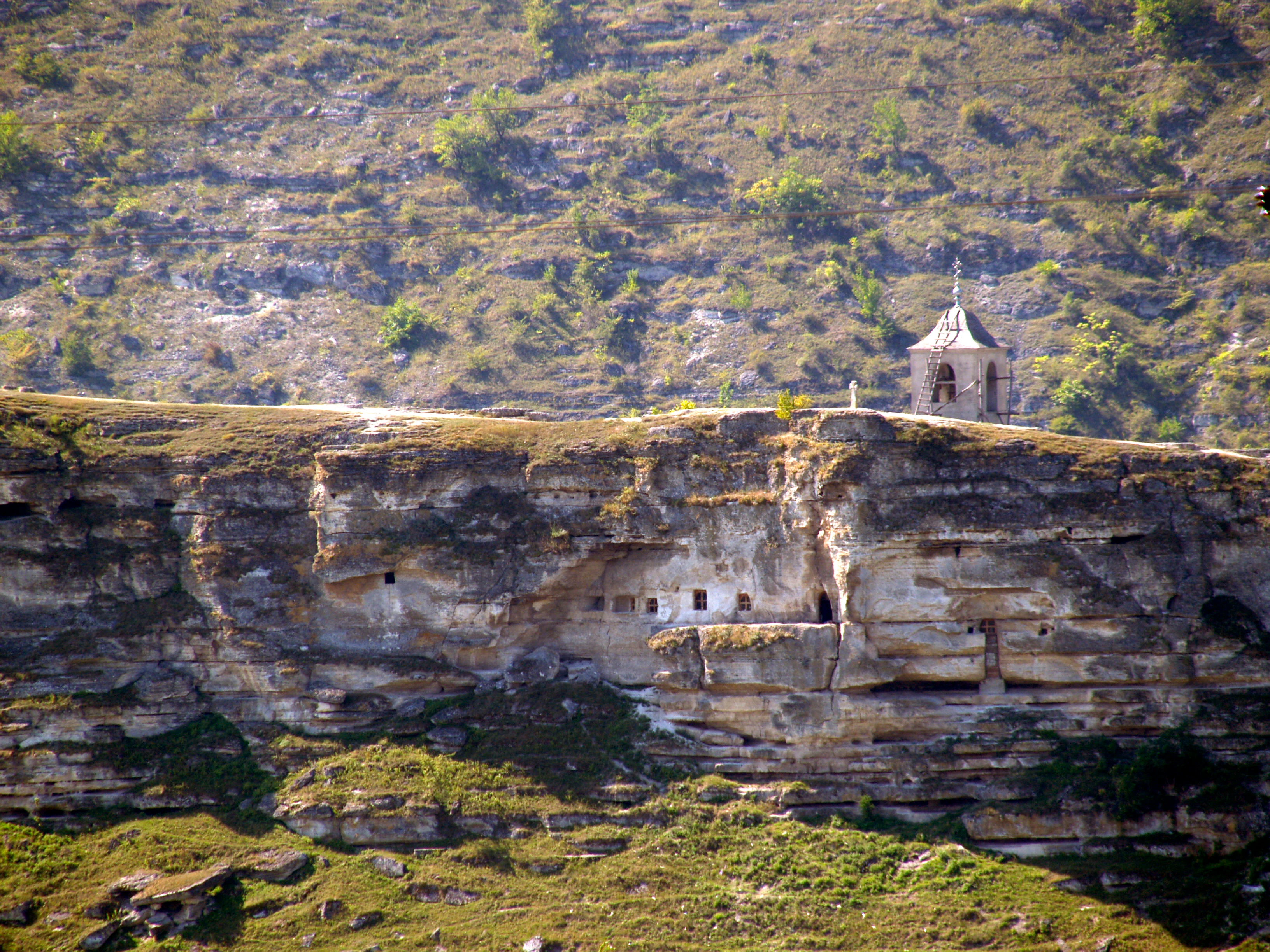
Orhei National Park contains an extraordinary density of cultural heritage sites, reflecting centuries of continuous human presence in the Codri region. The Old Orhei (Orheiul Vechi) complex represents the park's most significant cultural element—a multi-period archaeological site featuring cave dwellings carved into the limestone cliffs, a functioning monastery complex, and architectural monuments spanning several centuries. The site has been nominated for UNESCO World Heritage status since 2017. The park also contains the archaeological remains of Shehr al-Jedid, a medieval city established during the Golden Horde period, representing an important but often overlooked chapter in the region's history. Five monasteries are distributed throughout the park, including Old Orhei, Curchi, and Țigănești, representing important centers of religious and cultural life. Four noble estates add to the architectural heritage, while numerous villages within and bordering the park maintain traditional land use patterns and rural character. A small museum of folk crafts operates in Ivancea, providing interpretation of local traditions. This cultural layer is inseparable from the natural landscape—the monasteries are positioned within the scenic valleys, the archaeological sites are carved into the hillsides, and the agricultural patterns of surrounding villages have shaped the landscape over generations.
Top sights and standout views in Orhei National Park
Orhei National Park uniquely combines Moldova's first national park status with an exceptional concentration of cultural heritage, creating a destination where natural landscapes and historical sites are inseparable. The UNESCO候选 site of Old Orhei, with its cave monastery and dramatic cliffside setting, represents the park's most iconic feature. The park protects the forested hills and river valleys of the Codri region—the most extensively wooded area of central Moldova. Five historic monasteries, Golden Horde archaeological sites, and noble estates dot the landscape, providing cultural context to the natural environment. The establishment of this park in 2013 fulfilled Moldova's need for a national park and demonstrates the country's commitment to integrated conservation that protects both natural and cultural heritage.
Best time to visit Orhei National Park
Orhei National Park can be visited year-round, with each season offering different character. The late spring and summer months bring full forest canopy and warm conditions ideal for hiking the various tourist routes that traverse the park. Autumn provides colorful forest foliage and typically mild weather, while the winter season reveals the skeletal structure of the deciduous forest against often snowy landscapes. The monastery sites and cultural attractions are accessible throughout the year, though the outdoor exploration of the park's natural features is most comfortable during the warmer months from May through September. The park's accessibility from Chișinău—approximately 46 kilometers—makes it suitable for day trips, though the concentration of sites and the variety of tourist routes encourage longer visits for those interested in exploring both natural and cultural elements.