
Why Bug Gard National Nature Park stands out
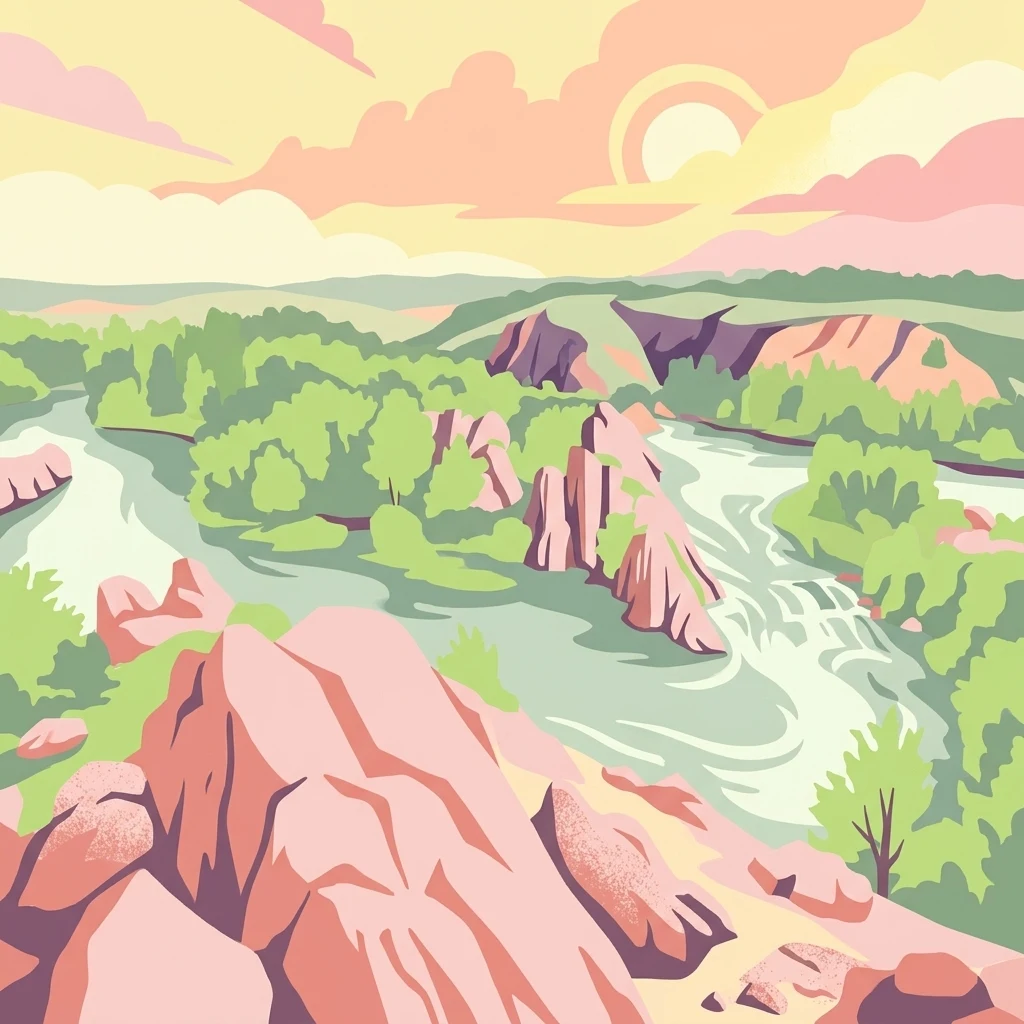
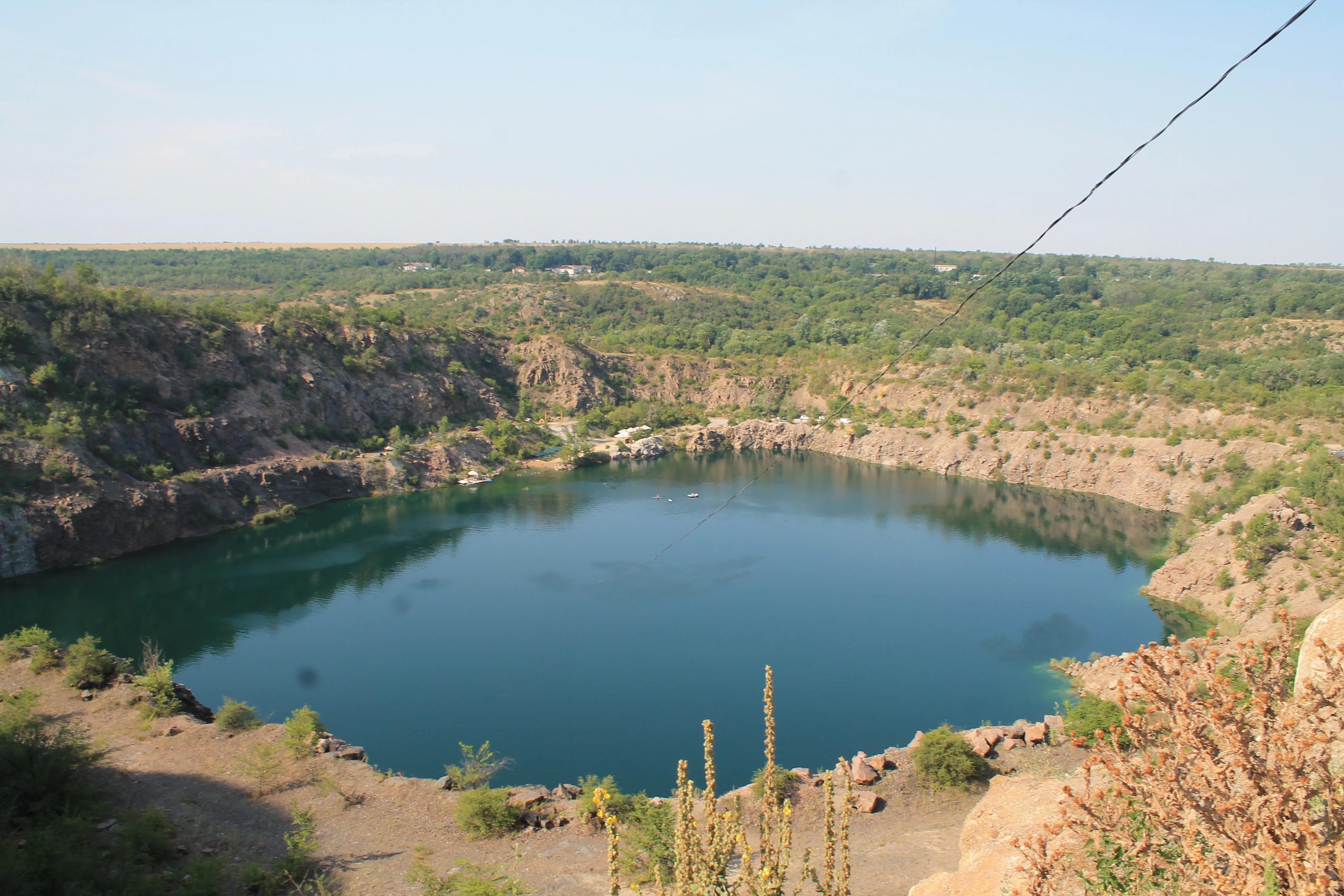
Bug Gard is best known for its distinctive canyon landscape carved by the Southern Bug River through ancient Archean granite formations. The dramatic river gorge features rocky terrain with numerous rapids, islands, and exposed rock ledges that create a visually striking environment uncommon in Ukraine's typically flat terrain. The park occupies a critical ecological transition zone bridging upland forest ecosystems with lowland steppe habitats, resulting in high biodiversity concentrated in a relatively compact area. The Aktove Canyon and Arbuzynka Canyon represent the park's most spectacular geological features.
Bug Gard National Nature Park history and protected-area timeline
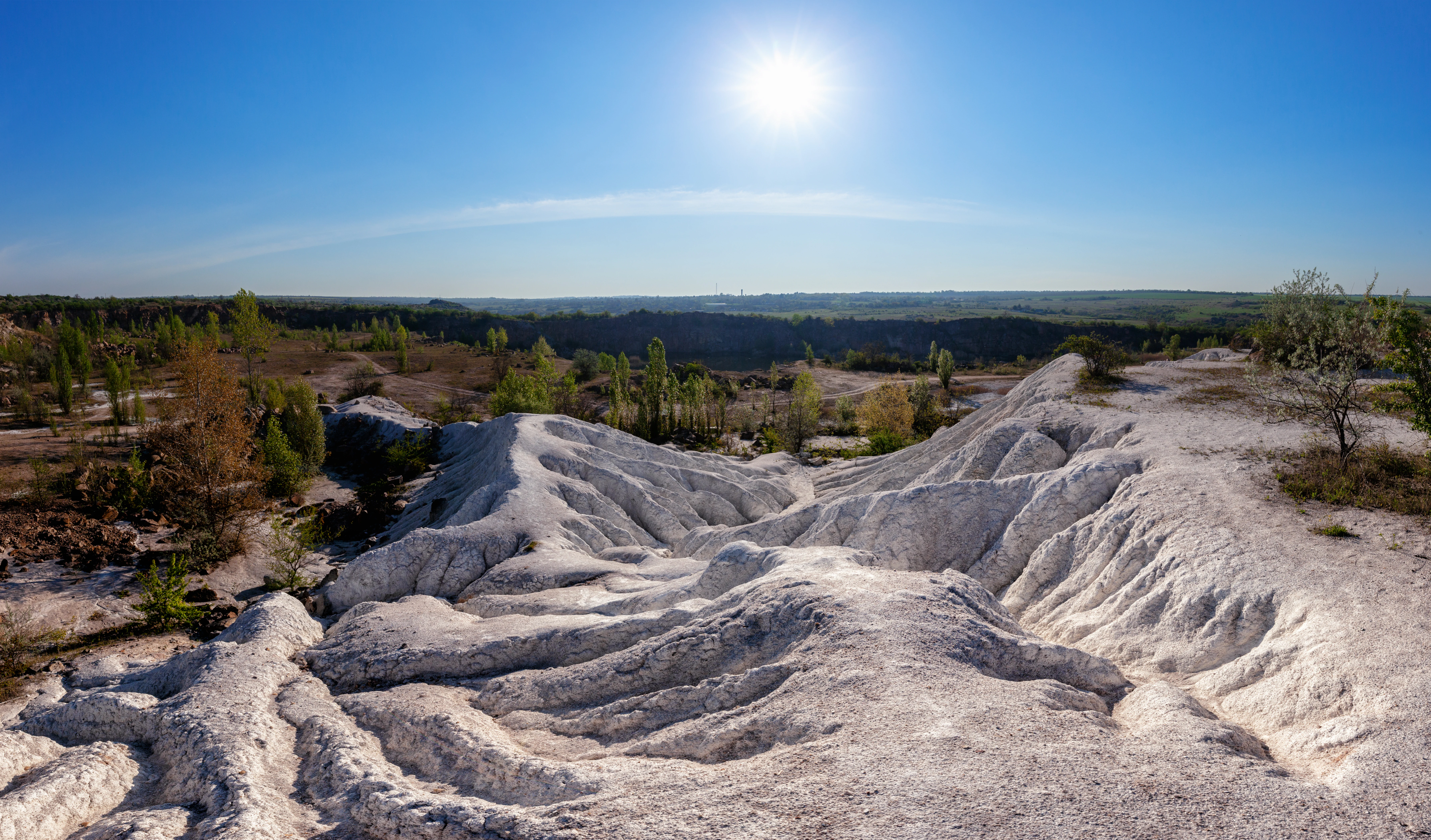
The recognition of Bug Gard's unique natural landscape extends back nearly a century. As early as 1920, information about the exceptional natural features of what is now the protected area had spread beyond Ukraine's borders. In 1929, the Soviet journal 'Kraevedenie' published a list of natural sites and objects requiring protection, compiled by A.P. Vasylkivsky for the Commission for the Protection of Nature, Monuments of Art, Life and Antiquity at the Leningrad Group of the Central Bureau of Local Lore. This list included the Bug Gard area among the 250 most significant natural objects in need of protection across the entire Soviet Union, establishing early recognition of the site's national importance. The park was formally established in 2009 under the governance of Ukraine's Ministry of Ecology and Natural Resources, achieving national park status with IUCN category II classification that provides stronger protection than the earlier Regional Landscape Park designation.
Bug Gard National Nature Park landscape and geographic character
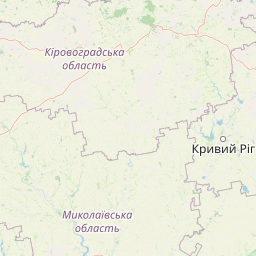
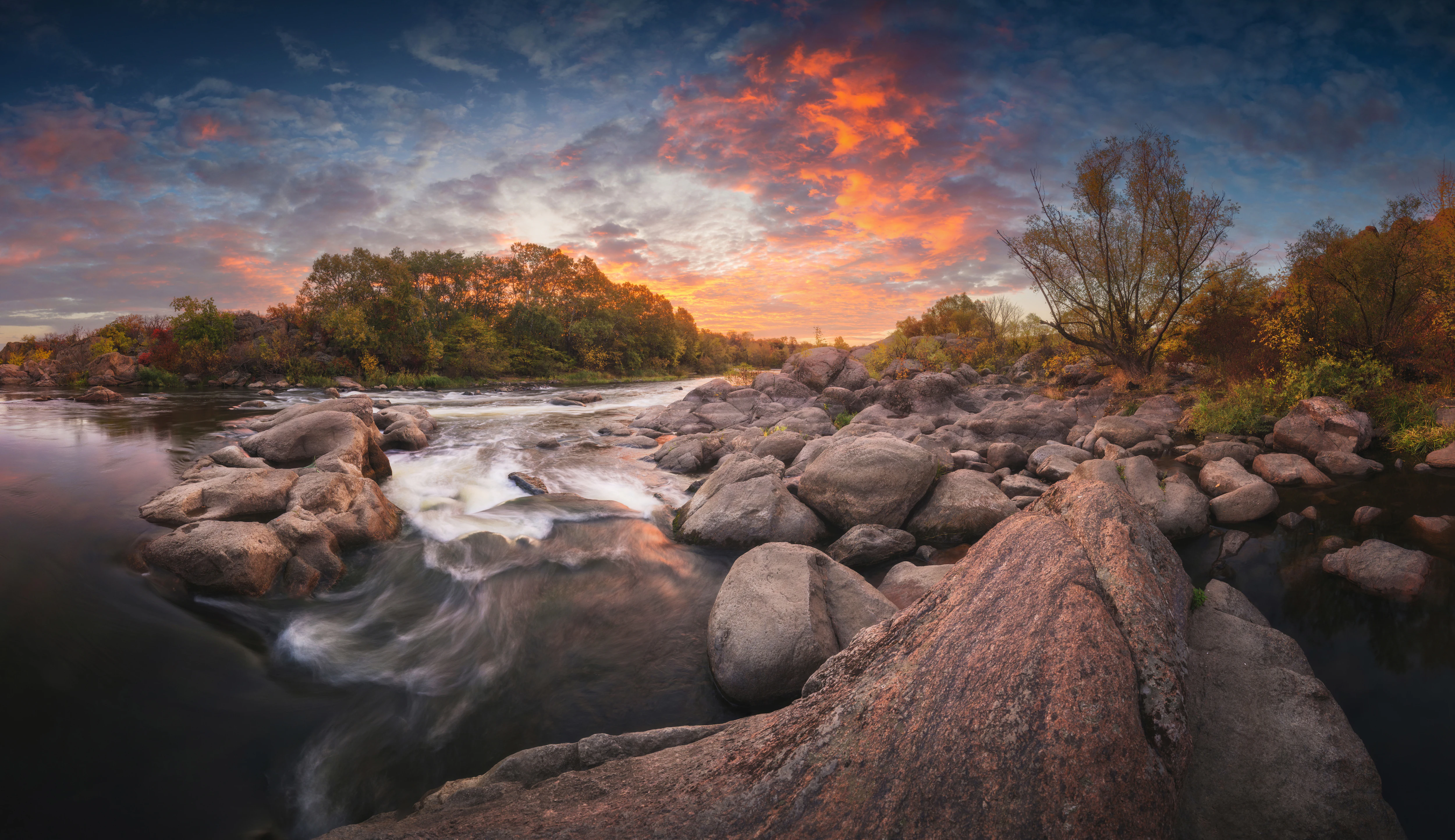
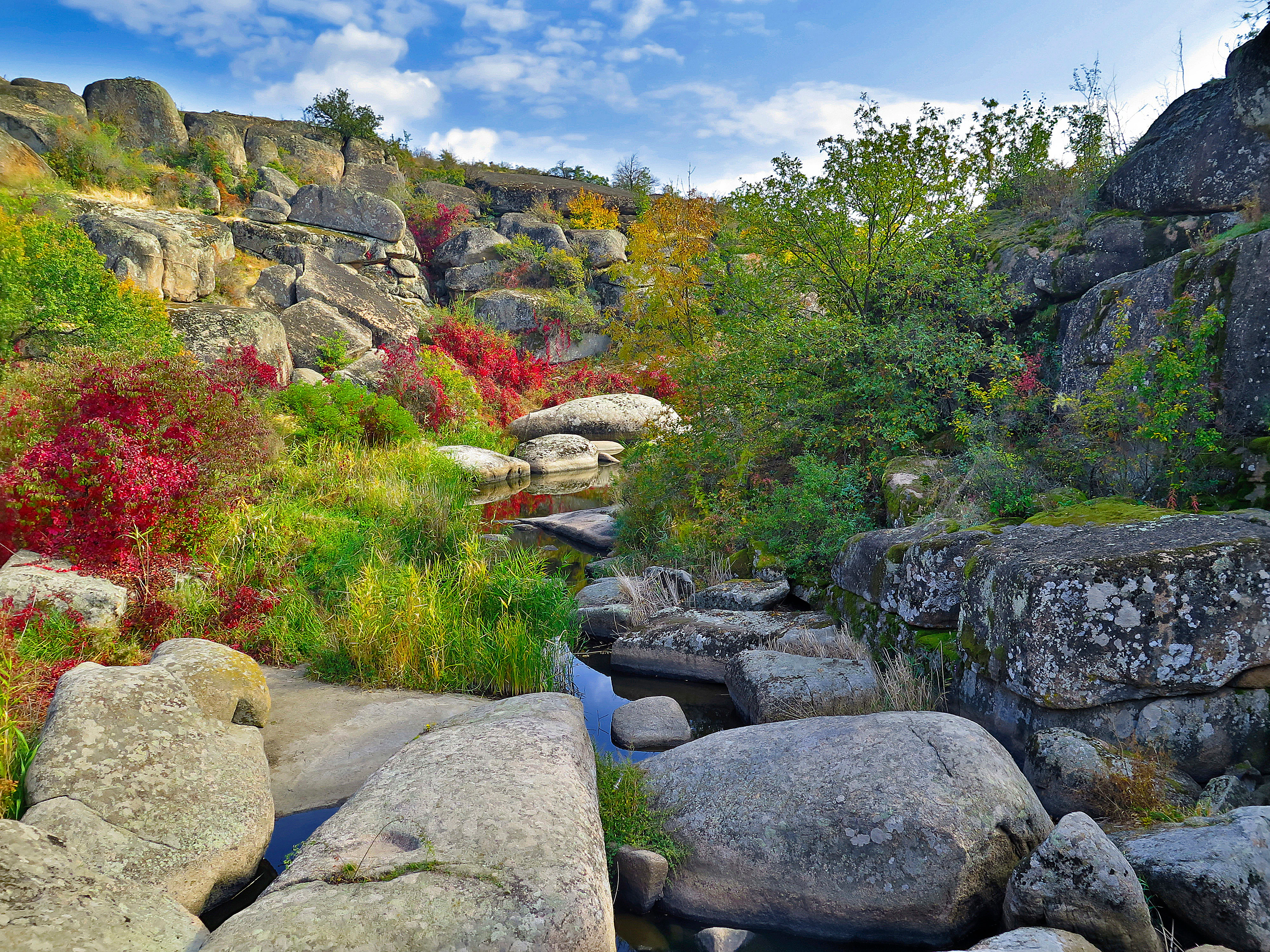
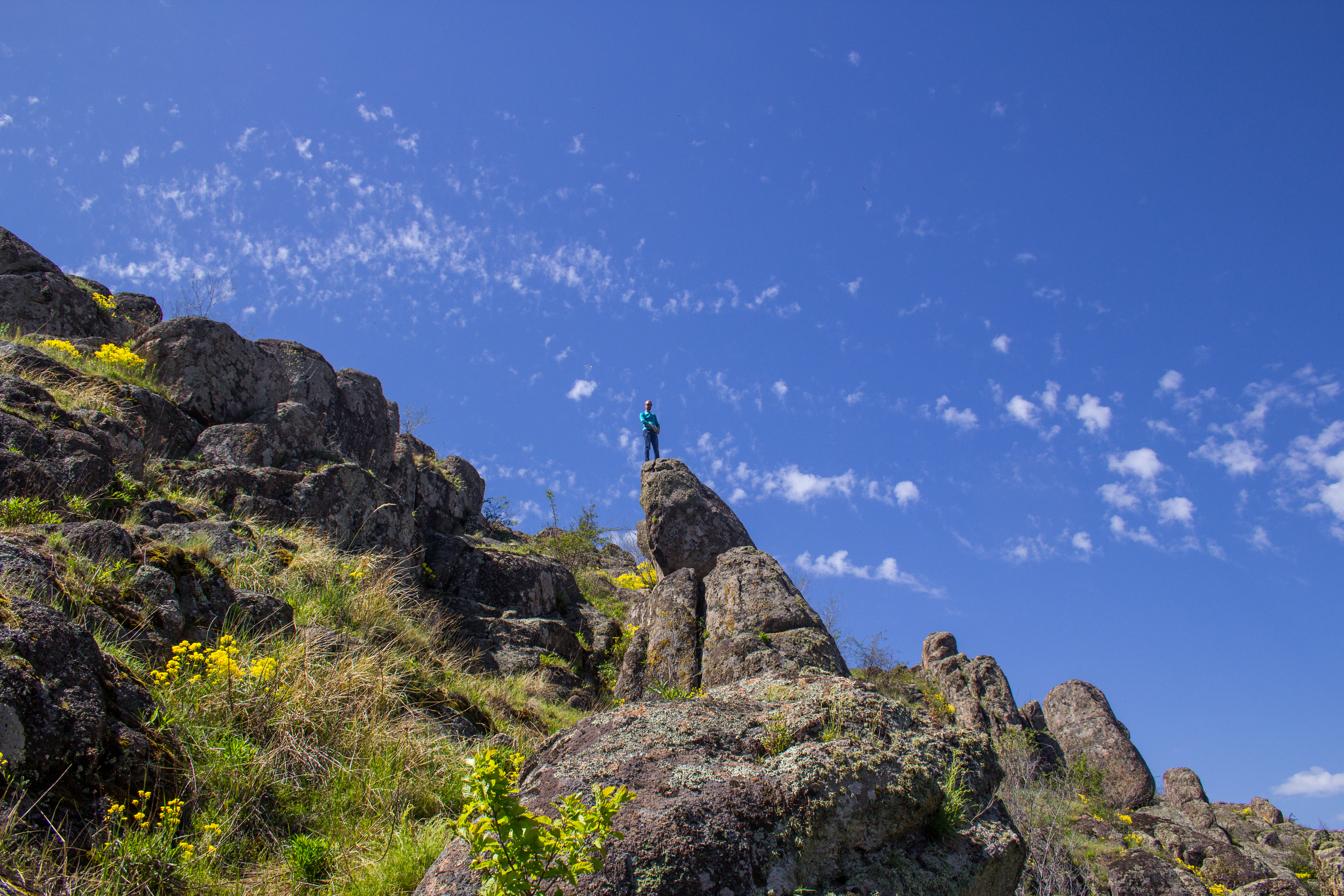
The Bug Gard landscape is defined by the Southern Bug River's passage through a granite canyon where it transitions from the upland Ukrainian Shield plateau to the Black Sea steppe lowlands. The canyon features steep walls of exposed Archean granite with numerous ledges, rock outcrops, and cliff faces that create a rugged, varied terrain. The river itself contains multiple rapids and islands as it winds through the gorge, with the water course dropping in elevation relatively quickly through this narrow corridor. The surrounding terrain includes rocky sections with brush and sedges transitioning to steppe vegetation on the higher plateau above the canyon rim. Granite boulders and rock formations are prominent features throughout the canyon, giving the landscape its distinctive character.
Bug Gard National Nature Park ecosystems, habitats, and plant life
The ecological character of Bug Gard reflects its position at a critical biogeographic interface between the forested uplands and the open steppe lowlands of the Pontic-Caspian ecoregion. This transitional position creates a mosaic of habitats supporting remarkable biodiversity. Scientists working within the park have documented approximately 900 species of plants and 300 species of vertebrates, numbers that indicate significant ecological richness for a protected area of this size. The upper plateau areas support partial forest cover, while the canyon zone features rocky terrain with brush and sedges that transition to steppe vegetation communities at lower elevations. The humid continental climate with warm summers and cold, snowy winters, receiving approximately 450 to 500 millimeters of annual precipitation, supports this diverse vegetation mosaic.
Bug Gard National Nature Park wildlife and species highlights
Bug Gard supports substantial wildlife diversity due to its transitional position between forest and steppe ecosystems. Park scientists have documented 300 vertebrate species within the protected area, reflecting the ecological richness created by the mix of habitats from the river canyon to the surrounding uplands and steppe. The granite outcrops, forest patches, and riparian corridors provide diverse microhabitats supporting varied animal communities. While specific species details are limited in the source material, the documented vertebrate count indicates a meaningful population of mammals, birds, reptiles, amphibians, and fish adapted to the canyon and steppe environments.
Bug Gard National Nature Park conservation status and protection priorities
Bug Gard holds conservation significance as a protected canyon landscape in a region where such geological features are rare. The park's establishment in 2009 formalized protection for an area whose ecological value had been recognized since the early Soviet period. The national park status provides stronger legal protections than the earlier Regional Landscape Park designation, ensuring sustained conservation of the granite canyon ecosystem and its associated biodiversity. The overlap with the Granite-steppe lands of Buh Regional Landscape Park adds an additional layer of scenic protection. The park protects critical habitat at a biogeographic transition zone, conserving both the unique geological formations and the ecological corridors that support species moving between forest and steppe environments.
Bug Gard National Nature Park cultural meaning and human context
The park's name carries cultural significance rooted in the region's Cossack heritage. The term 'gard' refers to a type of fishing structure used by Cossack communities along the Southern Bug River during the historical period when these semi-autonomous military communities inhabited the steppe regions of Ukraine. This linguistic connection links the protected landscape to centuries of human interaction with the river, though the park itself is managed primarily as a natural rather than cultural heritage site.
Top sights and standout views in Bug Gard National Nature Park
Bug Gard National Nature Park stands out for its dramatic canyon landscape carved through ancient granite by the Southern Bug River, a rare geological feature in Ukraine's predominantly flat terrain. The Aktove Canyon and Arbuzynka Canyon represent the park's most spectacular visual features. The park's ecological significance derives from its position at a biodiversity crossroads where forest and steppe ecosystems meet, supporting approximately 900 plant species and 300 vertebrate species within a relatively compact area of 6,138 hectares. The park preserves both the unique geological formations of the Ukrainian Shield corridor and the ecological transition zone between upland and lowland Ukraine.
Best time to visit Bug Gard National Nature Park
The park can be visited year-round, though the transitional continental climate with cold snowy winters influences accessibility. The warmest months from May through September offer the most comfortable conditions for exploring the canyon trails and outdoor recreation. The dramatic canyon landscapes are particularly striking during the changing seasons, with autumn providing colorful foliage along the river corridor and the rocky terrain offering distinct visual contrasts between seasons.