Why Holosiiv National Nature Park stands out
Holosiiv National Nature Park is best known as an extensive forest preserve embedded within a major urban environment, providing Kyiv residents with access to natural ecosystems within city limits. The park is distinguished by its concentration of protected species, with notable populations of European green lizard, greater spotted eagle, white-backed woodpecker, and multiple bat species. The park contains historically significant sites including the Holy Trinity Monastery, Holy Protection Monastery, and the 19th-century Main Astronomical Observatory of the National Academy of Sciences of Ukraine.
Holosiiv National Nature Park history and protected-area timeline
The history of Holosiiv National Nature Park traces to the early 16th century when the area was described as a picturesque and cozy landscape. The name's origin is debated, with some sources connecting it to tree planting in the early 17th century while others note more ancient references to forested land and the farm Hulasiyivskyy. The area became associated with the Kyiv Pechersk Lavra in 1541, and by 1617 a khutir (farmstead) named Holosiiv existed there. Following Soviet-era religious persecutions, monastic lands were repurposed for the local agrarian institute, which became part of the Kyiv Polytechnic Institute and later evolved into the National University of Life and Environmental Sciences of Ukraine. During the 1950s-1960s, portions of the Holosiiv Woods were developed for the Expocenter of Ukraine and Rylskyi Holosiiv City Park. The park was officially created on August 27, 2007, through Decree No. 794 signed by President Viktor Yushchenko. On May 1, 2014, the park's borders were expanded to incorporate 6,462.62 hectares of forests from the Sviatoshyn Forest Park Farm.
Holosiiv National Nature Park landscape and geographic character
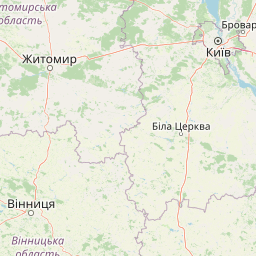
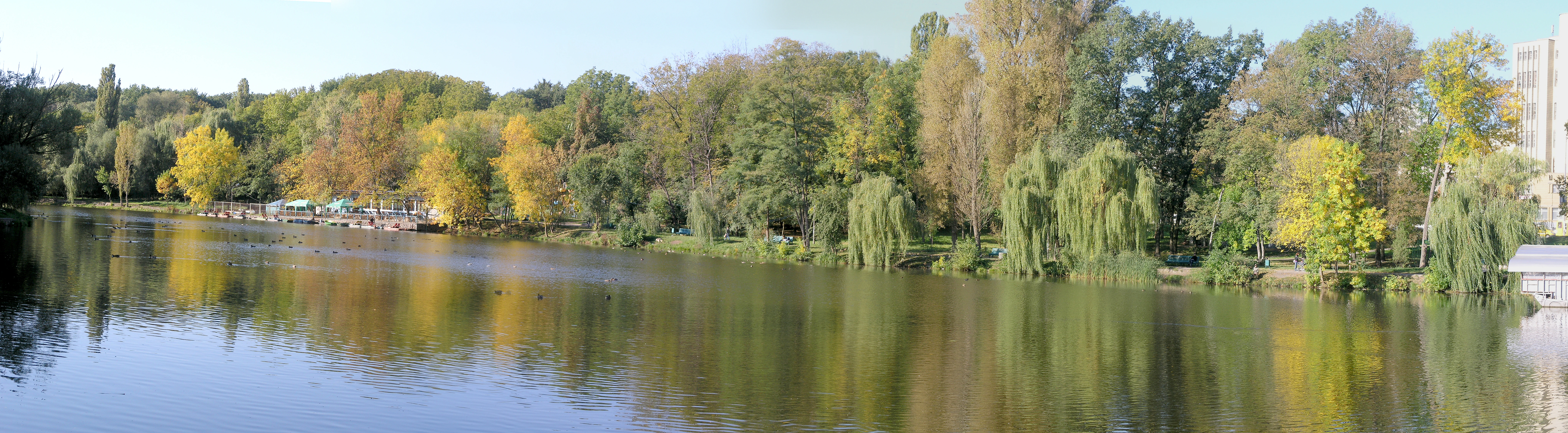
The landscape of Holosiiv National Nature Park is defined by its position on the Kyiv Hills, a series of elevated terrain formations that rise above the surrounding Dnieper River lowlands. The park encompasses multiple disconnected forest tracts covering more than 90 percent of its 4,525-hectare territory, representing one of the largest remaining forest areas within Kyiv's city limits. The terrain includes gentle slopes, valleys, and ridgelines characteristic of the lowland hill system. Wetlands cover approximately 66 hectares while open water bodies account for nearly 46 hectares, including the Orikhuvatskyi, Kytaivskyi, and Didorivskyi ponds that create colorful cascades through the forest. The park is traversed by watercourses including the Didorivsky and Kytaivsky streams, with the Didorivsky watercourse near the Mytkin pound containing a holy bathing house visited by religious pilgrims.
Holosiiv National Nature Park ecosystems, habitats, and plant life
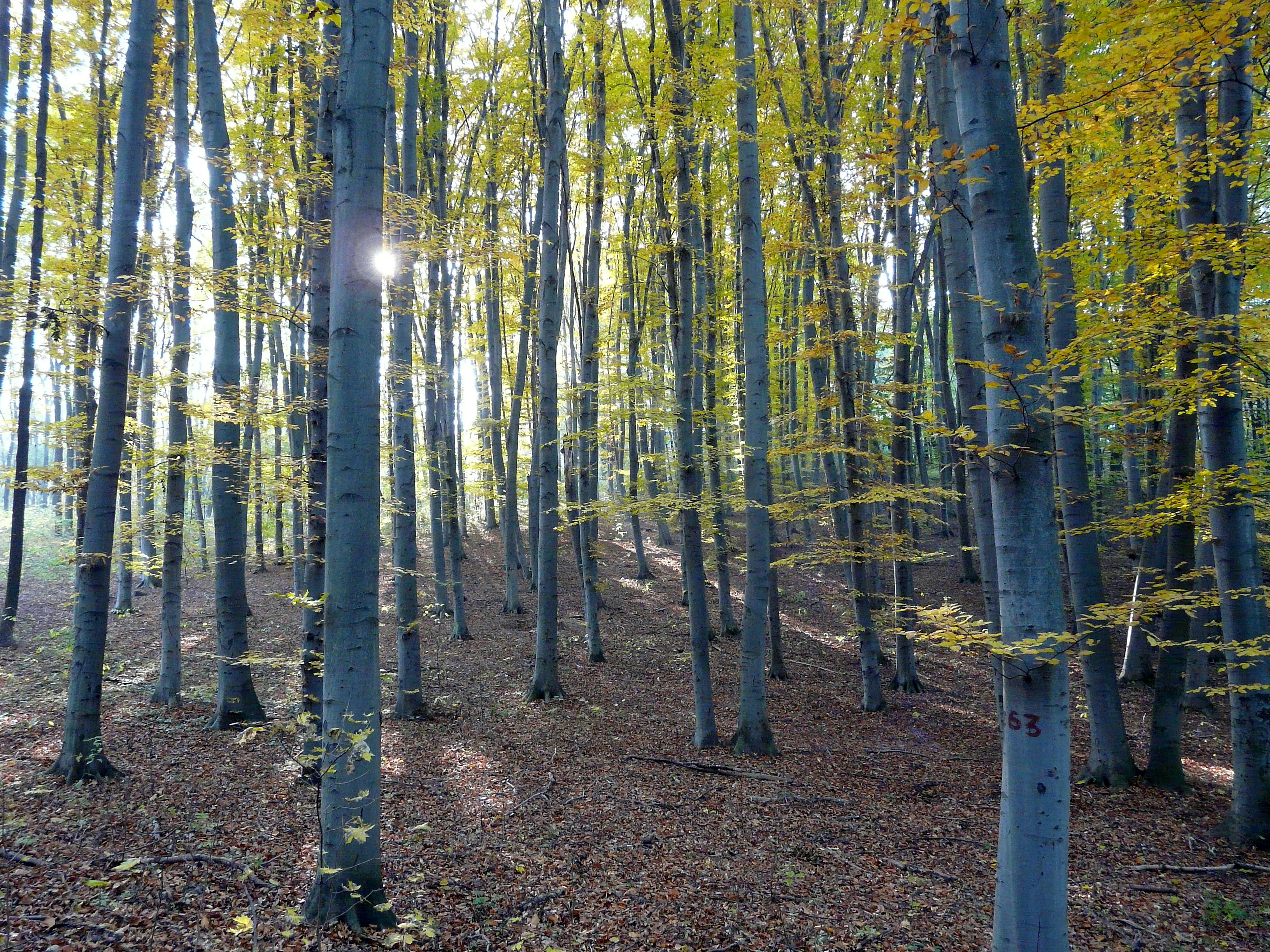
The ecological character of Holosiiv National Nature Park reflects its position at the junction of two major European ecoregions: the Central European mixed forests to the west and the East European forest steppe to the east. This transitional position creates diverse habitat conditions supporting rich biodiversity. The park's forest ecosystem is complemented by wetland areas and pond systems that add ecological variety. The humid continental climate with warm summers (Köppen Dfb) supports extensive deciduous and mixed forest vegetation. The flora includes 650 species of vascular plants, 118 species of moss, and more than 60 species of fungi, with numerous species holding protected status under national and international conventions.

Holosiiv National Nature Park wildlife and species highlights
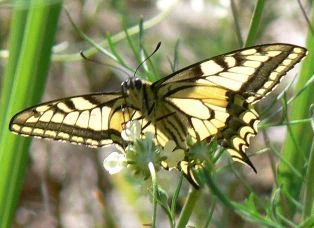
The wildlife communities of Holosiiv National Nature Park are remarkably diverse for an urban-proximate protected area. The park supports 181 vertebrate species including 100 bird species, 44 mammal species, 21 fish species, 10 amphibian species, and 6 reptile species. Invertebrate diversity is equally impressive with 190 insect species and 31 terrestrial mollusc species documented. The park provides critical habitat for numerous protected species including the European green lizard, smooth snake, short-toed snake eagle, greater spotted eagle, stock dove, white-backed woodpecker, and multiple bat species including the common pipistrelle, soprano pipistrelle, and Daubenton's bat. Among the notable invertebrates are the stag beetle, musk beetle, swallowtail butterfly, and clouded Apollo, all protected under Ukrainian and international conservation frameworks.
Holosiiv National Nature Park conservation status and protection priorities
Holosiiv National Nature Park holds significant conservation importance at both national and international levels. The park protects 35 species listed in Ukraine's Red Book, including 20 vertebrate and 15 invertebrate species. International protection extends to 9 species on the IUCN Red List, 93 species in Annex II of the Berne Convention, 11 species under CITES, and 46 species in various Bonn Convention agreements protecting migratory species. Five vascular plant species are listed in Annex I of the Berne Convention, and one plant species appears on the European Regional Red List. The park's biodiversity significance is further underscored by 29 regionally rare plant species and the presence of age-old oak trees including the oak of Peter Mohyla and oaks of glory that represent centuries of forest continuity.
Holosiiv National Nature Park cultural meaning and human context
The cultural landscape of Holosiiv National Nature Park reflects centuries of human interaction with the forest environment. The area contains important religious heritage sites including the Holy Trinity Monastery (Kytaivska desert with ancient caves) dating to the 18th and 20th centuries, and the Holy Protection Monastery (Deserts Holosiivska) founded in the 17th century and rebuilt in the late 20th and early 21st centuries. The southwestern portion of the park developed into the Feofaniia neighborhood, historically a settlement of the St. Michael Kyiv Monastery. Scientific heritage is represented by the Main Astronomical Observatory of the National Academy of Sciences of Ukraine, with buildings constructed between 1841-1845, and the agricultural academy complex built in 1925-1931 that now houses the National University of Life and Environmental Sciences of Ukraine. The park also contains remnants of the Kyiv Fortified Area, a massive 85-kilometer fortification system built during 1929-1935, with seven pillboxes located within the park boundaries.
Top sights and standout views in Holosiiv National Nature Park
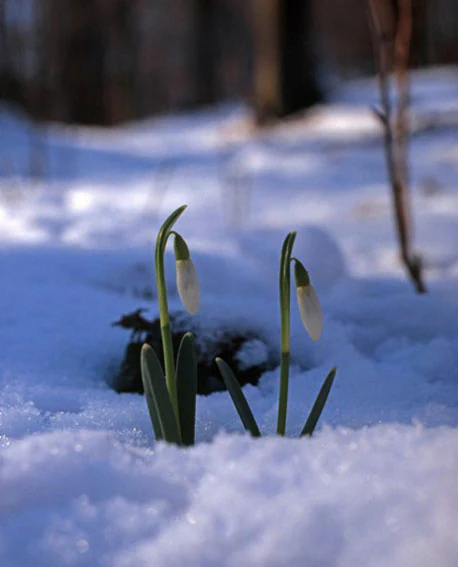
Holosiiv National Nature Park combines urban accessibility with substantial ecological and cultural value. The park offers over 4,500 hectares of protected forest, making it one of the largest urban forest preserves in Europe. Visitors can explore historical monasteries, the 19th-century astronomical observatory, and remnants of 20th-century fortifications alongside natural ecosystems. The park's biodiversity is exceptional, with documented populations of 35 Red Book species and numerous internationally protected animals including raptors, woodpeckers, and bats. The ancient oak trees, including the oak of Peter Mohyla, represent living monuments to the forest's historical continuity.
Best time to visit Holosiiv National Nature Park
The best time to visit Holosiiv National Nature Park spans from late spring through early autumn when the forest is most accessible and visually appealing. The park can be visited year-round, though winter months offer a different experience with snow-covered landscapes and fewer visitors. Summer provides lush green foliage and warm conditions suitable for walking the ecological trails, while autumn brings colorful foliage and mushroom season. The humid continental climate means summers are warm with comfortable temperatures for outdoor exploration, while winters are cold with snow cover typical from December through February.