Why Zalissia National Nature Park stands out
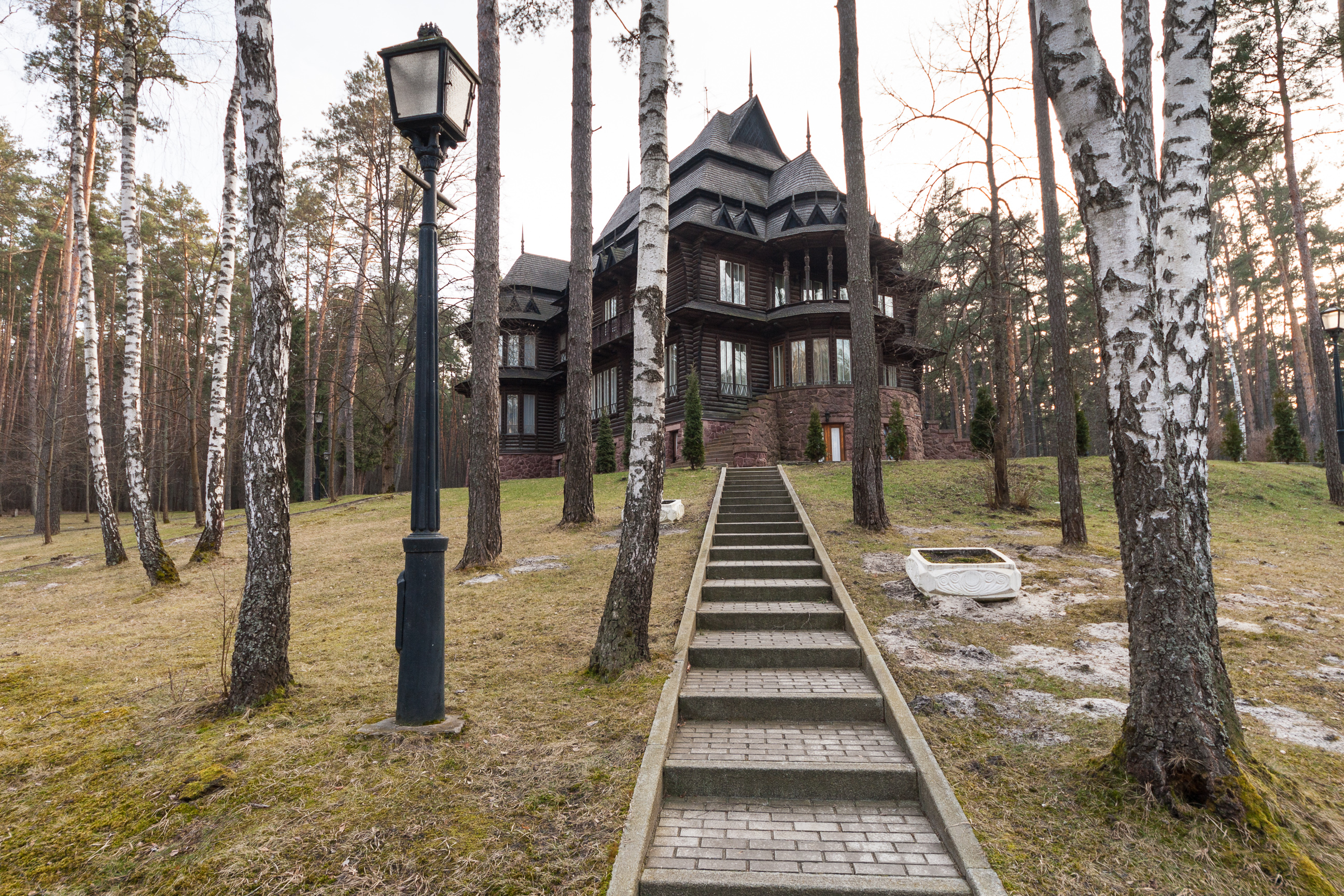
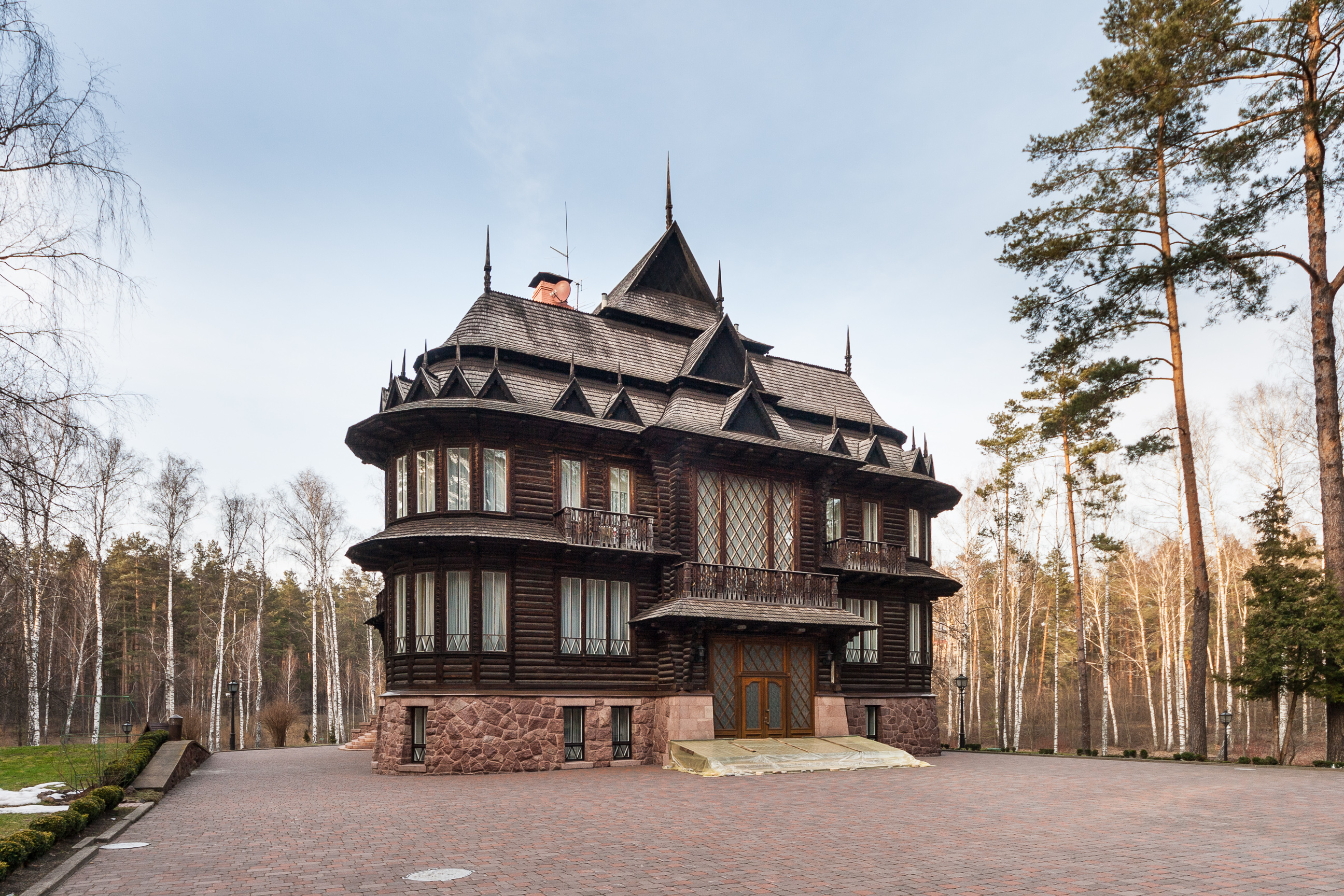
Zalissia is best known for its extensive pine forest ecosystem, which covers the majority of the protected area and includes approximately 1,700 hectares of pine forest over 100 years old. The park sits within the Central European mixed forests ecoregion, representing a well-preserved example of temperate hardwood forest habitat in northern Ukraine. Its location along the Desna River floodplain creates a distinctive landscape of river terraces and forested wetlands that support diverse plant and animal communities. The presence of the State Residence Zalissia, a government facility that also welcomes public visitors, adds a unique historical and institutional dimension to the park's character.
Zalissia National Nature Park history and protected-area timeline
Zalissia National Nature Park was established on December 11, 2009, through a presidential decree issued by Viktor Yushchenko, the President of Ukraine at that time. The decree designated the territory for national park status with the explicit purpose of preserving, restoring, and enabling recreational use of typical and unique natural complexes possessing important conservation, scientific, aesthetic, recreational, and health value. The park was formed from lands previously administered by the State Organization "Residence Zalissia," which had maintained the area for state purposes including the reception of senior officials and foreign dignitaries. The presidential decree mandated that the Cabinet of Ministers of Ukraine take specific actions within six months, including reorganizing the State Organization into a national nature park, approving the park's regulations, and addressing land allocation matters. Subsequent provisions called for the development of a land management project in 2010 and an organizational management plan by 2011. Despite these directives, the necessary budget allocations were not included in Ukrainian state budgets from 2010 through 2017, significantly hampering the park's transition to full operational status as a traditional national park.
Zalissia National Nature Park landscape and geographic character
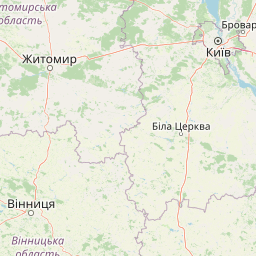
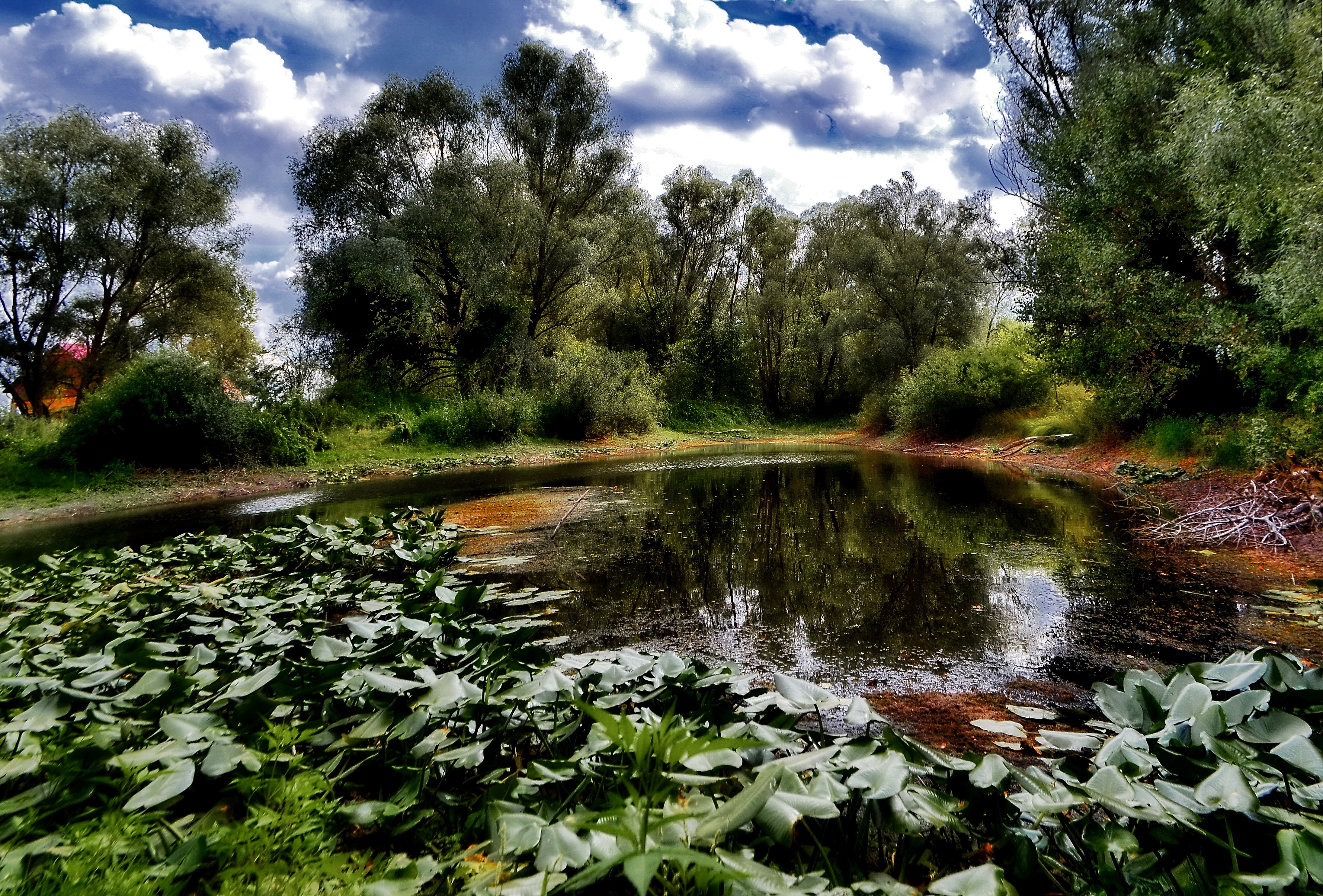
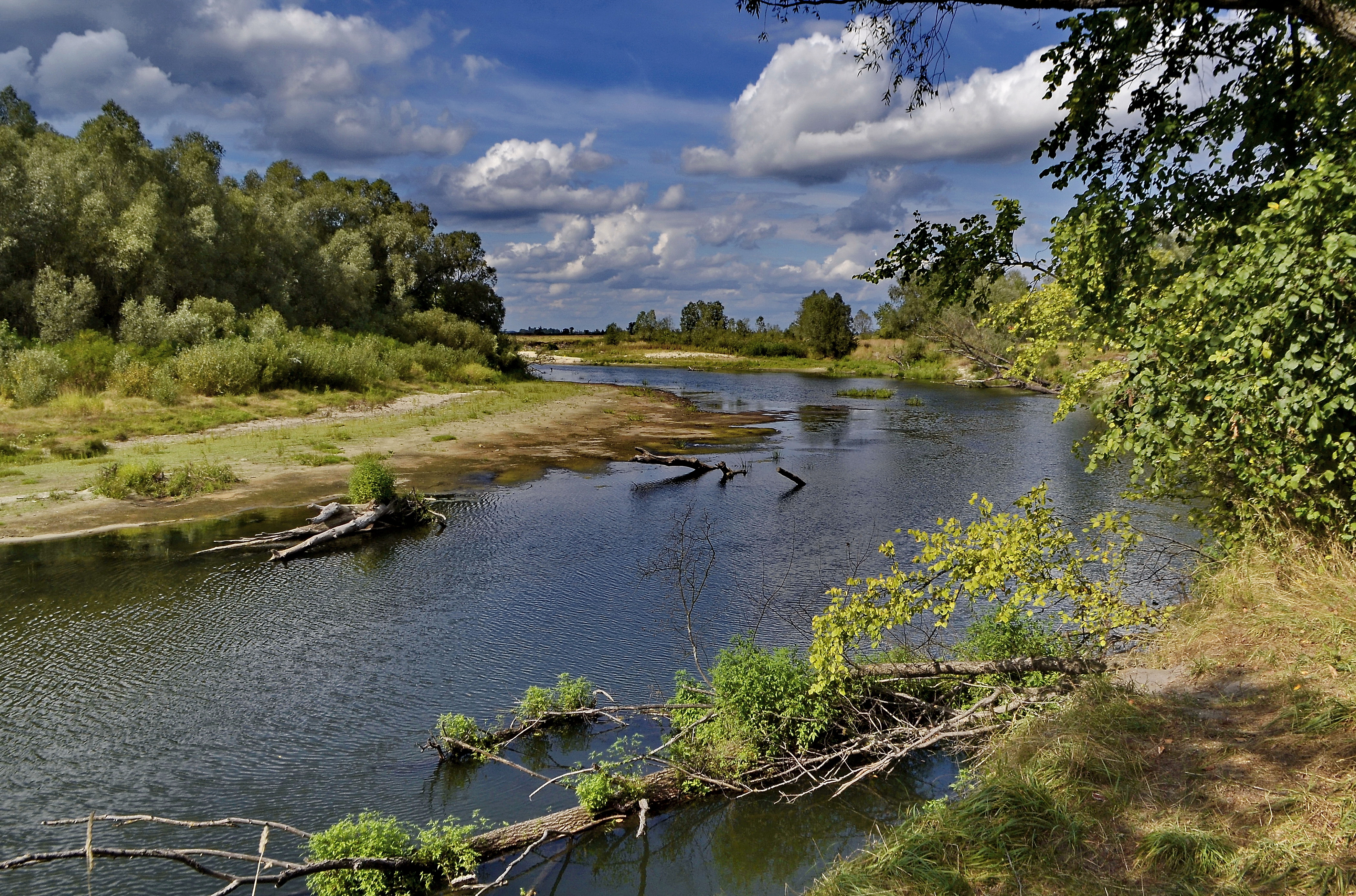
The landscape of Zalissia National Nature Park is defined by its position on the left bank of the Desna River, one of Ukraine's major rivers and a significant tributary of the Dnieper. The park occupies the first and second river terraces, creating a relatively flat to gently undulating terrain typical of river valley landscapes in northern Ukraine. The Desna River itself runs along the western boundary of the park, with the actual river channel positioned 5 to 10 kilometers from the park's edge. The park measures approximately 10 kilometers in width from west to east and extends about 20 kilometers in a north-south direction. The forest-dominated landscape creates an extensive woodland environment that contrasts with the agricultural and settled lands surrounding the protected area. The presence of wetland areas, including the Velekivske bog (a hydrological nature reserve of local significance), adds ecological diversity to the predominantly forested terrain.
Zalissia National Nature Park ecosystems, habitats, and plant life
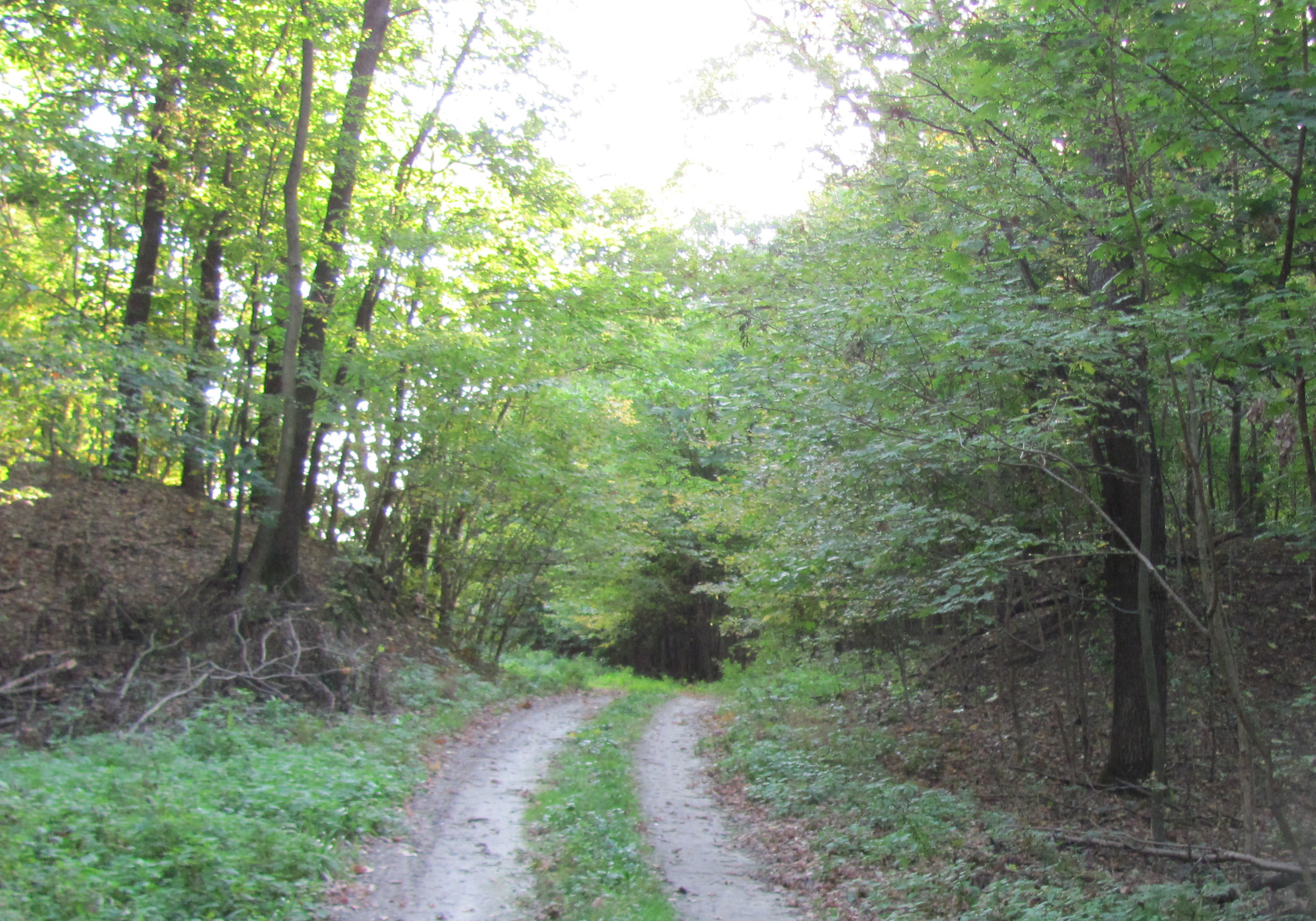
Zalissia National Nature Park is situated within the Central European mixed forests ecoregion, a temperate hardwood forest ecosystem that stretches across much of northeastern Europe from Germany to western Russia. The park's vegetation is overwhelmingly dominated by pine forests, which cover approximately 85% of the forested area. This strong pine dominance creates a distinctive woodland character typical of sandy soils and outwash plains in the region. Oak trees comprise about 7% of the forest cover, while alder accounts for approximately 5%, with other tree species making up the remaining 3%. A notable feature of the park is the presence of approximately 1,700 hectares of pine forest that are over 100 years old, representing relatively mature forest stands that provide important habitat structure. The climate classification is humid continental with warm summers (Köppen Dfb), characterized by significant seasonal temperature variation and a summer season of at least four months with average temperatures above 10°C but no month averaging above 22°C.
Zalissia National Nature Park wildlife and species highlights
While the sources provide limited detailed information on specific wildlife species, the forest ecosystem of Zalissia National Nature Park supports typical fauna of the Central European mixed forests ecoregion. The mature pine forests, mixed deciduous components, and wetland areas provide habitat for various bird species, small mammals, and invertebrates characteristic of Ukrainian woodland environments. The park's accessibility for bird-watching activities, as noted in the public use information, indicates the presence of notable avian diversity. The protected status of the area helps preserve wildlife populations in a region that has seen significant agricultural and urban development around the Kyiv metropolitan area.
Zalissia National Nature Park conservation status and protection priorities
Zalissia National Nature Park represents an important conservation designation within Ukraine's protected area network, classified under IUCN Category II as a national park. The park was established specifically to conserve typical and unique natural complexes of the Desna River basin region, protecting representative examples of the Central European mixed forests ecoregion in Ukraine. The inclusion of the Velekivske bog hydrological reserve within the park's boundaries demonstrates the protection of wetland habitats that serve important ecological functions including water regulation, carbon storage, and biodiversity support. Although the formal transition to full national park management has been delayed, the protected status provides a framework for ongoing conservation of the forest ecosystems, including the significant stands of mature pine forest that represent the park's most distinctive ecological feature.
Zalissia National Nature Park cultural meaning and human context
The territory of Zalissia National Nature Park carries historical significance beyond its ecological value. The area includes remains of ancient settlement earthworks near the village of Litochky, indicating human presence and activity in the region during earlier historical periods. The park's lands were associated with state administration and protocol functions through the "Residence Zalissia" facility, which served as a venue for hosting senior government officials, foreign heads of state, and international delegations. This governmental use established the park as a location of institutional importance within Ukraine's executive branch operations, even as environmental protection remains a core mandate of the designated national park status.
Top sights and standout views in Zalissia National Nature Park
Zalissia National Nature Park offers a combination of natural and governmental features that distinguish it among Ukraine's protected areas. The extensive pine forest, particularly the significant old-growth stands exceeding 100 years of age, provides a relatively intact woodland environment near the Kyiv metropolitan region. The park's position along the Desna River and inclusion of wetland habitats adds ecological diversity to the forest-dominated landscape. The presence of Residence Zalissia, which remains open to the public and offers facilities for ecological excursions, horseback riding, and bird-watching, creates a unique opportunity for visitors to experience both the natural environment and the historical institutional character of the area.
Best time to visit Zalissia National Nature Park
The park can be visited throughout the year, with each season offering different experiences of the forest environment. The humid continental climate produces distinct seasons: spring and early summer bring active wildlife activity and lush vegetation growth, while autumn offers fall coloration in the deciduous forest components. Winter provides a different character to the landscape, though access arrangements should be confirmed in advance given the park's ongoing dual administrative function. The warm summer months (June through August) typically offer the most accessible conditions for outdoor activities such as bird-watching and horseback riding, which can be arranged through coordination with forestry department officials.