
Why Mezyn National Nature Park stands out
Mezyn National Nature Park is particularly known for its archaeological significance, most notably the Mezyn Paleolithic site discovered in 1908, which contains evidence of Late Paleolithic human settlement dating back nearly 20,000 years. The site has yielded remarkable artifacts including mammoth-bone dwellings, ornamented figurines carved from mammoth ivory, animal figurines, meander bracelets, and a complete set of musical instruments made from animal bones, all attributed to the matriarchal period of human history. This archaeological treasure forms the foundation of the park's Mezinsky Archaeological Research Museum. Beyond archaeology, the park is distinguished by its ecological diversity within a relatively compact area. The floodplain terrace system along the Desna supports wetland habitats that are unusual for the Polissya region, while the rolling uplands contain oak-dominated forests with specimens reaching 400 years old. The park's location at the interface of forest and steppe ecoregions creates conditions for unusual species combinations, including plant communities typically found further east or south.
Mezyn National Nature Park history and protected-area timeline
Mezyn National Nature Park was formally established in 2004 through a decree of the President of Ukraine, building upon a foundation of previously designated nature reserves. The park was created by consolidating several protected areas that had been established incrementally over preceding decades. The core of the current park included the landscape reserve of national importance Rykhlovska Dacha (789 hectares), along with local landscape reserves such as Mezynska Shveitsariya (Mezyn Switzerland, 154 hectares), Urochyshche Krynychne (7 hectares), Zhukiv Yar (118 hectares), Zmiivshchyna (247 hectares), and Sverdlovsky (159 hectares), plus the botanical reserve Dubravka (742 hectares).
The park's creation reflected a broader Ukrainian policy of establishing national parks that balance conservation with sustainable use and public recreation. Unlike strict nature reserves, national parks in Ukraine typically permit controlled human use including tourism, limited agriculture, and continued residence of local communities within their boundaries. The 2006 Ukrainian source indicates the establishment was formalized in February 2006 rather than 2004—possibly reflecting different administrative timelines or the date of different enabling documents.
The archaeological significance of the area predates the park by nearly a century. The Mezyn Paleolithic site was discovered in 1908, revealing a settlement of Late Paleolithic hunter-gatherers from the Cro-Magnon period. Excavations uncovered the foundations of dwellings constructed from mammoth bones, along with an extraordinary collection of portable art including carved figurines, ornaments, and musical instruments. This site remains one of the most important Paleolithic discoveries in Eastern Europe and continues to attract archaeological research.
Mezyn National Nature Park landscape and geographic character
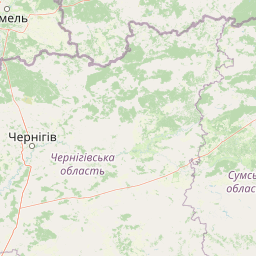
The physical landscape of Mezyn National Nature Park reflects its position within the Dnieper River Lowlands, shaped by glacial processes that deposited moraines and created the basic terrain framework. The park occupies a sequence of elevated terraces rising from the floodplain, with the highest points reaching approximately 208 meters above sea level while the lowest areas along the river fall to around 125 meters. The descent from upland to floodplain creates a varied topography of slopes, ravines, and rolling plains.
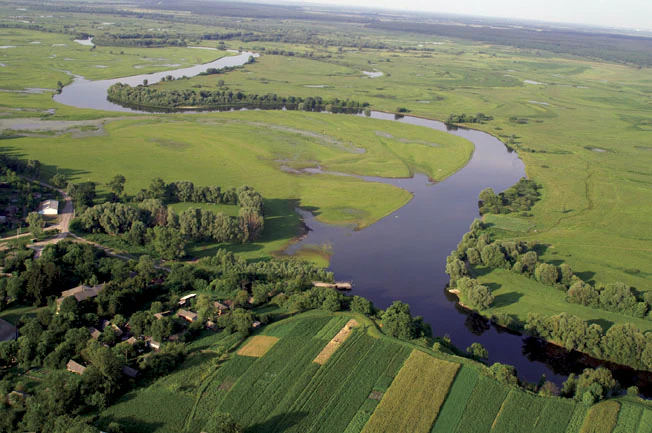
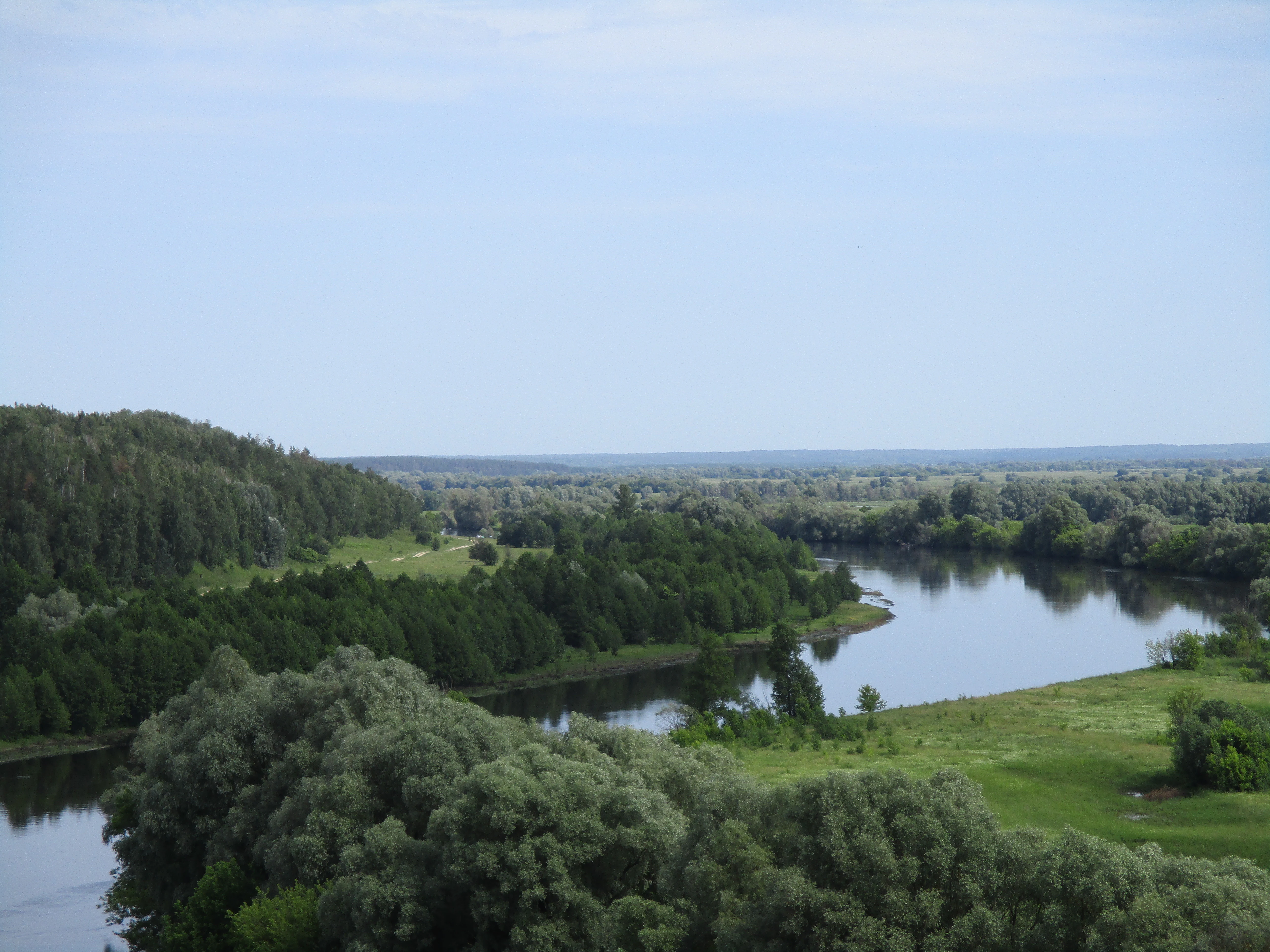
The Desna River forms the dominant landscape element, flowing north-to-south along the eastern and southern park boundaries. Its floodplain ranges from 2-4 kilometers in width and contains the characteristic features of a mature river system: oxbow lakes (locally called staloi), marshy depressions, and natural levees. The floodplain is notably lacking the wooded character typical of some river valleys—historical documents suggest intensive use as hay meadows and pastures has maintained more open conditions. Seventeen lakes dot the floodplain, the largest being Lake Khotyn at over 40 hectares, connected to the main river channel by narrow channels.
The upland portions of the park display the typical character of the Polissya region: gentle slopes, shallow ravines, and plains interrupted by occasional small streams. The soils here include grey forest soils and podzolic types developed on loess-like loams. In contrast, the floodplain soils are predominantly peats and gley soils reflecting the wetland conditions. The interface between these different terrain and soil units creates the ecological diversity that characterizes the park.
Mezyn National Nature Park ecosystems, habitats, and plant life
Mezyn National Nature Park lies within the East European forest steppe ecoregion, representing the transition zone where mixed deciduous forests give way to grassland plains. This transitional position creates ecological conditions supporting species from both broader biogeographic zones, as well as species adapted to the specific habitat combinations found in the Desna valley. The natural vegetation includes forests, meadows, marshes, and aquatic communities, though significant portions have been modified by agriculture.
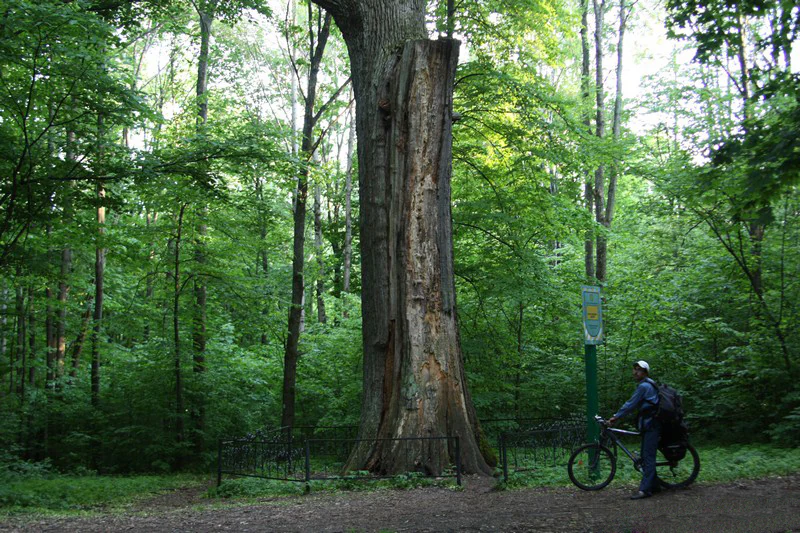
Forest covers approximately 38% of the park area, dominated by oak stands with lime and maple as secondary species. The oak forests occur primarily on slopes and plateau areas, with the most significant stands in the central part of the park where mature trees reach 23-27 meters in height and 113-138 centimeters in circumference. These forests have a well-developed understory of hornbeam and hazel, and a diverse ground layer featuring species like wood sorrel and hairy sedge. The Rykhlivska Dacha area contains particularly noteworthy old-growth oak and lime-oak forests with trees aged 200-300 years.
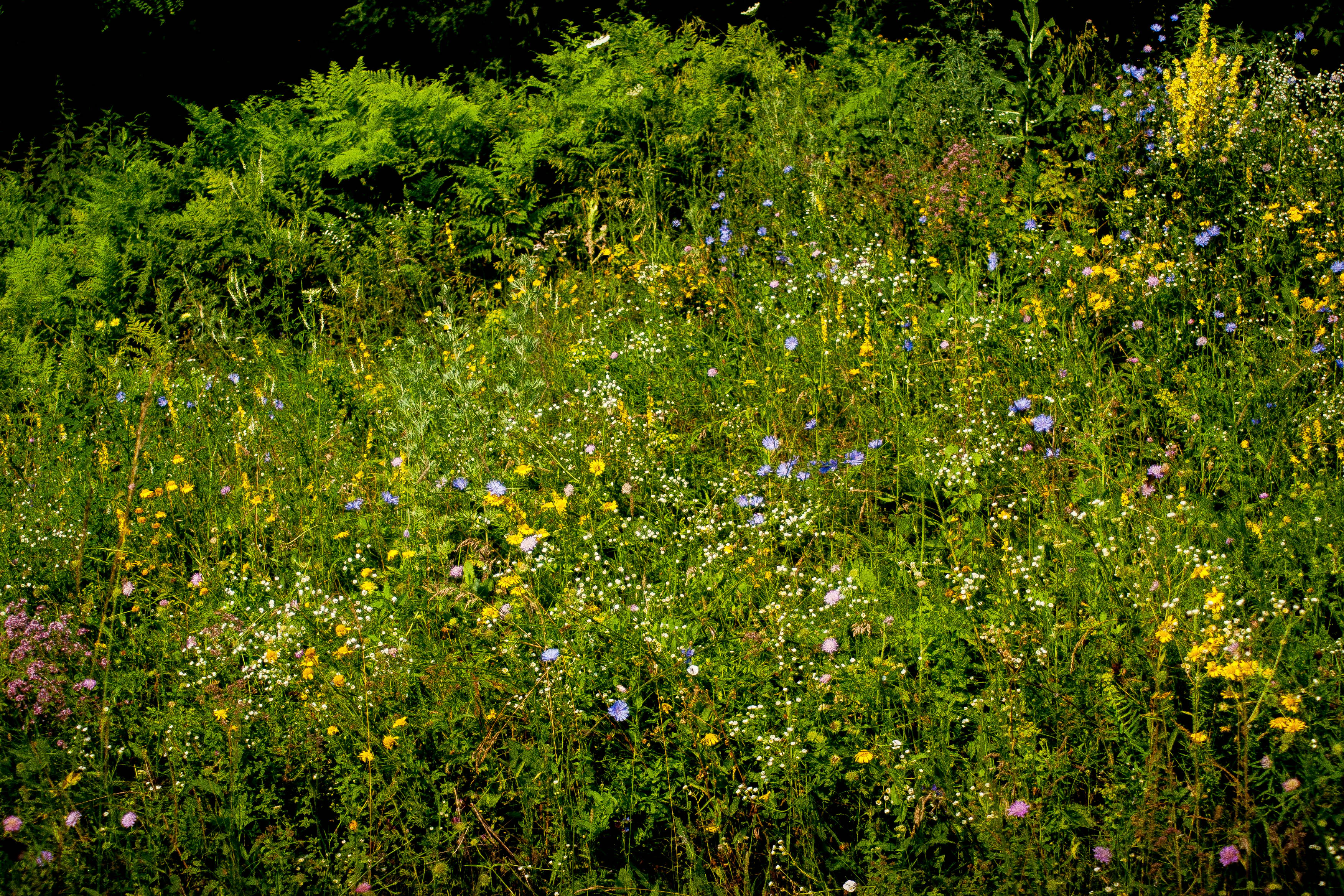
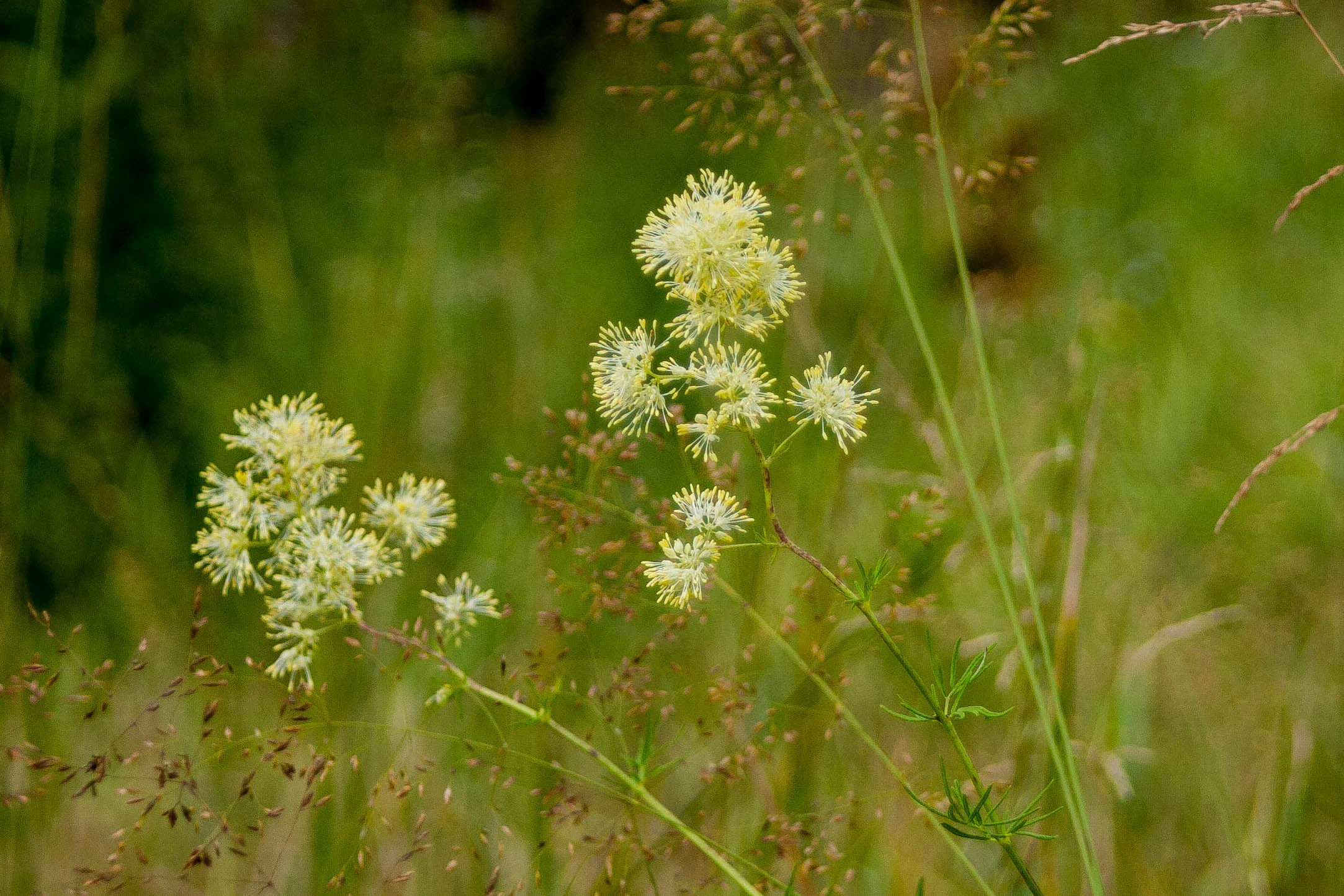
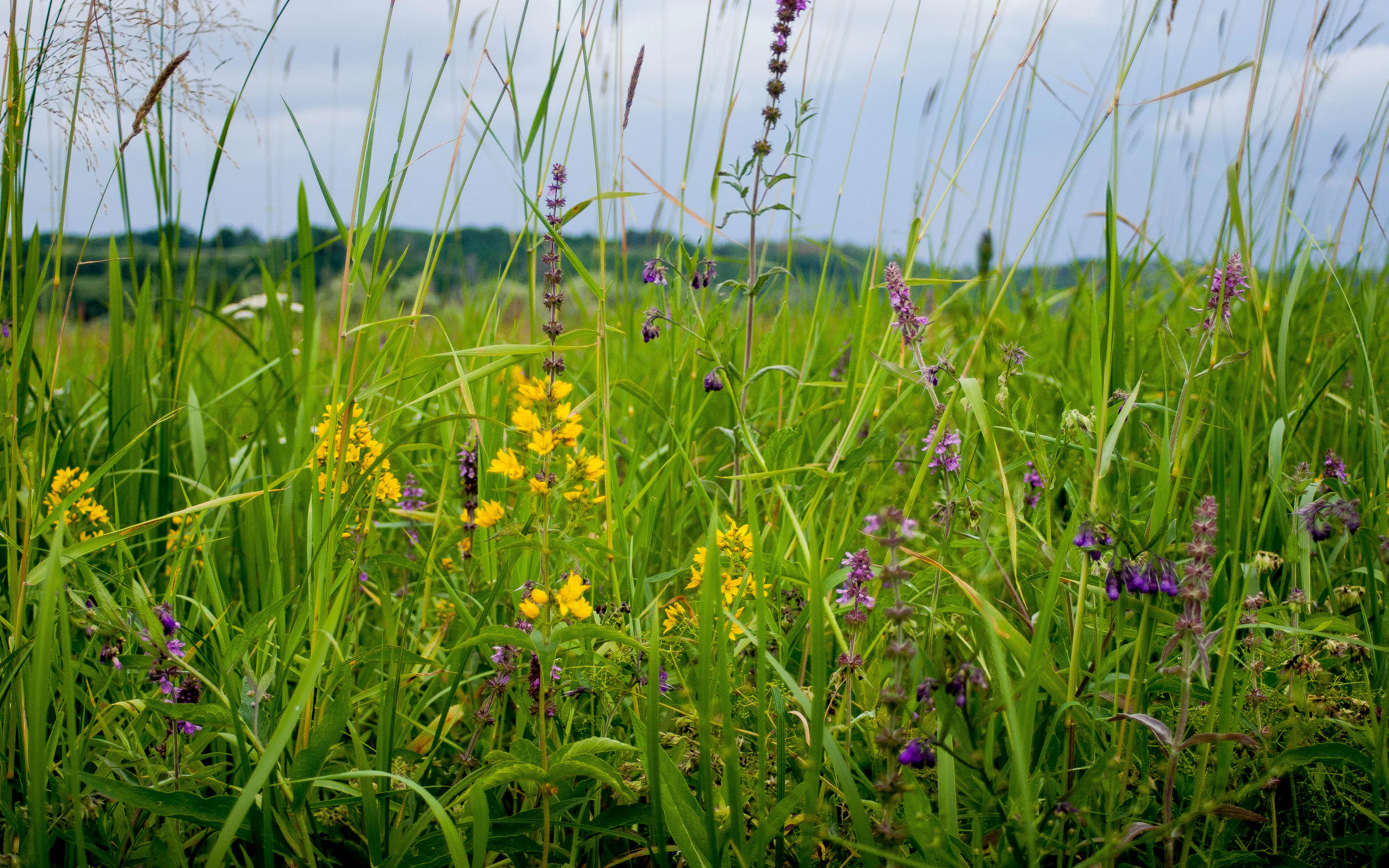
Meadows occupy about 16% of the park, concentrated in the floodplain where they have historically been managed as hayfields and pastures. The floodplain meadows show distinct zonation based on moisture regimes: drier areas support meadow foxtail and bluegrass communities, while lower areas near oxbow lakes contain marsh grass and reed canary grass communities. These meadows support diverse assemblages of grassland birds and invertebrates. Wetlands, including marshes and the margins of oxbow lakes, cover roughly 3% of the park and provide critical habitat for waterfowl, amphibians, and aquatic plants.
Mezyn National Nature Park wildlife and species highlights
The wildlife of Mezyn National Nature Park reflects its position at the forest-steppe boundary and the diversity of habitats within its boundaries. The park has documented 204 species of chordate animals, including 30 fish species, 9 amphibians, 3 reptiles, 143 birds, and 19 mammals. This represents a notably diverse vertebrate fauna for a protected area of its size in northern Ukraine.
The bird fauna is particularly significant, with species ranging from forest-dwelling songbirds to wetland-associated waterfowl and migrating species that use the floodplain as a staging area. The floodplain lakes and marshes provide breeding habitat for common pochard, tufted duck, and various grebe species, while the surrounding forests support populations of woodpeckers, flycatchers, and thrushes. The wet meadows are important for displaying waders and the corncrake, a species of conservation concern in Europe.
The mammal community includes typical Polissya species such as red deer, roe deer, wild boar, and European hare, along with predators including wolf, red fox, and European pine marten. Semi-aquatic species like European mink and Eurasian otter occur along the river and oxbow lakes. The fish community includes species typical of the Desna River system, with the oxbow lakes serving as important spawning and nursery areas. The park also supports significant invertebrate communities, including 14 species protected under the Bern Convention and numerous species recorded in the Red Book of Ukraine.
Mezyn National Nature Park conservation status and protection priorities
Mezyn National Nature Park serves multiple conservation functions within Ukraine's protected area network. The park protects representative examples of the East European forest steppe ecoregion, preserving the transitional ecosystems that occur where Polissya forests meet grassland communities. This transition zone contains species assemblages found nowhere else in Ukraine and supports plant and animal communities at the edge of their geographic ranges.
The conservation significance extends to specific features within the park. The Rykhlivska Dacha area preserves oak and lime-oak forests with trees aged 200-300 years—old-growth stands that are increasingly rare in the region. These forests support specialized species dependent on veteran trees for nesting, shelter, and food. The floodplain wetlands protect water purification functions, flood storage capacity, and critical habitat for migratory birds on the East Atlantic Flyway.
The park contains 68 species listed in the Red Book of Ukraine, including the emperor dragonfly, musk beetle, bumblebee, swallowtail butterfly, sterlet, smooth snake, eagle owl, black stork, common crane, short-toed snake eagle, steppe buzzard, stoat, European otter, and European mink. Additionally, 14 species from the European Red List occur in the park, and 71 species are protected under the Bern Convention. The presence of such a significant complement of protected species reflects the ecological quality of the habitats preserved within the park boundaries.
Mezyn National Nature Park cultural meaning and human context
The cultural context of Mezyn National Nature Park is defined primarily by its extraordinary archaeological heritage, which ranks among the most significant in Eastern Europe. The Mezyn Paleolithic site, discovered in 1908, represents one of the few known settlements of Late Paleolithic humans in the region. The excavated materials reveal a complex picture of Cro-Magnon hunter-gatherers living along the Desna approximately 20,000 years ago, during the matriarchal period of human social organization.
The excavations yielded the remains of dwellings constructed primarily from mammoth bones—a remarkable architectural achievement for the period. Even more significant were the portable art objects: figurines carved from mammoth ivory with geometric ornamentation, zoomorphic figurines representing various animals, and meander-patterned bracelets demonstrating sophisticated symbolic thinking. The discovery of a complete set of musical instruments made from animal bones, including flutes and percussion instruments, suggests complex cultural practices including music and ritual.
The archaeological collection preserved at the Mezinsky Archaeological Research Museum forms the centerpiece of the park's cultural interpretation. Additional archaeological sites throughout the park preserve evidence of human occupation across subsequent millennia, including materials from various prehistoric and historic periods. The presence of small villages within the park boundaries reflects more recent human settlement and traditional land-use patterns that have shaped the landscape over centuries.
Top sights and standout views in Mezyn National Nature Park
Mezyn National Nature Park stands out as a destination combining natural diversity with exceptional archaeological significance. The Mezyn Paleolithic site, with its mammoth-bone dwellings and extraordinary collection of Ice Age art including carved ivory figurines and musical instruments, provides a window into the lives of humans 20,000 years ago. This archaeological treasure is presented through the on-site museum, making Mezyn one of Ukraine's most important sites for understanding prehistoric human culture.
The park's natural highlights include its floodplain wetland system along the Desna River, with seventeen oxbow lakes supporting diverse wildlife and providing critical habitat for migratory birds. The old-growth oak forests in the Rykhlivska Dacha area preserve trees reaching 300 years of age—living monuments to the ancient forests that once covered this region. The transition between forest and steppe ecosystems creates unusual species combinations and a mosaic of habitats that supports 204 vertebrate species and over 600 plant species.
Best time to visit Mezyn National Nature Park
The best time to visit Mezyn National Nature Park depends on the type of experience sought. Summer months (June-August) offer the warmest conditions for exploring the park's hiking trails and outdoor facilities, with average temperatures around 19°C. This period brings full foliage in the forests and active wildlife viewing opportunities, particularly for birds along the river and wetland areas. Summer also corresponds with the peak visitor season and full operation of park facilities including the museums.
Spring (April-May) brings the floodplain to life as migrating birds return to nest and the riverside vegetation greens up. The spring flood stage of the Desna can create dramatic water levels in the floodplain, though this may affect access to some trails. Autumn (September-October) offers the classic appearance of the forest-steppe transition as deciduous trees display autumn colors, and this season often provides comfortable temperatures for hiking. Winter visits are possible but less common, given the cold continental climate with temperatures averaging -8°C in January and 110-115 days of snow cover—though the park's museums and some facilities remain accessible.