Why Bandai-Asahi National Park stands out
Bandai-Asahi National Park is best known for its dramatic volcanic landscapes and sacred mountain traditions. The Dewasanzan, or Three Mountains of Dewa, comprising Mount Gassan, Mount Haguro, and Mount Yudono, form a revered pilgrimage destination that has attracted mountain ascetics practicing Shugendō for centuries. The park also features the Asahi Range, one of Japan's snowiest regions where persistent snowfields remain throughout summer, and the Bandai-Azuma volcanic chain including Mount Bandai, whose 1888 eruption dramatically reshaped the landscape and created the scenic Ura-Bandai area with its crater lakes and volcanic terrain. The park's combination of volcanic geology, deep cultural significance, and exceptional alpine environments makes it a distinctive destination within Japan's national park system.
Bandai-Asahi National Park history and protected-area timeline
Bandai-Asahi National Park was officially designated on September 5, 1950, during the early decades of Japan's national park system. The creation of the park reflected growing recognition of the need to preserve Japan's mountain environments and cultural landscapes. The park was formed by combining several distinct mountain areas that had long been valued for their natural and spiritual significance. The Dewasanzan mountains had served as centers of Shugendō practice since ancient times, with Mount Haguro in particular functioning as the home of the central shrine and training grounds for mountain ascetics. The 1888 eruption of Mount Bandai dramatically transformed the landscape in what is now the Bandaiazuma-Inawashiro Region, with volcanic debris creating new lakes and wetlands while simultaneously destroying existing communities. This event became a catalyst for local conservation efforts in the twentieth century, as residents worked to restore the devastated area through reforestation and development of sustainable tourism. The park's management falls under Japan's Ministry of the Environment, with visitor centers established at key locations to provide interpretation and environmental education.
Bandai-Asahi National Park landscape and geographic character
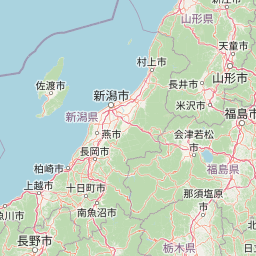
The landscape of Bandai-Asahi National Park is defined by its mountainous character and volcanic heritage. The northern Dewasanzan region features rounded alpine peaks rising to nearly 2,000 meters, surrounded by marshlands and subalpine meadows that support distinctive flora. The adjacent Asahi Range forms a massive mountain wall stretching 60 kilometers north to south and 30 kilometers east to west, with its highest peak Mount Ōasahi reaching 1,870 meters. This range is renowned for extreme snowfall, with snow persisting in sheltered locations even through summer. The Iide mountain range in the southwest contains peaks exceeding 2,000 meters, including Mount Dainichi at 2,128 meters and Mount Iide at 2,105 meters, forming a compact but dramatic alpine massif. The southeastern Bandaiazuma-Inawashiro Region encompasses the volcanic cluster around Mount Bandai, Mount Azuma, and Mount Adatara. The 1888 eruption of Mount Bandai produced massive volcanic mudflows that blocked valleys and created new lakes, notably the Ura-Bandai area with its string of scenic crater lakes including Hibara Lake. Lake Inawashiro, Japan's fourth-largest freshwater lake, forms a major landscape element in this region, its broad waters reflecting the surrounding volcanic peaks.
Bandai-Asahi National Park ecosystems, habitats, and plant life
The ecological systems within Bandai-Asahi National Park reflect the diverse environmental conditions created by the park's elevation range and geographic position. The lower slopes up to approximately 1,200 meters support extensive Japanese beech forests, creating a canopy of particular ecological importance in the region. Above this elevation, the forest transitions to shrubland and alpine vegetation adapted to harsher conditions. The Dewasanzan region contains subalpine meadows featuring species such as arnica and other alpine plants adapted to short growing seasons. The marshland areas within the park serve as important wetland habitats, particularly for migratory bird species. The rivers originating in the high mountains, including the Sagae River system, provide aquatic habitats and have been managed to support populations of ayu sweetfish and other native species. The park's protection extends across multiple ecological zones, from lowland forests to alpine communities, creating a comprehensive preservation framework for the region's natural systems.
Bandai-Asahi National Park wildlife and species highlights
The wildlife communities within Bandai-Asahi National Park reflect the park's diverse habitats from forest floors to alpine ridgelines. The Japanese beech forests on lower slopes provide habitat for Japanese dormouse, Japanese serow, and Asian black bear. The alpine zones and ridgelines support species adapted to more open terrain, including golden eagle, mountain hawk-eagle, goshawk, and peregrine falcon. The forest environment also provides important habitat for various bird species throughout the seasons. The rivers and reservoirs within the park support fisheries for ayu sweetfish, rainbow trout, and salmonid species. The mountainous terrain creates diverse microhabitats that support both forest-dwelling and open-country species. The region has been designated as a wildlife refuge, recognizing its importance for maintaining populations of species that require intact mountain forest ecosystems.
Bandai-Asahi National Park conservation status and protection priorities
Bandai-Asahi National Park serves as a crucial conservation framework for one of Japan's most significant mountain ecosystems. The park protects approximately 186,400 hectares of mountain landscapes, representing a comprehensive approach to preserving ecological processes across multiple habitat types. The designation encompasses areas of volcanic significance, sacred mountain sites, and diverse forest communities. The park's management addresses the balance between conservation and public use, with visitor centers providing environmental education while trails and facilities allow controlled access to the landscape. The protection of watersheds originating in the park's high peaks contributes to downstream water quality and ecosystem health across the broader region. The park's inclusion of multiple volcanic systems also provides opportunities for ongoing scientific study of volcanic processes and ecosystem recovery following disturbance.
Bandai-Asahi National Park cultural meaning and human context
The cultural dimension of Bandai-Asahi National Park is profoundly shaped by the tradition of Shugendō, the mountain religion of Japanese asceticism. The Three Mountains of Dewa, comprising Mount Gassan, Mount Haguro, and Mount Yudono, have served as sacred sites for practitioners of this faith for centuries. Mount Haguro remains an active center of worship, with its shrine and training facilities continuing to function as they have for generations. The Iide mountain range also holds significance as a Shugendō sacred site, where the practice tradition began in 652 CE according to historical records. The mountain climbing traditions historically associated with these sites developed cultural practices including the custom of male climbers completing their first ascent before age fifteen to be considered adults. The 1888 eruption of Mount Bandai created profound changes in the local landscape and subsequent development patterns, with local residents working to restore the devastated area through private conservation initiatives. Lake Inawashiro is associated with the birthplace of notable medical researcher Hideyo Noguchi, adding scientific heritage to the cultural landscape.
Top sights and standout views in Bandai-Asahi National Park
The highlights of Bandai-Asahi National Park include the sacred Three Mountains of Dewa pilgrimage complex, the dramatic snow-capped peaks of the Asahi Range, the volcanic crater landscape of Ura-Bandai with its blue lakes set against volcanic slopes, and the scenic grandeur of Lake Inawashiro reflecting Mount Bandai. The park offers exceptional alpine environments where persistent summer snowfields create unique recreational opportunities, including the rare possibility of summer skiing on Mount Gassan. The deep beech forests, alpine meadows with their summer wildflower displays, and the opportunity to observe golden eagles and other raptors soaring above the mountain ridges represent the park's natural highlights. The historical dimension of walking trails that mountain pilgrims have used for centuries adds a cultural layer to the exploration experience.
Best time to visit Bandai-Asahi National Park
The optimal time to experience Bandai-Asahi National Park depends on the specific activities and landscapes visitors seek. Summer months from June through September offer the most accessible conditions for hiking and mountain exploration, with alpine trails becoming fully accessible as snow retreats. The summer season brings vibrant alpine flower displays in the subalpine meadows and provides the best conditions for visiting the sacred mountain sites. Autumn in September and October brings spectacular fall color to the beech forests and offers clear mountain visibility. Winter transforms the park into a realm of deep snow, making it one of Japan's premier backcountry skiing destinations, though access becomes limited to specific areas with infrastructure for winter sports. The spring season sees the gradual melting of snow and the emergence of new growth, though trail conditions can be challenging during this transition period. The extreme snowfall of the Asahi Range means that even summer visits may encounter snow in sheltered locations, requiring appropriate preparation.